Beyond the Hood and Diploma: The Human Stoories behind ISUFST’s 30 New Doctorates
g


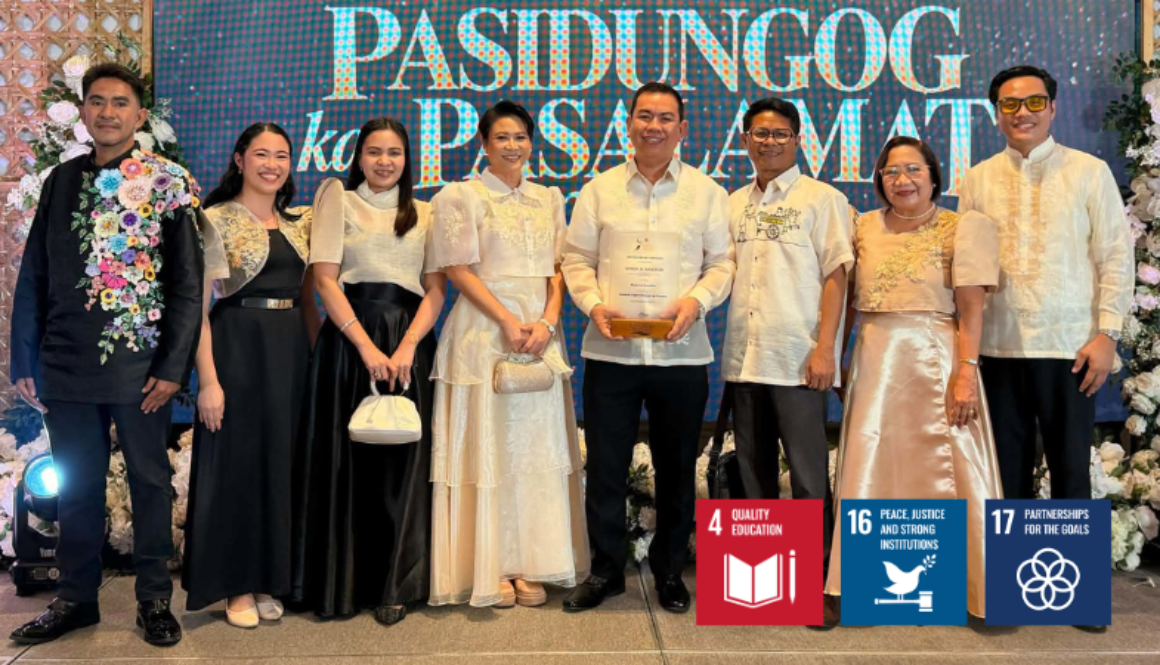
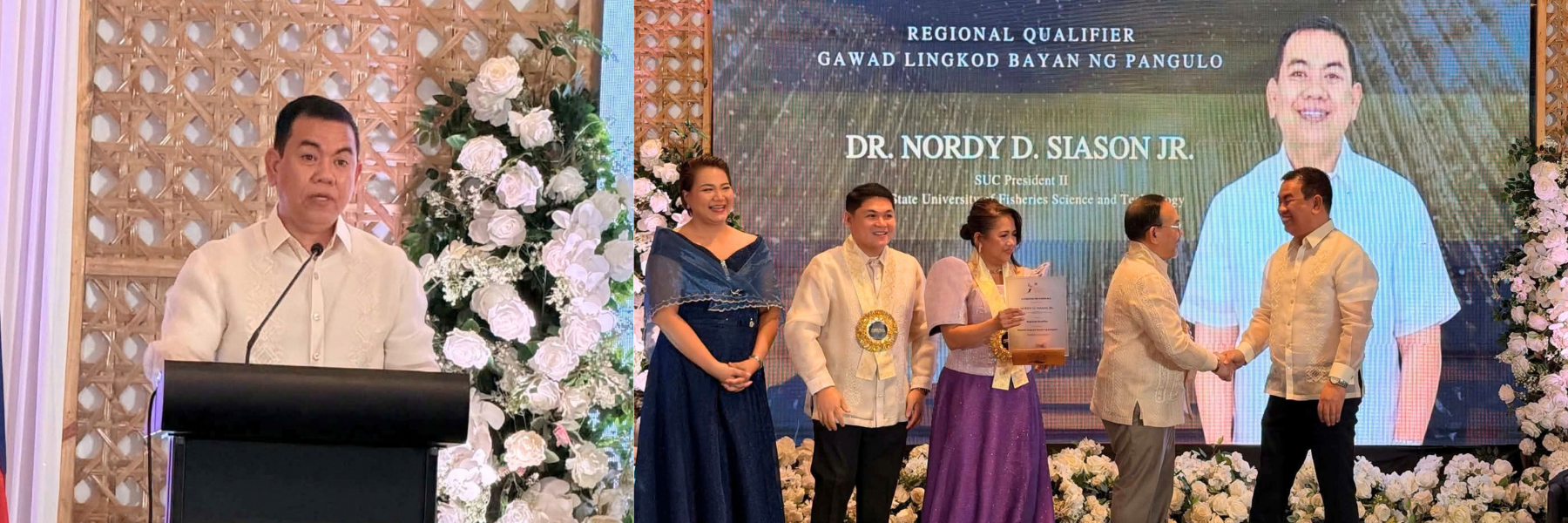
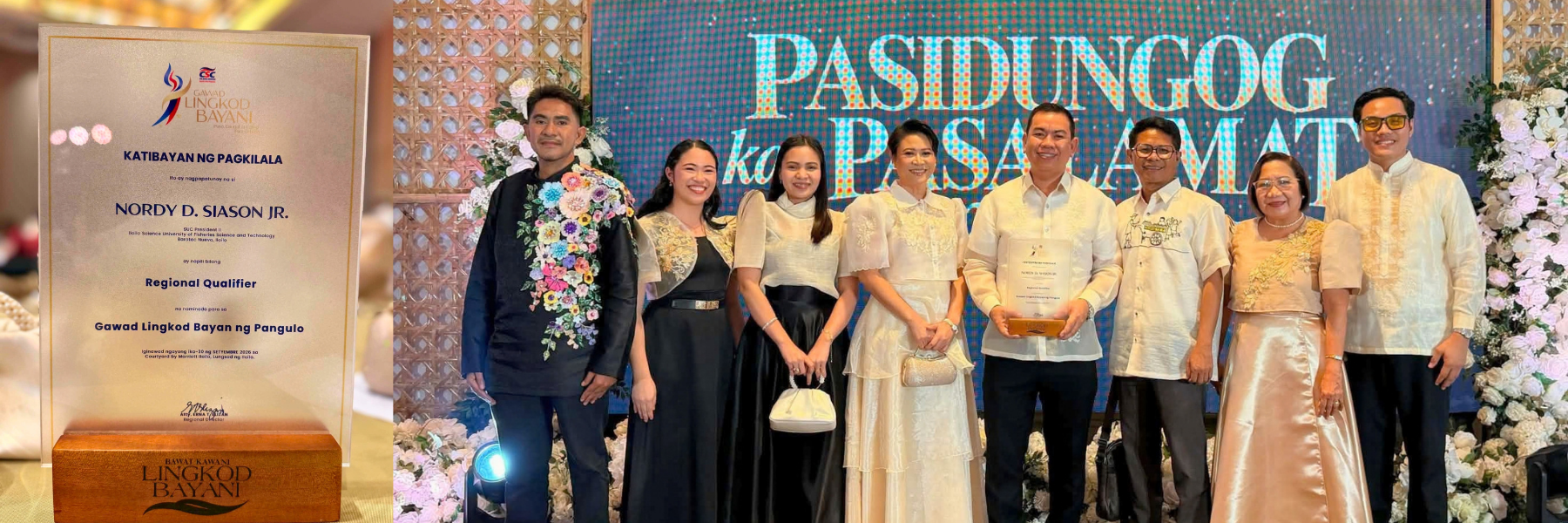
BAROTAC NUEVO, Iloilo—For a university joining the World University Rankings for Innovation (WURI) for the first time, Iloilo State University of Fisheries Science and Technology (ISUFST) made a quiet but meaningful entrance—landing eight spots in the Global Top 100 across different innovation categories.

The 2026 results placed ISUFST at 7th in Social Impact through Knowledge Transfer (C5), followed by 21st in Empowerment-Based Management (B2). It also ranked 74th in Financial Impact-Driven Technology Transfer (C8), 76th in Curricular Innovation for Future-Readiness (C3), 86th in Funding for Sustainability (B5), 88th in Interdisciplinary Research (C2), 93rd in Cost-Effectiveness Management (B7), and 100th in AI-Based Teaching and Learning Transformation (C4).
For those on campus, the recognition does not feel sudden or overwhelming. It feels familiar—like something that grew out of long, steady effort, much of it done quietly, without expecting anything in return.
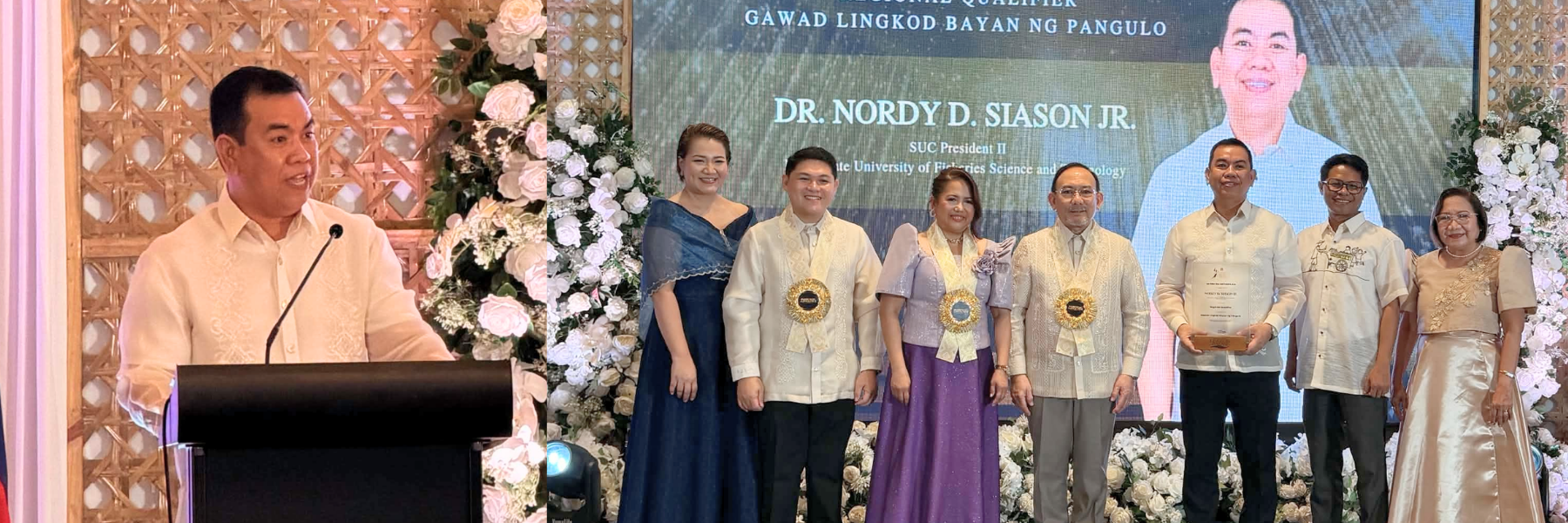
University President Dr. Nordy D. Siason Jr. described the result as a reflection of what the institution has been trying to build over time. “This is really about staying true to what we believe education should do,” he said. “Academic excellence matters, but it has to translate into something that improves lives. That has always been part of how we see our role.”
He also pointed out that the recognition aligns with broader national directions in higher education. “Our efforts are closely tied to CHED’s ACHIEVE framework under Chairperson Dr. Shirley Agrupis,” Siason added. “What this shows is that when innovation is anchored on service and social justice, it resonates beyond our immediate setting.”
Unlike more traditional rankings, WURI looks less at reputation and more at how universities respond to real problems—whether their ideas can actually work, and whether they make a difference. Its process combines blind peer review, expert validation, and system-based analysis, putting emphasis on programs that are not only creative, but also practical and impactful.
That approach has attracted growing global participation. In recent cycles, thousands of innovation cases from over a thousand universities worldwide have been reviewed, creating a space where institutions are compared not just by what they produce, but by what they change.
For ISUFST, the WURI entry builds on earlier steps toward international visibility—from internal workshops on global rankings to participation in regional capacity-building efforts. These were not isolated activities, but part of a longer attempt to align teaching, research, and extension work with global standards while staying grounded in local realities.
Over the years, much of the university’s work has naturally fallen in step with the United Nations Sustainable Development Goals (SDGs). Whether it’s widening access to education, finding practical ways to innovate, working with partners, or caring for marine resources, these have never really been new directions—they’ve long been part of what ISUFST stands for as the country’s only fisheries university.
Founded in 1957, the university has grown across five campuses, with programs spanning fisheries, education, technology, and management. In recent years, it has also received multiple recognitions from CHED, particularly in extension, peace education, student services, internationalization, and inclusive education.
Dr. Siason says the WURI results are “less about arrival and more about direction.”
“The work is far from finished. Much remains to be done—systems to improve and communities to serve better. But this recognition holds a simple truth: institutions do not have to be at the center to matter, as long as their work reaches people in real ways.” (Herman Lagon | Rex Paulino | PAMMCO)
#isufstisdafirst #isufstcommunity #isufst #pammcostoriesthatmatter
Fifty Bachelor of Science in Hospitality Management (BSHM) II students and two faculty members from the College of Hospitality Management proudly joined the 1,191 participants of the recently concluded 5th COHREP Western Visayas Regional Congress held on March 27, 2026, at the Grand Xing Imperial Hotel. The event gathered hospitality management students, educators, and industry partners from across the region, creating a dynamic platform for learning, networking, and professional growth. The congress was made even more significant with the presence of distinguished keynote speakers Dr. Raul F. Muyong, CHED Regional Office VI Director, and Dr. Nordy D. Siason Jr., President of Iloilo State University of Fisheries Science and Technology (ISUFST).
The BSHM II students were accompanied by Instructors Enrique I. Sariño and Frenie Ann B. Permiso, with Dr. Ricardo J. Paborada Jr. serving as the head of the delegation. Their participation reflected the strong commitment of ISUFST to providing students with meaningful exposure to regional academic and industry engagements. Also present at the event was Instr. Ma. Paula E. Balbona, SIPP/SEAP Coordinator, who took the opportunity to strengthen partnerships with industry stakeholders and explore opportunities that will benefit student internship and professional development programs.
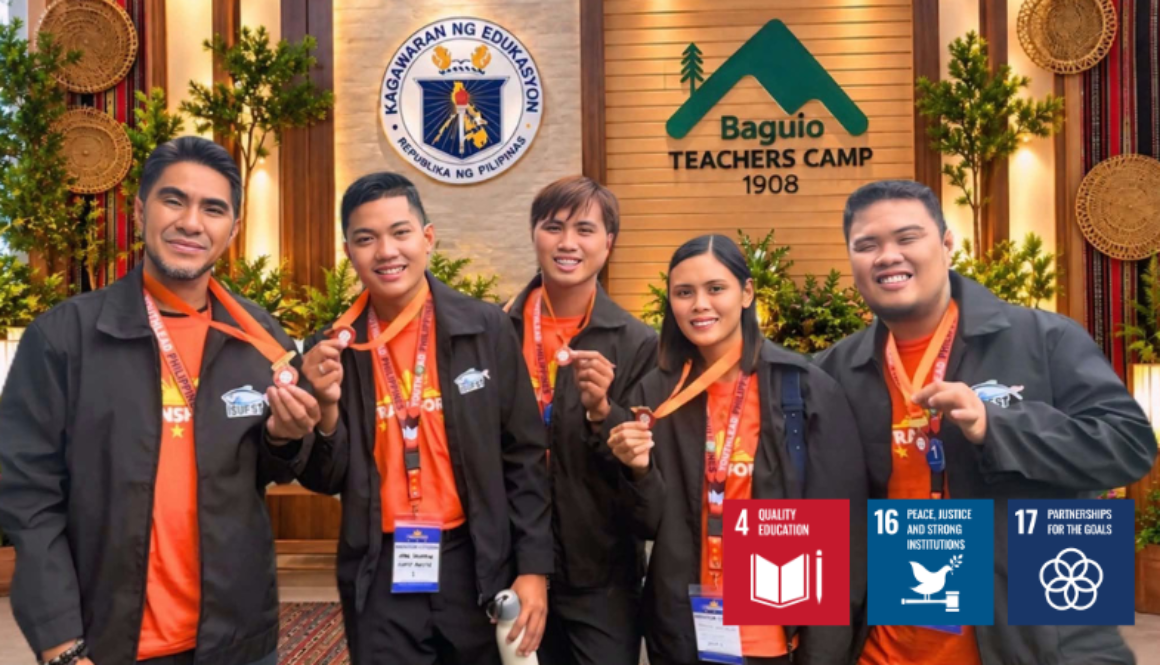
Out of 29 participating universities across the country, the campus emerged as 4th Place with a remarkable 13.5 points, showcasing excellence, creativity, and dedication in the field of education held on March 28 at Iloilo Diversion 21 Hotel, Iloilo City.
Tiffany Anne J. Sullesta led the victory after claiming the championship title in the Cluster 1 Demonstration Teaching Contest trained by Dr. Roberto Oberio, proving that passion and mastery in teaching truly stand out.

“Because of these tools, we are more confident that our practical training will prepare us for real work, business, and professional life.” With those words of gratitude, Jerobe Arce, a fourth-year PWD automotive student of the College of Industrial Technology (CIT) at the Iloilo State University of Fisheries Science and Technology (ISUFST), capped the successful turnover ceremony of electrical and electronics equipment worth ₱1.89 million donated through a Rotary Global Grant this Wednesday, March 11, 2026, at the ISUFST TechnoHub, Main Campus–Poblacion Site in Barotac Nuevo, Iloilo.
Arce, who is currently completing his internship at F&E Enterprises in Iloilo City, thanked the Rotary Club of Namweon Central in South Korea (District 3670) and the Rotary Club of Iloilo (District 3850) for continuing to invest in the skills development of ISUFST students. “These equipment, machinery, and tools will ensure that our training becomes more complete and more relevant to the industries we hope to serve,” Arce said in a mix of Hiligaynon, English, and Korean, ending his testimony with a heartfelt “Kamsahamnida” to the visiting Korean Rotarians.

The ceremony marked the formal turnover of equipment under the Rotary Global Grant GG2682848 for the project POWER UP: Project for Optimized Workforce-Readiness Through Equipment and Resource Upgrade for Professional Certification.
Strengthening workforce readiness.
The grant will support the university’s Bachelor of Industrial Technology (BIT/BIndTech) program by upgrading laboratories used for Electrical Installation and Maintenance (EIM) and Electronic Products Assembly and Servicing (EPAS) training. The new equipment includes electrical installation trainers, digital multimeters, soldering stations, function generators, solar power training systems, electronic servicing tools, electronic appliances, and industrial control components aligned with TESDA certification standards.

The upgrades are expected to benefit more than 450 students and community learners each year, many of whom come from farming, fishing, and other low-income households in nearby municipalities. ISUFST President Dr. Nordy Siason Jr. said the project strengthens the university’s mission to produce graduates ready for real-world work environments.
“Projects like POWER UP ensure that our students train with tools that mirror actual industry standards. This is not only about equipment—it is about building confidence and competence among our learners,” Siason said.

International partnership for education
The project highlights the growing collaboration between ISUFST and Rotary partners in the Philippines and South Korea. RC Namweon Central President Changhun Lee thanked the university and its Rotary partners for the warm reception. After the ceremony, the Rotarians toured the CIT laboratories to see the new facilities. For Rotary Club of Iloilo President Dr. Lucio Encio, the project shows the power of partnerships. “Supporting education and skills training helps communities grow and gives young people real opportunities,” he said.
A growing partnership
According to Dr. Herman Lagon, Rotary Global Grant project head and ISUFST director, the initiative builds on the growing collaboration between the university and Rotary partners. “This project shows how global partnerships can empower local communities through education and skills development. With modern training facilities, our students will have stronger pathways to employment and entrepreneurship,” Lagon said.
Strengthening CIT training capacity
For the College of Industrial Technology, the equipment significantly enhances the university’s capacity to deliver industry-relevant technical education.

CIT Dean Dr. Rodel Dosano noted that the upgraded laboratories will help ensure that students receive training aligned with current technological standards.
“These facilities allow us to provide deeper hands-on learning. Our students will now train using tools and systems that reflect the realities of modern electrical and electronics industries,” Dosano said.
Ceremony highlights.
The program began with the welcoming of guests—upon arrival by the CIT and College of Management students and in the function hall by the ISUFST KI-AY Dance Group and faculty singers. This was followed by the opening ceremony which singing of the Korean National Anthem, Philippine National Anthem, ISUFST Hymn, and Rotary Hymn, as well as the Recitation of the Rotary Four-Way Test. Dr. Siason delivered the welcome remarks, while Dr. Lagon presented the significance of the partnership and turnover.
The ceremony proceeded with the signing of the Deed of Donation by representatives of ISUFST, the Rotary Club of Iloilo, and the Rotary Club of Namweon Central, followed by the marker unveiling and ribbon-cutting rites at the new CIT building, the giving of plaques and tokens, and the student testimony by Arce.

The event concluded with closing remarks from Dr. Dosano and a fellowship gathering and thanksgiving lunch at the TechnoHub, featuring a cultural presentation by ISUFST performers.
Continuing collaboration
The POWER UP project follows the successful implementation of a ₱1.89-million Rotary grant in 2025 that upgraded the university’s automotive laboratory under the Automotive Industry Modernization in Iloilo (AIM Iloilo) initiative.
With the addition of the new grant, ISUFST aims to further strengthen its role as a regional hub for technical-vocational education and workforce development in northern Iloilo, supporting both student training and community-based skills development. (Main photos by Ricky Ramos | Auxiliary photos by Razel Ann Balajadia | Text by Herman Lagon and Angelica Torreverde | PAMMCO)

SAN ENRIQUE, ILOILO—Thirty-two guidance designates, teachers, and community wellness advocates of San Enrique capped the two-day STEP UP Phase 2–Module 3: Emotional Support & Psychological First Aid (PFA) seminar-workshop with a collective oath of commitment on February 27 at the Tourism Hall, Poblacion.

“I commit to recognize early signs of emotional distress and crisis in learners responding with calmness, sensitivity, and discernment.” The line, drawn from The STEP UP San Enrique Pledge 2, set the tone for the two-day training that would move participants from awareness to structured action.
The activity, conducted under the ISUFST–WVSU–LGU San Enrique partnership, trained participants to recognize emotional distress and crisis indicators, apply the WHO-aligned Look–Listen–Link model, provide immediate non-clinical support, and strengthen school referral systems, documentation, and confidentiality practices.
The two-year, 6-phase, 9-module STEP UP extension program, led by Iloilo State University of Fisheries Science and Technology (ISUFST), is made possible through the strong institutional backing of ISUFST President Dr. Nordy Siason Jr., West Visayas State University (WVSU) President Dr. Joselito Villaruz, and San Enrique Mayor Gian Carlo Niño Fernandez. The initiative is financed by the LGU of San Enrique through a municipal resolution enacted by the Sangguniang Bayan, affirming the town’s long-term investment in learner well-being. On behalf of Mayor Fernandez, the program is closely overseen by Dr. JJ Patubo with the assistance of DepEd wellness advocate Charmagne Paniza, who help ensure that the training translates into sustained school-level action.

Day 1 (Feb. 26) focused on first-response readiness. After an opening prayer and Phase 1 recap led by Mrs. Edeline Joy Acosta, participants began with an interactive “Signals of Stress” energizer facilitated by Dr. Herman Lagon, RGC, the STEP UP Extension Program Leader. The morning then moved to “Understanding Distress and Crisis Indicators,” delivered by Mrs. Junna Mari Pacardo, RGC, with case vignettes, helping participants name red flags and distinguish ordinary stress from warning signs that require immediate support or referral.
Dr. Lagon later delivered the Introduction to Psychological First Aid (Look–Listen–Link) through a guided lecture and demonstration, then led the PFA Skills Lab on “Look and Listen” using role-play scenarios that allowed participants to practice calming presence, active listening, and initial stabilization in school-based situations.
In the afternoon, Mrs. Pacardo facilitated a working-break workshop on Ethical Boundaries and Confidentiality, using case analysis to help guidance advocates clarify scope, privacy, and responsible decision-making. The day ended with a synthesis circle, “What Does Help Look Like?” led by Dr. Lagon, integrating lessons into practical first-response mindsets.

Day 2 (Feb. 27) shifted from skills to systems. Participant volunteers led the day’s prayer and recap, followed by a quick drill energizer, “Look–Listen–Link in Action,” facilitated by Dr. Lagon, to refresh coordination before referral planning.
WVSU speakers facilitated the core mid-morning sessions. Dr. Hilda Montaño, RGC, led the PFA Skills Lab on “Link” (Referral Pathways) through scenario-based group work that guided participants in choosing correct next steps for different levels of risk. Mrs. Gift Tragico, RGC, then handled Safety Planning Basics, walking participants through a template exercise that translated concern into concrete safety steps. Such was discussed further after lunch.

Later in the afternoon, the training then proceeded to Mapping the Local Referral Network, where participants drafted their localized referral directory anchored on existing municipal services and school protocols. Ms. Jennet Pajura, RGC, later led Documentation and Incident Reporting through hands-on form completion, emphasizing proper incident logs and responsible reporting. WVSU’s Prof. Jan Iris Fae Basbas, RGC, also served as one of the facilitators in the process.
All volunteer guidance counselors from ISUFST and WVSU then guided the working-break workshop on School-Based PFA Action Planning, followed by group presentations and peer feedback—ensuring outputs were school-ready, realistic, and aligned with ethics and confidentiality.
The two-day, phase 2, module 3 training concluded with the recitation and signing of “The STEP UP San Enrique Pledge 2,” where participants committed to early recognition of distress, faithful practice of Look–Listen–Link, ethical documentation, proper referral, advocacy for safer guidance spaces, continued learning, and self-care as helpers.

“I pledge to step up with empathy. I pledge to step up with integrity. I pledge to step up with courage and care,” the participants affirmed—marking the transition from training to shared responsibility for learner well-being in San Enrique schools.
With Phase 2 completed, ISUFST’S STEP UP initiative moves forward to Phase 3 on June 25–26, 2026, at the Tourism Hall in San Enrique. The next module will focus on Career Planning and Bullying Prevention—continuing the shared mission of helping learners find direction while protecting their dignity in safer school spaces. (PAMMCO)

About fifty faculty and staff of the Iloilo State University of Fisheries Science and Technology (ISUFST) joined hundreds of participants at the Iloilo Freedom Grandstand on February 13, 2026 for the annual One Billion Rising (OBR) campaign, a global movement calling for an end to violence against women and girls.

Wearing pink shirts, the ISUFST delegation from the different campuses took part in the morning program organized by the Ugsad Regional Gender Resource Network–Western Visayas, which gathered representatives from government agencies, academic institutions, civil society groups, and local communities. (Photos by Mila Bedia, Jennifer Mamerto, and Herman Lagon | PAMMCO)