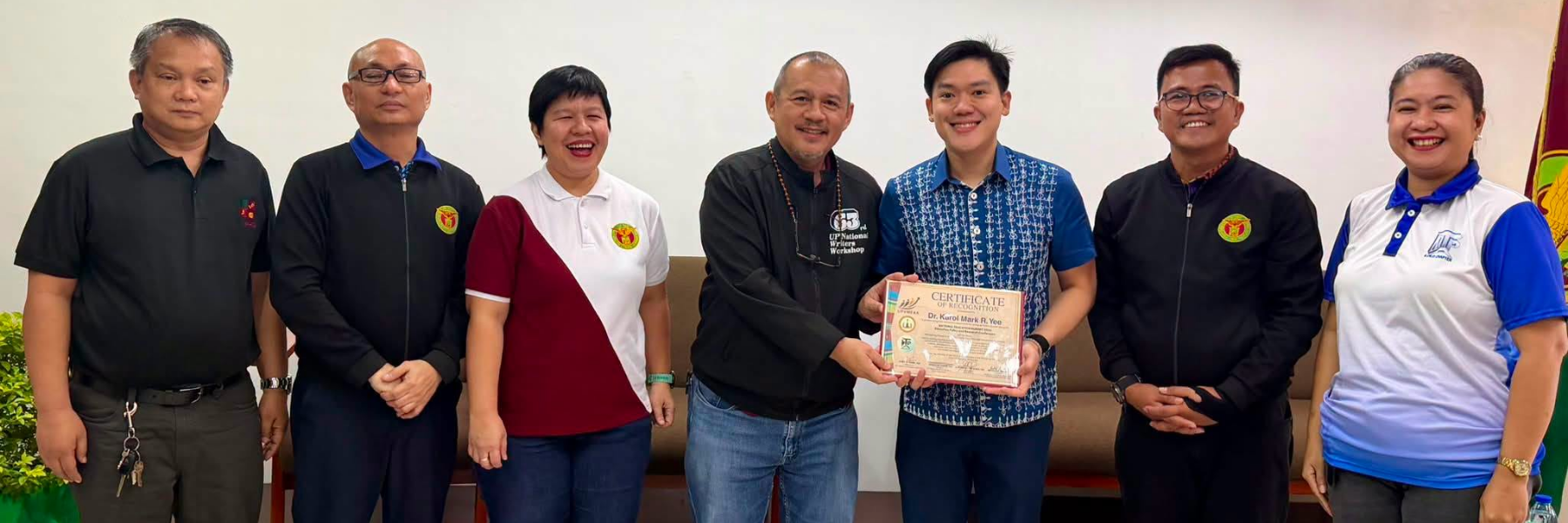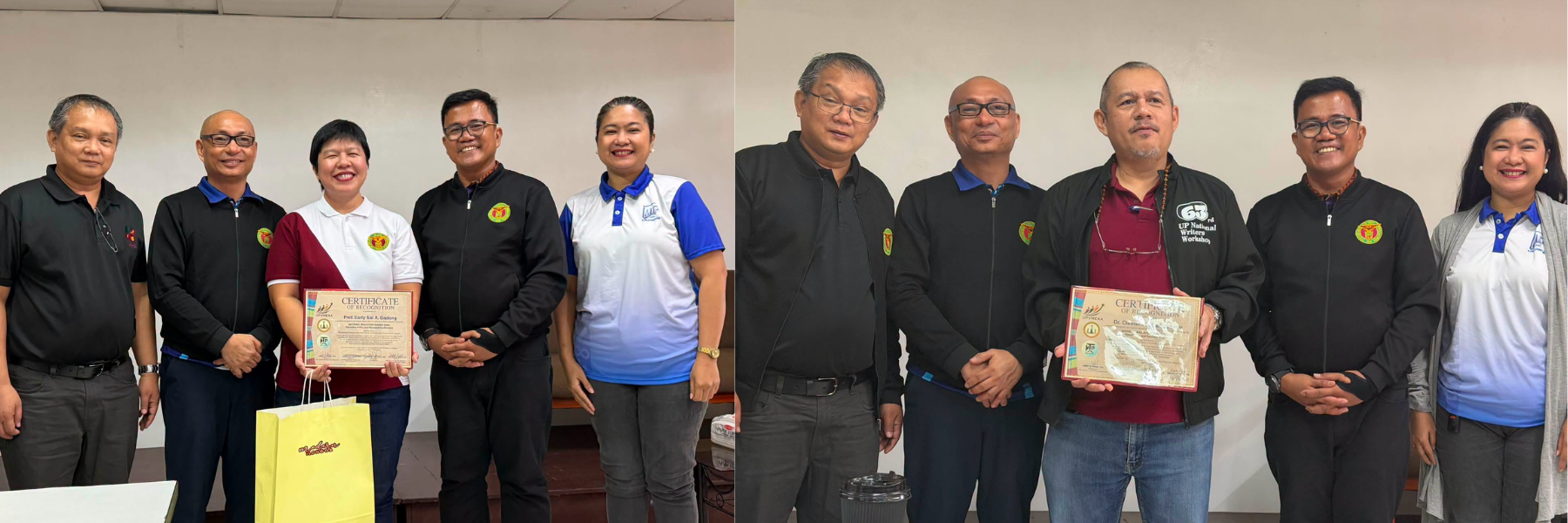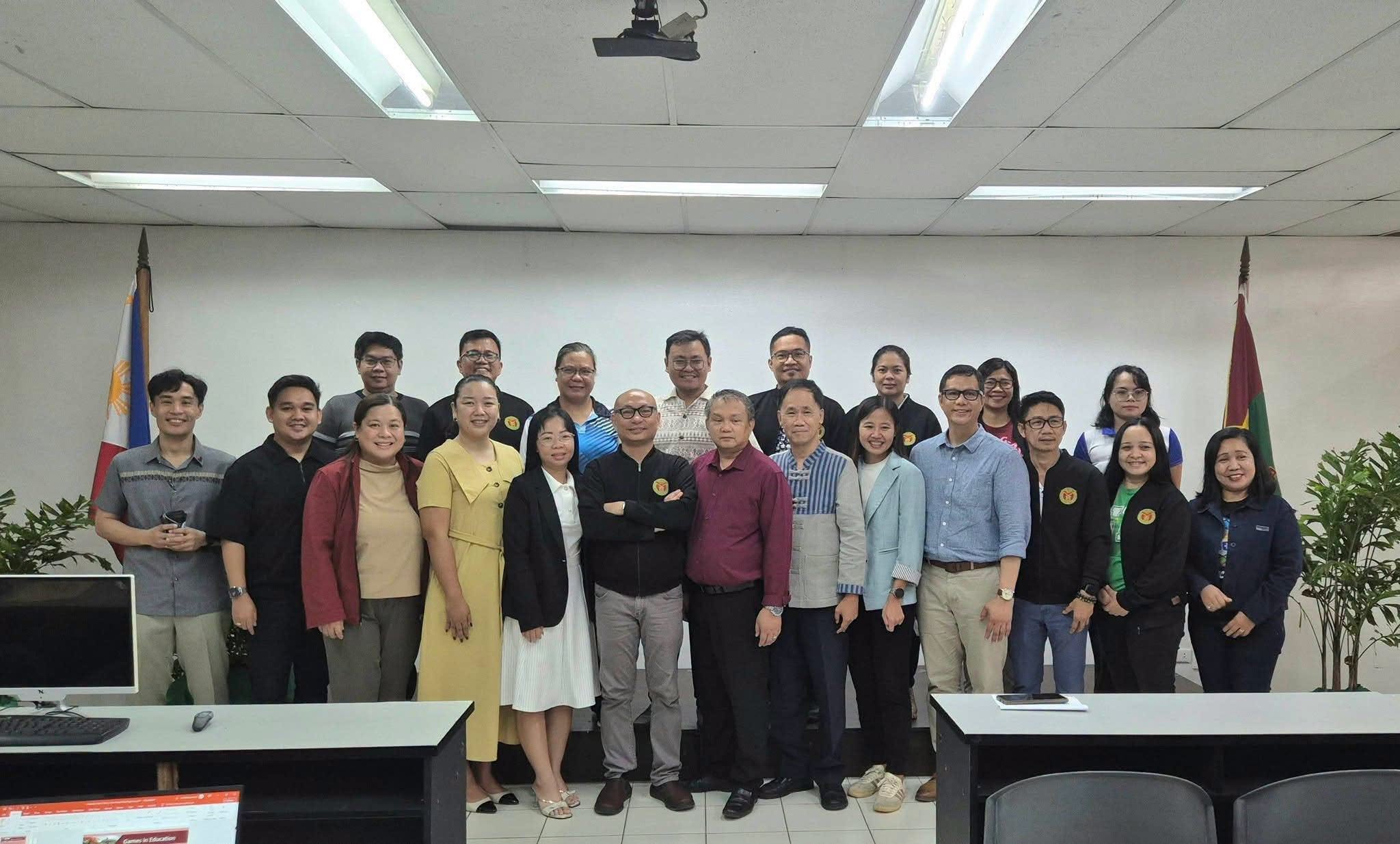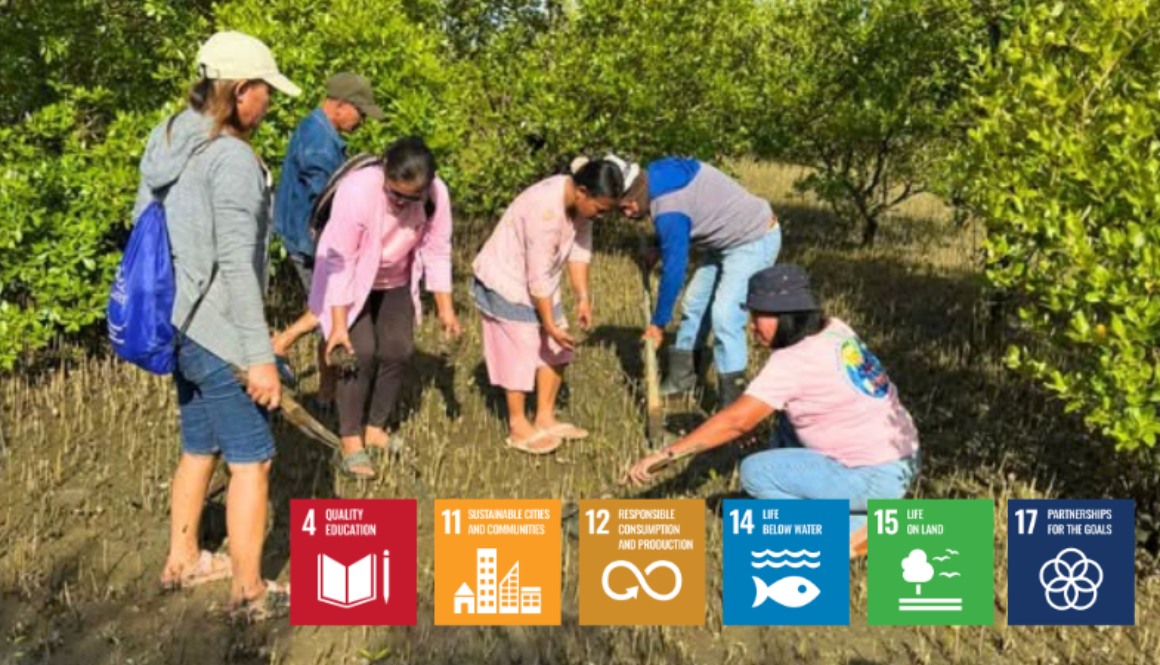
Beyond Coastal Cleanups: The Story of ISUFST’s Saving Banate Bay Project


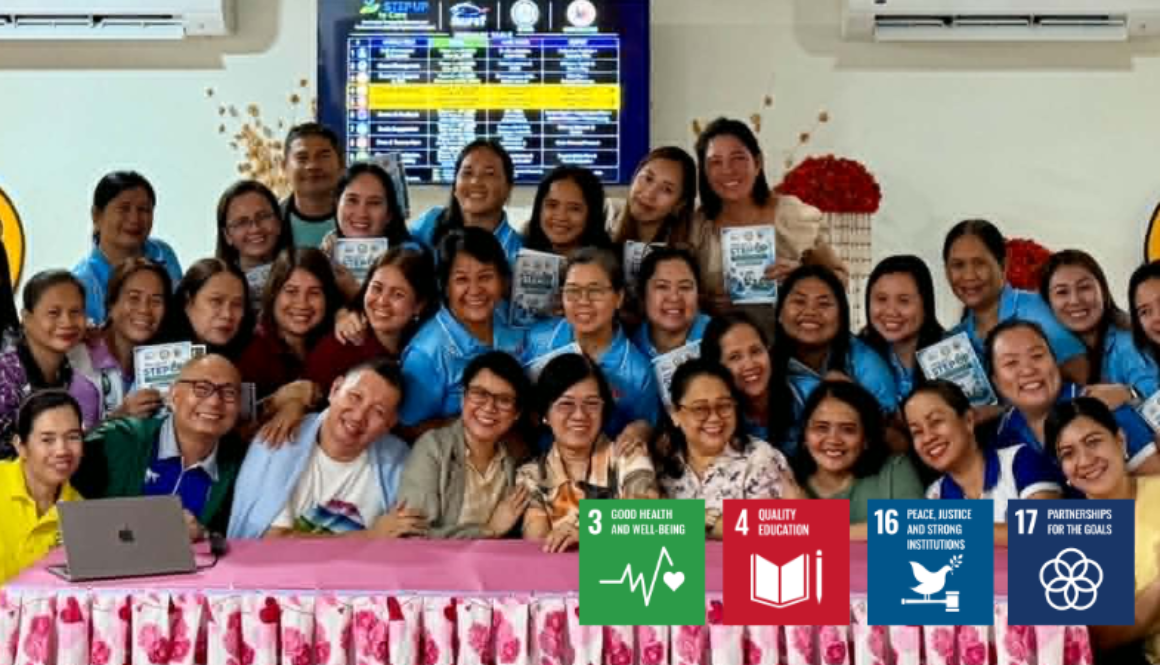
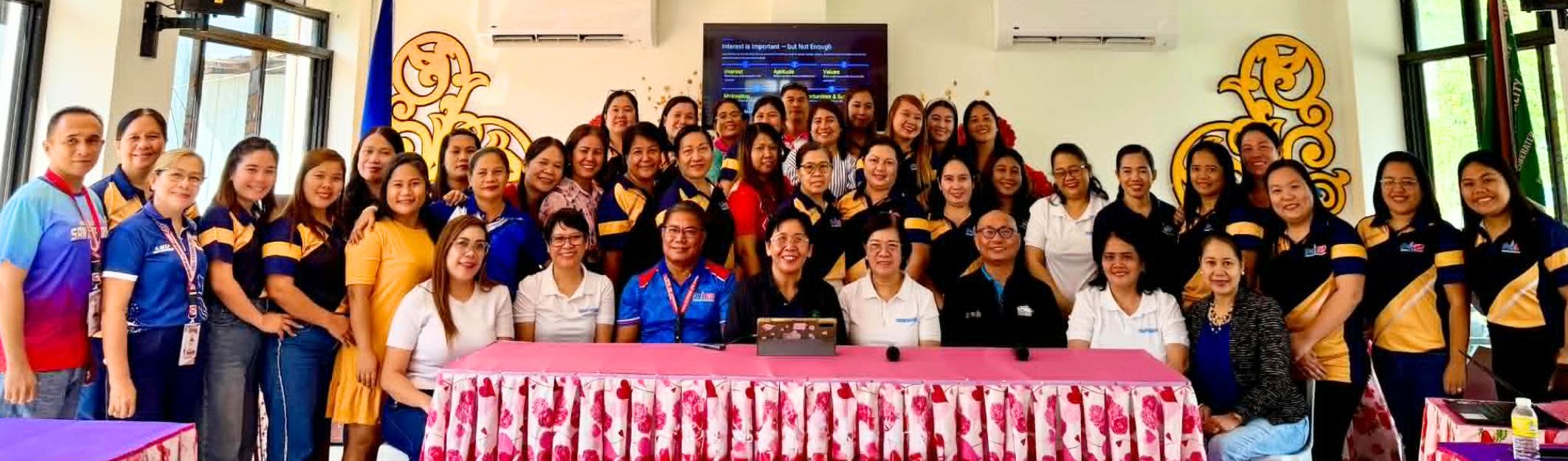
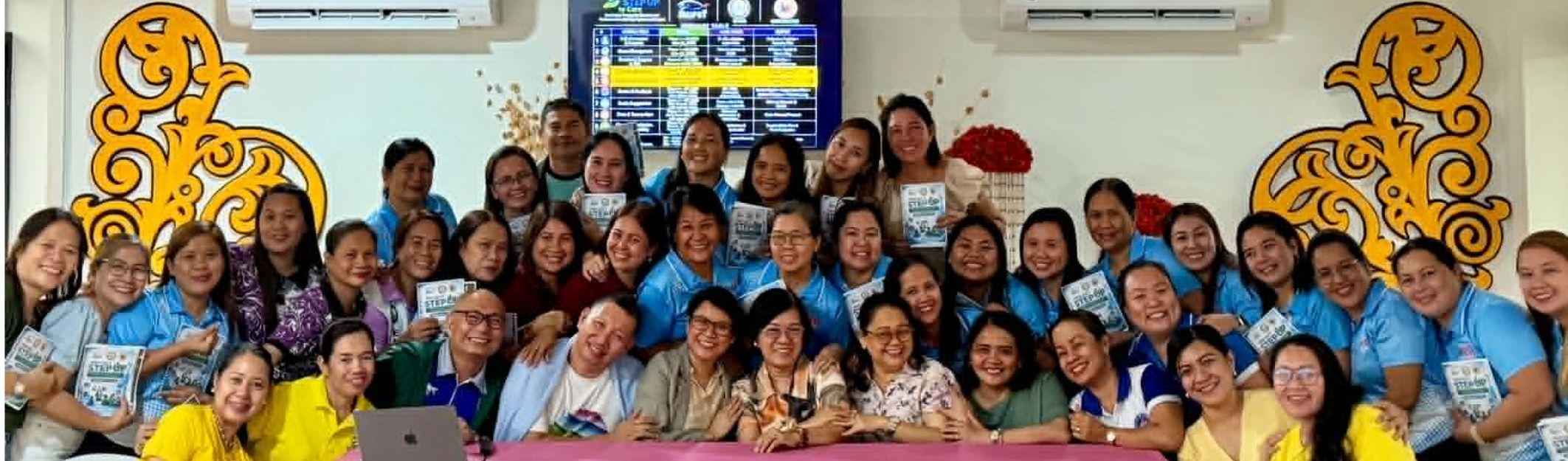
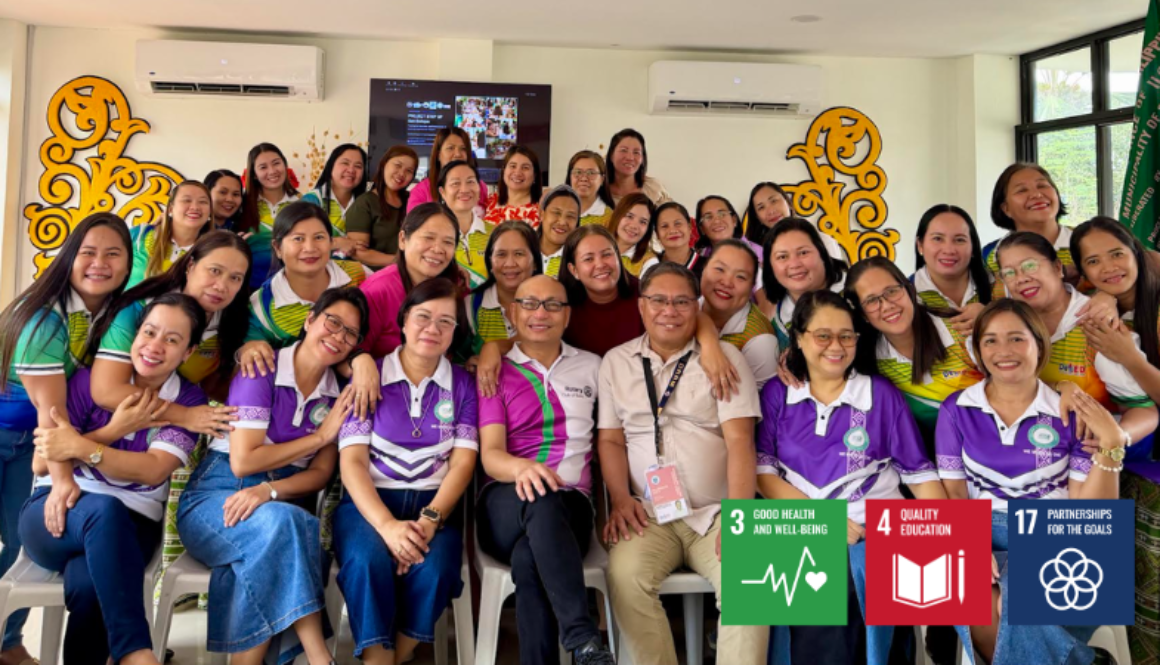
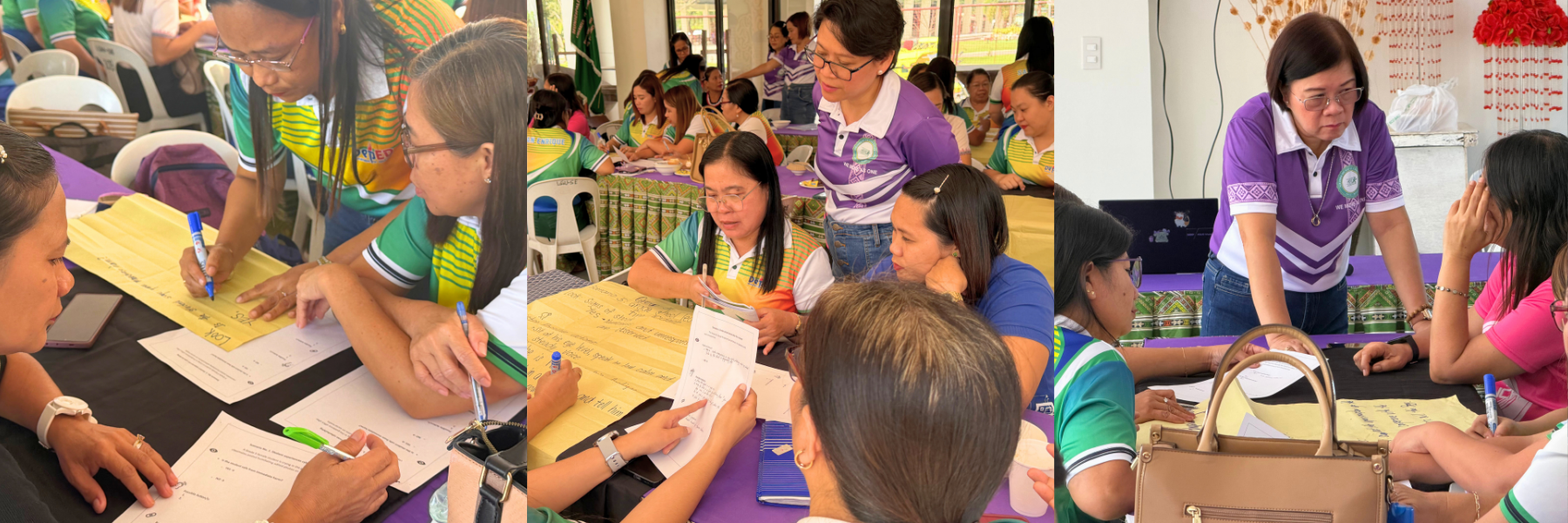
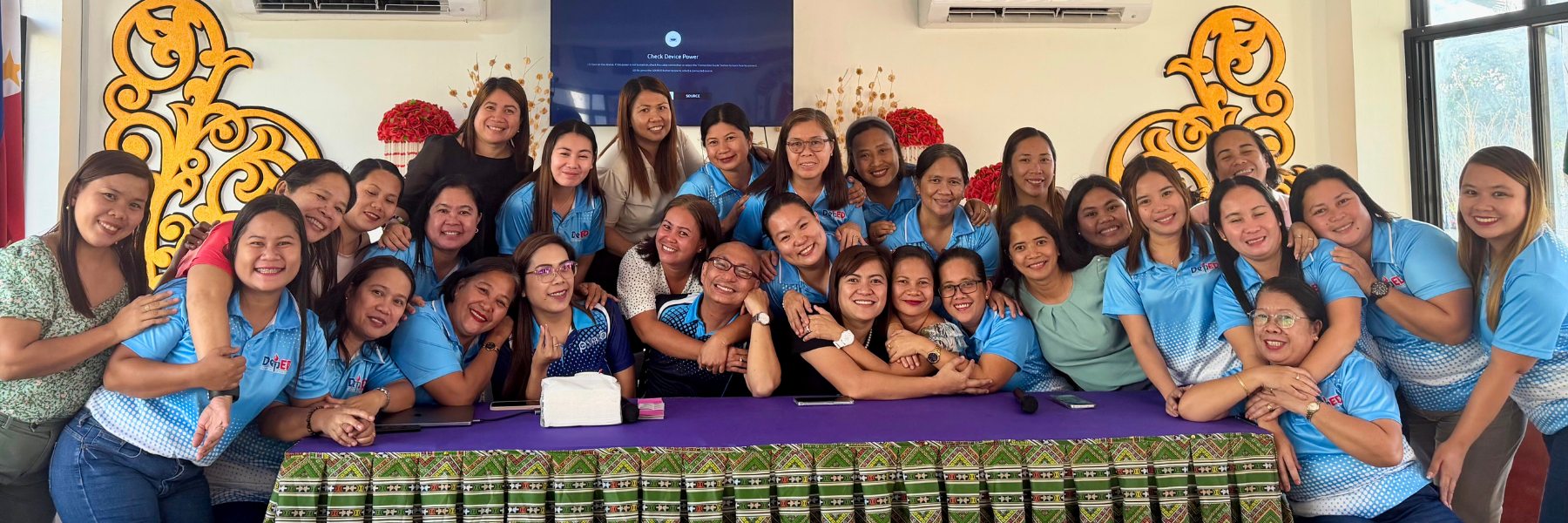
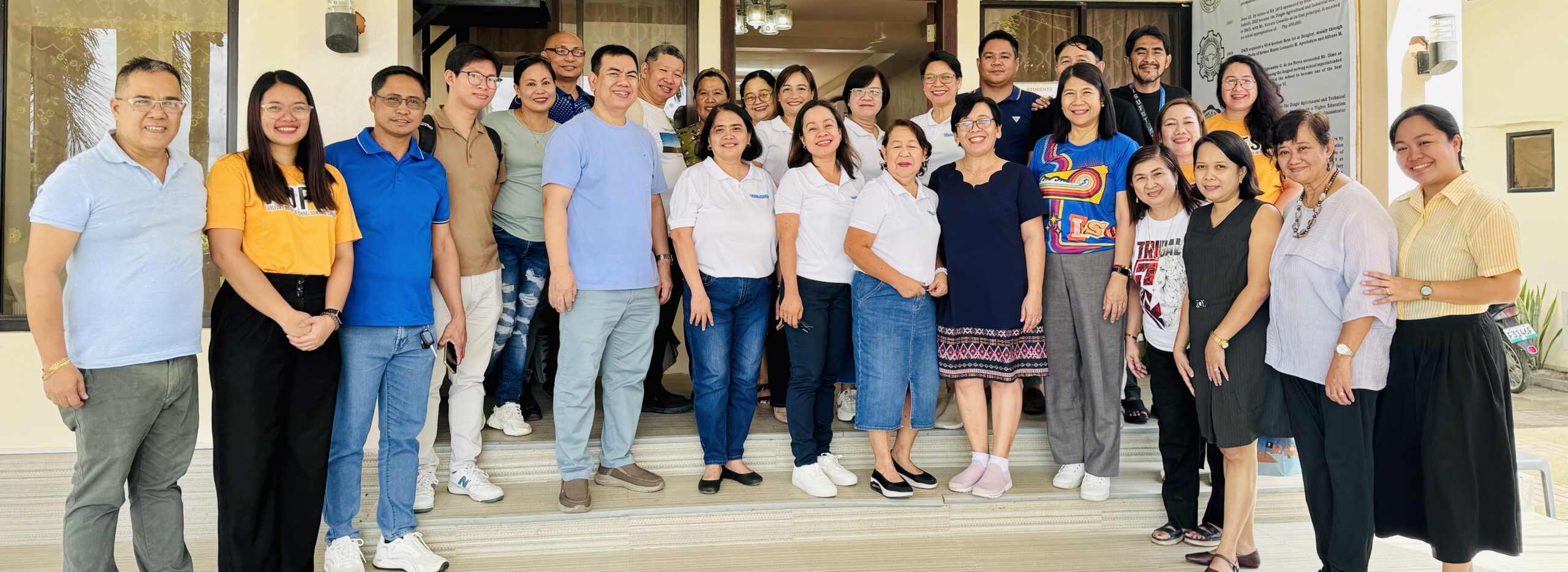
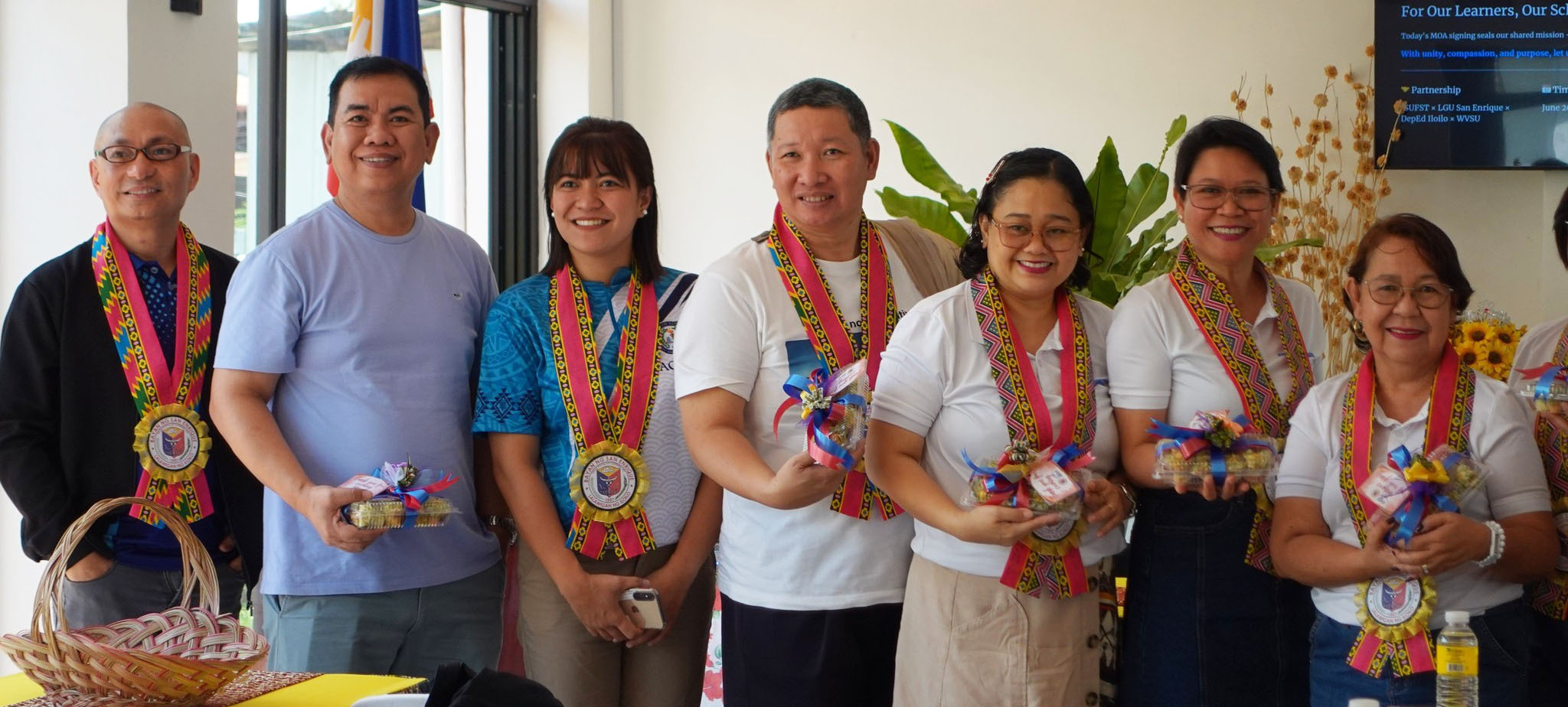
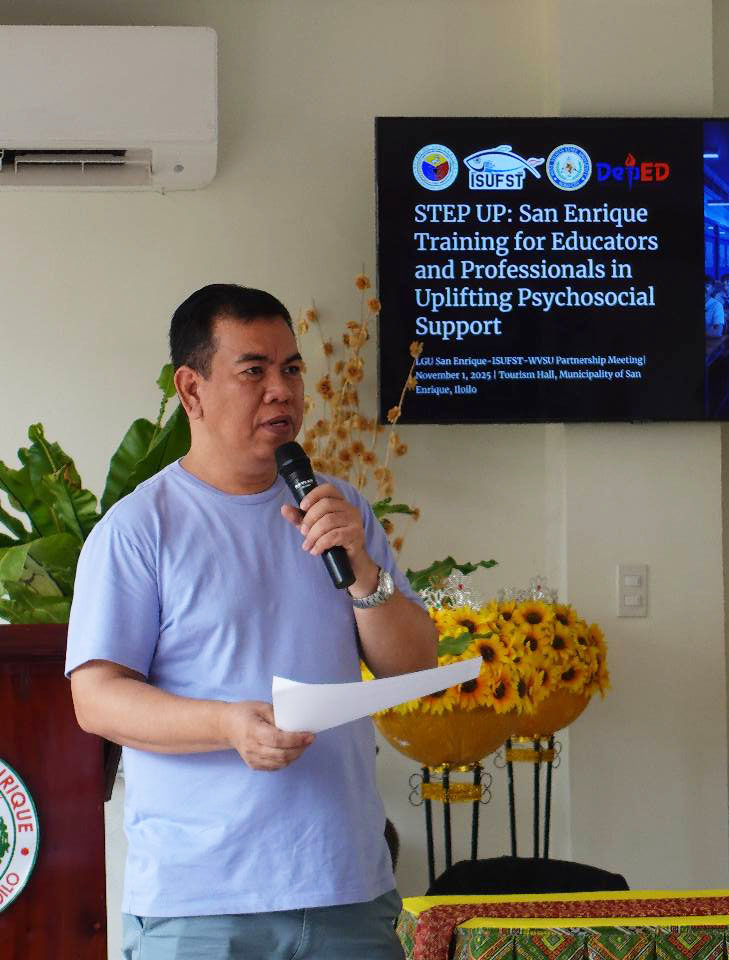
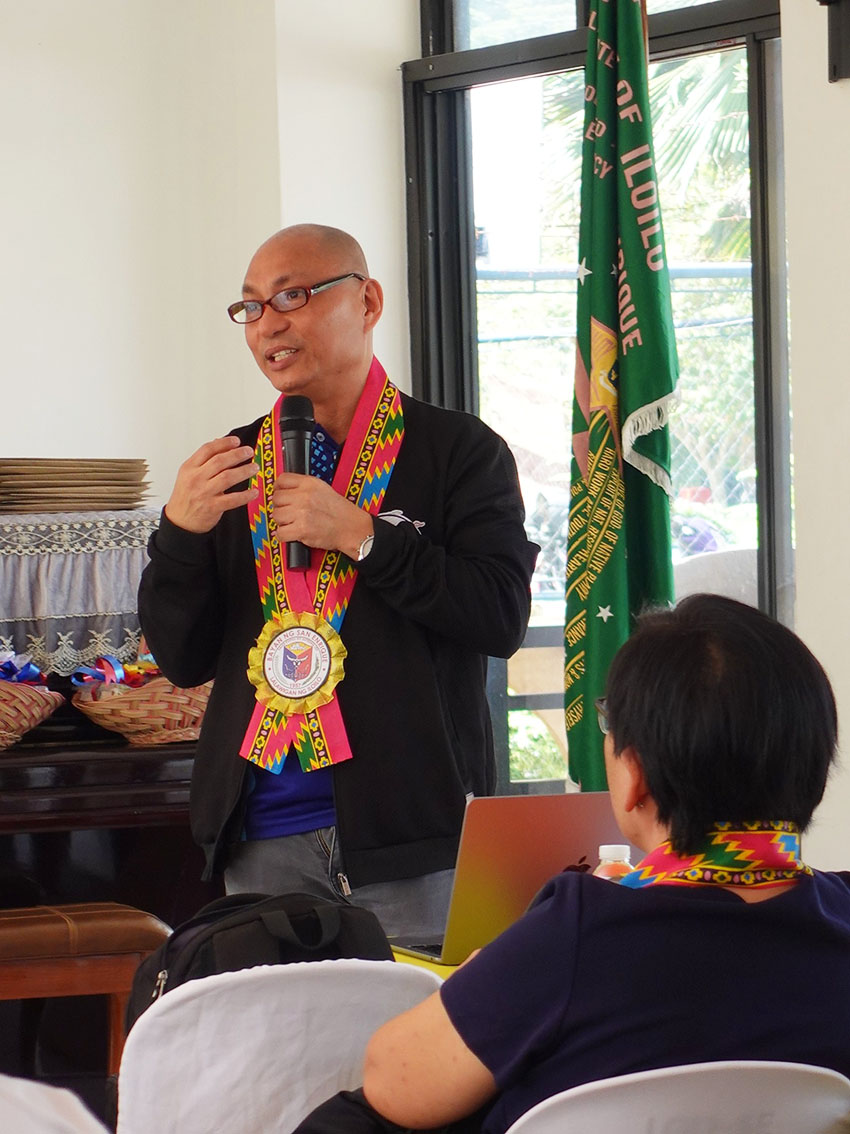
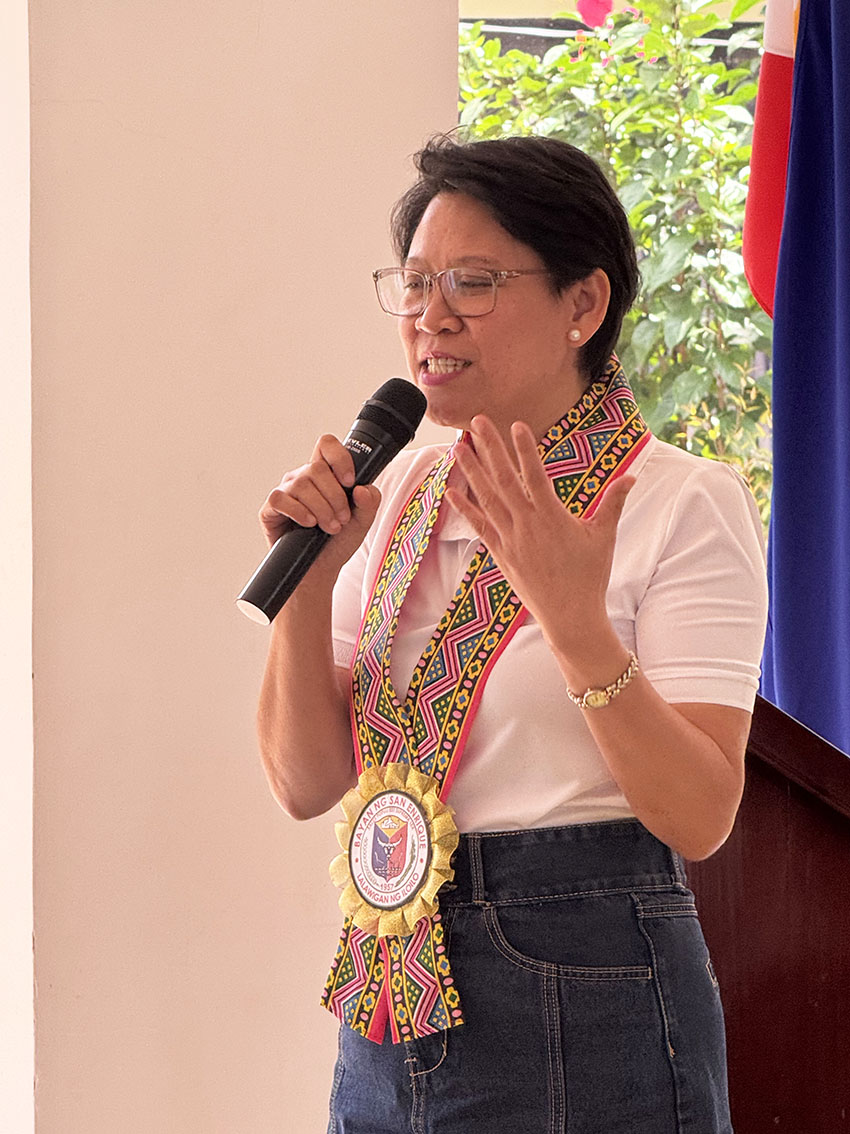
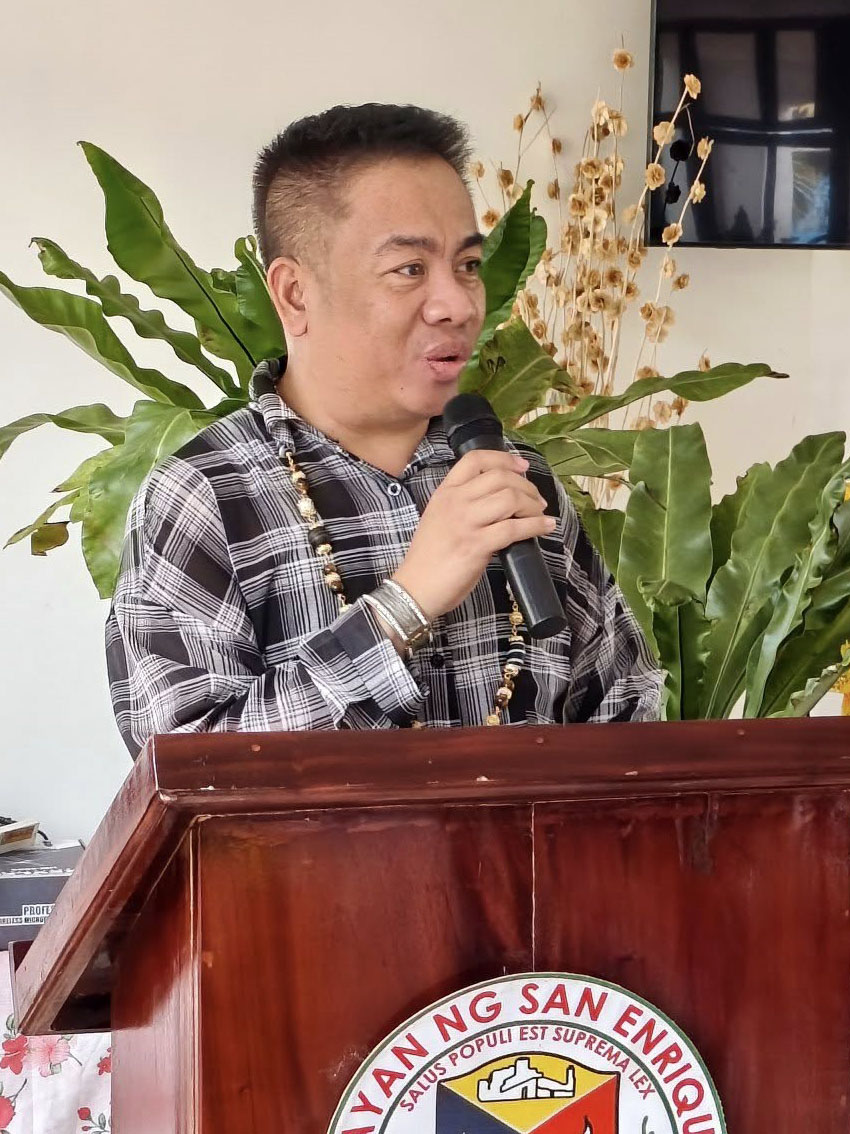
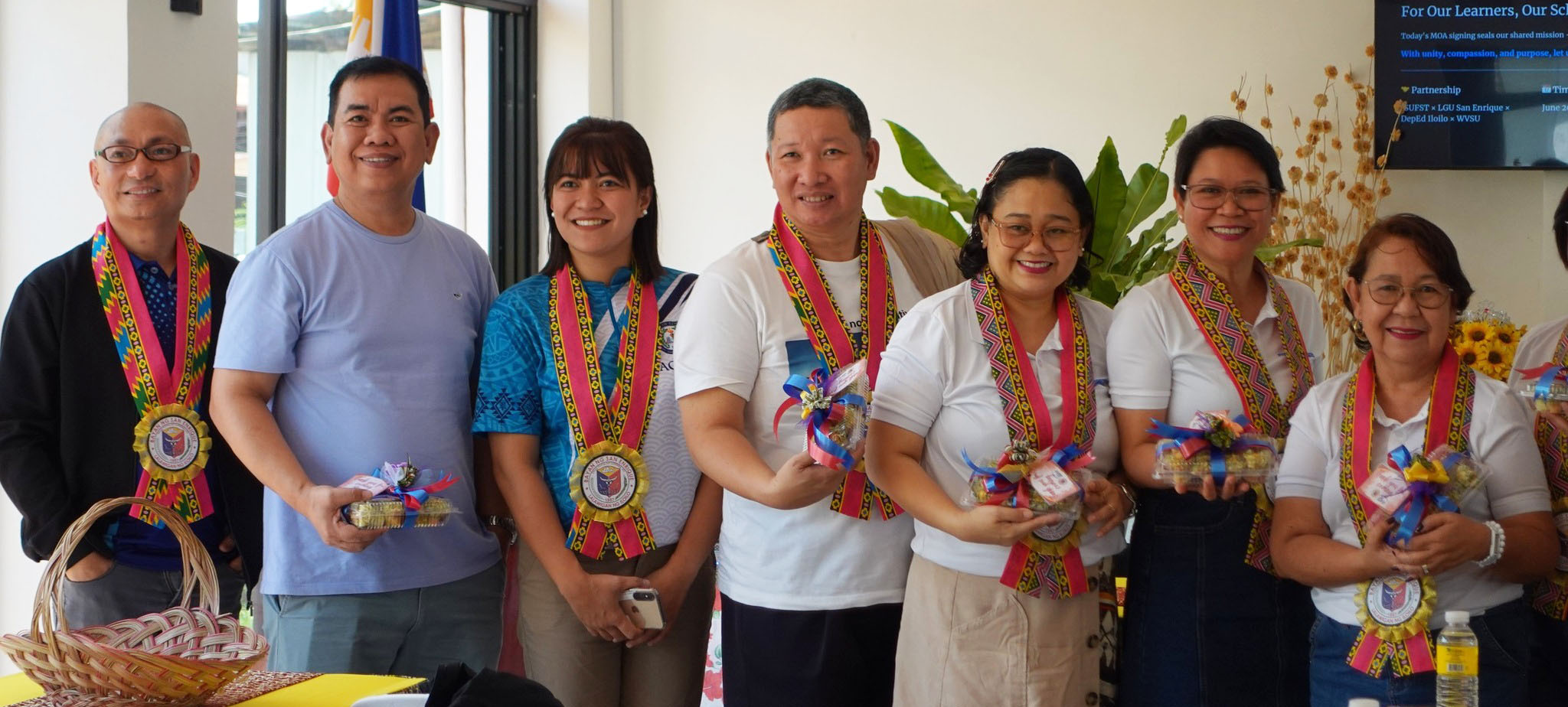
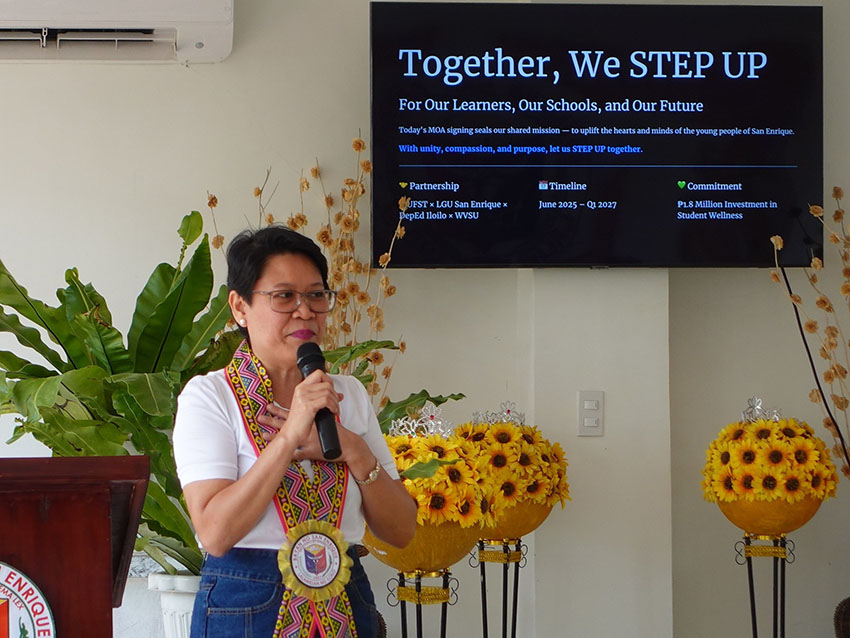
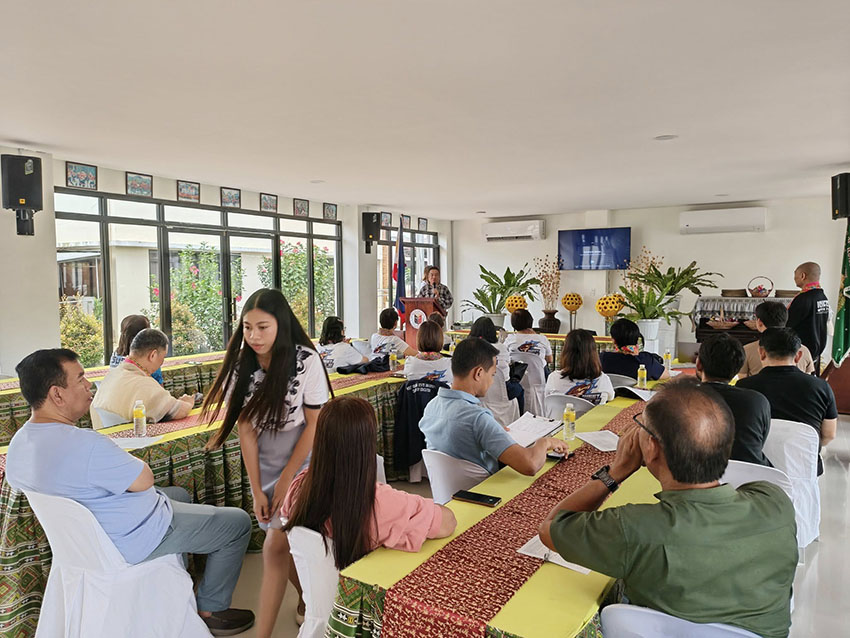
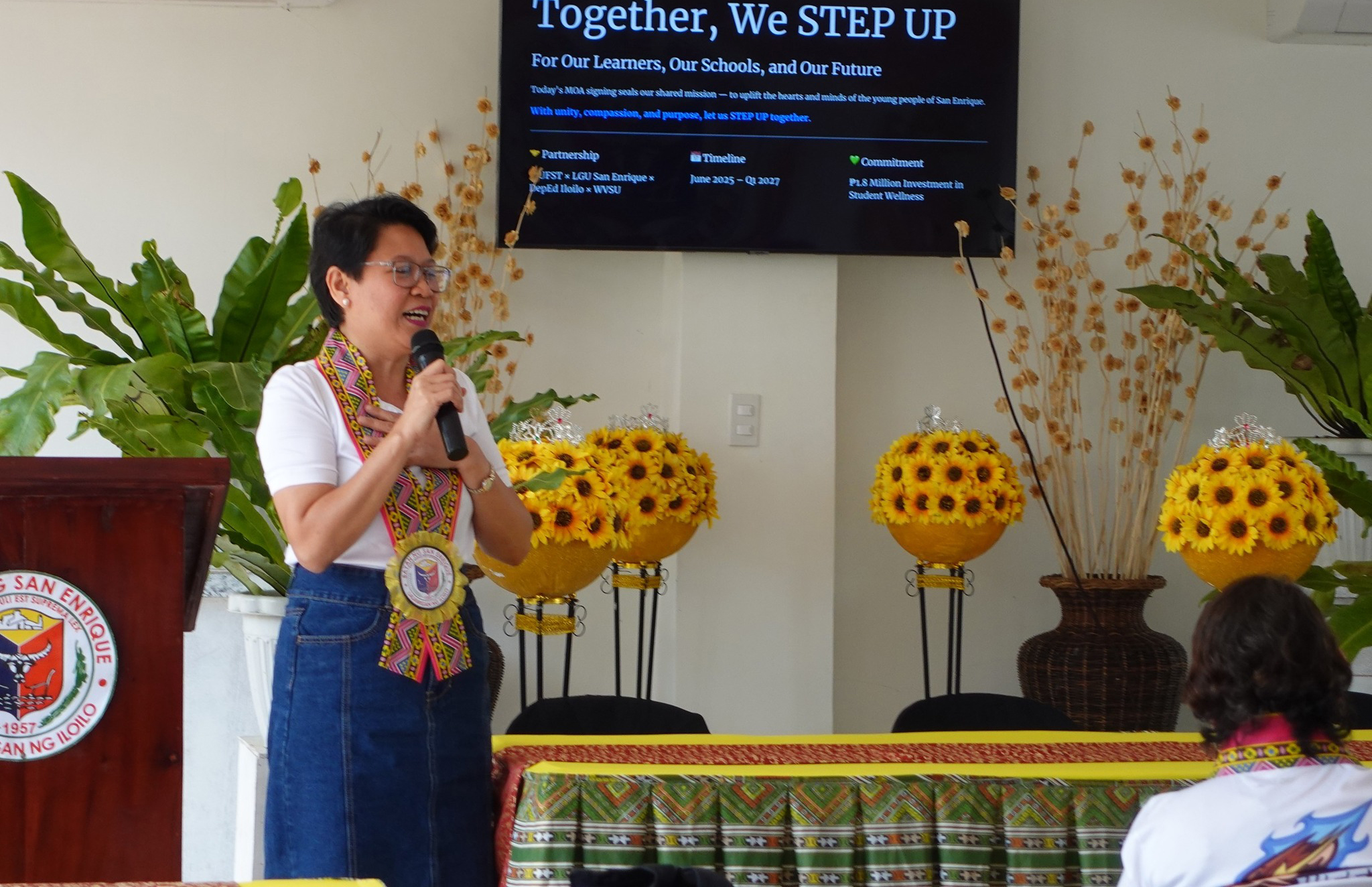
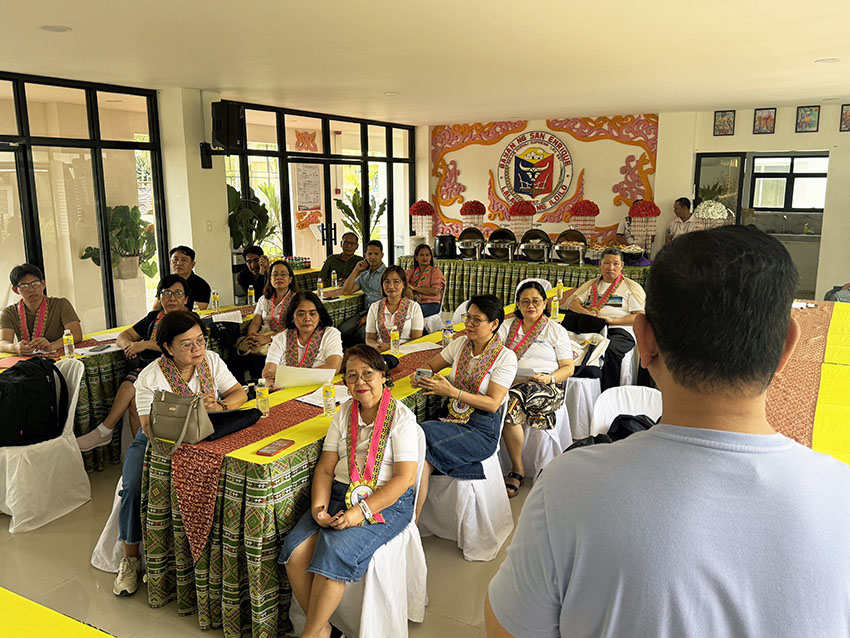
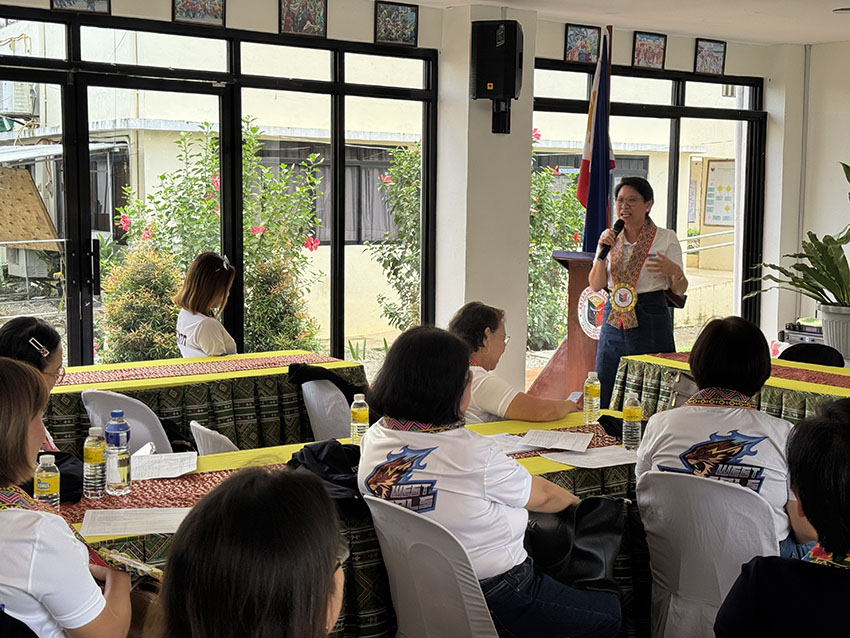
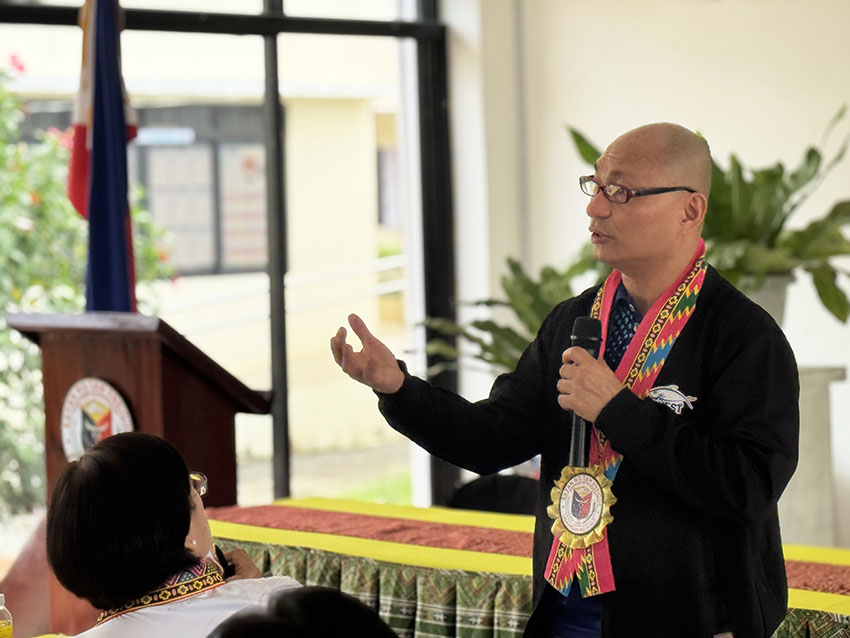
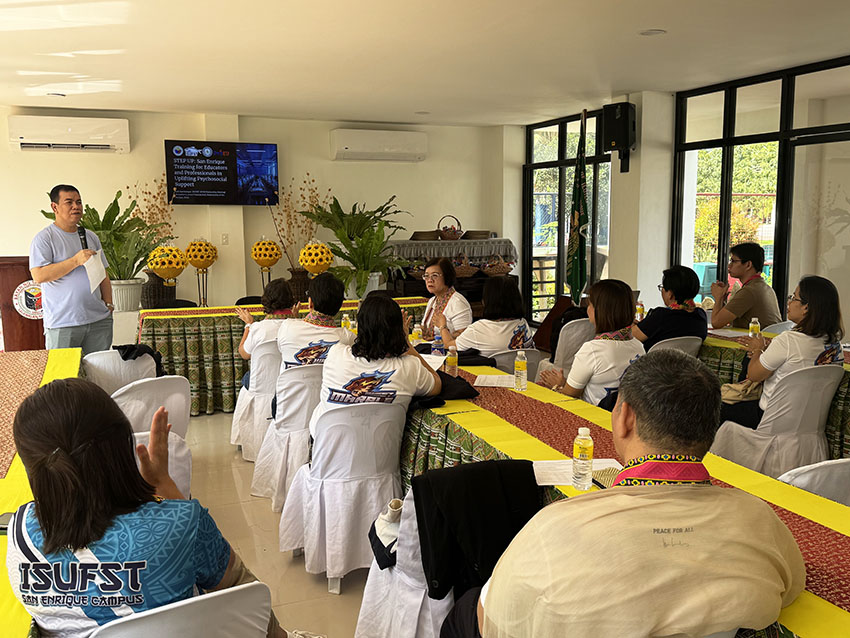
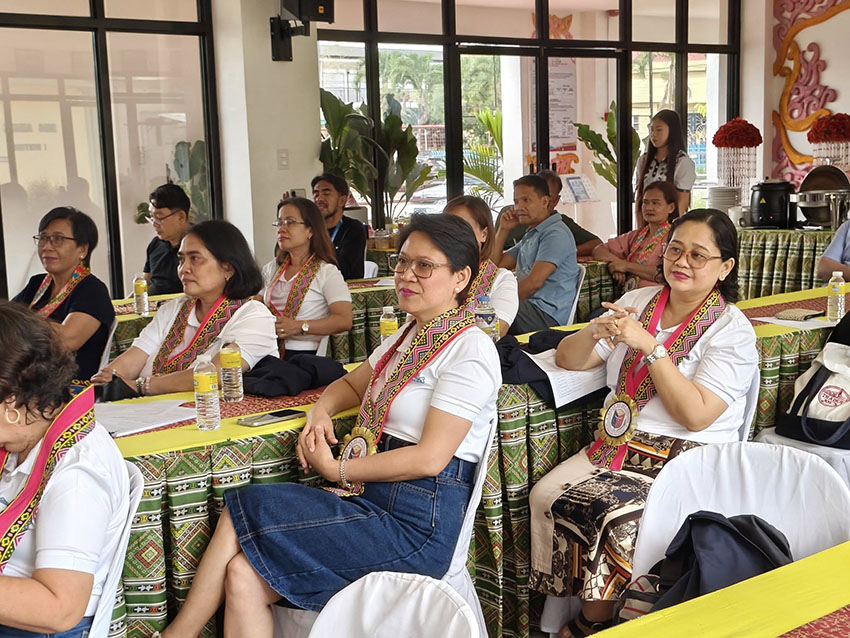
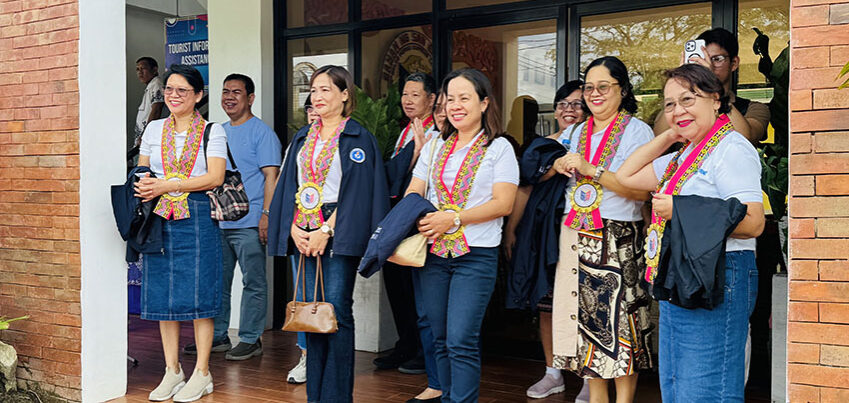
SAN ENRIQUE, Iloilo—Teachers and guidance designates from the Municipality of San Enrique experienced two days of further learning, collaboration, and planning in areas that are highly relevant nowadays. The Iloilo State University of Fisheries Science and Technology (ISUFST), in collaboration with West Visayas State University (WVSU) and the Local Government Unit of San Enrique, successfully finished Project STEP UP (San Enrique Training for Educators and Professionals in Uplifting Psychosocial Support) Phase 3 on June 25–26 at the Tourism and Cultural Center.
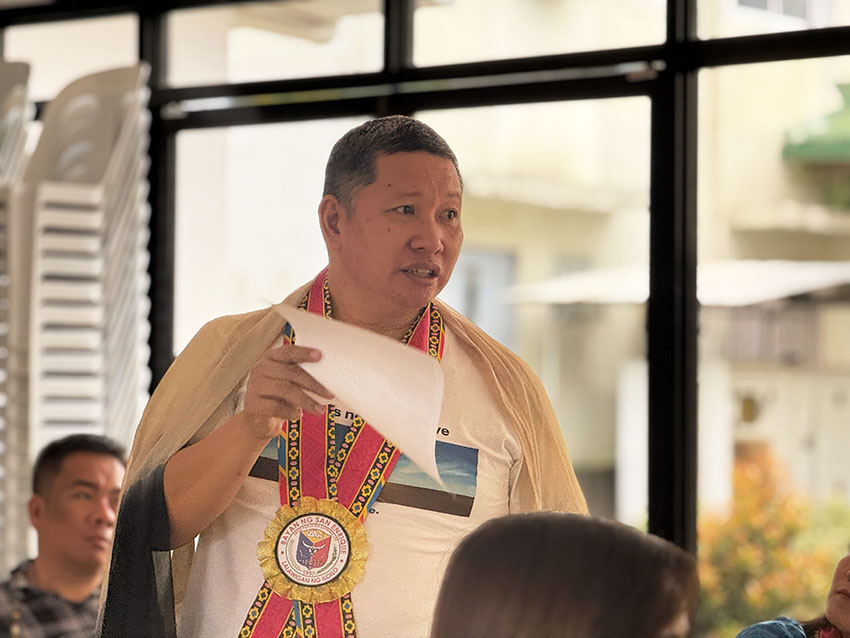
The third phase of the six-phase extension program of ISUFST was focused on Career Guidance and Bullying Prevention, providing participants with practical knowledge and school-based solutions that may be easily implemented in their schools. The activity is part of the continuous STEP UP effort to improve psychosocial support services and learner well-being in San Enrique.
Day one was designed to enable guidance designates and wellness advocates guide learners to make informed educational and career choices.
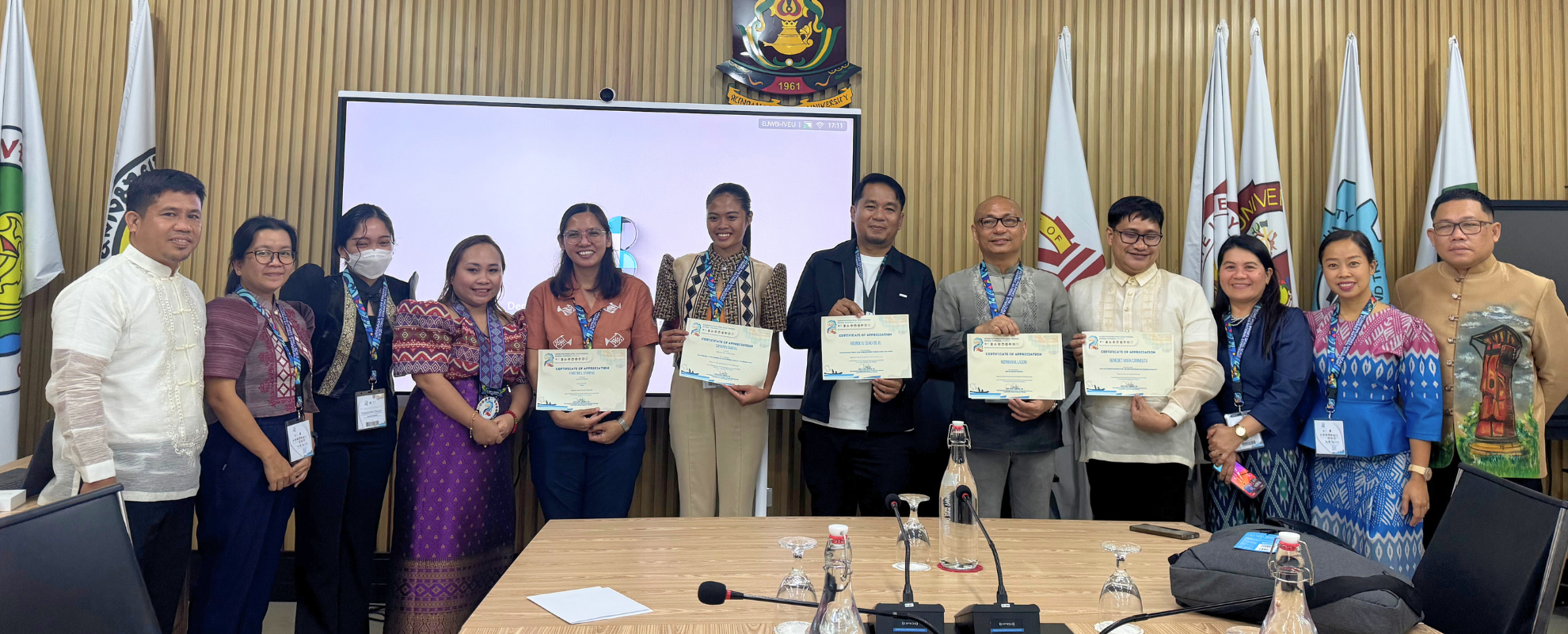
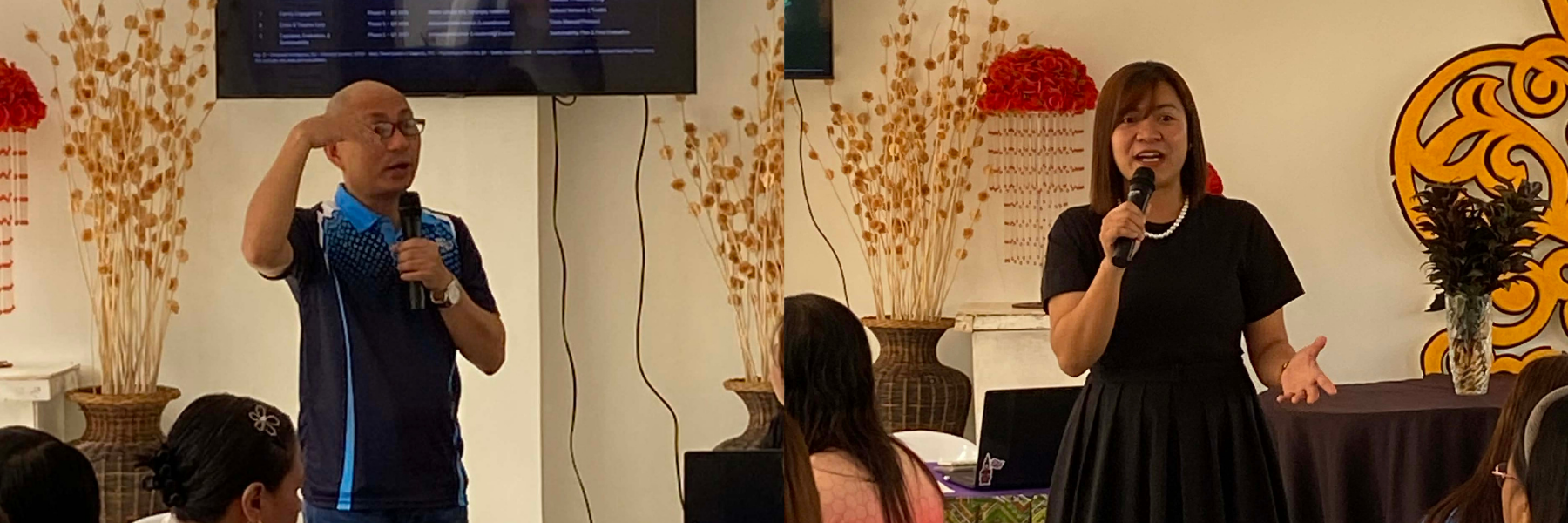
Dr. Herman M. Lagon, RGC, of ISUFST kicked off the talks through a session on Understanding Career Development Across the Lifespan. He emphasized that career guidance is not just about helping students to select a vocation. it is helping learners to identify their abilities, interests, values and goals and to make choices about their future.
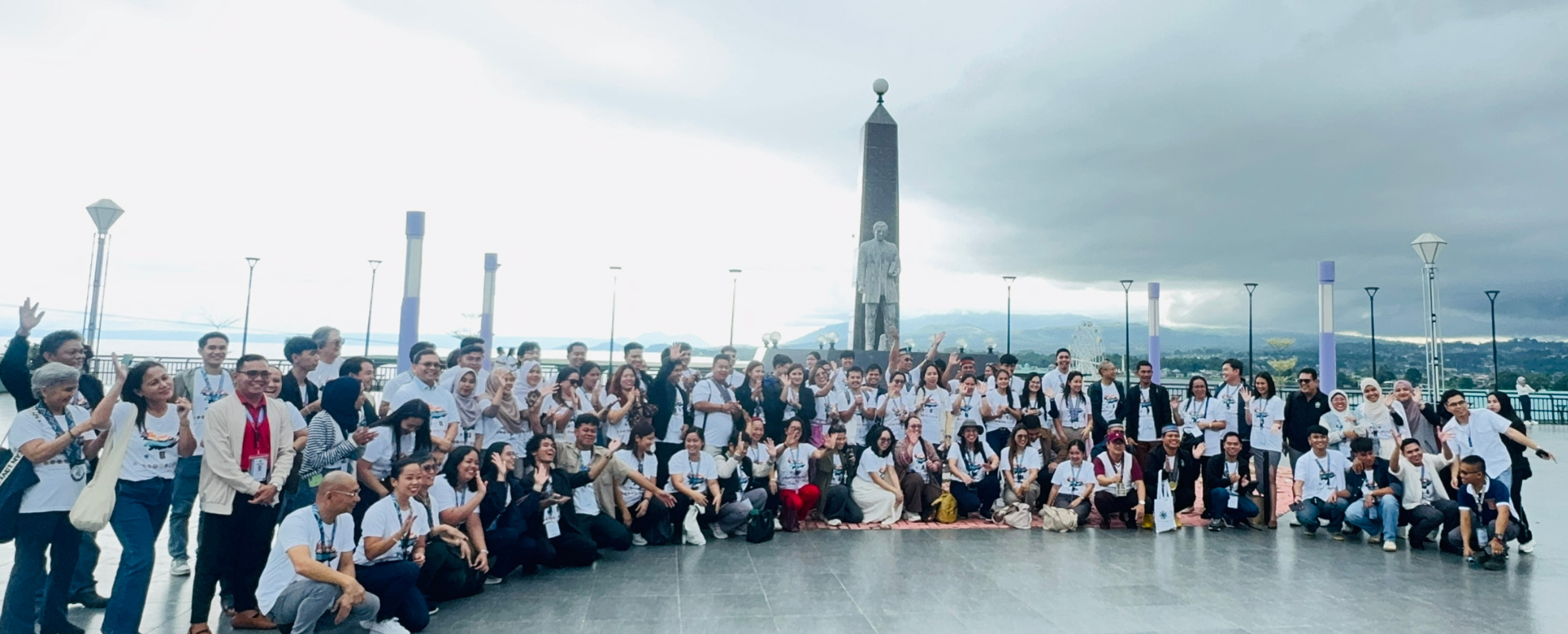
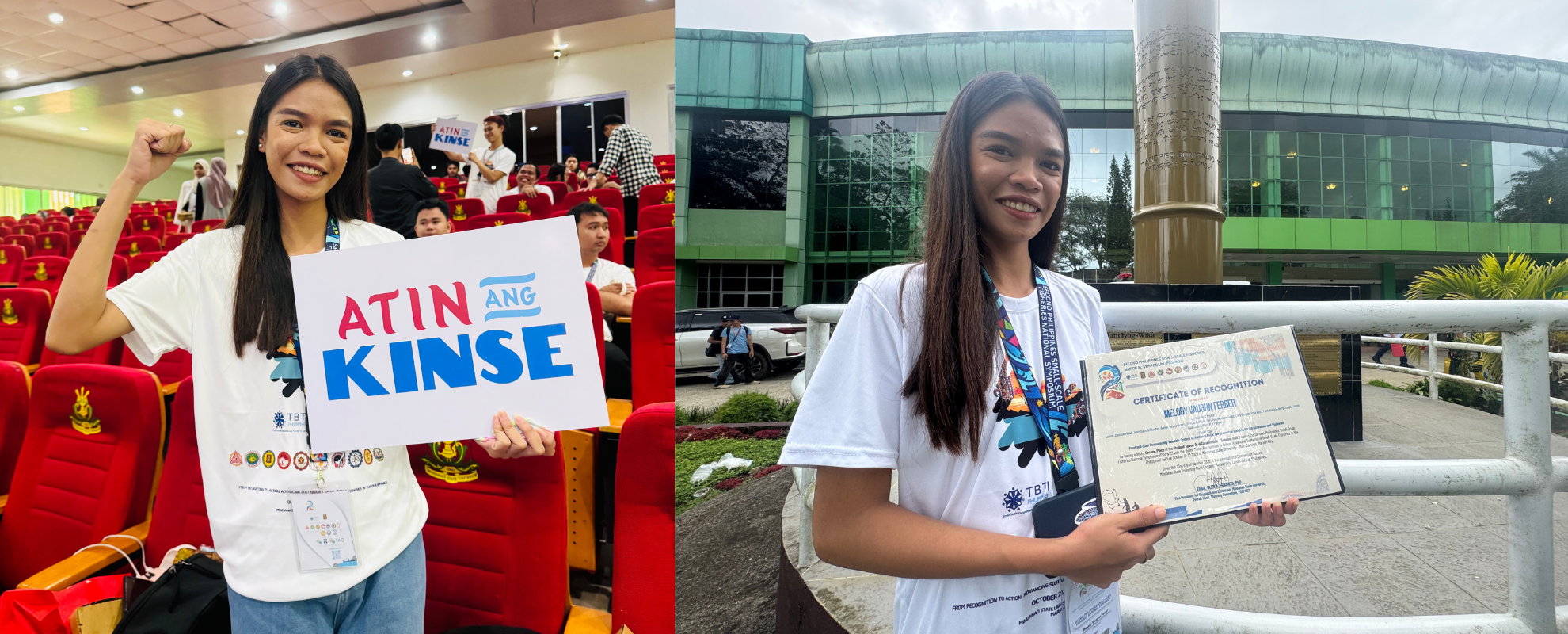
Prof. Jan Iris Faye M. Basbas, RGC, of WVSU gave a talk on how to determine the learners’ strengths, interests, and aspirations. Dr. Hilda C. Montaño, RGC, of WVSU, on the other hand, discussed the current career trends and opportunities in Iloilo and beyond to help participants relate career guidance to local and emerging employment opportunities.
Practical applications took center stage in the afternoon as Mrs. Junna Mari G. Pacardo, RGC, introduced career guidance tools and school-based activities, followed by a workshop on designing a Career Guidance Week facilitated by Dr. Imelda M. Arenga, RGC. The day concluded with a reflection session led by Ms. Keziah A. Lagarto, RGC, encouraging participants to envision the kind of future they hope to help create for their learners. All the three are guidance couselors from ISUFST.
On the second day, discussions shifted toward creating safer and more inclusive schools.
Dr. Rejie F. Palmos, RGC, of WVSU led sessions on bullying prevention, child protection, restorative practices, and conflict resolution, highlighting the importance of early intervention, empathy, and restorative approaches in resolving school concerns.
Ms. Roussel Justin B. Esmeralda, RGC, of ISUFST discussed Republic Act No. 10627 and the DepEd Child Protection Policy, helping participants better understand their responsibilities in protecting learners and responding appropriately to reported cases.
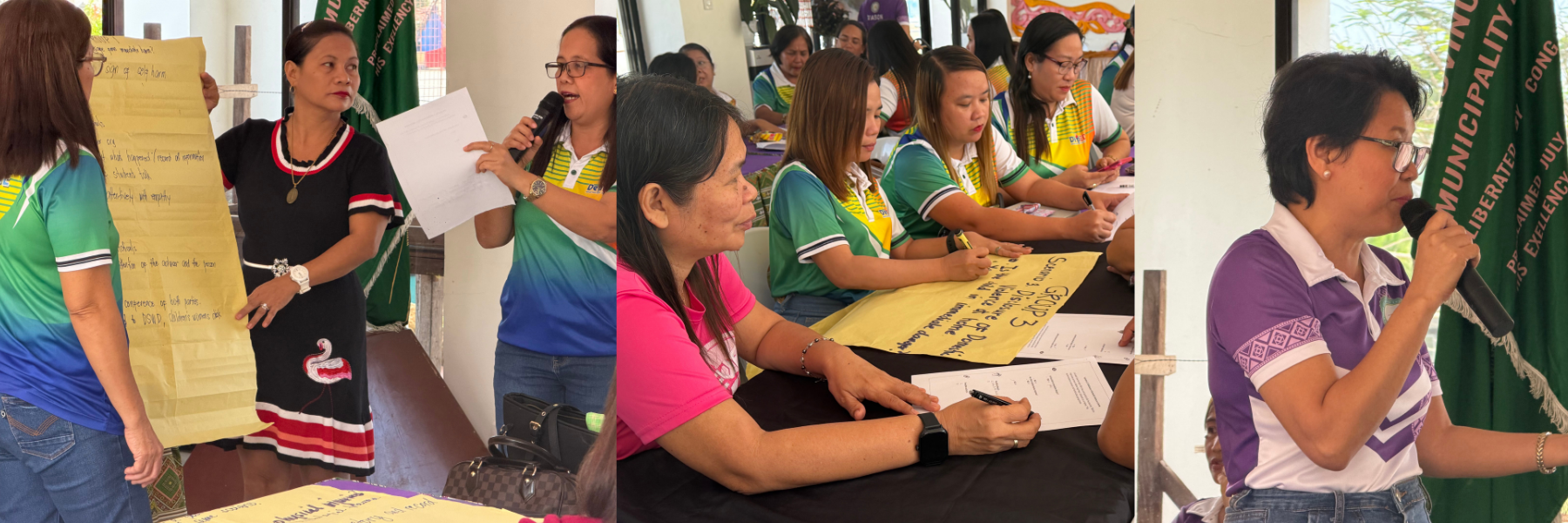
Participants then engaged in hands-on workshops. Dr. Lagon facilitated a session on Case Handling and Documentation, where participants analyzed school-based situations and practiced proper documentation and referral procedures. Prof. Ruby P. Faunillo, RGC, of ISUFST, guided participants in designing school-based anti-bullying advocacy campaigns, while Dr. Amabel T. Siason, RGC, of WVSU led the development of localized Child Protection Standard Operating Procedure (SOP) flowcharts.
The two-day activity brought together the participants to collaboratively work on outputs that they can implement in their respective schools. These outputs are Career Guidance Week Plans, Career Opportunities and Referral Matrices, Anti-Bullying Advocacy Plans, Child Protection SOP Flowcharts, and School Commitment Statements for Safe and Inclusive Schools. These outputs are intended to boost advisory services and learner protection programs in anticipation of School Year 2026–2027.
For ISUFST President Dr. Nordy D. Siason Jr., CESO VI, the success of STEP UP goes beyond the conduct of a training program. It is about building lasting partnerships that help schools better serve their learners.
“Every learner deserves a school where they feel safe, valued, and encouraged to dream. Through Project STEP UP, we are investing not only in the professional growth of our teachers and guidance advocates but also in the future of every child they will guide. Our partnership with the Municipality of San Enrique and West Visayas State University reflects our shared commitment to making quality education more responsive, compassionate, and inclusive,” Dr. Siason said.
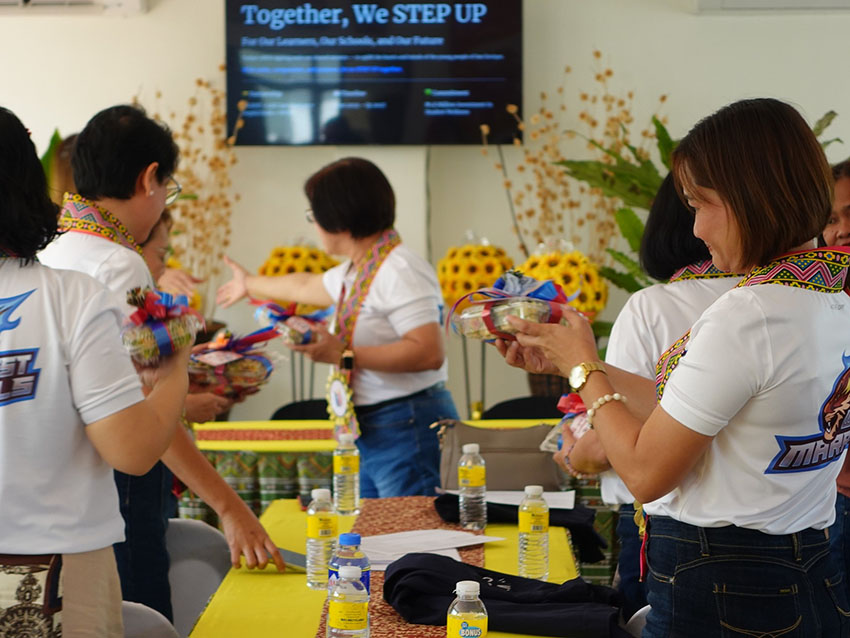
The activity ended with the STEP UP Safe Schools Commitment Rites, when participants literally took oath to advance the promotion of learner well-being, career preparedness, child protection and inclusive school communities through the plans they established throughout the training.
Project STEP UP continues to highlight the need of partnerships between higher education institutions, local government and schools in establishing stronger systems of support for learners. Building on the expertise of guidance counselor-volunteers from ISUFST and WVSU, and with the support of the LGU of San Enrique, the initiative continues to equip educators with practical tools that help learners discover their potential while ensuring that schools remain safe, inclusive and nurturing environments for all.
Project STEP UP will continue with Phase 4 on August 27–28, focusing on Parents Engagement and the Review and Evaluation of Participants’ School-Based Implementation of the strategies and outputs developed during the earlier phases. (PAMMCO)
#ISUFSTISDAFirst #ISUFSTCommunity #STEPUPtoCare #ProjectSTEPUP #CareerGuidance #SafeSchools #ChildProtection #ISUFST #ISUFSTMIS #PAMMCOAmbassadors #PAMMCOStoriesThatMatter

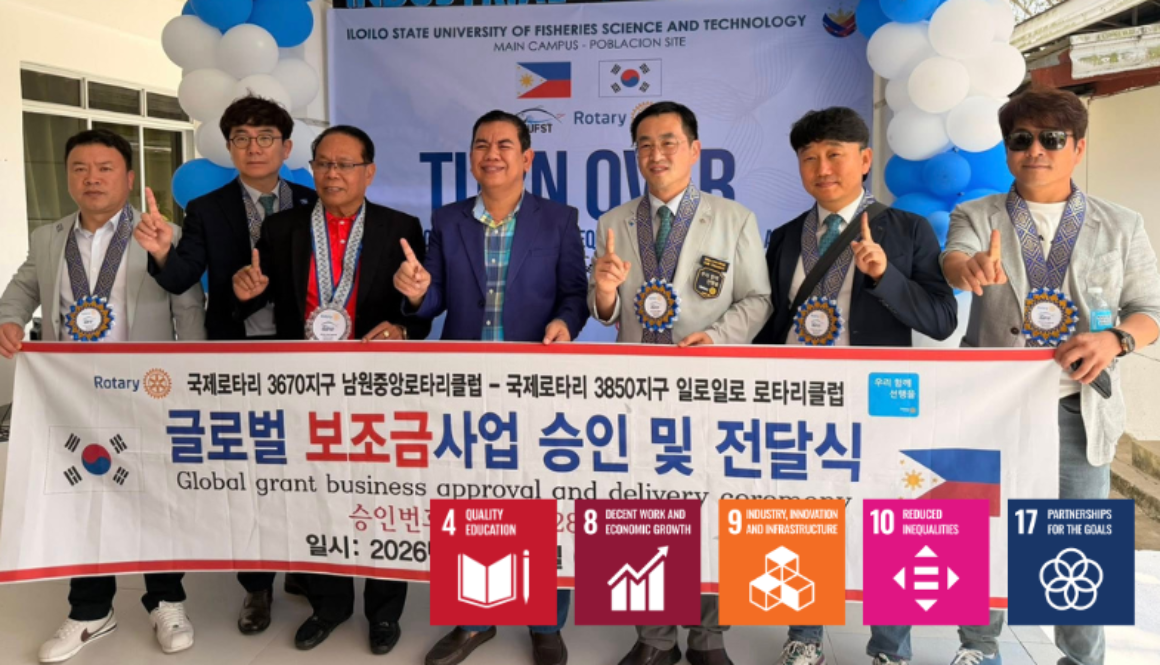
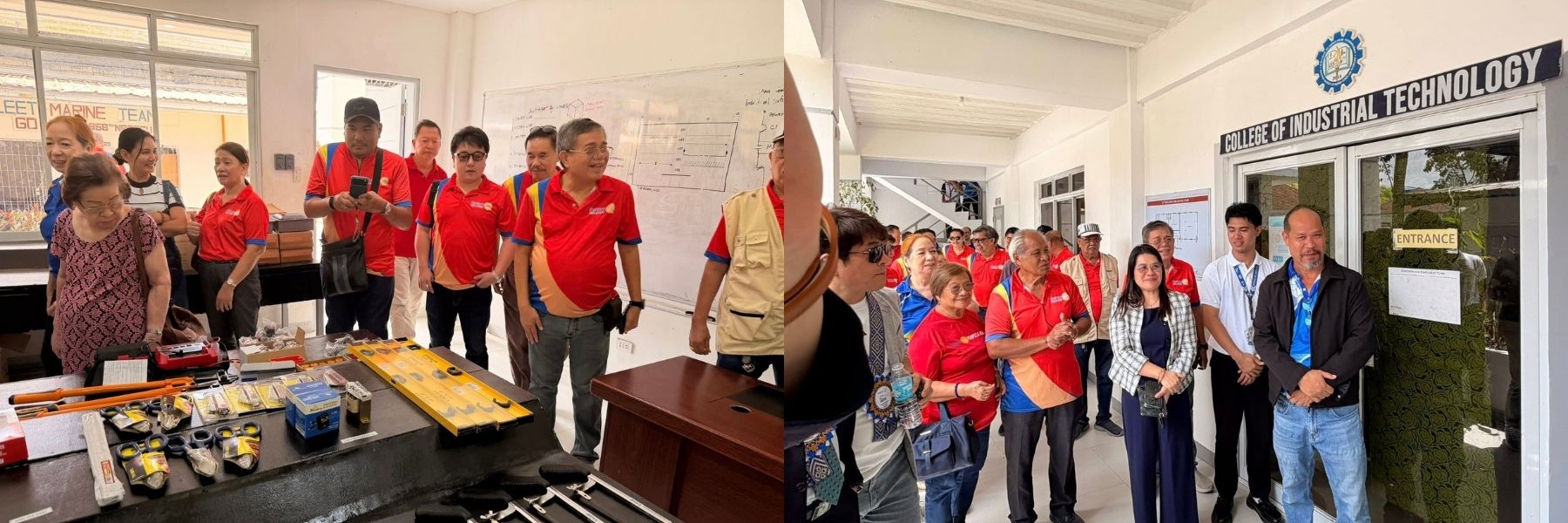
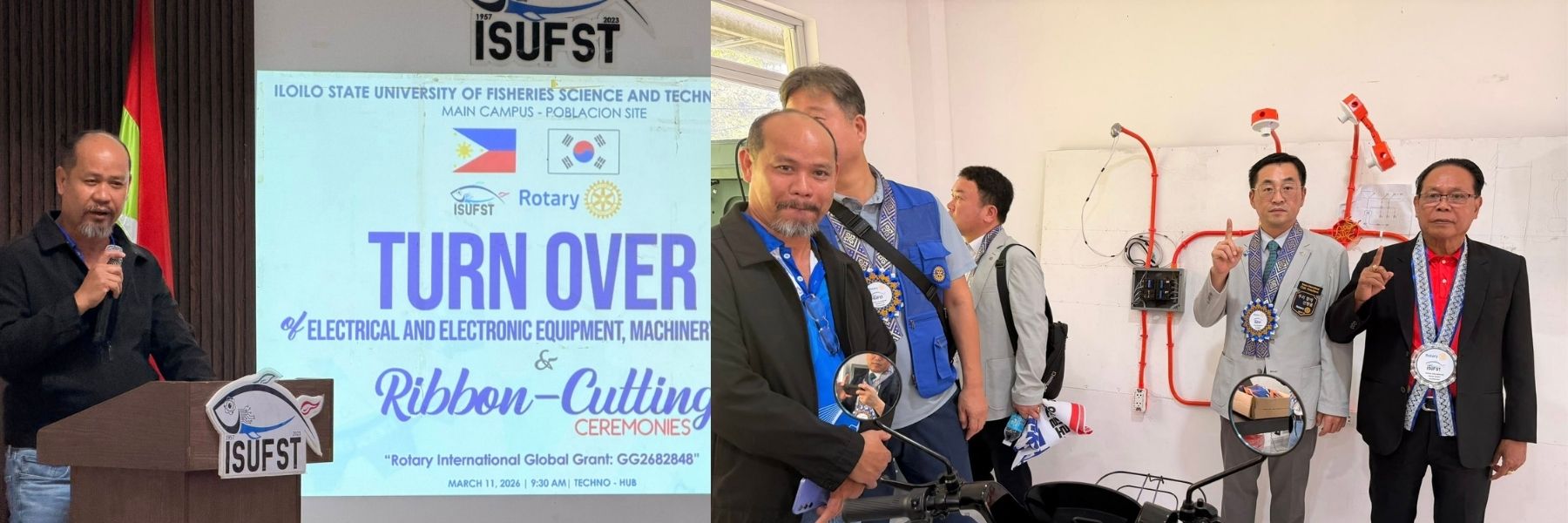
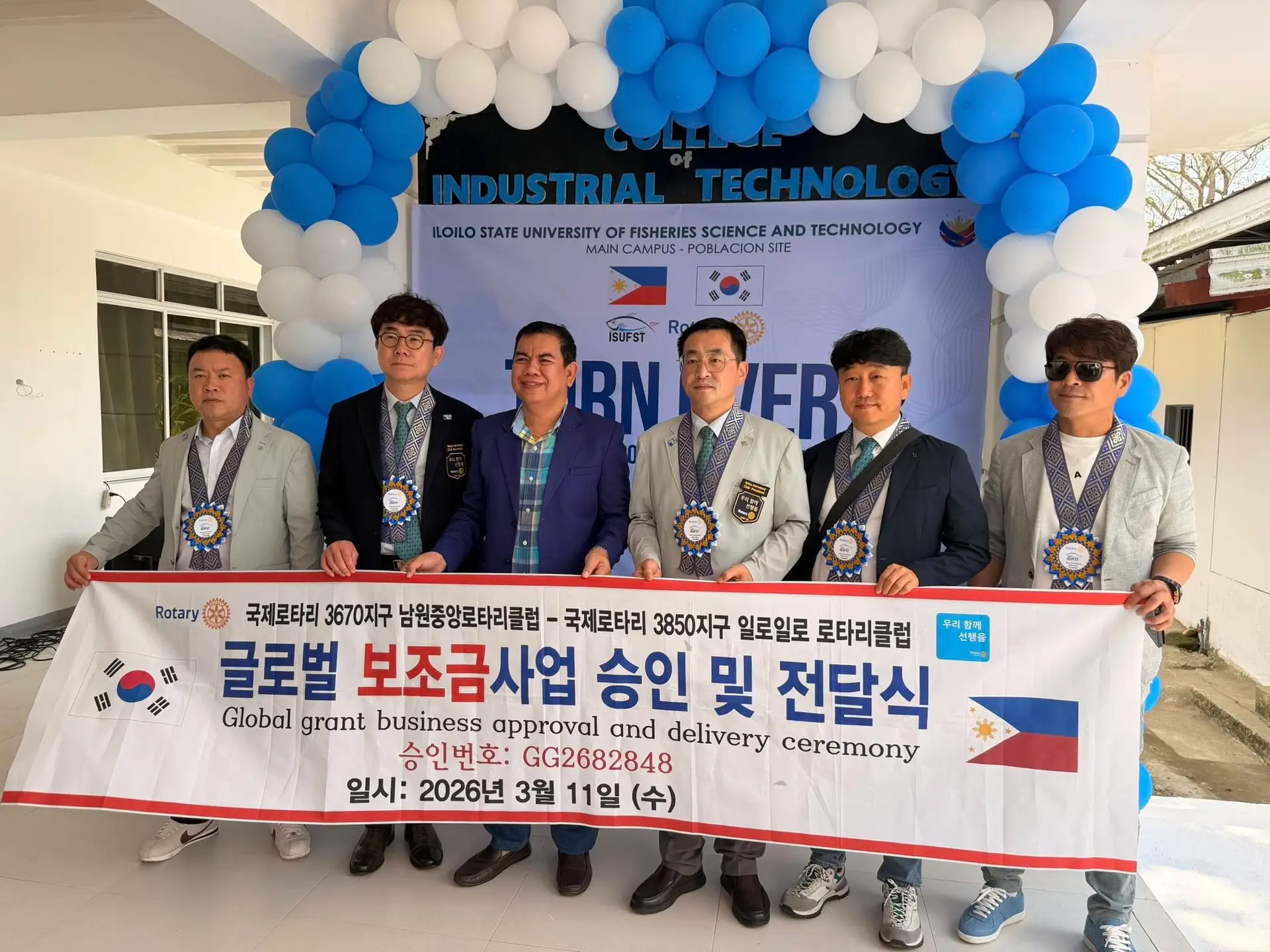
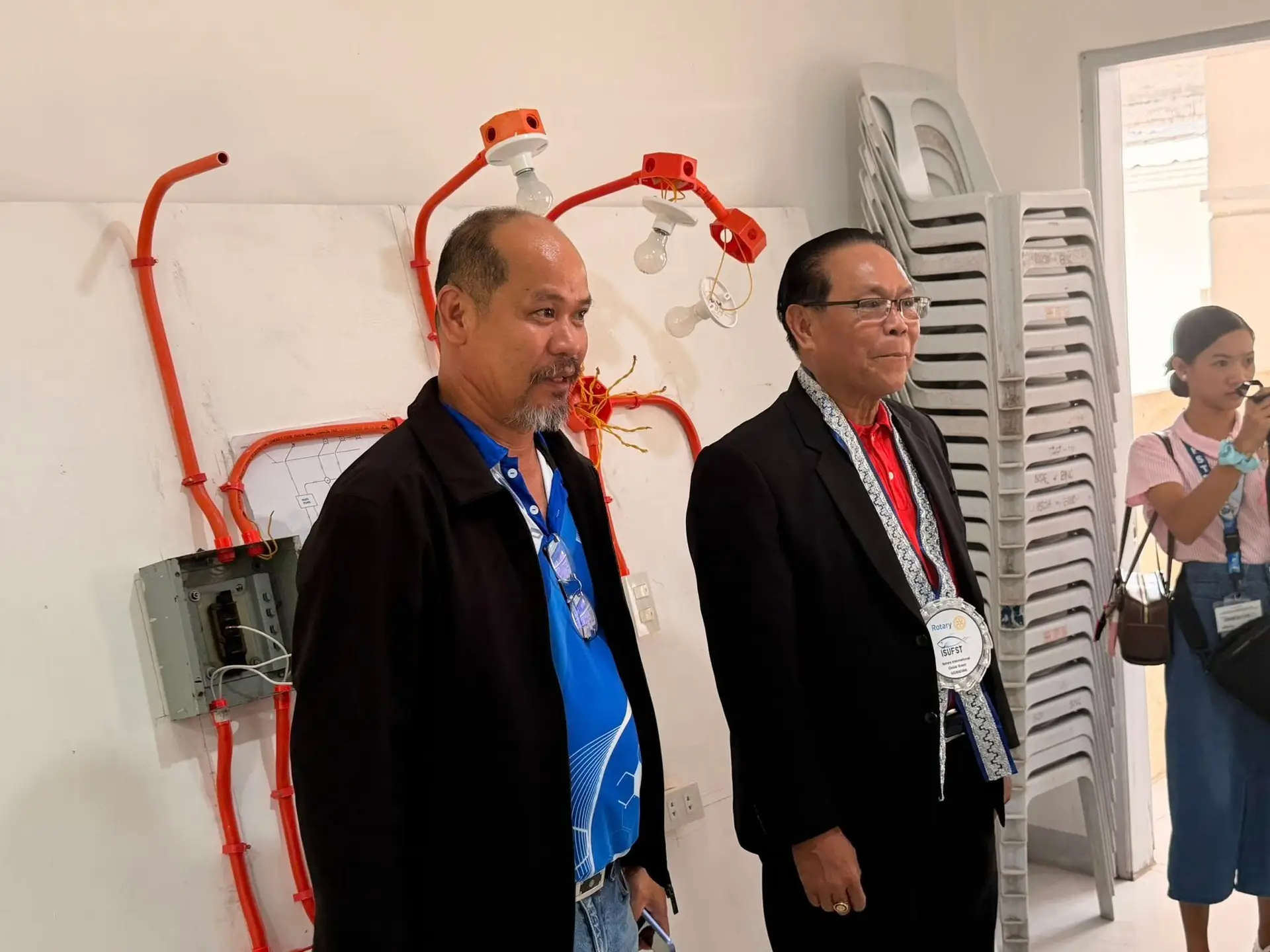
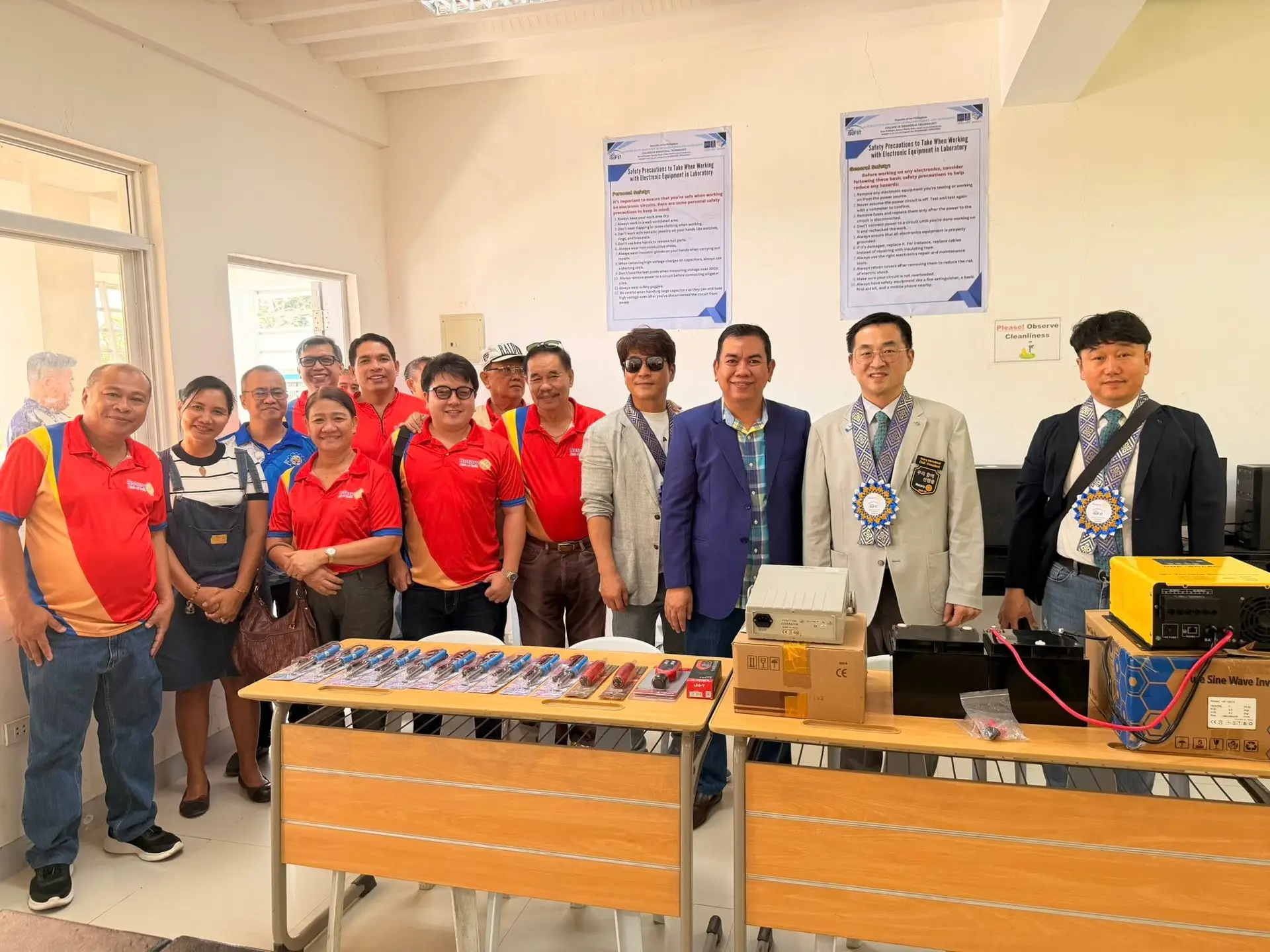
“Because of these tools, we are more confident that our practical training will prepare us for real work, business, and professional life.” With those words of gratitude, Jerobe Arce, a fourth-year PWD automotive student of the College of Industrial Technology (CIT) at the Iloilo State University of Fisheries Science and Technology (ISUFST), capped the successful turnover ceremony of electrical and electronics equipment worth ₱1.89 million donated through a Rotary Global Grant this Wednesday, March 11, 2026, at the ISUFST TechnoHub, Main Campus–Poblacion Site in Barotac Nuevo, Iloilo.
Arce, who is currently completing his internship at F&E Enterprises in Iloilo City, thanked the Rotary Club of Namweon Central in South Korea (District 3670) and the Rotary Club of Iloilo (District 3850) for continuing to invest in the skills development of ISUFST students. “These equipment, machinery, and tools will ensure that our training becomes more complete and more relevant to the industries we hope to serve,” Arce said in a mix of Hiligaynon, English, and Korean, ending his testimony with a heartfelt “Kamsahamnida” to the visiting Korean Rotarians.

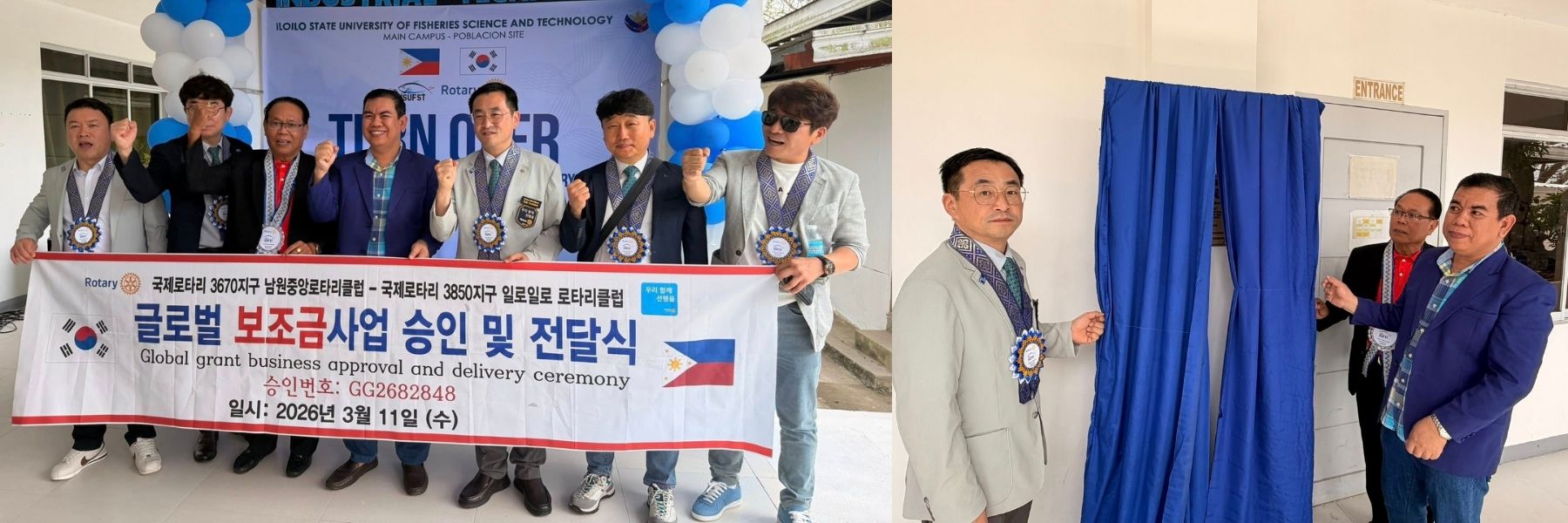
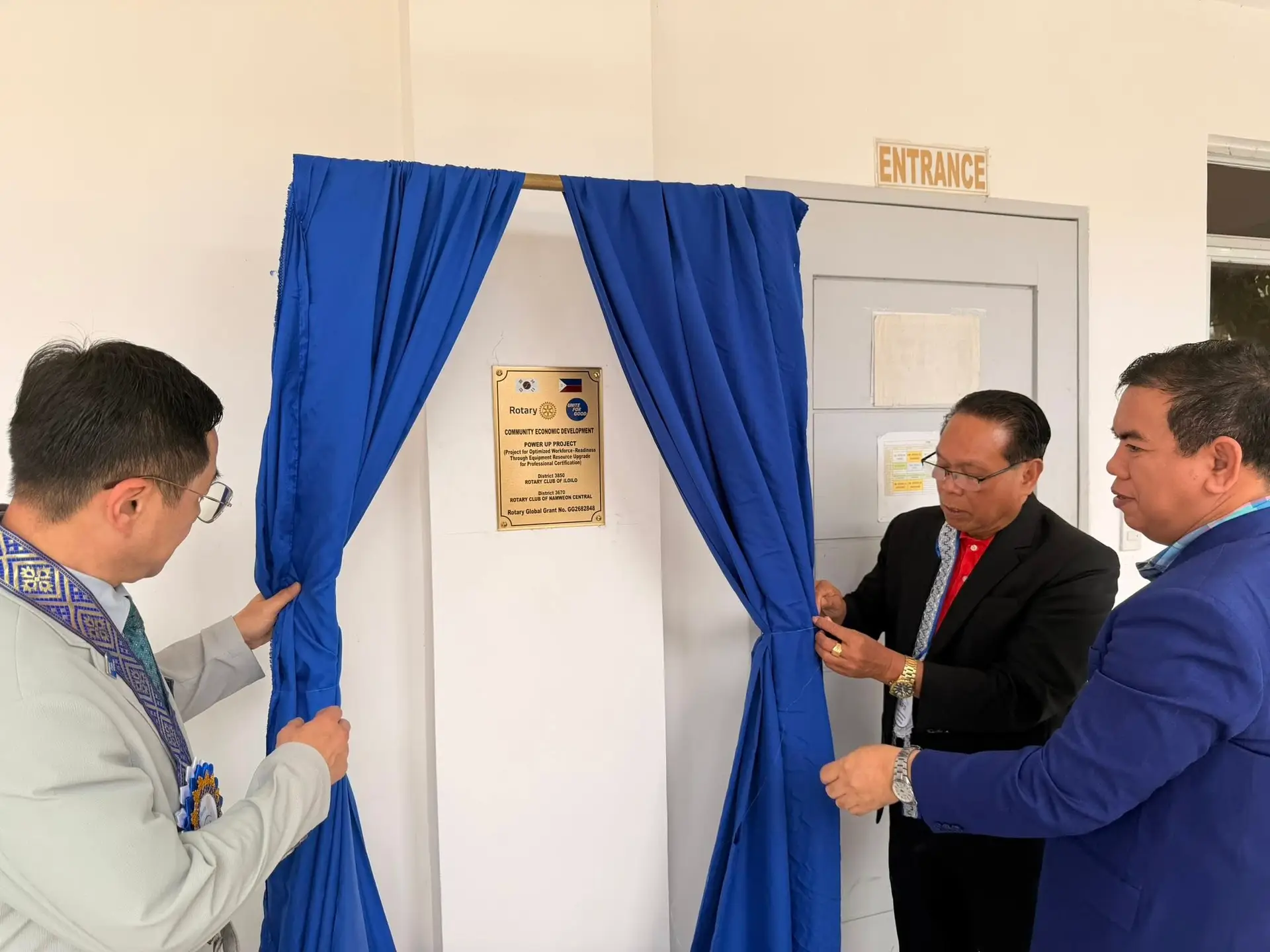
The ceremony marked the formal turnover of equipment under the Rotary Global Grant GG2682848 for the project POWER UP: Project for Optimized Workforce-Readiness Through Equipment and Resource Upgrade for Professional Certification.
Strengthening workforce readiness.
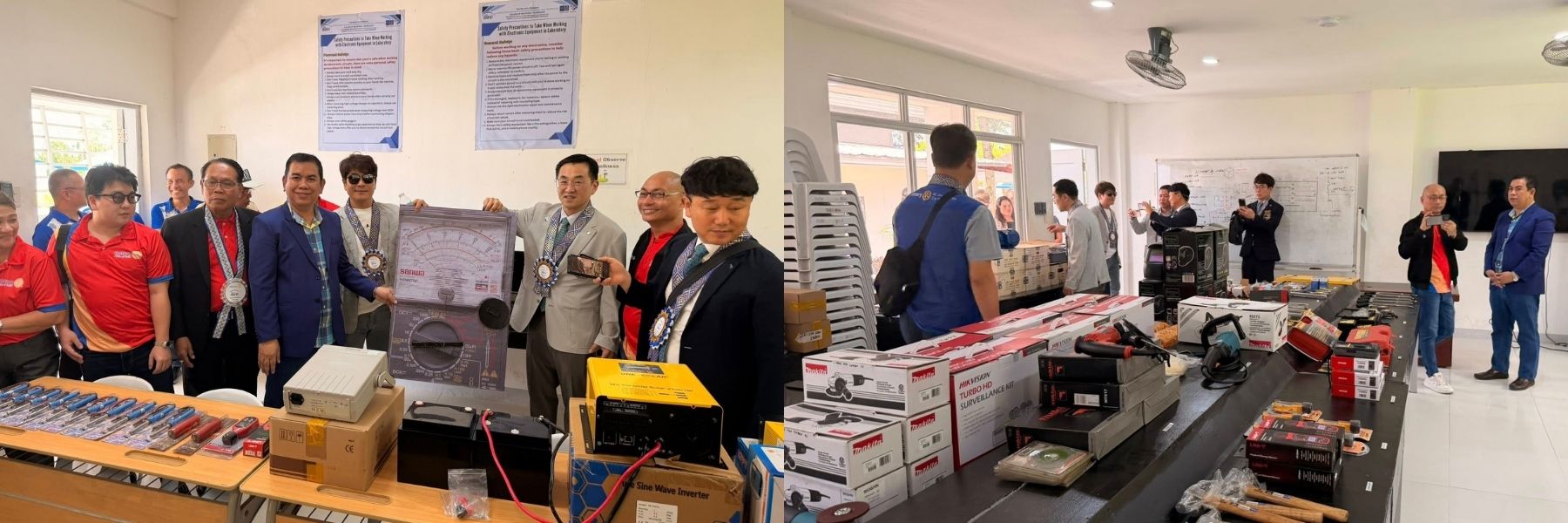
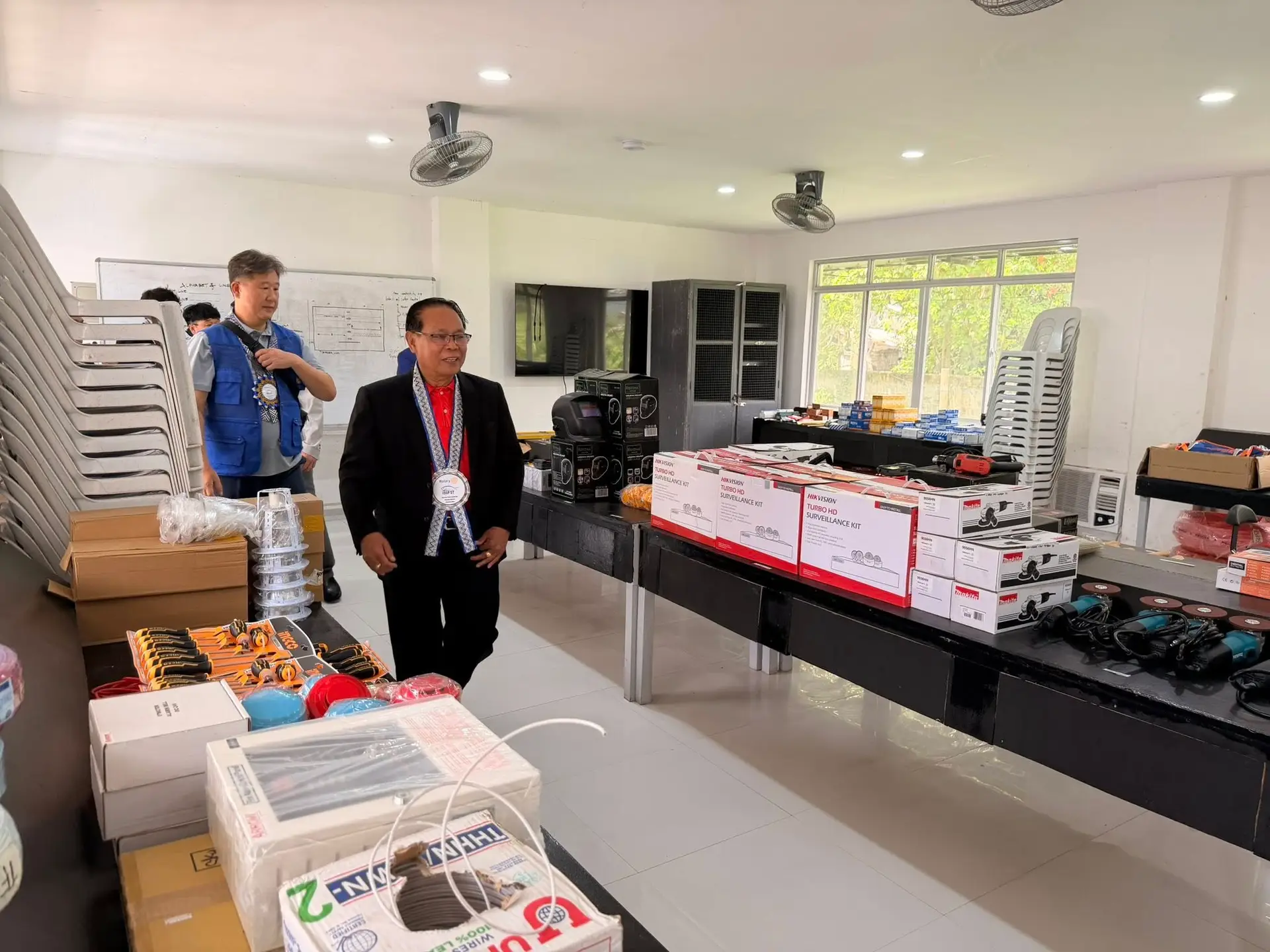
The grant will support the university’s Bachelor of Industrial Technology (BIT/BIndTech) program by upgrading laboratories used for Electrical Installation and Maintenance (EIM) and Electronic Products Assembly and Servicing (EPAS) training. The new equipment includes electrical installation trainers, digital multimeters, soldering stations, function generators, solar power training systems, electronic servicing tools, electronic appliances, and industrial control components aligned with TESDA certification standards.

The upgrades are expected to benefit more than 450 students and community learners each year, many of whom come from farming, fishing, and other low-income households in nearby municipalities. ISUFST President Dr. Nordy Siason Jr. said the project strengthens the university’s mission to produce graduates ready for real-world work environments.
“Projects like POWER UP ensure that our students train with tools that mirror actual industry standards. This is not only about equipment—it is about building confidence and competence among our learners,” Siason said.

International partnership for education
The project highlights the growing collaboration between ISUFST and Rotary partners in the Philippines and South Korea. RC Namweon Central President Changhun Lee thanked the university and its Rotary partners for the warm reception. After the ceremony, the Rotarians toured the CIT laboratories to see the new facilities. For Rotary Club of Iloilo President Dr. Lucio Encio, the project shows the power of partnerships. “Supporting education and skills training helps communities grow and gives young people real opportunities,” he said.
A growing partnership
According to Dr. Herman Lagon, Rotary Global Grant project head and ISUFST director, the initiative builds on the growing collaboration between the university and Rotary partners. “This project shows how global partnerships can empower local communities through education and skills development. With modern training facilities, our students will have stronger pathways to employment and entrepreneurship,” Lagon said.
Strengthening CIT training capacity
For the College of Industrial Technology, the equipment significantly enhances the university’s capacity to deliver industry-relevant technical education.

CIT Dean Dr. Rodel Dosano noted that the upgraded laboratories will help ensure that students receive training aligned with current technological standards.
“These facilities allow us to provide deeper hands-on learning. Our students will now train using tools and systems that reflect the realities of modern electrical and electronics industries,” Dosano said.
Ceremony highlights.
The program began with the welcoming of guests—upon arrival by the CIT and College of Management students and in the function hall by the ISUFST KI-AY Dance Group and faculty singers. This was followed by the opening ceremony which singing of the Korean National Anthem, Philippine National Anthem, ISUFST Hymn, and Rotary Hymn, as well as the Recitation of the Rotary Four-Way Test. Dr. Siason delivered the welcome remarks, while Dr. Lagon presented the significance of the partnership and turnover.
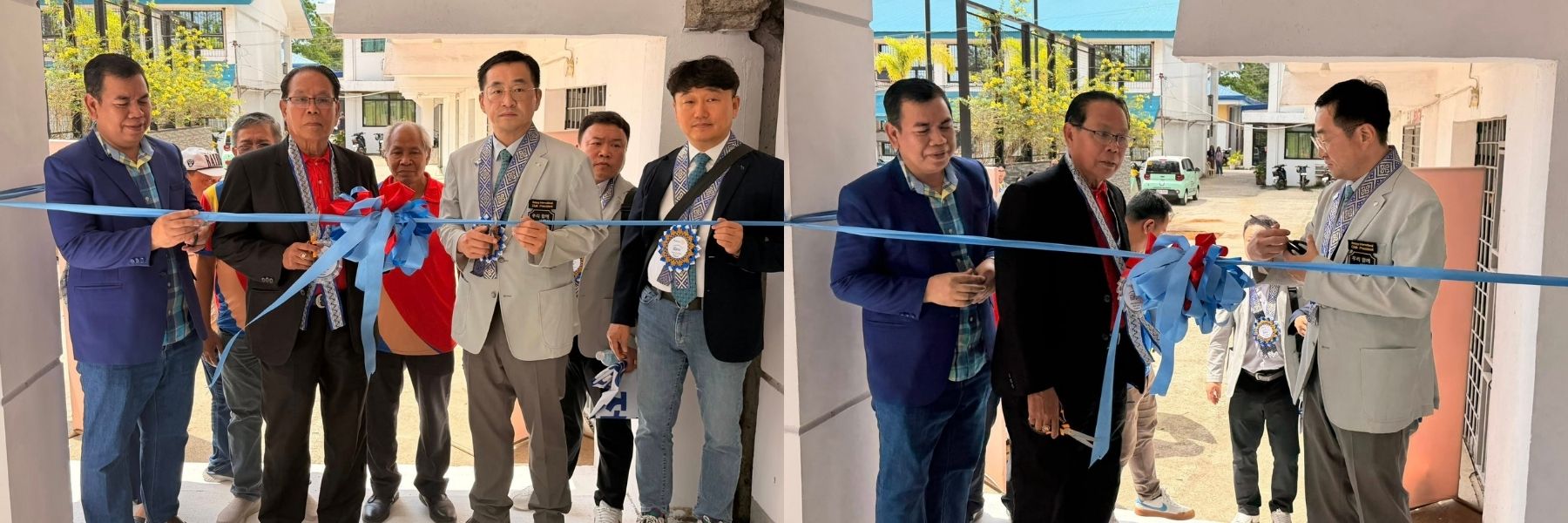
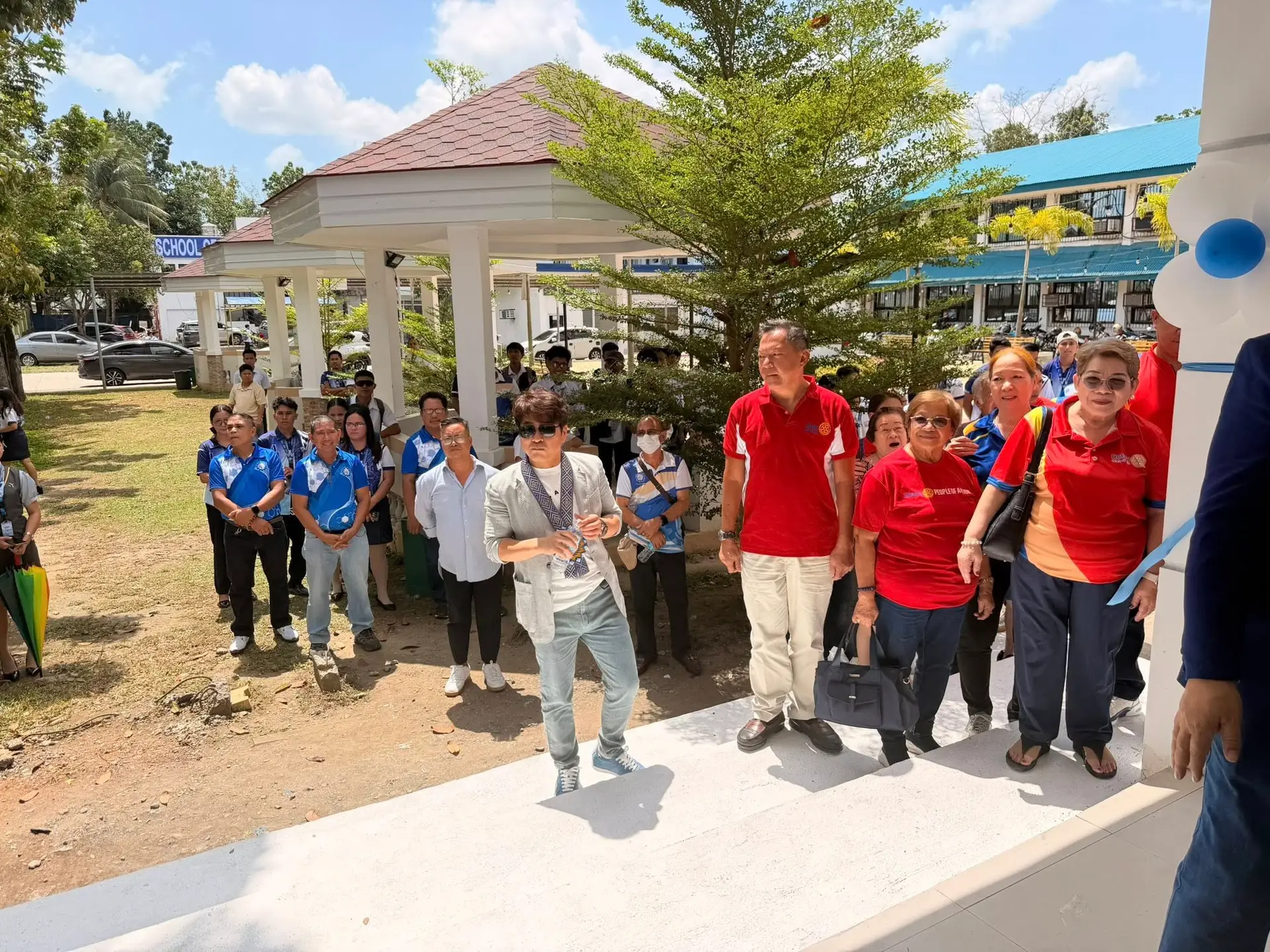
The ceremony proceeded with the signing of the Deed of Donation by representatives of ISUFST, the Rotary Club of Iloilo, and the Rotary Club of Namweon Central, followed by the marker unveiling and ribbon-cutting rites at the new CIT building, the giving of plaques and tokens, and the student testimony by Arce.

The event concluded with closing remarks from Dr. Dosano and a fellowship gathering and thanksgiving lunch at the TechnoHub, featuring a cultural presentation by ISUFST performers.
Continuing collaboration
The POWER UP project follows the successful implementation of a ₱1.89-million Rotary grant in 2025 that upgraded the university’s automotive laboratory under the Automotive Industry Modernization in Iloilo (AIM Iloilo) initiative.
With the addition of the new grant, ISUFST aims to further strengthen its role as a regional hub for technical-vocational education and workforce development in northern Iloilo, supporting both student training and community-based skills development. (Main photos by Ricky Ramos | Auxiliary photos by Razel Ann Balajadia | Text by Herman Lagon and Angelica Torreverde | PAMMCO)

SAN ENRIQUE, ILOILO—Thirty-two guidance designates, teachers, and community wellness advocates of San Enrique capped the two-day STEP UP Phase 2–Module 3: Emotional Support & Psychological First Aid (PFA) seminar-workshop with a collective oath of commitment on February 27 at the Tourism Hall, Poblacion.

“I commit to recognize early signs of emotional distress and crisis in learners responding with calmness, sensitivity, and discernment.” The line, drawn from The STEP UP San Enrique Pledge 2, set the tone for the two-day training that would move participants from awareness to structured action.
The activity, conducted under the ISUFST–WVSU–LGU San Enrique partnership, trained participants to recognize emotional distress and crisis indicators, apply the WHO-aligned Look–Listen–Link model, provide immediate non-clinical support, and strengthen school referral systems, documentation, and confidentiality practices.
The two-year, 6-phase, 9-module STEP UP extension program, led by Iloilo State University of Fisheries Science and Technology (ISUFST), is made possible through the strong institutional backing of ISUFST President Dr. Nordy Siason Jr., West Visayas State University (WVSU) President Dr. Joselito Villaruz, and San Enrique Mayor Gian Carlo Niño Fernandez. The initiative is financed by the LGU of San Enrique through a municipal resolution enacted by the Sangguniang Bayan, affirming the town’s long-term investment in learner well-being. On behalf of Mayor Fernandez, the program is closely overseen by Dr. JJ Patubo with the assistance of DepEd wellness advocate Charmagne Paniza, who help ensure that the training translates into sustained school-level action.

Day 1 (Feb. 26) focused on first-response readiness. After an opening prayer and Phase 1 recap led by Mrs. Edeline Joy Acosta, participants began with an interactive “Signals of Stress” energizer facilitated by Dr. Herman Lagon, RGC, the STEP UP Extension Program Leader. The morning then moved to “Understanding Distress and Crisis Indicators,” delivered by Mrs. Junna Mari Pacardo, RGC, with case vignettes, helping participants name red flags and distinguish ordinary stress from warning signs that require immediate support or referral.
Dr. Lagon later delivered the Introduction to Psychological First Aid (Look–Listen–Link) through a guided lecture and demonstration, then led the PFA Skills Lab on “Look and Listen” using role-play scenarios that allowed participants to practice calming presence, active listening, and initial stabilization in school-based situations.
In the afternoon, Mrs. Pacardo facilitated a working-break workshop on Ethical Boundaries and Confidentiality, using case analysis to help guidance advocates clarify scope, privacy, and responsible decision-making. The day ended with a synthesis circle, “What Does Help Look Like?” led by Dr. Lagon, integrating lessons into practical first-response mindsets.

Day 2 (Feb. 27) shifted from skills to systems. Participant volunteers led the day’s prayer and recap, followed by a quick drill energizer, “Look–Listen–Link in Action,” facilitated by Dr. Lagon, to refresh coordination before referral planning.
WVSU speakers facilitated the core mid-morning sessions. Dr. Hilda Montaño, RGC, led the PFA Skills Lab on “Link” (Referral Pathways) through scenario-based group work that guided participants in choosing correct next steps for different levels of risk. Mrs. Gift Tragico, RGC, then handled Safety Planning Basics, walking participants through a template exercise that translated concern into concrete safety steps. Such was discussed further after lunch.

Later in the afternoon, the training then proceeded to Mapping the Local Referral Network, where participants drafted their localized referral directory anchored on existing municipal services and school protocols. Ms. Jennet Pajura, RGC, later led Documentation and Incident Reporting through hands-on form completion, emphasizing proper incident logs and responsible reporting. WVSU’s Prof. Jan Iris Fae Basbas, RGC, also served as one of the facilitators in the process.
All volunteer guidance counselors from ISUFST and WVSU then guided the working-break workshop on School-Based PFA Action Planning, followed by group presentations and peer feedback—ensuring outputs were school-ready, realistic, and aligned with ethics and confidentiality.
The two-day, phase 2, module 3 training concluded with the recitation and signing of “The STEP UP San Enrique Pledge 2,” where participants committed to early recognition of distress, faithful practice of Look–Listen–Link, ethical documentation, proper referral, advocacy for safer guidance spaces, continued learning, and self-care as helpers.

“I pledge to step up with empathy. I pledge to step up with integrity. I pledge to step up with courage and care,” the participants affirmed—marking the transition from training to shared responsibility for learner well-being in San Enrique schools.
With Phase 2 completed, ISUFST’S STEP UP initiative moves forward to Phase 3 on June 25–26, 2026, at the Tourism Hall in San Enrique. The next module will focus on Career Planning and Bullying Prevention—continuing the shared mission of helping learners find direction while protecting their dignity in safer school spaces. (PAMMCO)

The Iloilo State University of Fisheries Science and Technology (ISUFST), in partnership with the West Visayas State University (WVSU) and the Local Government Unit (LGU) of San Enrique, held an inception meeting for the STEP UP Project on Friday, October 31, 2025, at the San Enrique Tourism Hall, San Enrique, Iloilo. The meeting formally set the direction for the two-year initiative designed to strengthen the municipality’s mental health and psychosocial support programs for teachers and professionals.
The gathering, hosted by the LGU of San Enrique through the town’s Tourism Office, brought together experts, educators, and local leaders for what ISUFST President Dr. Nordy D. Siason Jr. called “the first of many steps toward building a more caring and compassionate learning community.”

The STEP UP Project, short for San Enrique Training for Educators and Professionals in Uplifting Psychosocial Support, is an ISUFST-initiated program that aims to train guidance advocates and teachers in providing mental health and emotional support to students. Developed by ISUFST’s guidance and education team, the project invited WVSU’s College of Education as a partner to expand its pool of expert trainers and technical specialists in counseling and psychological first aid.


“STEP UP was born out of our desire to respond to the growing emotional and mental health needs in schools,” said Project Leader Dr. Herman M. Lagon, who designed the initiative. “We envisioned it as a bridge between expertise and empathy—where teachers, counselors, and local leaders work together to ensure that no learner is left unsupported.”


The inception meeting, which started at 10:30 a.m., gathered eight guidance counselors from WVSU, led by Dr. Amabel Tangco-Siason, Project Team Leader and creator of the Competent and Responsive Education (CaRE) toolkit, and former College of Education Dean Dr. Hilda Montaño. They were joined by Dr. Rejie F. Palmos, Dr. Baby Rose G. Robles, Prof. Jan Iris Faye M. Basbas, Prof. Gift D. Tragico, and Prof. Jennet F. Pajura.

Representing ISUFST were President Dr. Nordy D. Siason Jr., Guidance Counselors Dr. Imelda Arenga and Mrs. Junna Mari Pacardo, Psychometrician Mr. Dwight Deslate, and Guidance Advocate Ms. Nilbe Deocampo, together with San Enrique Extension Chair Dr. Regie Salmeron, Campus Administrator Dr. Rex Diaz, Prof. Glenn Dador, and faculty members.
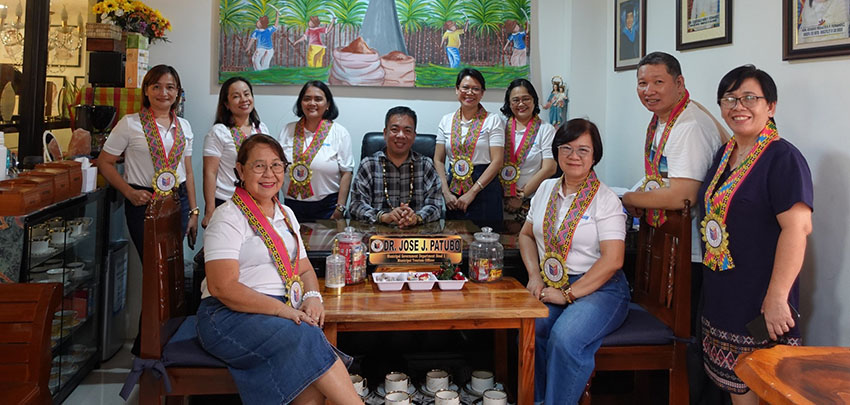
The WVSU and ISUFST teams were welcomed by San Enrique Tourism Head Dr. JJ Patubo, who organized a cultural performance featuring the ISUFST Kalamay Festival Dancers and hosted a brief town museum tour and native good treats. “With this project, our dream that every San Enriquenhon can graduate from a university and become a well-grounded, productive citizen becomes more achievable,” Patubo said.
For WVSU Team Leader Dr. Amabel Siason, the meeting marked a meaningful milestone: “San Enrique is the first community to partner with us under this kind of advocacy. We are grateful to be part of this ‘historical first’ that goes back to the core of our mission—to make empathy, care, and mental health a shared responsibility.”
In his message, Dr. Nordy Siason emphasized that ISUFST’s role as project initiator reflects the university’s commitment to research-driven, community-based education. “Through STEP UP, we’re not only sharing knowledge—we’re empowering local educators and leaders to create safer, kinder, and more responsive schools,” he said.

Before the meeting, the WVSU team was welcomed at ISUFST Dingle Campus by Campus Administrator Dr. Dingras Balbona, Dean Ricardo Paborada, Jr., Dean Renante Diamante, faculty, and staff, including Guidance Counselor Ms. Roussel Justinn Esmeralda, before proceeding to San Enrique and the Tiwi Main Campus for lunch and fellowship with ISUFST officials.
The STEP UP Project, running through 2027, will equip guidance advocates across San Enrique’s schools with modules on psychological first aid, stress management, empathy building, and trauma-informed care, among others. Phase 1 (Module 1), focusing on Emotional Support and Psychological First Aid (PFA), is scheduled for October 27–28, 2025.
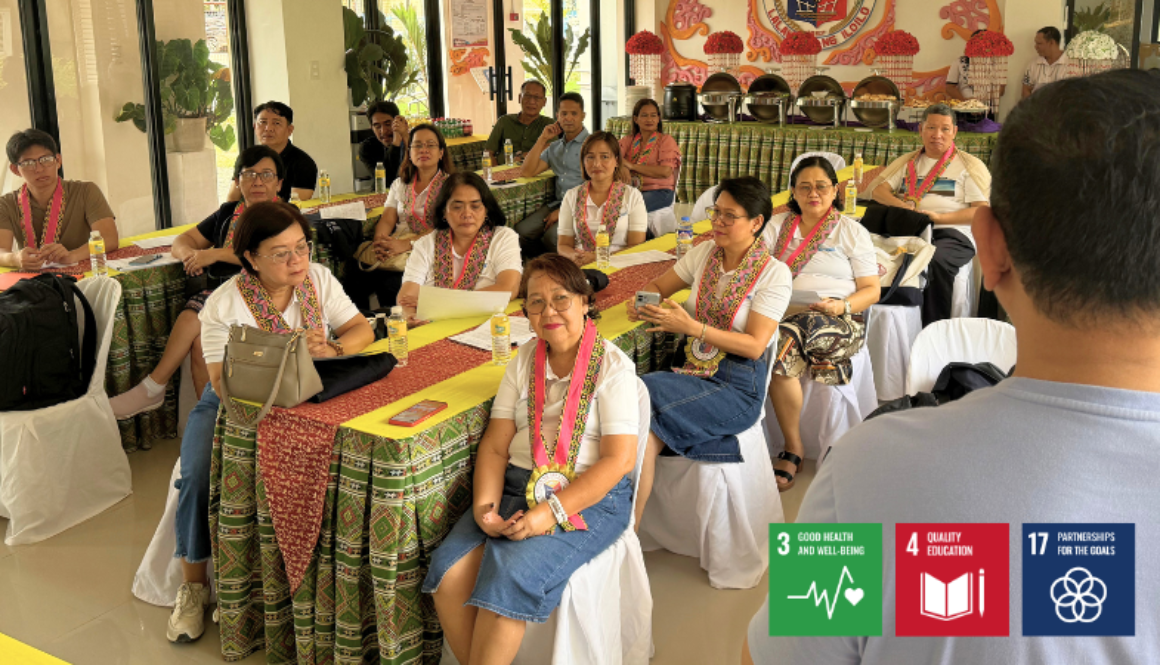
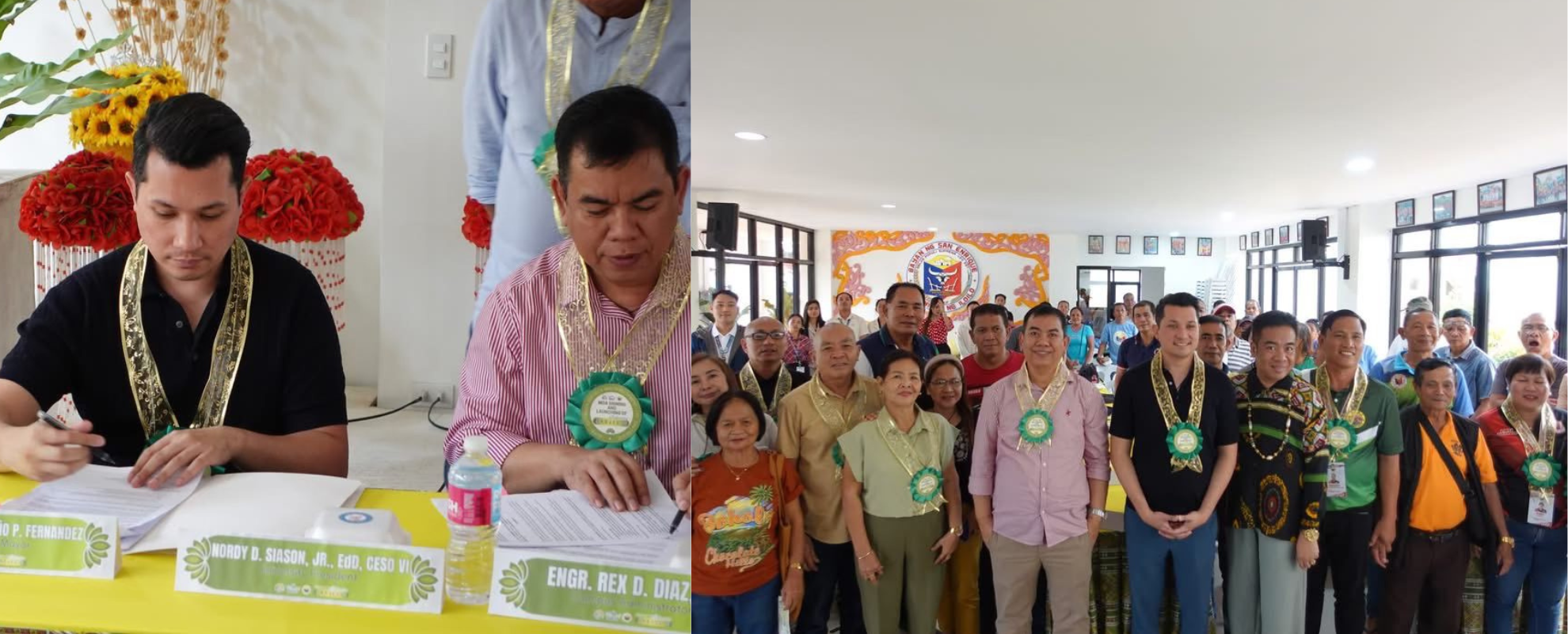
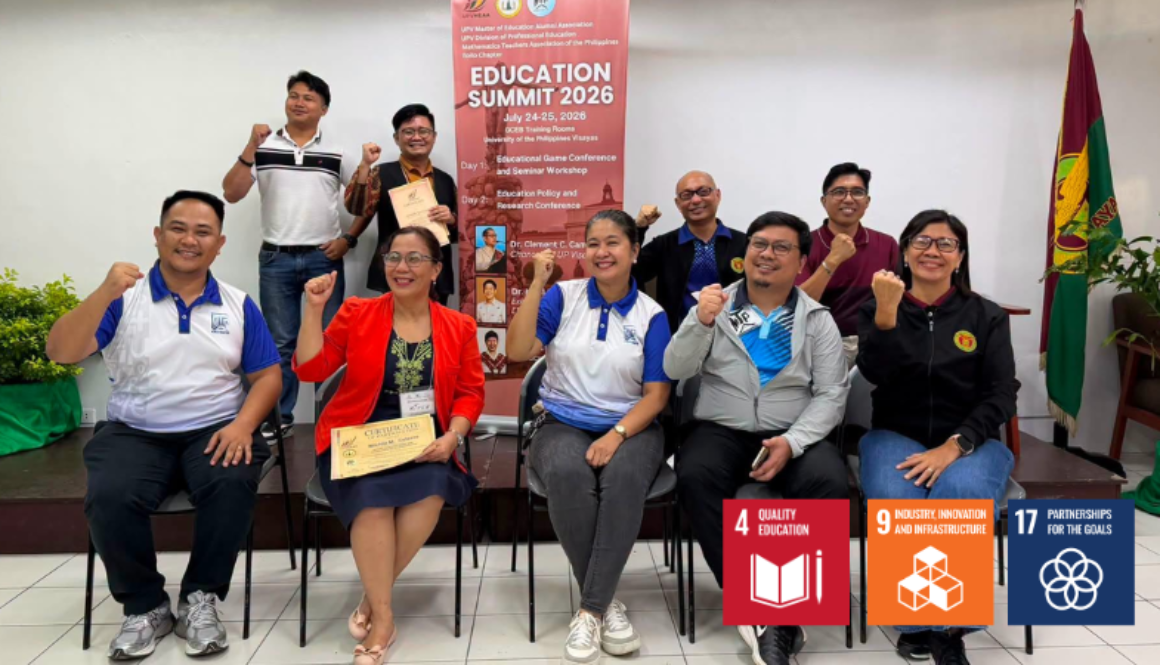
The initiative supports United Nations Sustainable Development Goals (SDGs) 3—Good Health and Well-Being and 4—Quality Education, reflecting ISUFST’s dedication to inclusive, humane, and sustainable education. It is worth noting that the STEP UP project was officially launched on October 14, 2025, through the signing of the Memorandum of Agreement between ISUFST, represented by Dr. Siason, and the LGU of San Enrique, represented by Mayor Gian Carlo Niño P. Fernandez.
With ISUFST leading the initiative, WVSU providing guidance expertise, and the LGU ensuring local support, the STEP UP Project demonstrates how collaboration can turn compassion into concrete action—one school, one learner, and one community at a time. (Photos by LGU of San Enrique, Dwight Deslate, and RJ Patosa| PAMMCO)
#isufstisdafirst #isufstcommunity #isufst #pammcostoriesthatmatter

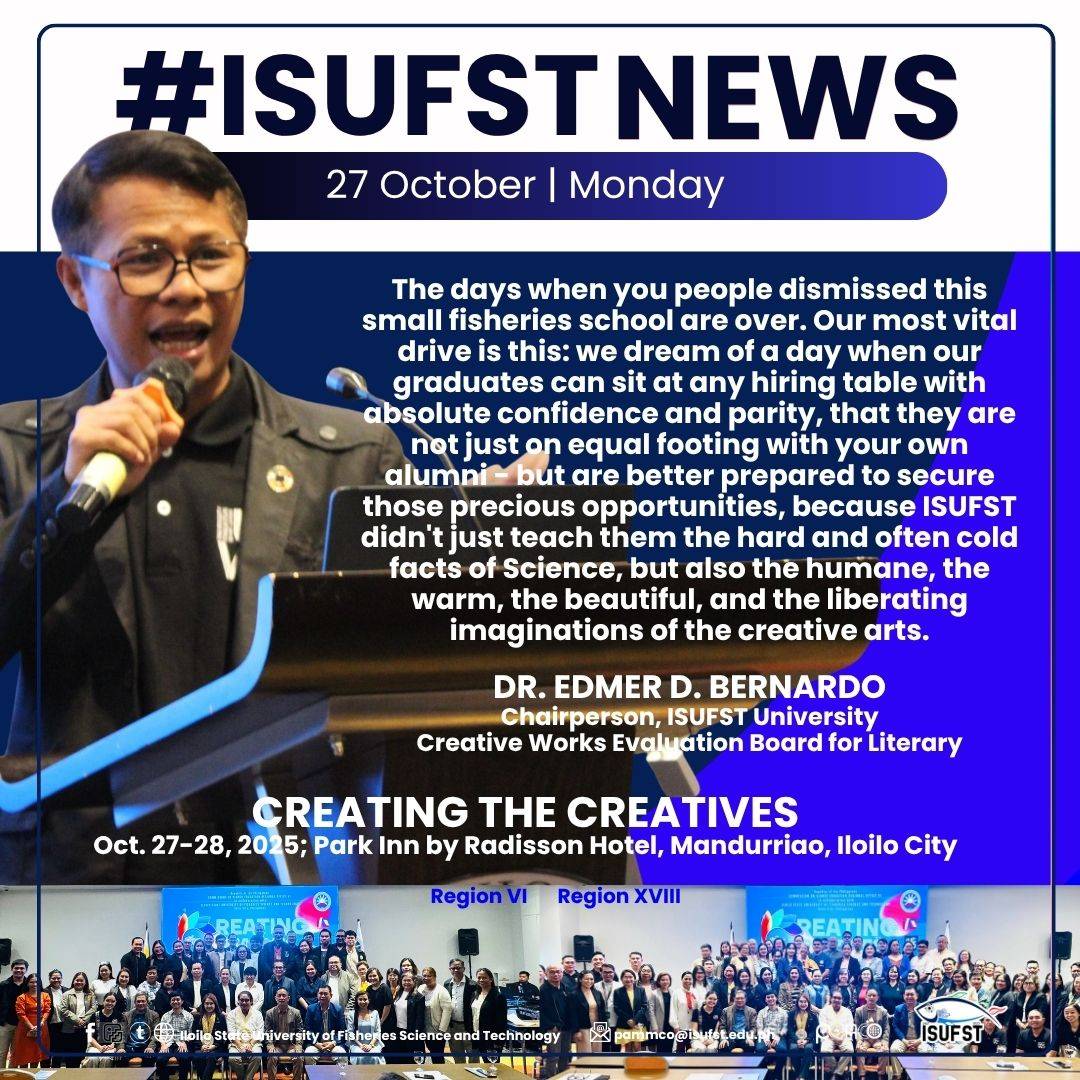
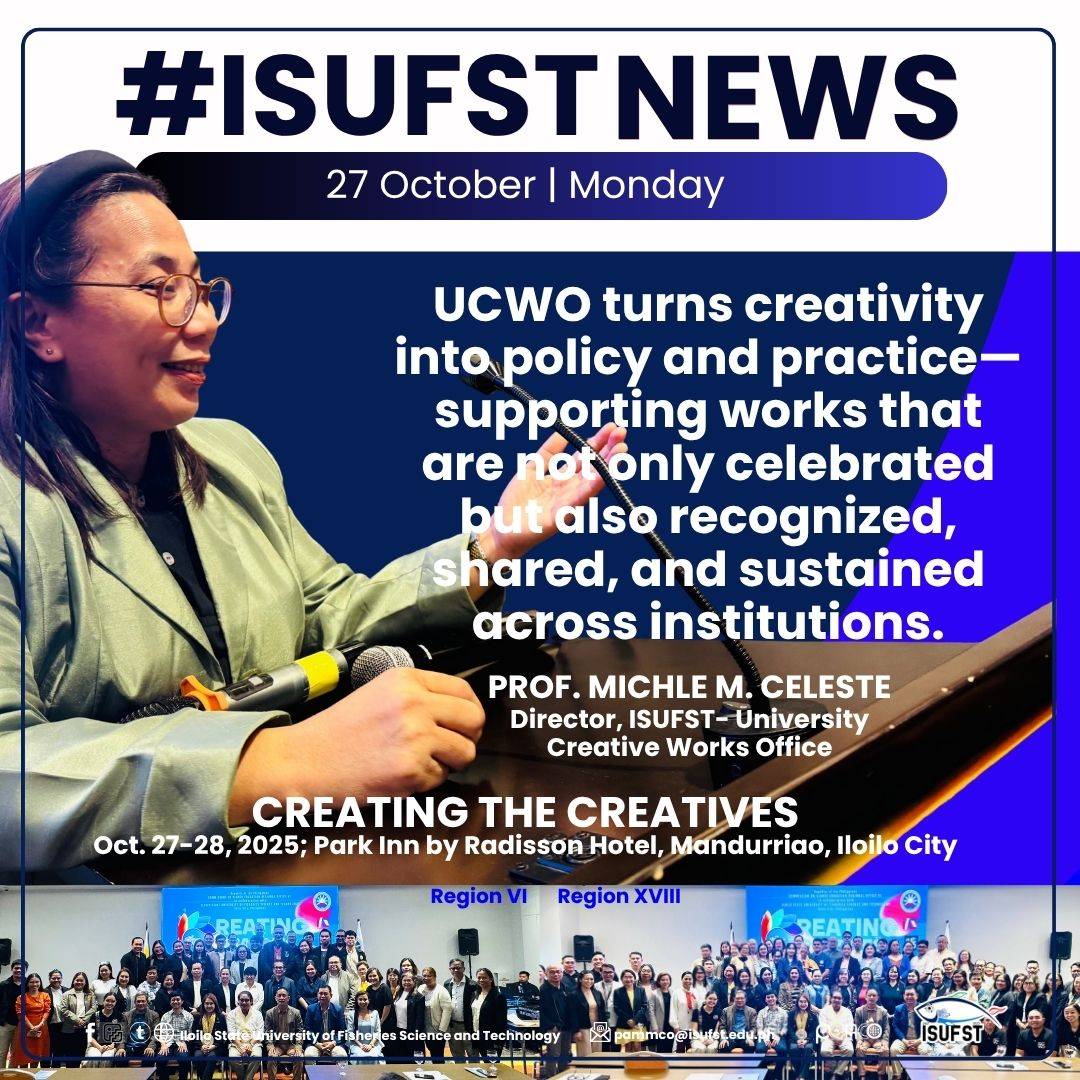
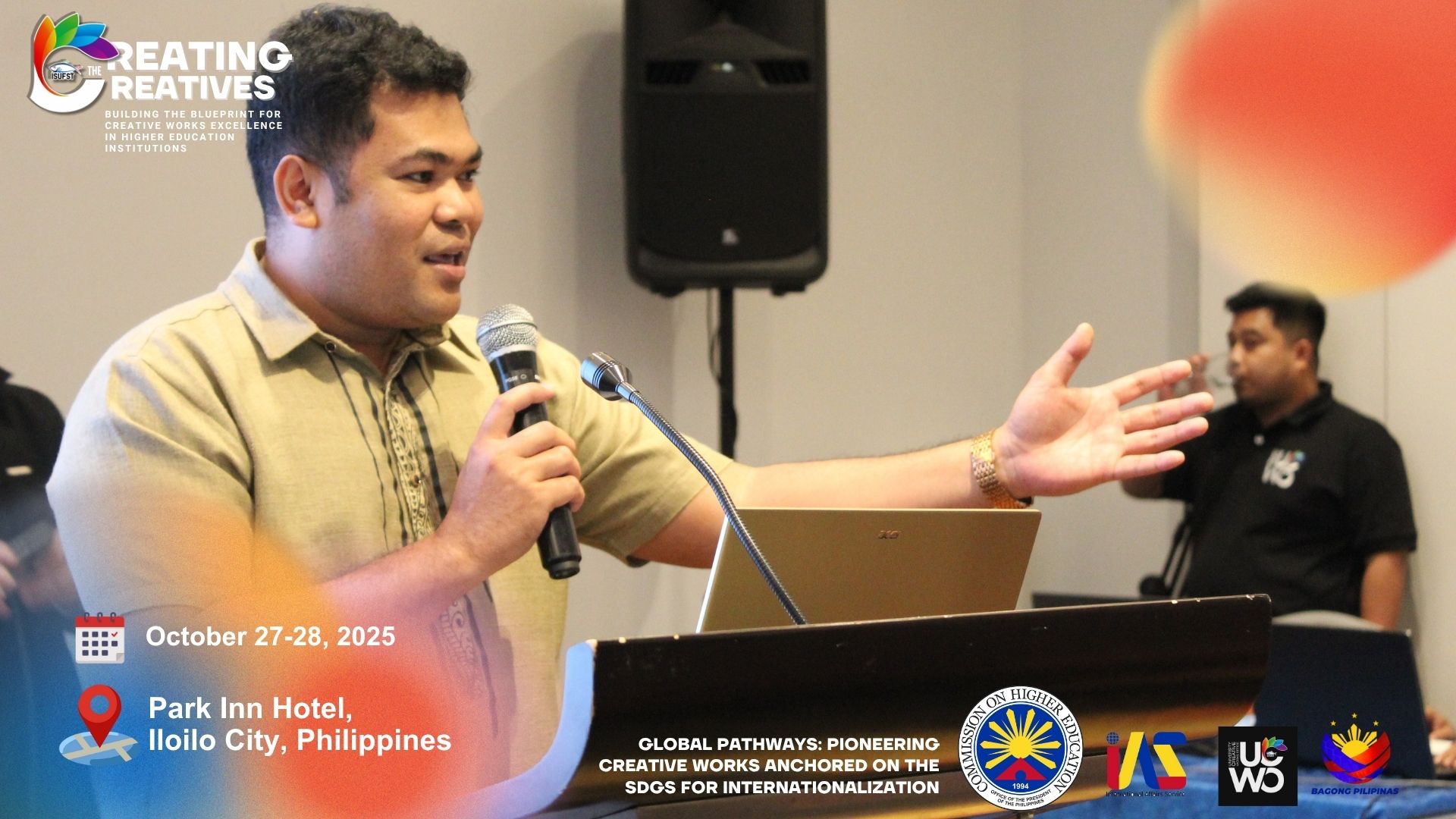
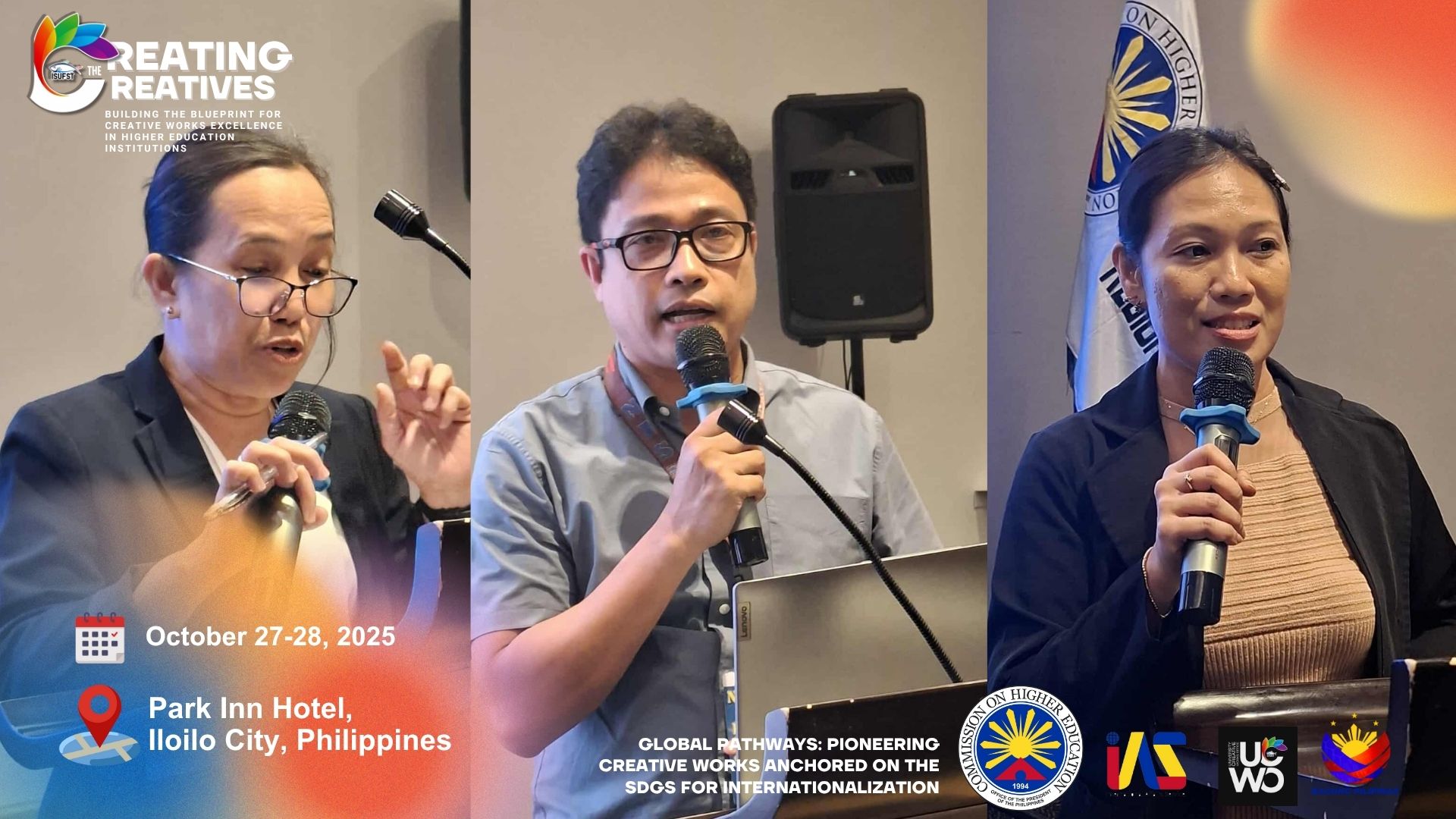
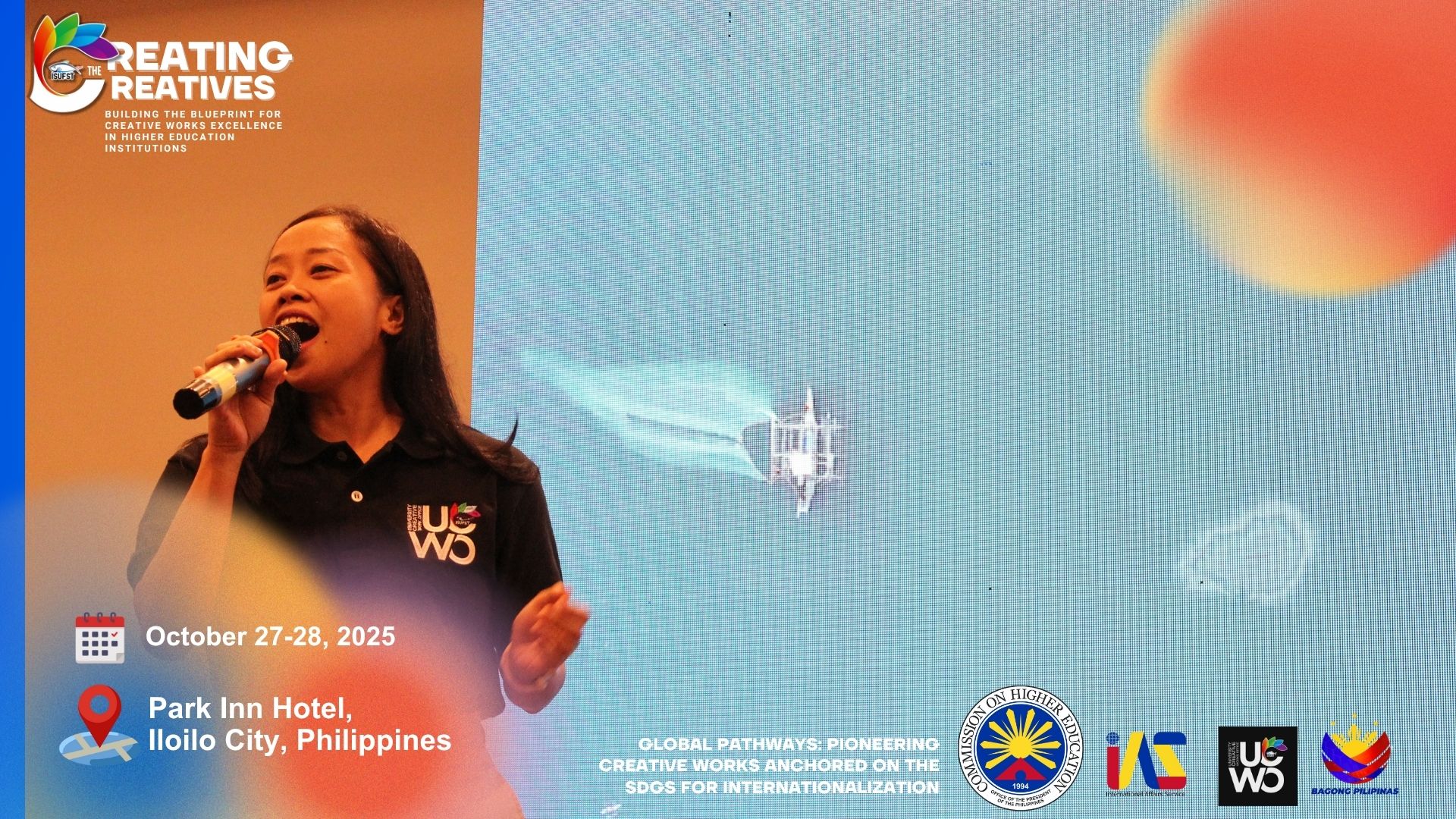
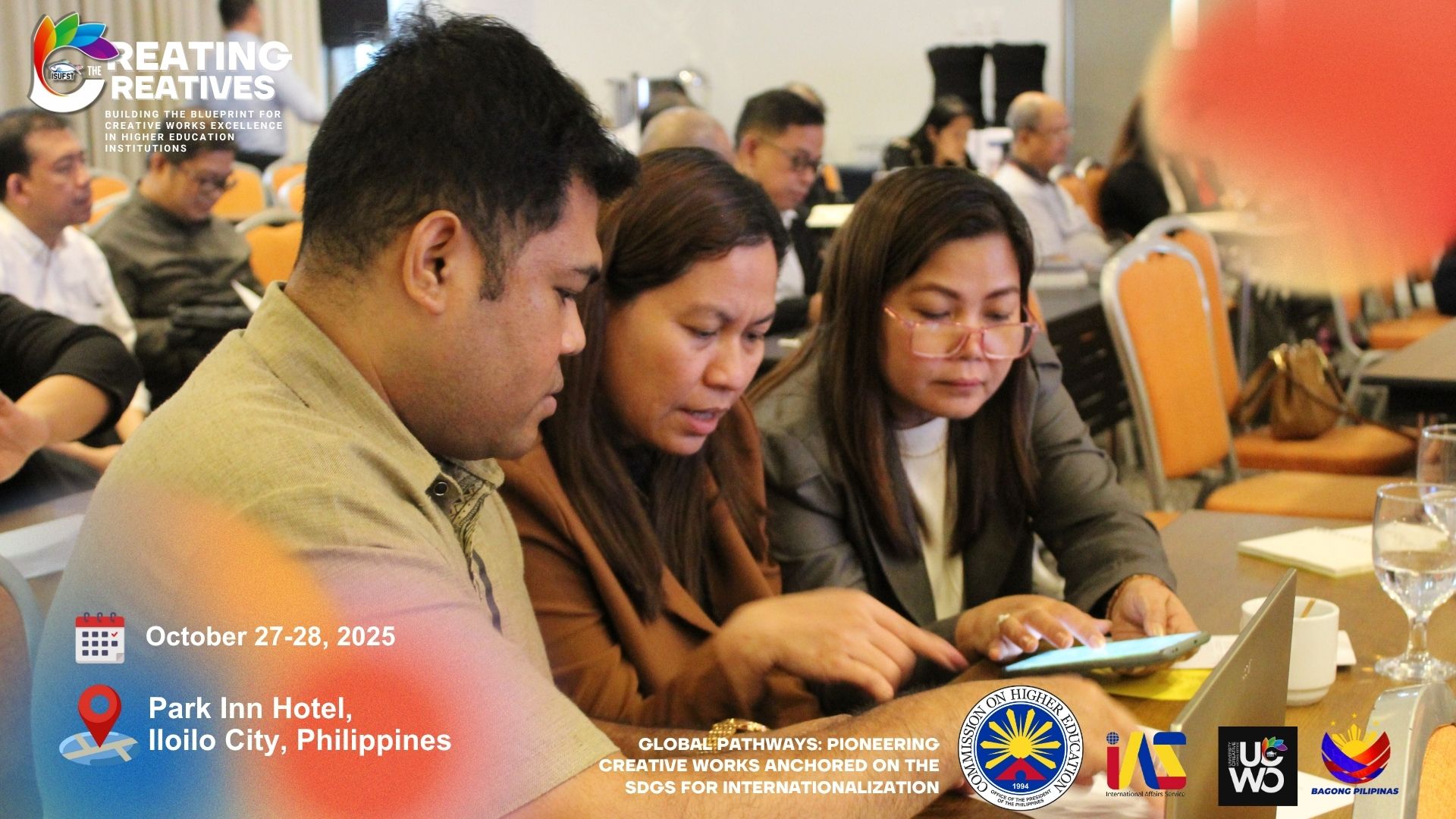
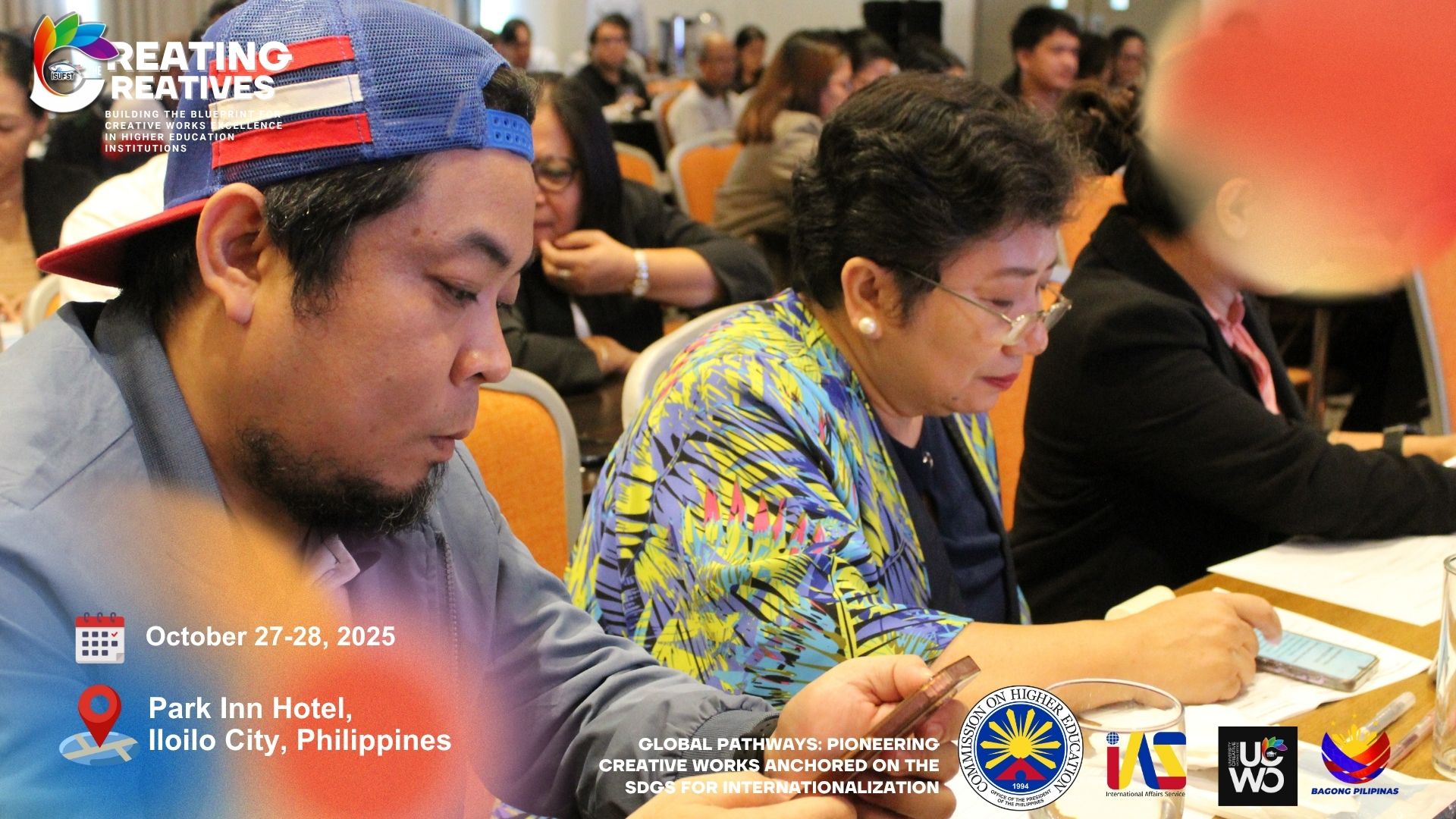
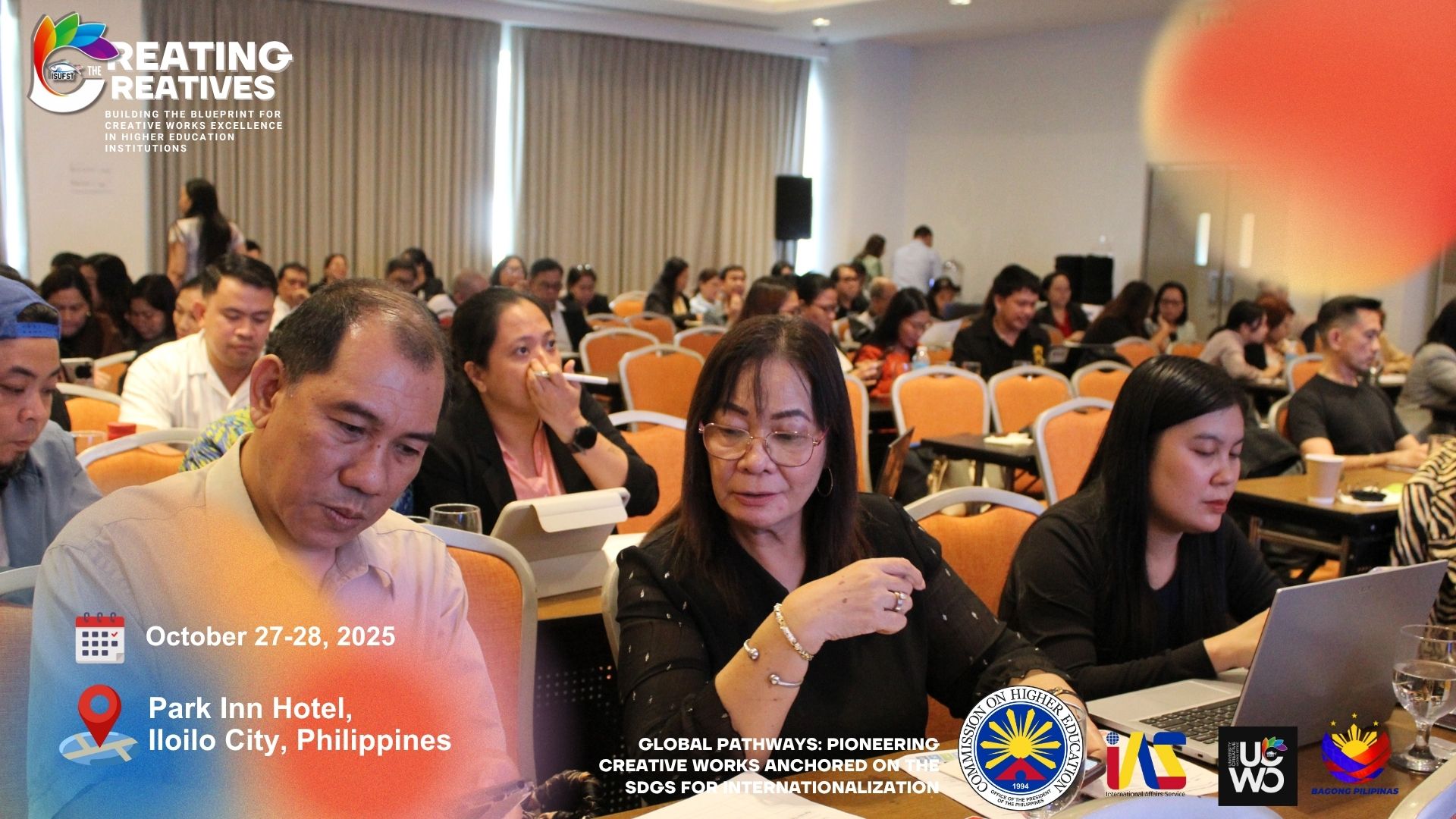
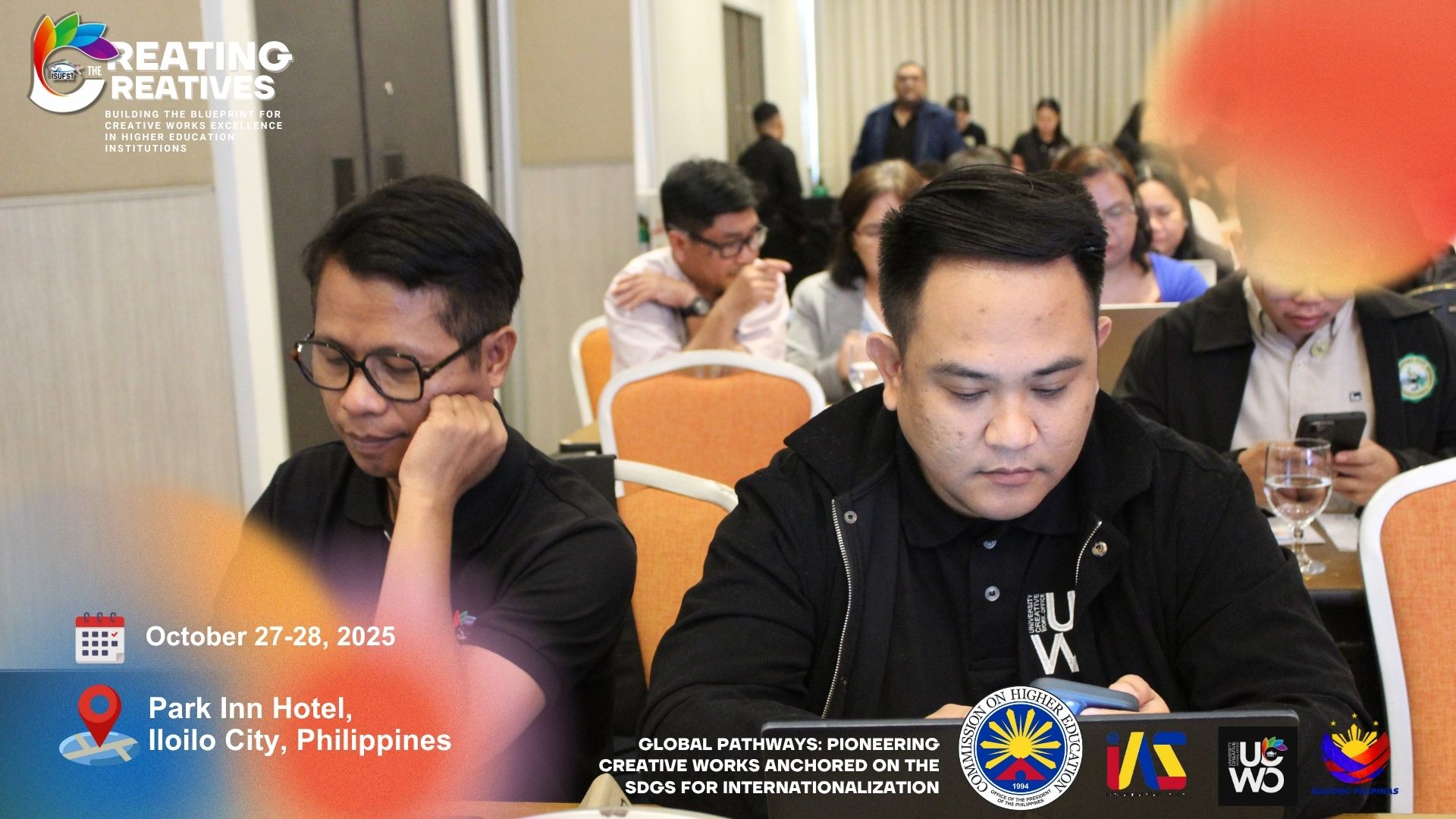
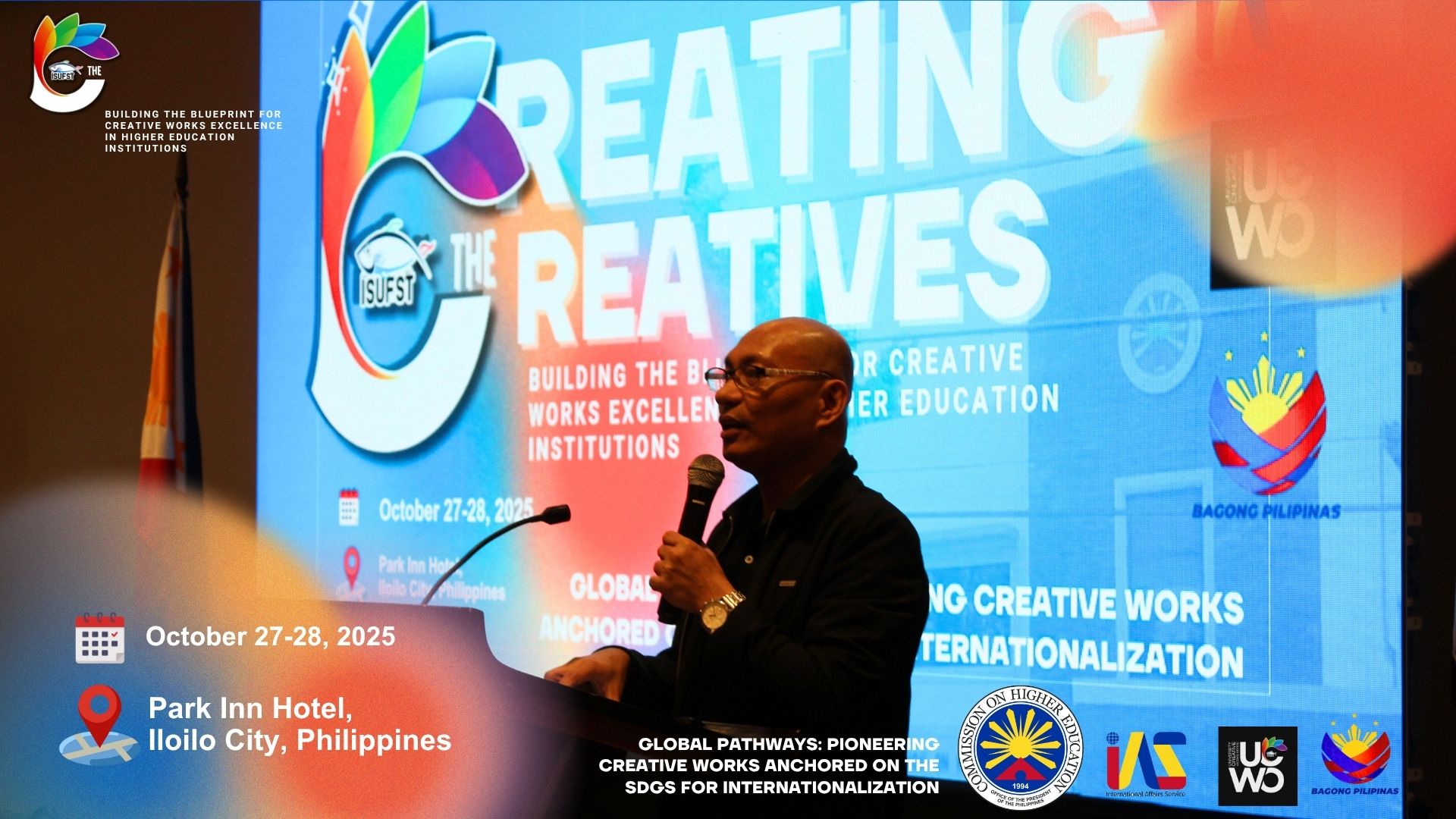
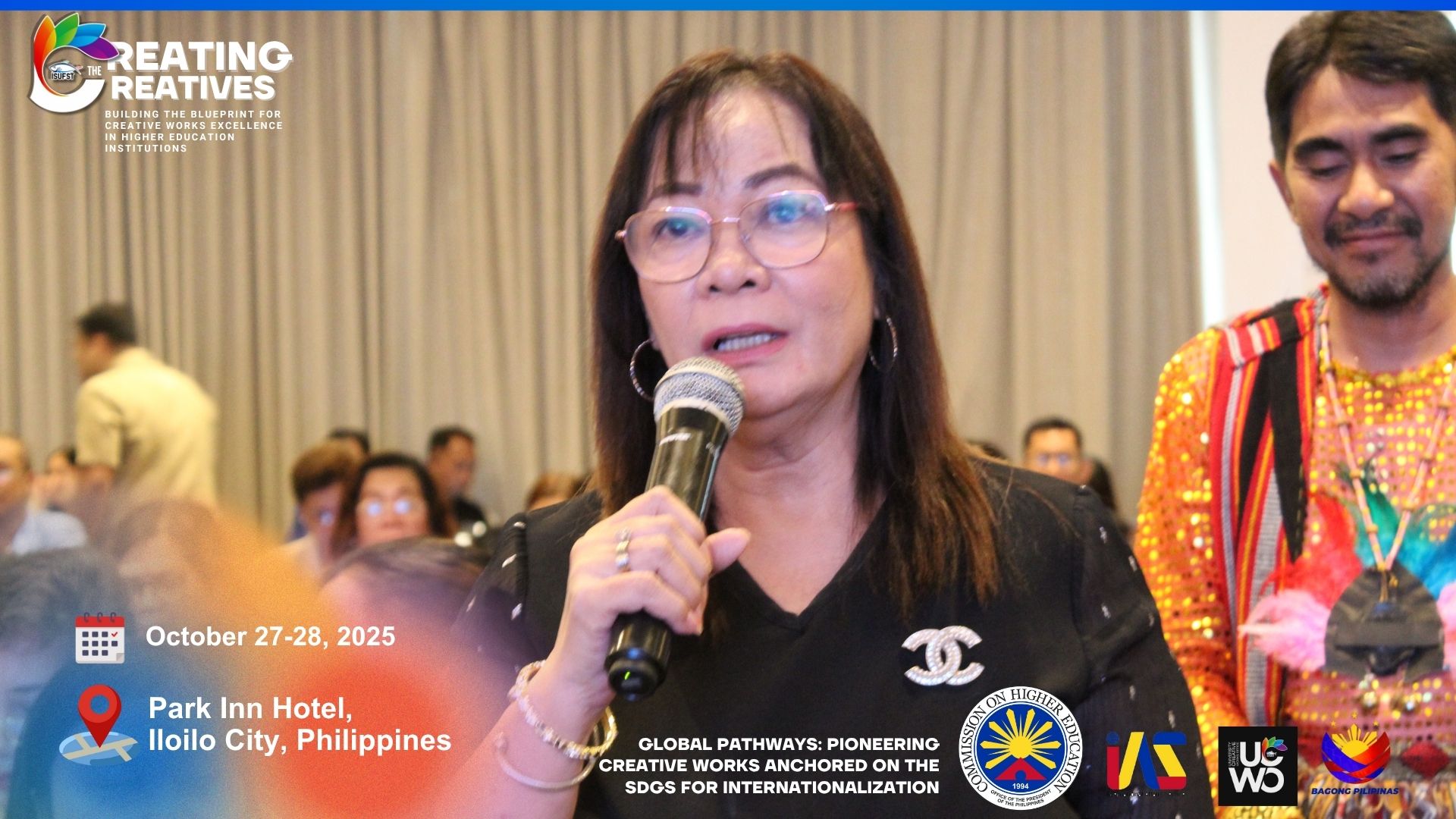
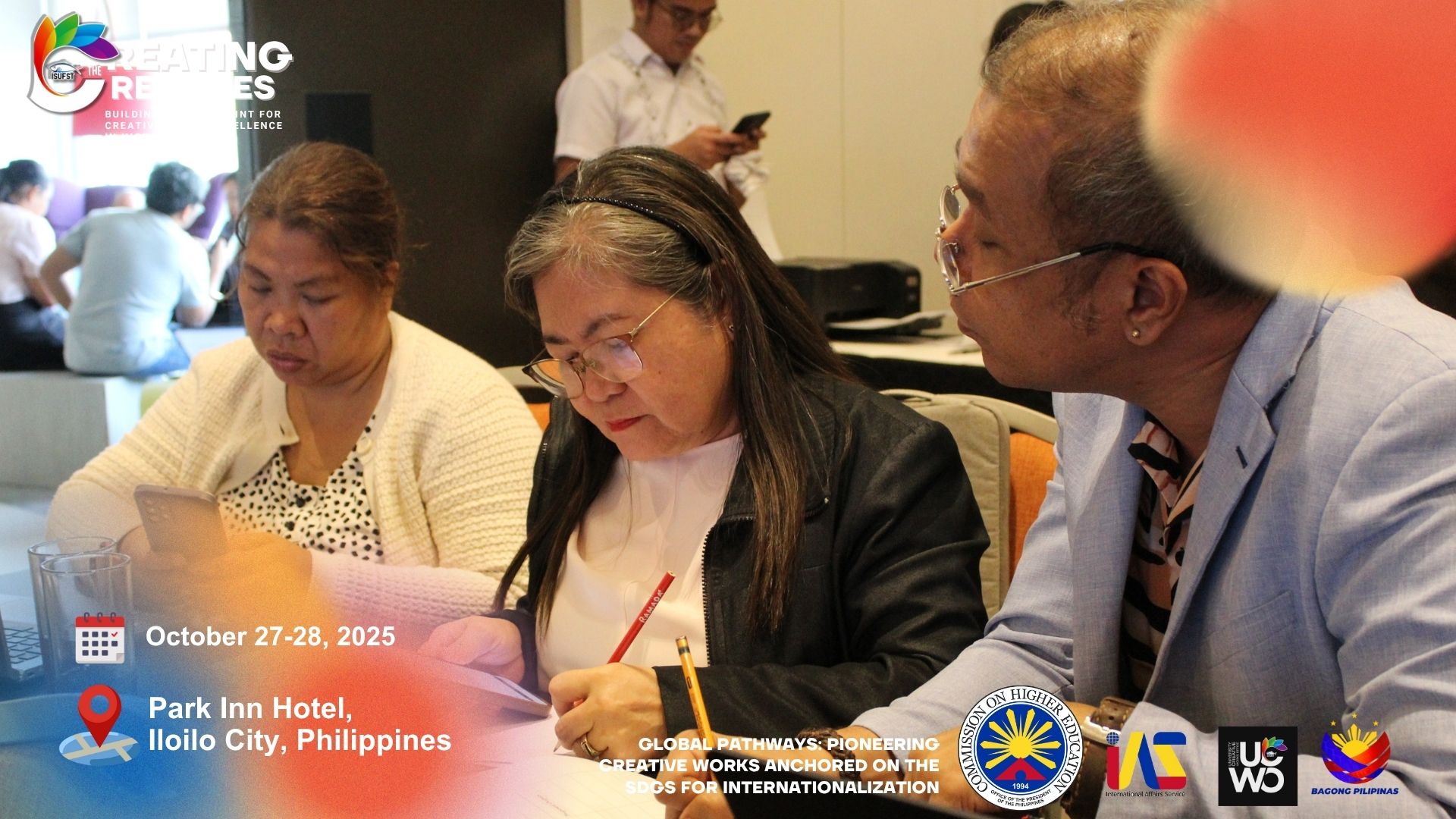
Educators and administrators from 37 higher education institutions (HEIs) across Western Visayas and the Negros Island Region described the recent “Creating the Creatives: Global Pathways Seminar-Workshop” as “excellent,” “informative,” “timely,” and “worth repeating.” For many, it was not just a seminar, but a shared space where imagination, policy, and purpose met.
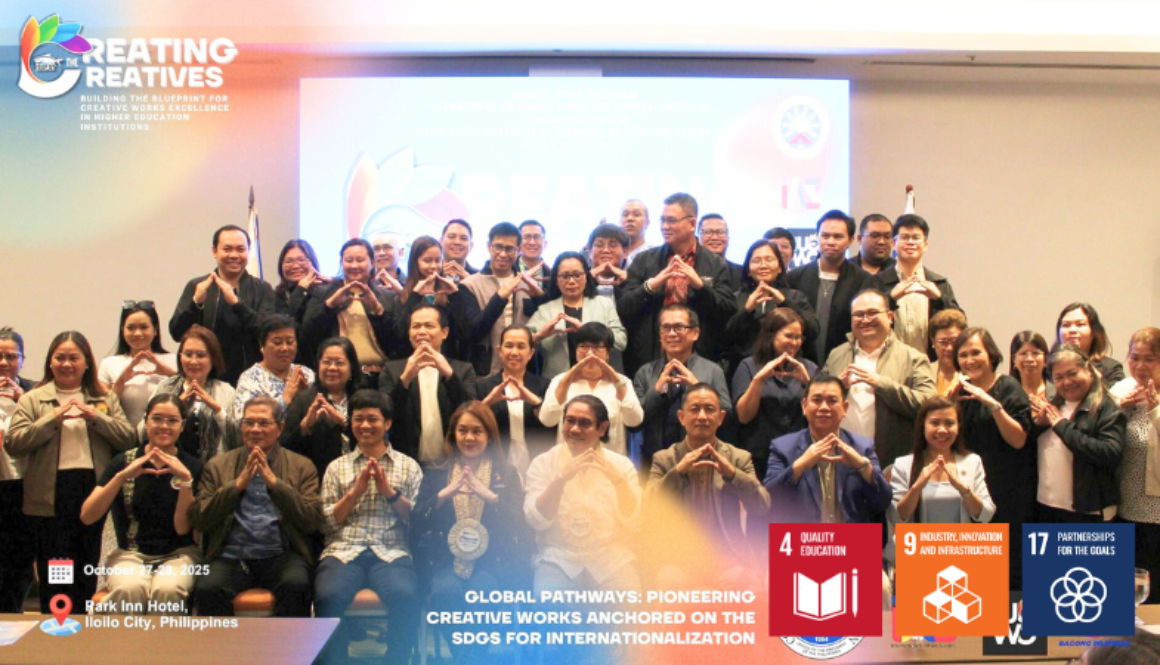
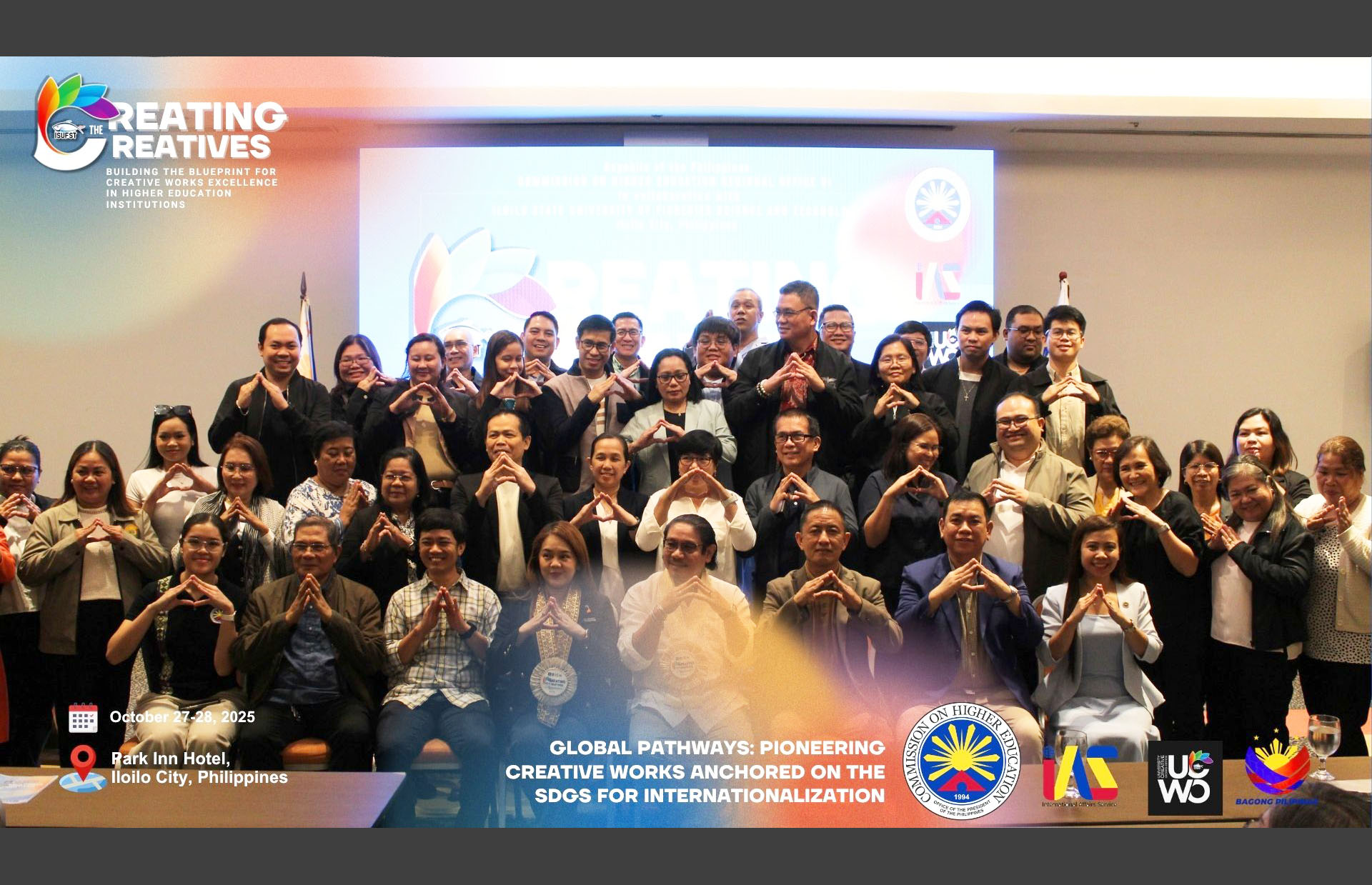
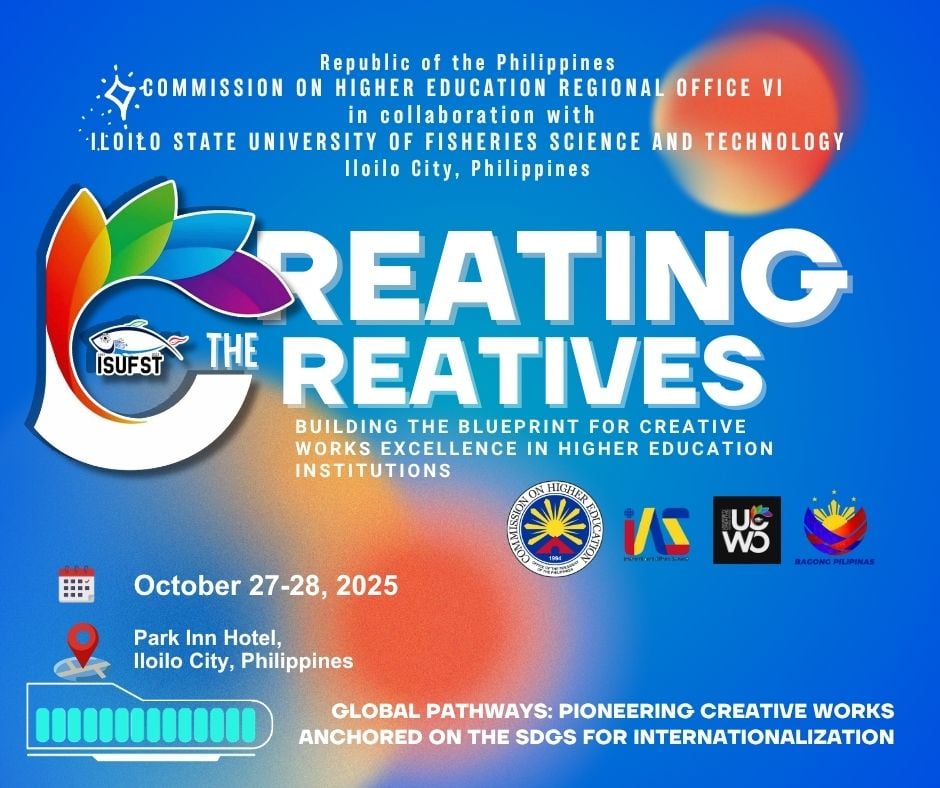
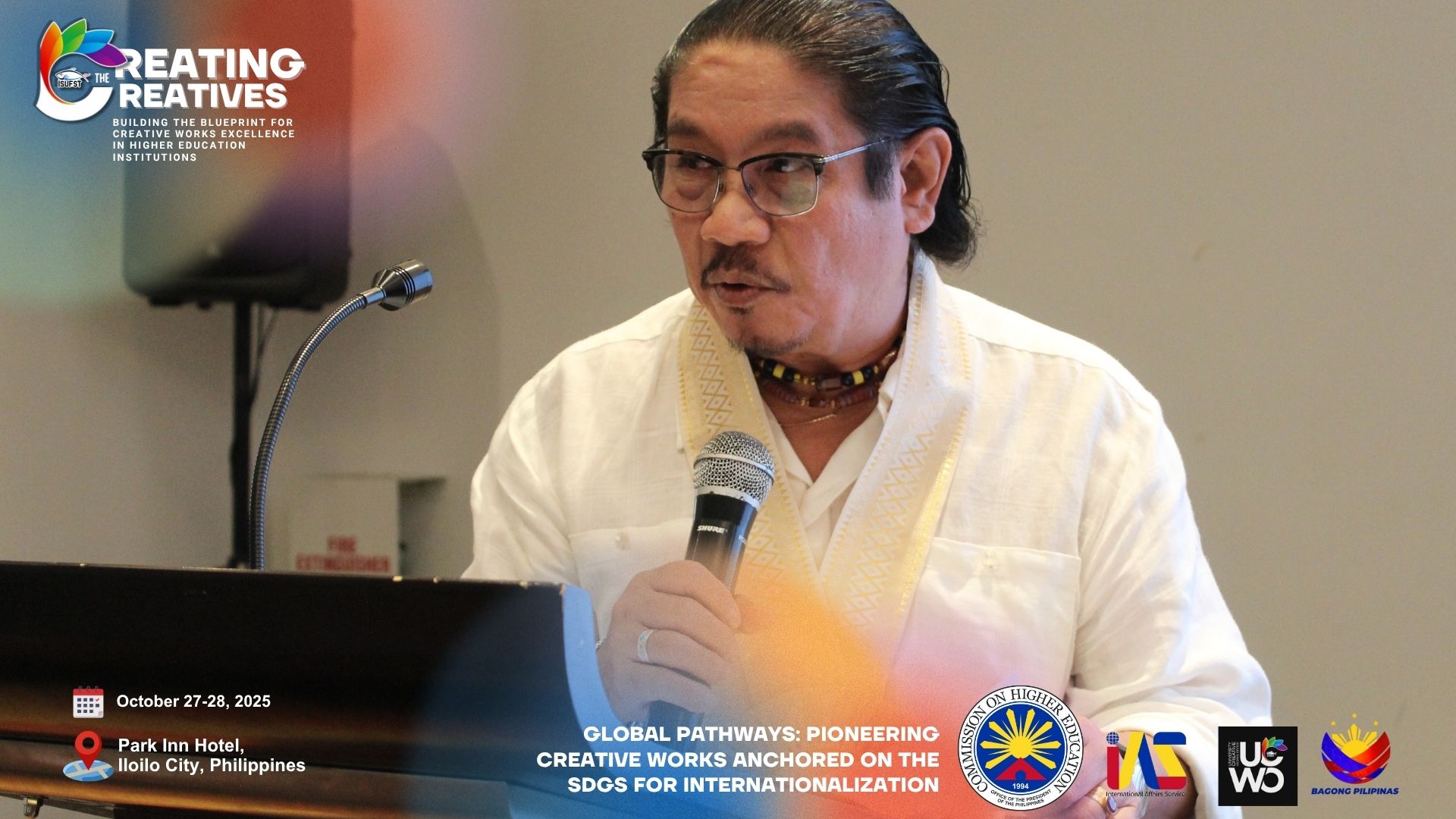
Held on October 27–28, 2025, at the Park Inn by Radisson Iloilo, the two-day activity was organized by the Commission on Higher Education Regional Office VI (CHEDRO VI) in partnership with the Iloilo State University of Fisheries Science and Technology (ISUFST), the prime training-workshop discussant and facilitator. It aimed to guide HEIs in building and institutionalizing Creative Works Offices and frameworks that promote creativity as a pillar of academic excellence.

Participant feedback was predominantly favorable. The workshop was characterized as exemplary in every regard, receiving commendation for its integration of substantial subject with a casual, engaging dynamic. Many remarked that it was distinguished by its “well-organized, practical, and inspiring” nature—the type of training that remains beneficial long after its conclusion.
“The subject is highly pertinent and opportune,” one participant noted. One participant said that the workshops were “beneficial in establishing our university’s creative work office,” while others emphasized that the discussions “stimulated ideas on policy integration and inter-campus collaboration.”

Several participants, although acknowledging the efficient arrangement, proposed extended sessions and additional time for practical workshops, underscoring the necessity for subsequent conversations centered on innovation, documentation, and networking across higher education institutions.
Participants characterized the encounter as “inspiring” and “motivating,” beyond just numerical data. Many expressed that the event highlighted the necessity of creativity beyond art studios and literary classes, extending into research, governance, and community engagement.
In the end, the feedback reflected a unified call: to continue what CHED and ISUFST have started—a collective inter-HEIs movement to make creativity not an afterthought but an essential force in higher education. (PAMMCO | UCWO)

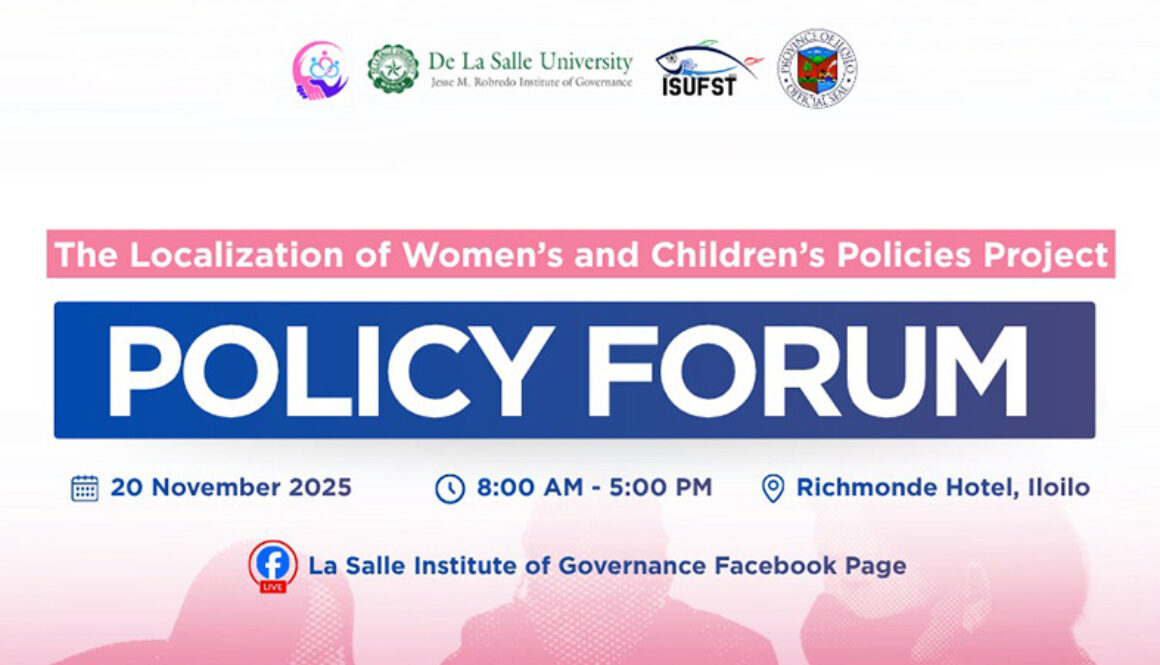
The signing capped the two-day “Creating the Creatives: Global Pathways Seminar-Workshop on Pioneering Creative Works Anchored on the SDGs for Internationalization,” organized by the Commission on Higher Education (CHED) and co-hosted by the Iloilo State University of Fisheries Science and Technology (ISUFST).
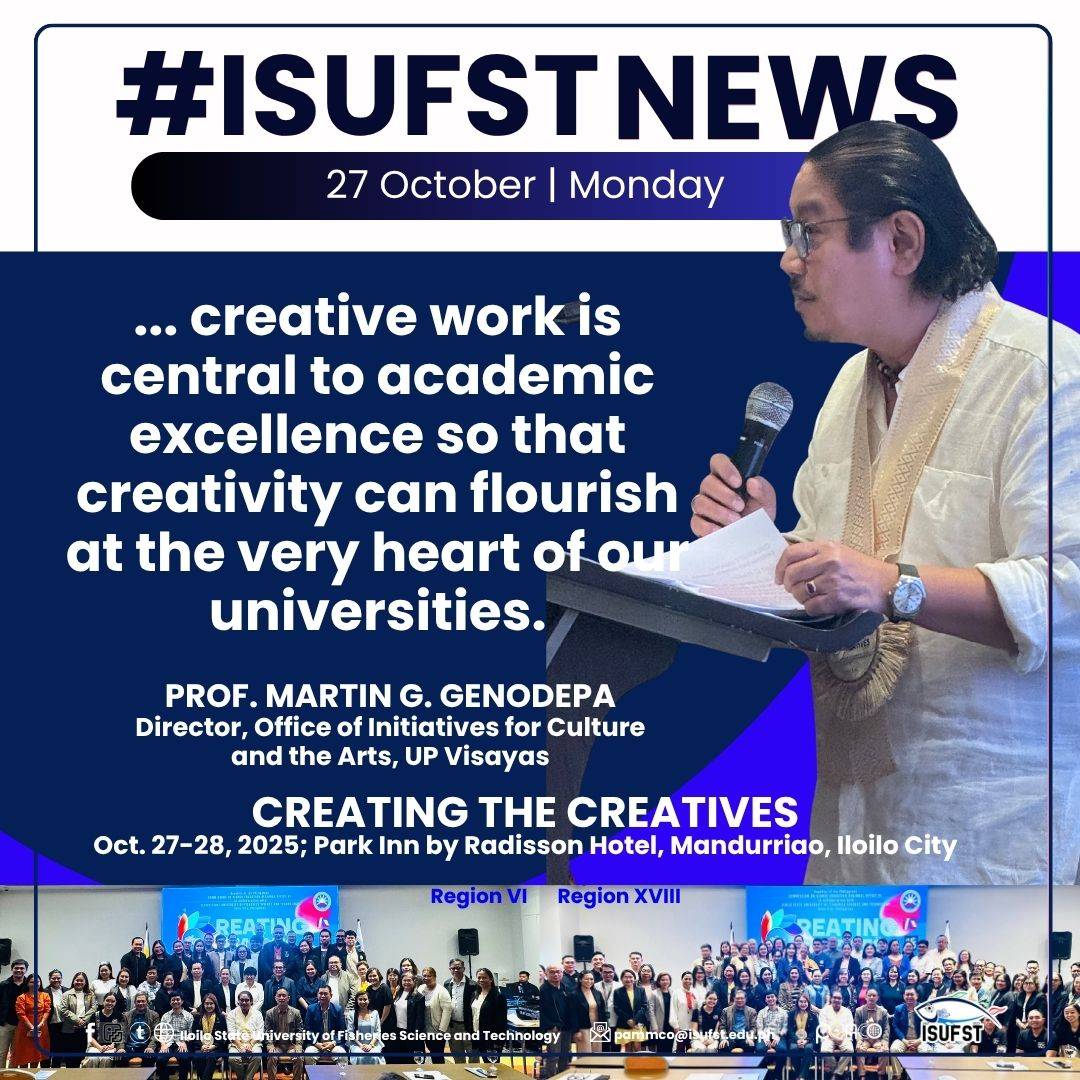
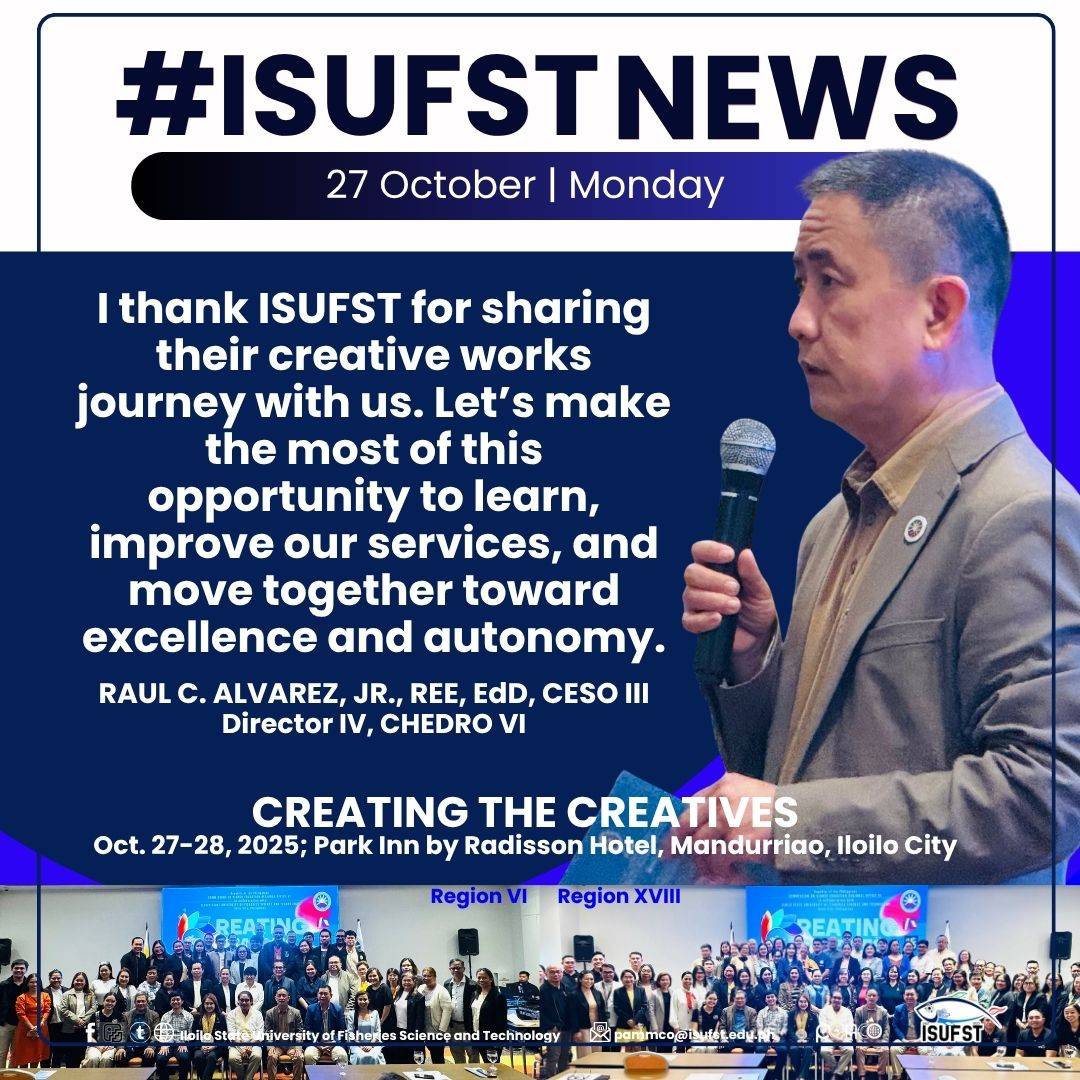
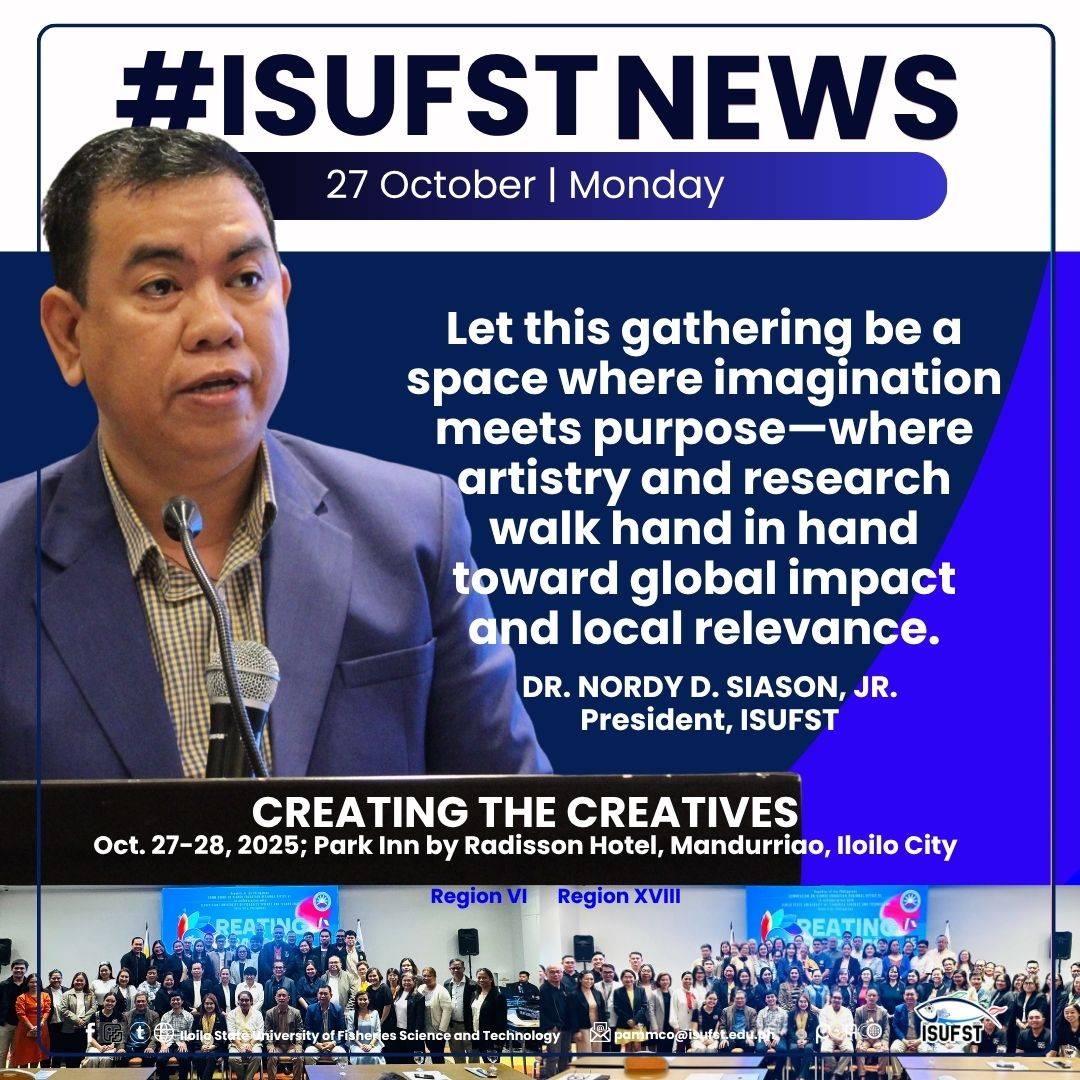
Across two days, the seminar came alive with ideas, artistry, and collaboration. On Day 1, CHEDRO VI Director Raul Alvarez Jr. called for creative leadership in education, followed by ISUFST President Dr. Nordy Siason Jr., who urged schools to turn imagination into innovation. UPV’s Prof. Martin Genodepa deepened the discourse, affirming that creativity belongs at the heart of academic excellence. Sessions led by Dr. Edmer Bernardo on creative mandates, Prof. Michele Celeste on policy practice, Dr. Herman Lagon on creative governance, Ms. Marianne Bebit on intellectual property, and Dr. Rex Paulino on quality and assessment built the event’s foundation. Workshops followed after the talks of Lagon and Paulino, while poetry, photography, and music performances from ISUFST faculty added soul, transforming discussions into a celebration of imagination in motion.
Day 2 turned inspiration into action. Dr. Stephen Jinon advanced the conversation on SDG-driven creativity coupled with a roadmap workshop, while Prof. Noel Galon De Leon of Kasingkasing Press called on HEIs to make publishing a form of cultural renewal. Dr. Ma. Asuncion Christine Dequilla of WVSU later shared a heartfelt reflection on how creativity and research intertwined across sessions, followed by the symbolic signing of the manifesto—a collective promise to place creativity at the center of learning, governance, and growth.
Titled “Building the Blueprint for Creative Works Excellence in Higher Education Institutions,” the pledge commits HEIs to champion innovation, integrate the Sustainable Development Goals (SDGs), promote internationalization, uphold creative standards, share best practices, and empower the next generation of creators.
As representatives from across Panay, Negros, Guimaras, and Siquijor took turns signing the document, the hall fell silent—a collective pause before the applause.
“This is more than a signing. It’s a declaration that higher education will no longer treat creativity as a side note,” said CHEDRO VI Director Raul C. Alvarez Jr. “Creativity must be at the core of excellence, equity, and innovation.”
ISUFST President Dr. Nordy D. Siason Jr. called the pledge “a creative covenant.”
“Creativity is not decoration—it is direction, conviction, and collaboration,” he said. “What we signed today is more than a document; it is a dream stitched together by imagination and shared purpose. We are deeply grateful to CHED Region VI for believing in ISUFST’s creative works initiative and for helping us prove that creativity, guided by vision and heart, can move institutions toward genuine transformation.”
Dr. Danebeth Narzoles, CHEDRO VI Chief Education Program Specialist, closed the program by lauding the collaboration.
“The HEIs of Regions VI and XVIII have shown that creativity thrives when shared. This manifesto will serve as our compass as we build globally competitive yet locally rooted institutions.”
The two-day gathering transformed what began as a workshop into a movement. Panels turned into pledges, lectures into partnerships, and ideas into concrete roadmaps for creative excellence. When the closing photo was taken—rows of educators smiling as one Visayas—it captured not just success, but solidarity.
As participants departed, the words of Prof. Martin Genodepa lingered: “Creative work is central to academic excellence so that creativity can flourish at the very heart of our universities.”
For ISUFST, CHED, and every institution that signed the pledge, that heart now beats stronger—in every artwork, policy, and classroom born from the courage to create. (Photos by Leo Paparon and Benjamin Cornelio Jr. | Text by Herman M. Lagon | UCWO | PAMMCO)
#isufstisdafirst #ISUFSTCommunity #PAMMCOStoriesThatMatter #CreatingTheCreatives #CHED #UCWO #RegionVI #RegionXVIII

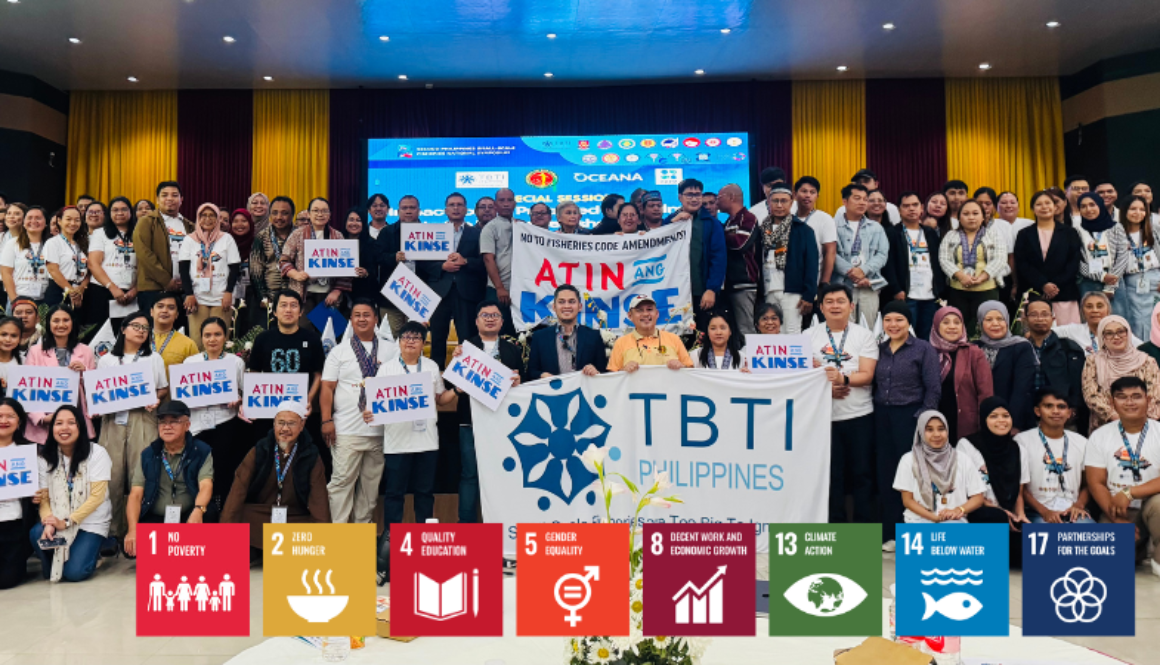
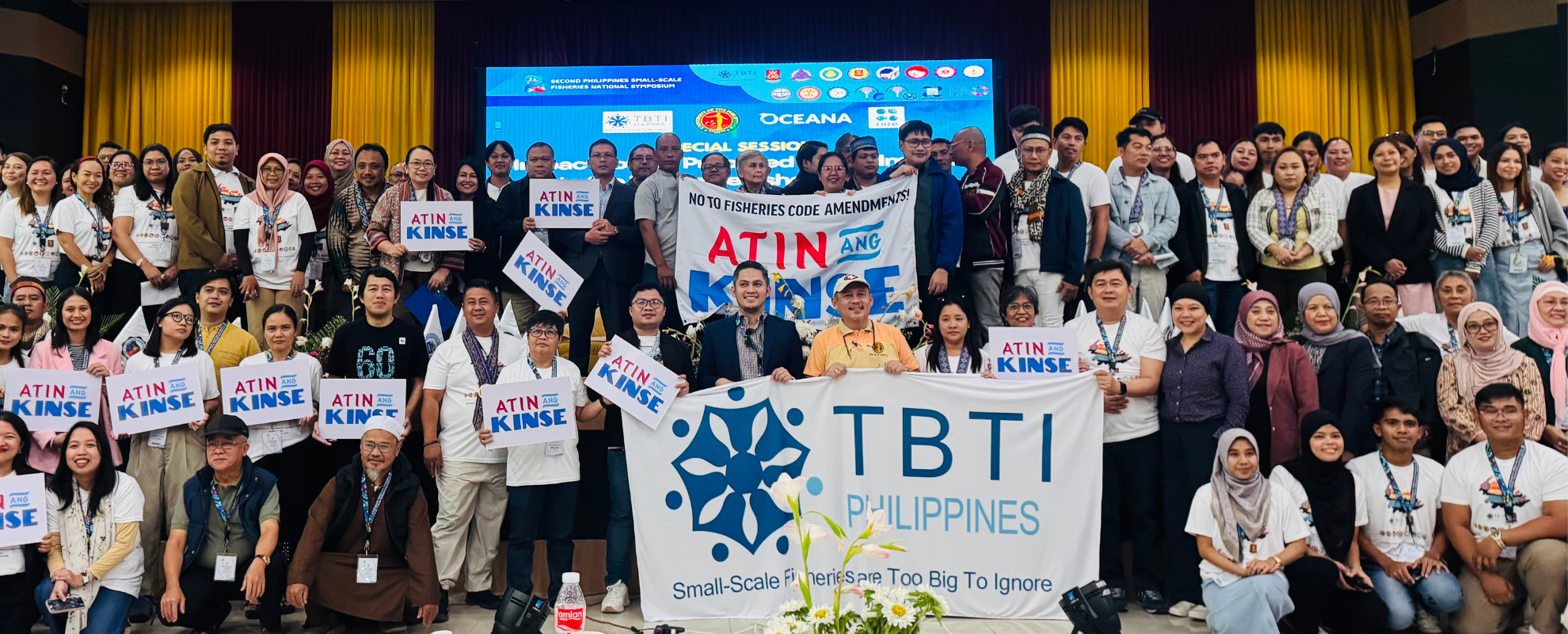
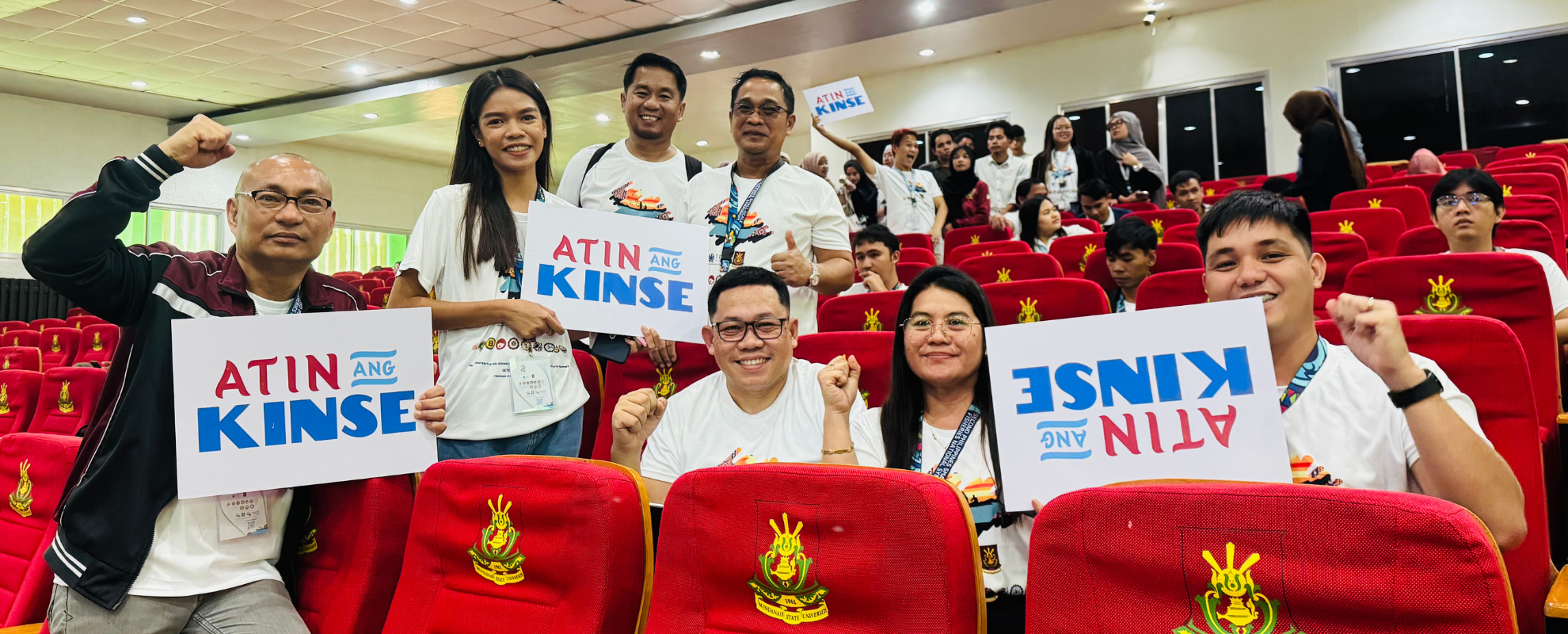
MARAWI CITY — As the Philippines pushes for stronger protection of its small-scale fishers through the “Atin ang Kinse Kilometro” bill, faculty and students from the Iloilo State University of Fisheries Science and Technology (ISUFST) joined hundreds of advocates in Mindanao to turn research into resolve.

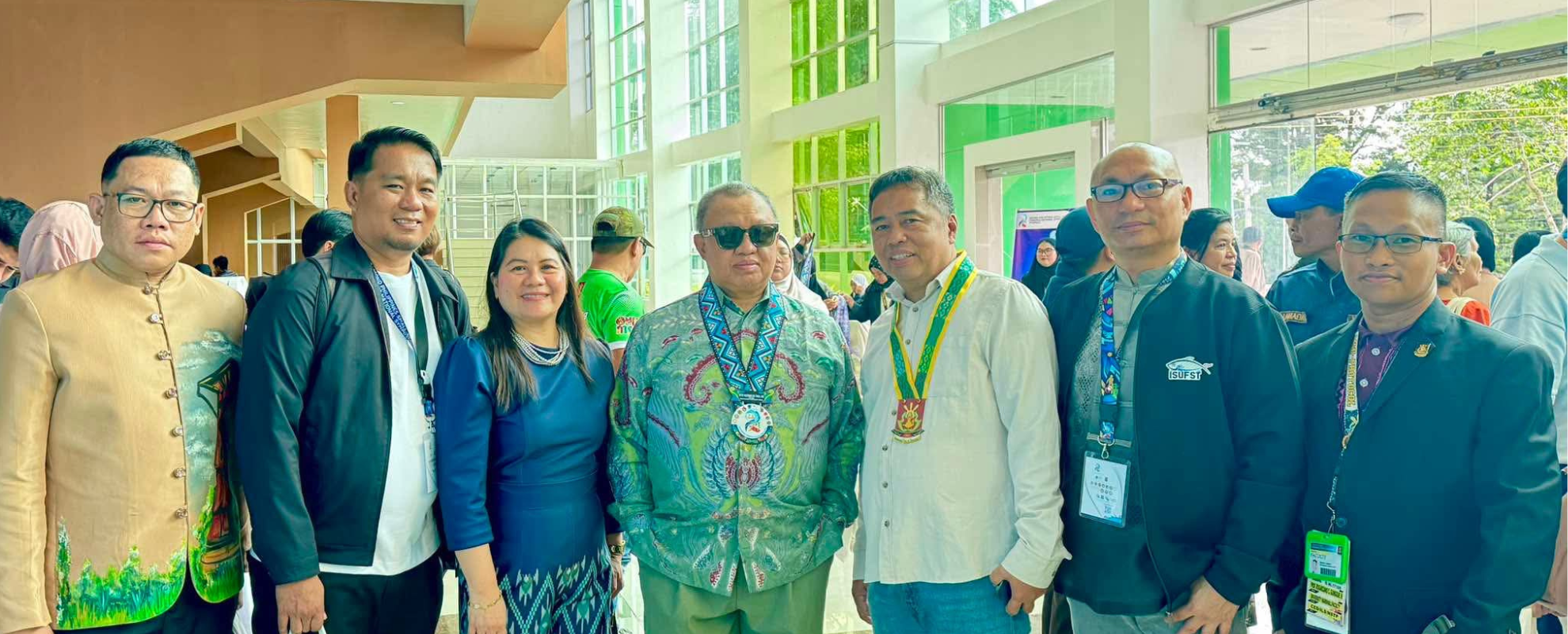
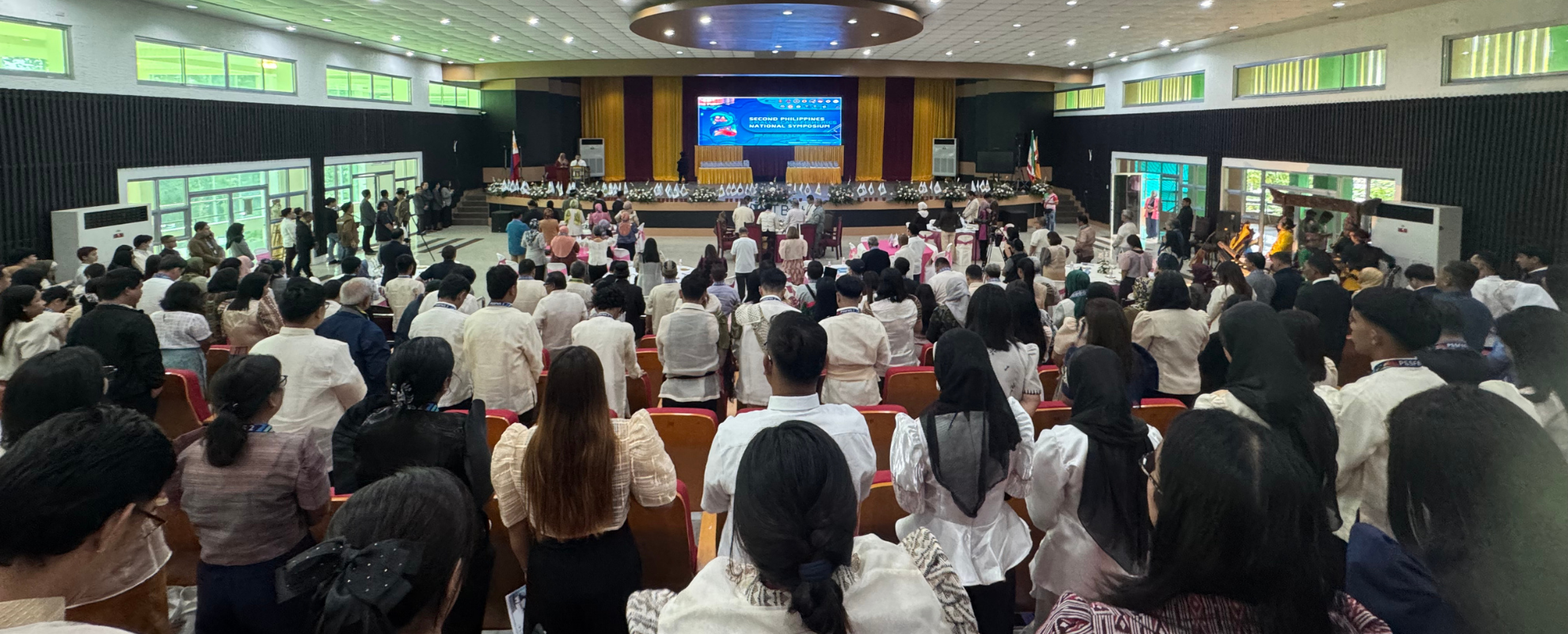
Eight ISUFST delegates—seven faculty members and one fisheries student—presented 16 research and creative works at the Second Philippine Small-Scale Fisheries National Symposium (PSSFNS2) held on October 21–23, 2025, at the Mindanao State University (MSU)–Main Campus in Marawi City. The works, blending science, storytelling, and song, championed sustainability and inclusivity in the country’s small-scale fisheries (SSF) sector.

“Too Big To Ignore”
Gathering over 300 scientists, educators, artists, fishers, students, and policymakers, the three-day symposium carried the theme “From Recognition to Action.” Organized by MSU and Too Big To Ignore (TBTI) Philippines, it called for stronger and fairer policies to protect the country’s 15-kilometer municipal waters—the very heart of the “Atin ang Kinse” campaign, which fights for the rightful space of small fishers in their own seas.
“This consortium of universities, agencies, and communities aims to make small-scale fisheries visible, viable, and sustainable,” said Dr. Glen Lorenzo, MSU Vice President for Research and Extension. The gathering also tackled pressing issues such as climate change, overfishing, and illegal encroachment by commercial vessels—threats that the pending “Atin ang Kinse Kilometro Bill” (HB 5606) seeks to address.

ISUFST’s Contributions: Science, Art, and Advocacy
Representing ISUFST were Dr. Rolindo B. Demo-os Jr., Dr. Jescel B. Bito-onon, Prof. Rother M. Gaudiel, Dr. Quin Y. Clarito, Dr. Michael B. Dizon, Instructor Jezreel C. Donguila, Dr. Herman M. Lagon, and BS Fisheries student Melody Vaughn Ferrer.
Their diverse outputs—from fisheries research and photo essays to poetry and original songs—embodied ISUFST’s belief that science and culture can work together to heal and protect the seas.
Among the technical studies were “Catch Rates and Fishery Characterization of Filter Nets in Tinori-an River, Iloilo” by Bito-onon and Gaudiel, and “Fishing Smarter: Comparative Analysis of Fish Pot Designs Used by Small-Scale Fishers in Banate Bay” by Clarito.
Ferrer’s team, composed of CFAS students and faculty, presented “Pearl and Other Economically Valuable Oysters of Northern Iloilo: Morphometric Insights for Conservation and Fisheries.” The study highlighted the balance between livelihood and conservation—and won second place in the oral presentation category, besting entries from universities nationwide.
“These projects show how local innovation builds resilience in small-scale fisheries,” said Dr. Bito-onon, ISUFST Director for Research and Development. “It’s not just about data; it’s about empowering the communities that depend on our waters.”

Art Meets Advocacy
The symposium also celebrated creative works that bridged science and human experience. Dr. Herman M. Lagon’s poetry, short stories, and photography collections—“Between Net and Node,” “The Net That Holds,” “Where the Line Holds,” “Of Change,” “Lines of Salt and Hope,” “When Only the Bangkas Rest,” and “When Currents Meet the Roots”—captured the soul of coastal life: its struggles, rhythm, and hope.
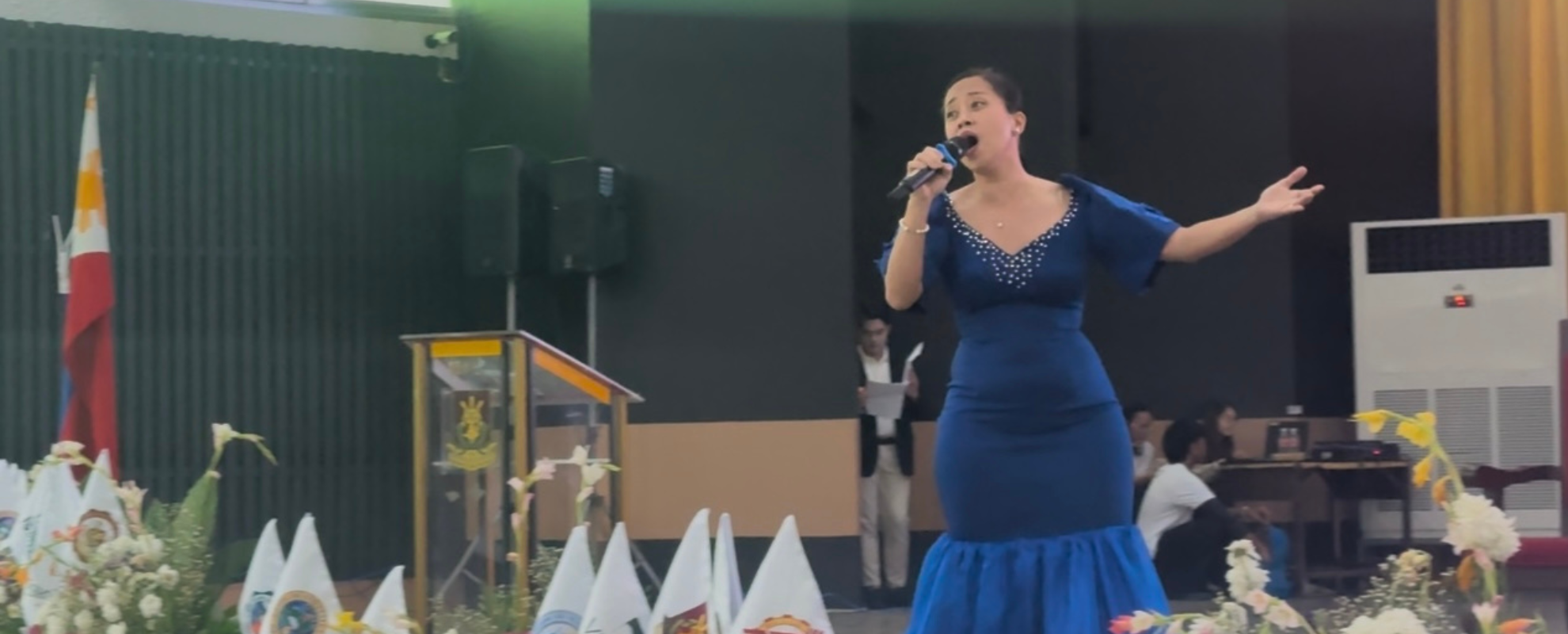
Lagon, together with Instr. Jezreel C. Donguila, also presented two original advocacy songs, “Let the Line Hold” and “The Lines We Cast,” inspired by the Atin ang Kinse campaign. The songs, arranged with karaoke-style visuals and live footage edited by Patrick Lance Nacion using images from Dean Demo-os and Dr. Lagon, were performed by Donguila during the closing plenary and MOA signing ceremony—drawing resounding applause from the audience.
Beyond the symposium halls, the ISUFST delegation experienced Maranao hospitality. On the first night, delegates were treated to a Pagana Meranao dinner—an elaborate ceremonial feast where guests “eat like royalty.” Seated around a grand tabak (ornate tray), they shared flavorful dishes with their hands in true Maranao fashion.

The Marawi Manifesto and a Promise for the Future
The symposium concluded with the signing of the Marawi Manifesto, a collective pledge of support for the Atin ang Kinse movement and the Too Big To Ignore (TBTI) advocacy for inclusive, sustainable, and resilient fisheries. During the signing, Donguila’s live rendition of “Let the Line Hold” and “The Lines We Cast” filled the MSU gymnasium as photos of fisherfolk and coastal communities played onscreen—a moment described by many as “a hymn for the sea and the people who live by it.”
Participants also celebrated the acceptance of Batangas State University (BSU) as the next host of PSSFNS3 in 2026, marking the continued expansion of the TBTI network across the archipelago.
They capped the symposium with a visit to Marawi’s Ground Zero, where the scars of war stood as a solemn reminder that battles for survival come in many forms. Just as Marawi once fought for the right to life and peace, today’s Atin ang Kinse movement fights for the right of small fishers—and the seas they depend on—to live and thrive.

A Shared Mission
ISUFST President Dr. Nordy D. Siason Jr. commended the delegation for embodying the university’s vision of blending “science, culture, arts, and compassion in service of people and planet.” He emphasized that ISUFST’s efforts directly align with the United Nations Sustainable Development Goals, particularly SDG 14 (Life Below Water), SDG 2 (Zero Hunger), and SDG 13 (Climate Action).
For ISUFST, the symposium was more than an academic event—it was a reminder of purpose. “When we tell the stories of small fishers, artistically and scientifically,” said Lagon, “we’re also telling the story of our shared future.”

The PSSFNS2 came at a crucial time, as fisherfolk groups renewed calls for the passage of the “Atin ang Kinse Kilometro Bill” (HB 5606). The measure seeks to restore small fishers’ exclusive rights to municipal waters—rights recently challenged by a court ruling favoring commercial vessels.
From the shores of Banate to the lakes of Lanao, the message of PSSFNS2 was clear: small-scale fishers are too big to ignore. (PAMMCO)
#ISUFSTisdaFirst #ISUFSTCommunity #PAMMCOStoriesThatMatter #AtinAngKinse #PSSFNS2 #LifeBelowWater


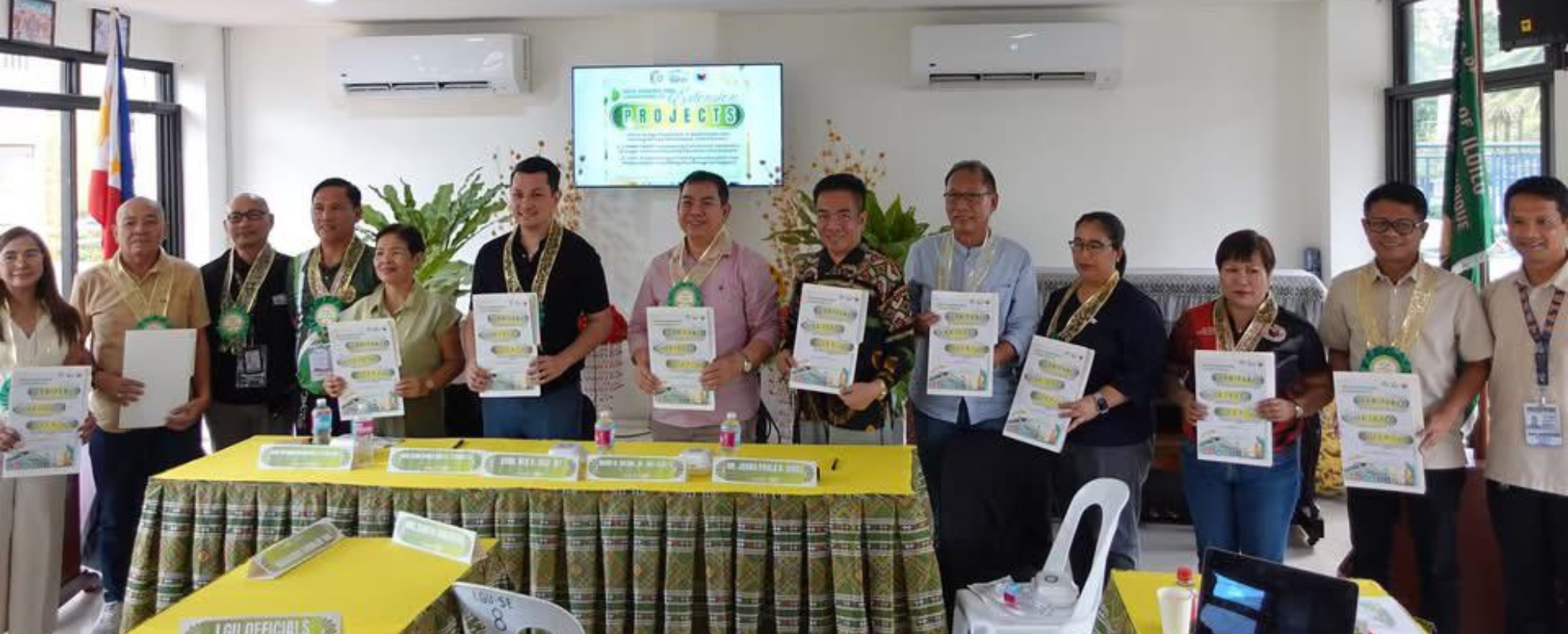
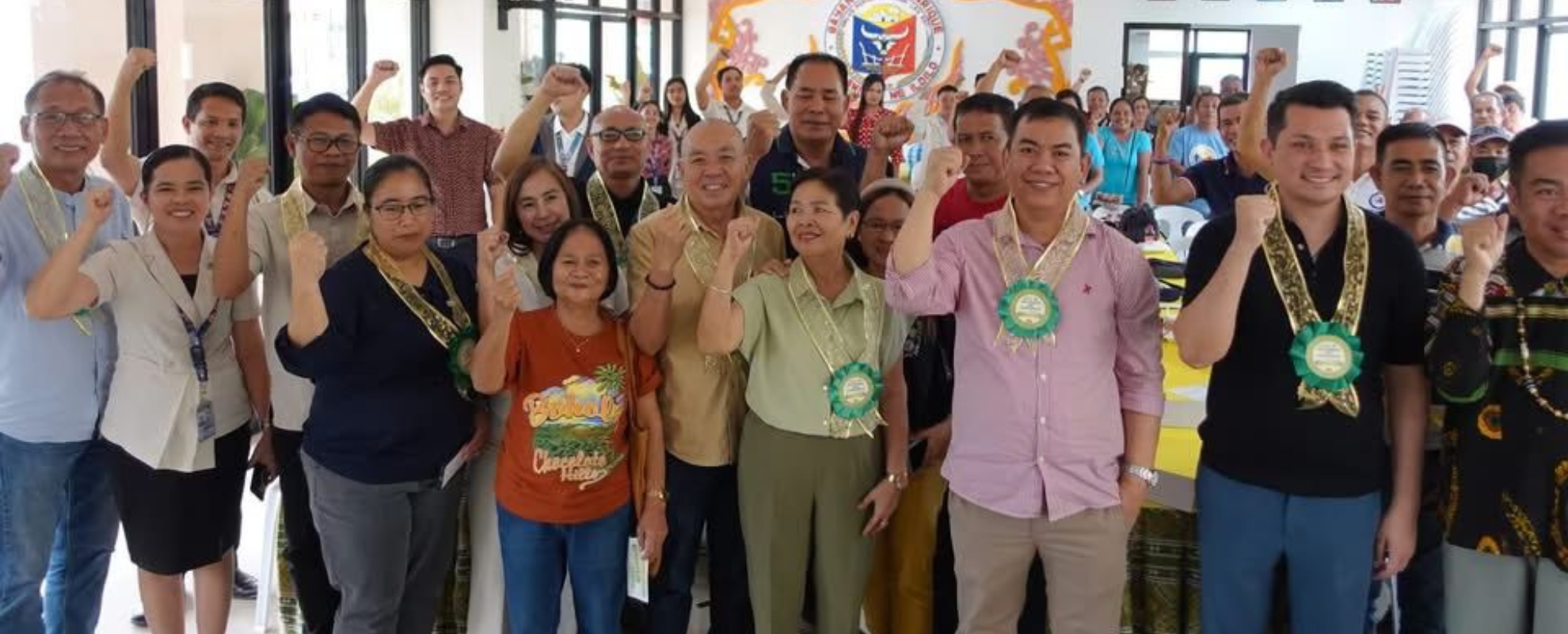
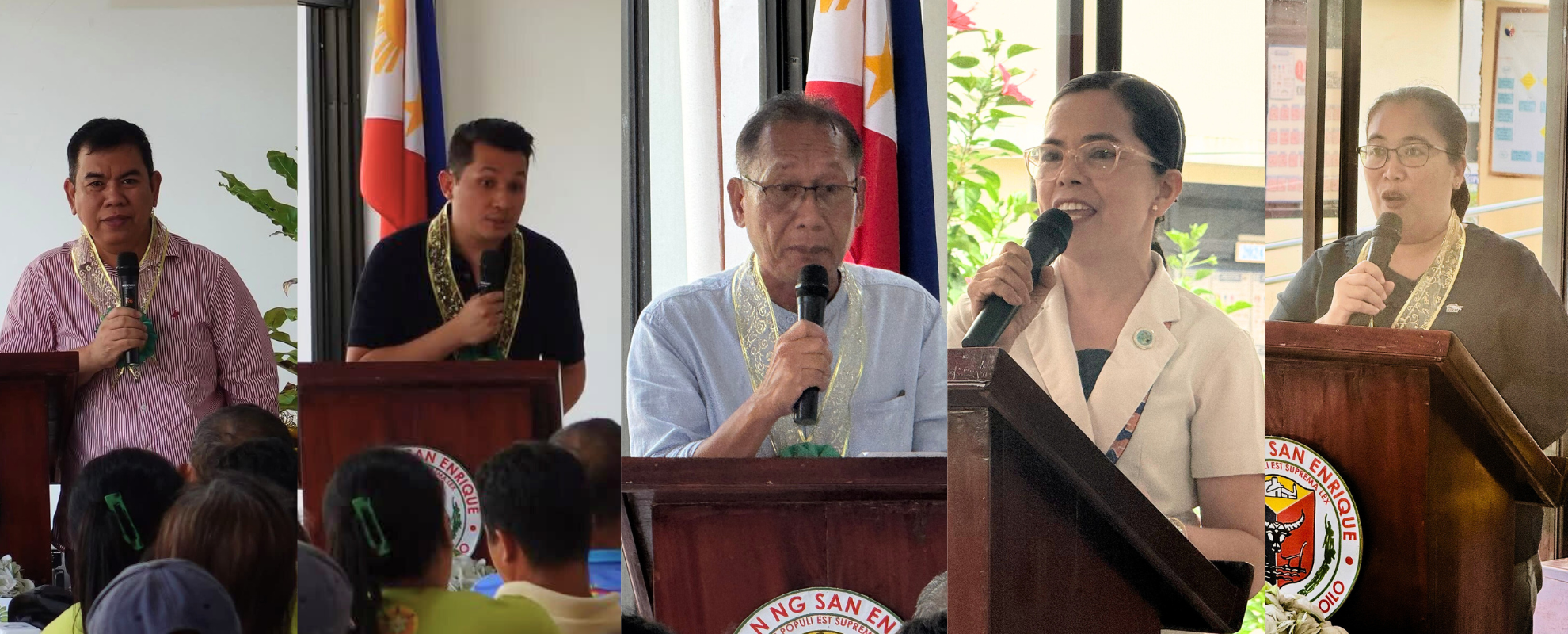
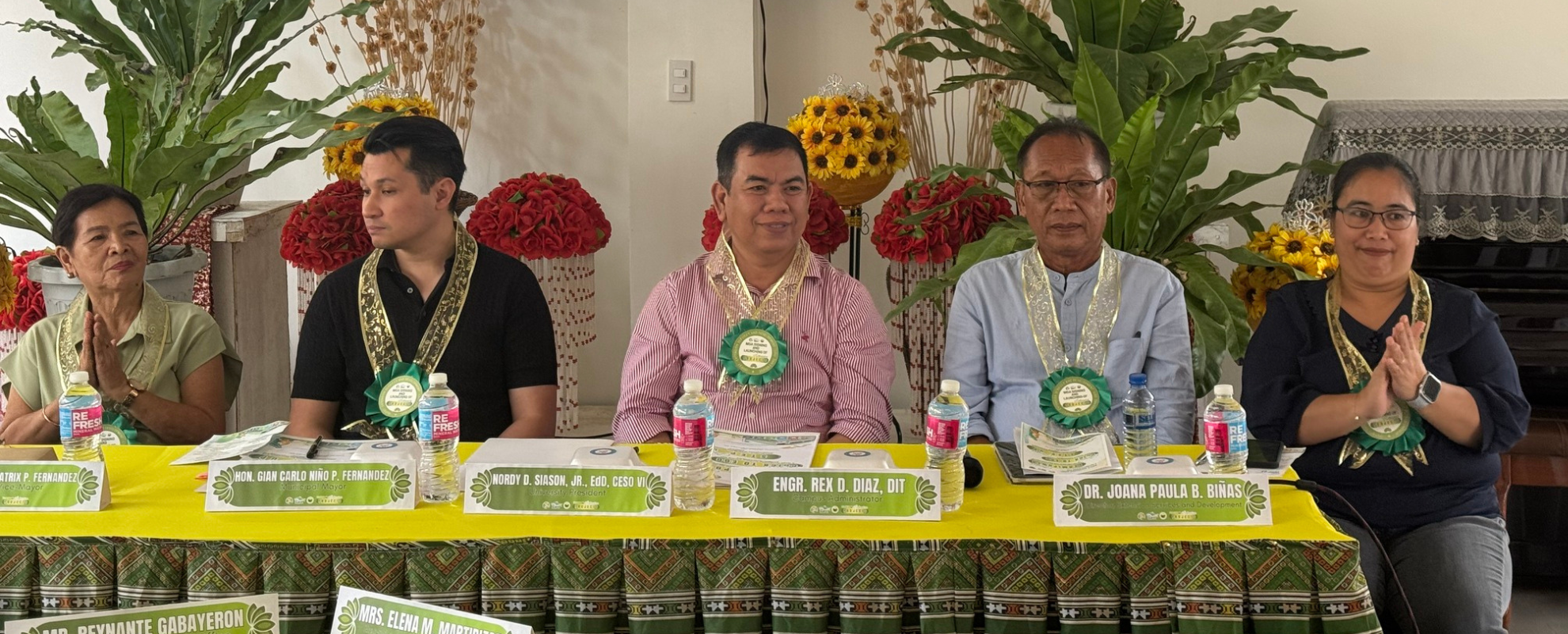
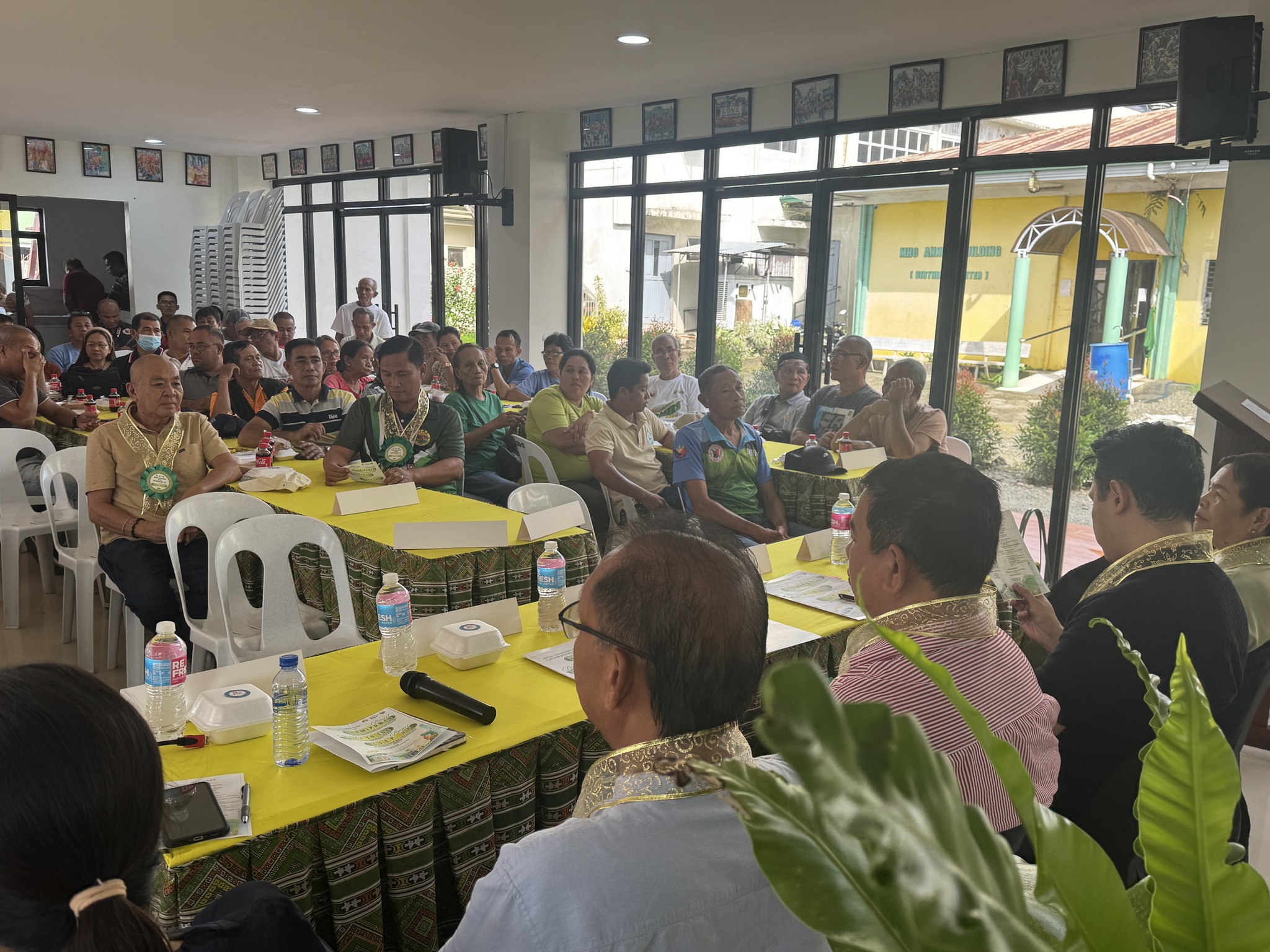
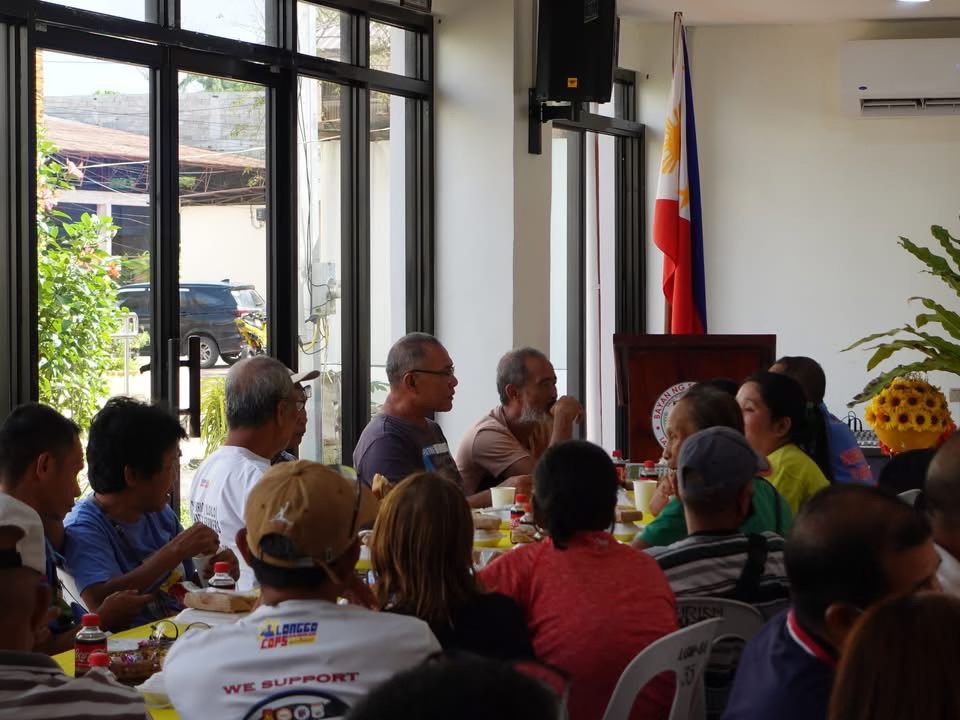
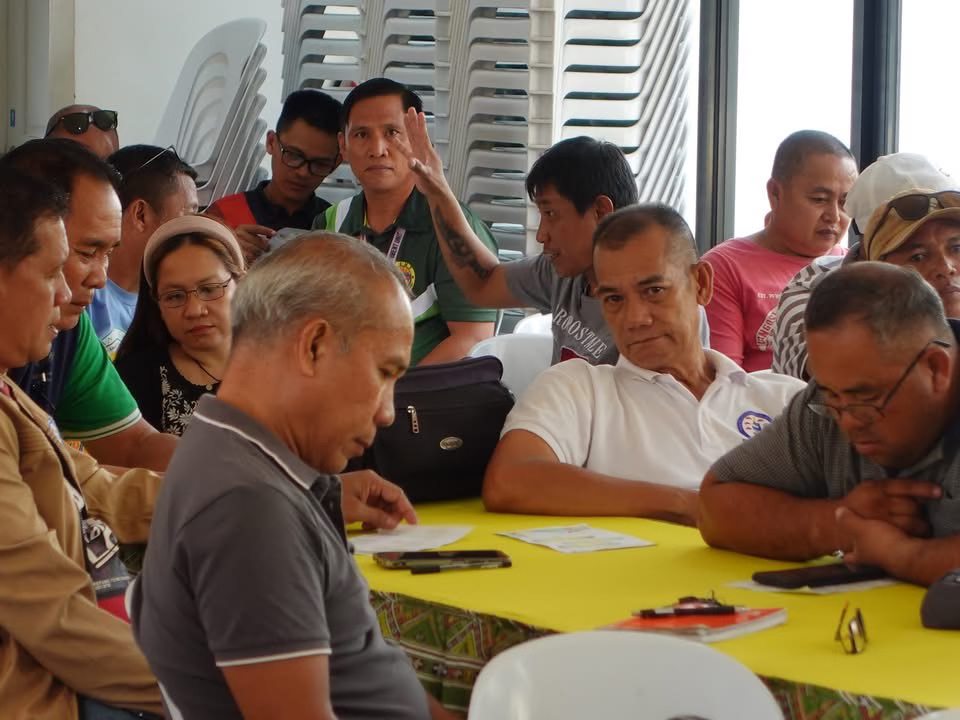
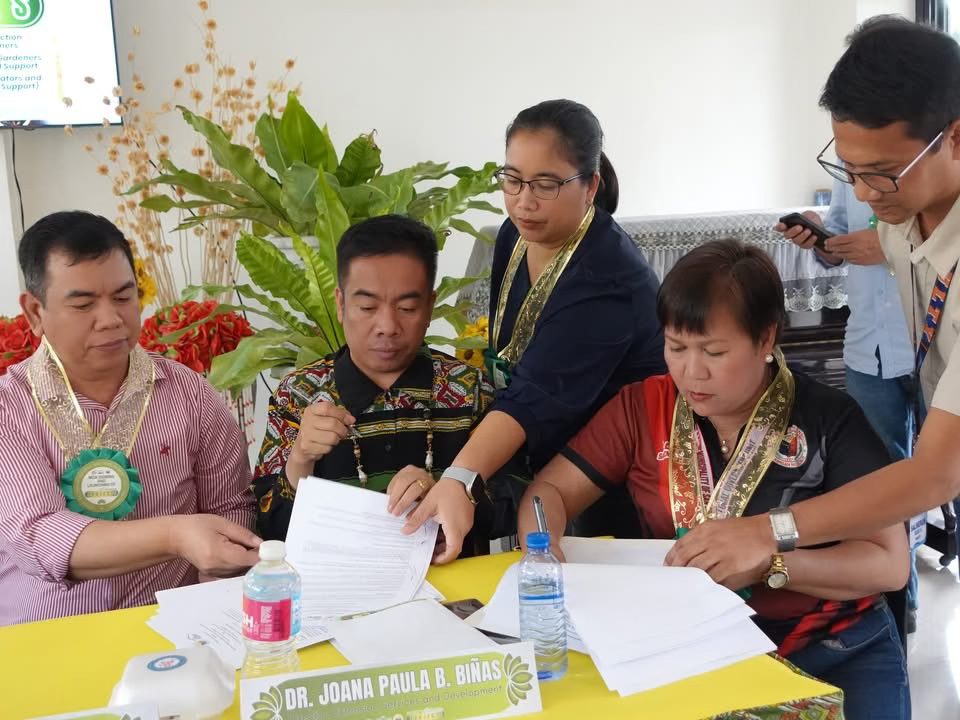
SAN ENRIQUE, ILOILO — A partnership between the Iloilo State University of Fisheries Science and Technology (ISUFST) and the Municipal Government of San Enrique officially launched three major initiatives—the Vermipower Project, Chick to Egg Project, and STEP UP Project—on Tuesday, October 14, 2025, at the Tourism Conference Hall in San Enrique, Iloilo. The collaboration, led by ISUFST President Dr. Nordy D. Siason Jr. and Mayor Gian Carlo Niño P. Fernandez, aims to strengthen local livelihoods, promote environmental sustainability, and enhance psychological wellness across the municipality.

The three projects—rooted in education, sustainability, and social responsibility—represent ISUFST’s mission to bring research-based solutions to communities in line with its guiding principles of integrity, social justice, discipline, and academic excellence.

The Vermipower Project, headed by Dr. Myrna P. Prudente, promotes organic waste management through vermicomposting education and technical support. It seeks to empower backyard and community gardeners by teaching sustainable composting practices that enrich soil and reduce household waste, aligning with the United Nations Sustainable Development Goal (SDG) 12: Responsible Consumption and Production.

Meanwhile, the Chick to Egg Project, led by Instructor Rezeld P. Alarva, provides quail production training for farmers in San Enrique. The initiative aims to expand income-generating opportunities in the agricultural sector by integrating science-based methods in small-scale poultry production. It also contributes to SDG 2: Zero Hunger by supporting local food security and livelihood diversification. The third initiative, the STEP UP Project (San Enrique Training for Educators and Professionals in Uplifting Psychological Support), led by Dr. Herman M. Lagon, focuses on strengthening the mental health and psychosocial support capacities of teachers, guidance advocates, and community leaders. The two-year program provides training in counseling, stress management, and psychological first aid to enhance well-being in schools and communities, directly supporting SDG 3: Good Health and Well-Being and SDG 4: Quality Education. ISUFST President Dr. Siason emphasized that the partnership reflects the university’s continuing commitment to community development and local empowerment, expressing hope that the projects would later expand to other municipalities. Mayor Fernandez, for his part, underscored the importance of applying scientific approaches to farming and livelihood programs. He also noted that mental health advocacy is close to his heart, acknowledging that “everyone faces quiet battles,” and that having someone who listens “can make a big difference.”

Dr. Jose Patubo, San Enrique’s counterpart for the STEP UP Project, noted that the initiative will benefit all 21 elementary schools, one private school, and four national high schools in the municipality. He said the program, that also partners with DepEd and a team of mental health experts and advocates of WVSU College of Education, would concretely assist guidance designates, teachers, local health workers, and parents in supporting students’ mental and emotional well-being. The three projects signify ISUFST’s continuous mission to empower communities through education, innovation, and compassion—core values aligned with its vision to be a leading research university in fisheries, agriculture, education, and technology in Southeast Asia by 2030. (San Enrique Iloilo Tourism | Russel Yamit | PAMMCO) – collect sdgs

SIBALOM, ANTIQUE—The Iloilo State University of Fisheries Science and Technology (ISUFST) proudly brought home several awards from the 14th PASUC VI–Extension Managers’ Council (EMC) Regional Symposium and General Assembly, hosted by the University of Antique on September 30 to October 2, 2025.
Carrying the theme “Extension Beyond Boundaries: Strengthening Impact Through Innovation, Inclusion, and Integration,” the gathering brought together SUC leaders and extension workers across Western Visayas to highlight projects that touch lives beyond the campus.

At the forefront was Dr. Myrna P. Prudente, Dean of the College of Agriculture, who won Best Extension Paper in the Agri-Fishery, Food, and Environment category for her “Good Agricultural Practices Extension Project (GAPSEP).” “Our farmers need not only knowledge but also tools they can apply immediately in their fields. This project is about making science real and useful in their daily lives,” Prudente said.

Dr. Pia P. Paz, Dean of the College of Management, was named Best Presenter for her “Health Education and Livelihood Program for Indigenous People.” She described extension work as empowerment, adding, “Programs like these are proof that extension work is not just service—it is empowerment.”

Dr. Donabelle D. Mongao of the Dumangas Campus also shone, winning Best Paper Presenter and Second Place Extension Paper for her study on “Revisiting the Marketability of Dumangas District Jail’s Bangus Kropek.” “Even in the most unexpected places, entrepreneurship can bring dignity and hope,” Mongao shared.

Rounding off ISUFST’s victories was Dr. John Vincent Manalo of Barotac Nuevo, who placed Second in the Entrepreneurship and Circular Economy category for his work on community-based business models.

The ISUFST team was led by Dr. Joana Paula B. Biñas of the Office of Extension Services and Development, and included representatives from Tiwi, Barotac Nuevo, Dingle, Dumangas, and San Enrique campuses. Biñas credited the collective win to teamwork and the strong support of ISUFST President Dr. Nordy D. Siason Jr., VPAA Dr. Joan M. Belga, and VPAD Dr. Johnny B. Dolor.
The event highlighted how state universities are advancing the UN Sustainable Development Goals, particularly Zero Hunger (SDG 2), Good Health and Well-being (SDG 3), and Decent Work and Economic Growth (SDG 8). For ISUFST, the wins reaffirm its mission to deliver research and extension programs that uplift communities and build resilience. (Ian Galupar/Herman Lagon/PAMMCO)
#isufstisdafirst #isufstcommunity #isufst #pammcostoriesthatmatter