𝐅𝐚𝐜𝐮𝐥𝐭𝐲 𝐟𝐫𝐨𝐦 𝐟𝐢𝐯𝐞 𝐜𝐚𝐦𝐩𝐮𝐬𝐞𝐬 𝐬𝐡𝐨𝐰𝐜𝐚𝐬𝐞 𝐢𝐧𝐢𝐭𝐢𝐚𝐭𝐢𝐯𝐞𝐬 𝐨𝐧 𝐞𝐝𝐮𝐜𝐚𝐭𝐢𝐨𝐧, 𝐥𝐢𝐯𝐞𝐥𝐢𝐡𝐨𝐨𝐝𝐬, 𝐟𝐢𝐬𝐡𝐞𝐫𝐢𝐞𝐬, 𝐞𝐧𝐯𝐢𝐫𝐨𝐧𝐦𝐞𝐧𝐭𝐚𝐥 𝐬𝐮𝐬𝐭𝐚𝐢𝐧𝐚𝐛𝐢𝐥𝐢𝐭𝐲, 𝐚𝐧𝐝 𝐜𝐨𝐦𝐦𝐮𝐧𝐢𝐭𝐲 𝐝𝐞𝐯𝐞𝐥𝐨𝐩𝐦𝐞𝐧𝐭
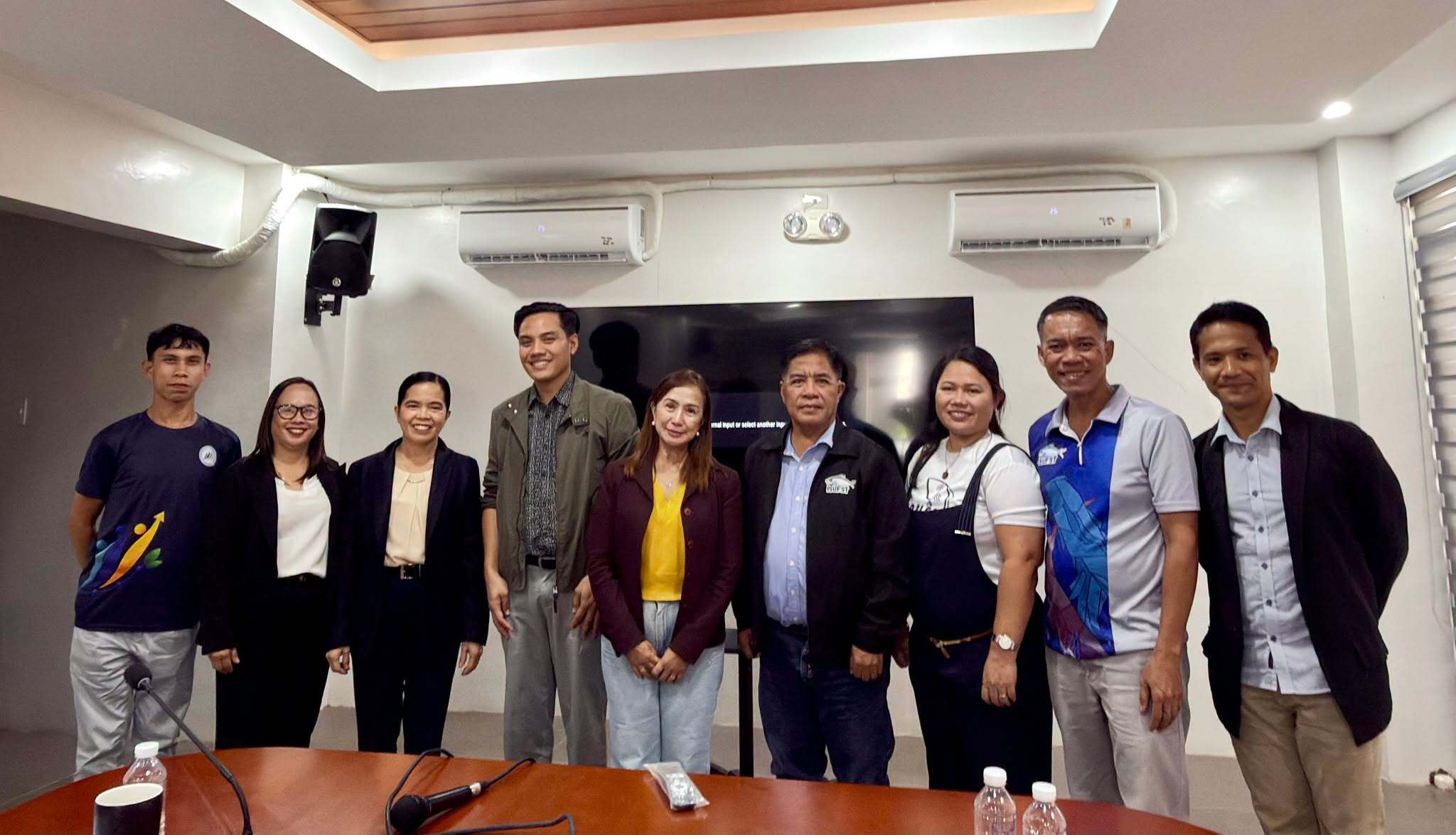
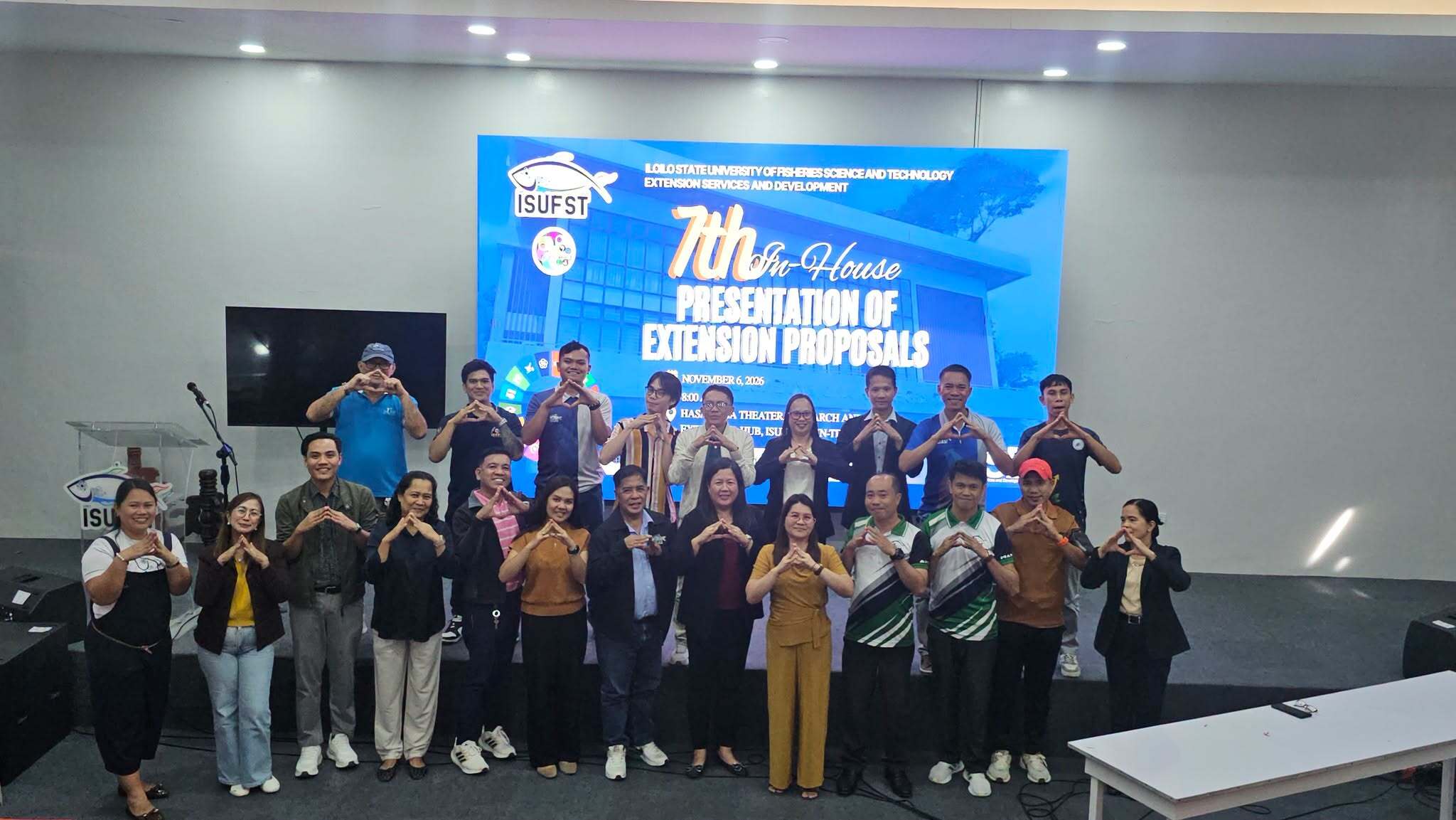
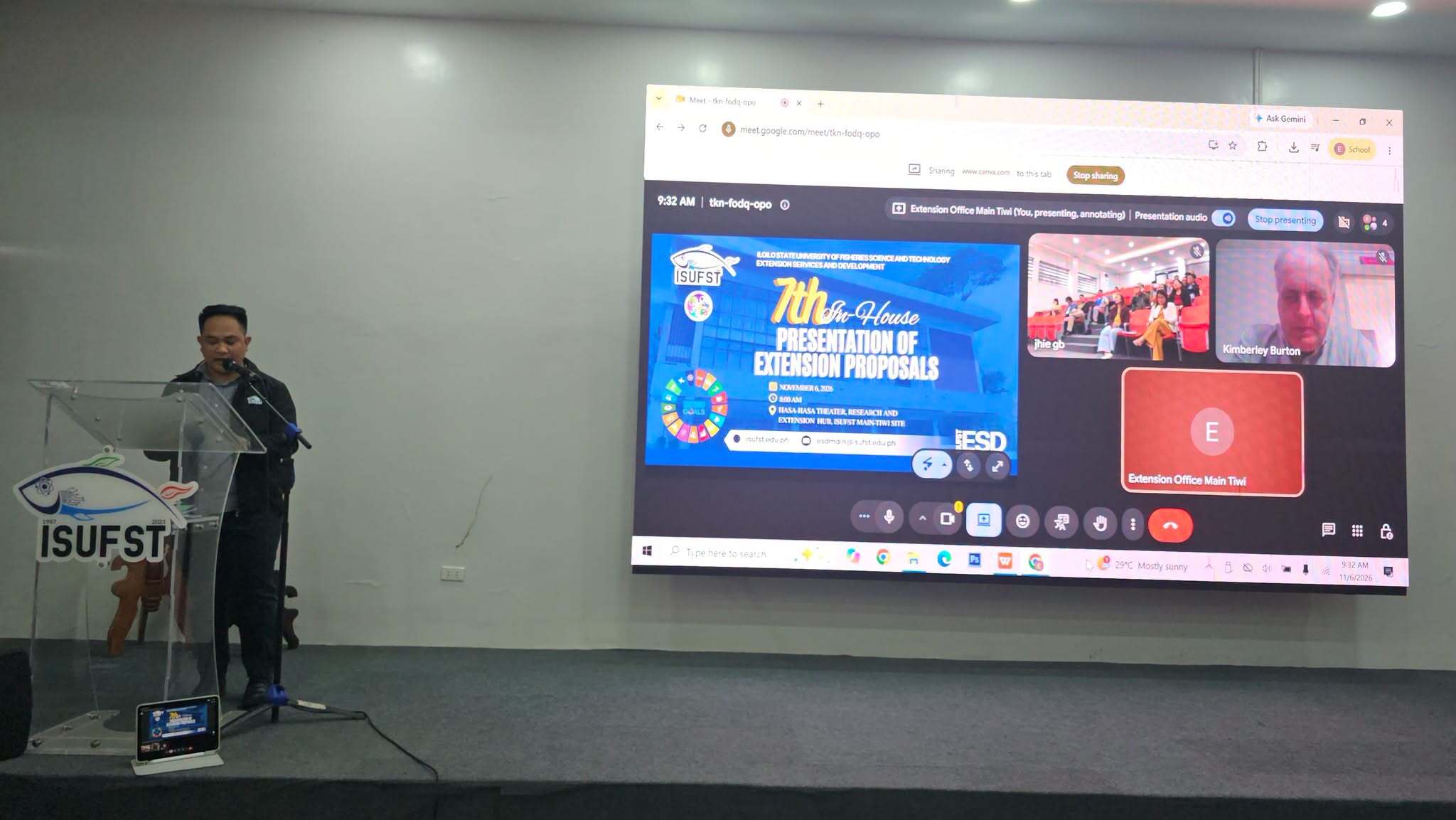
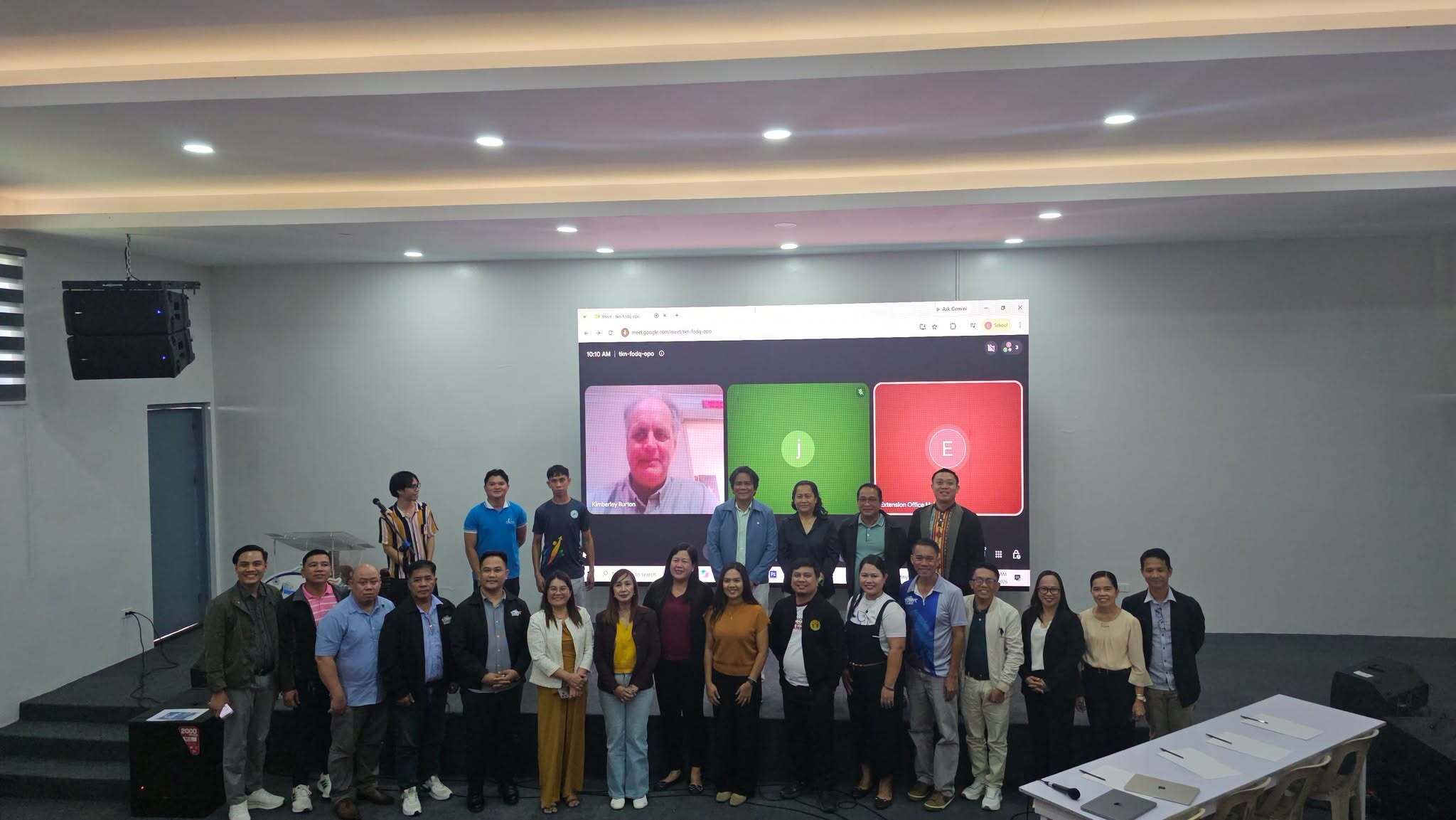
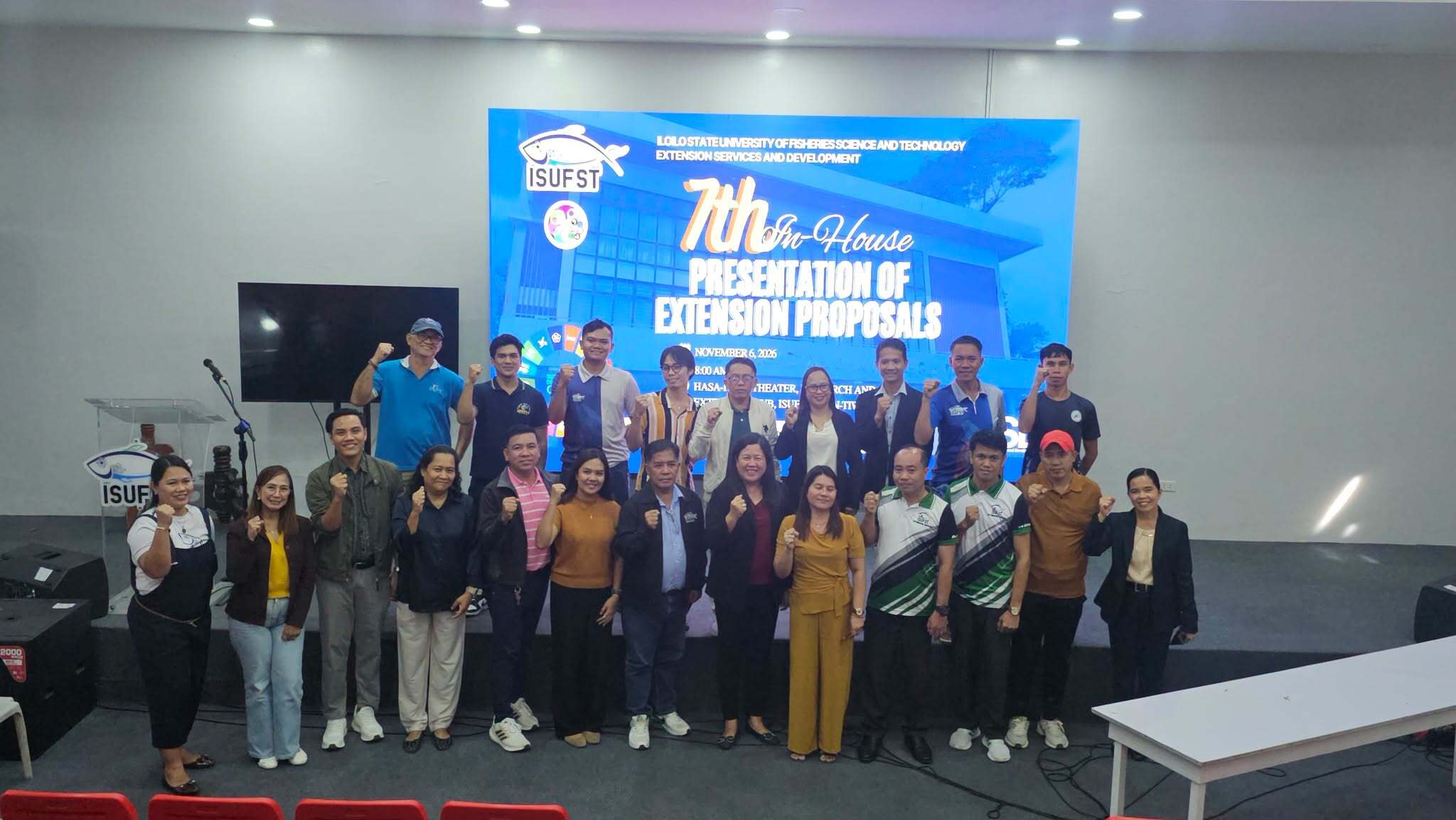
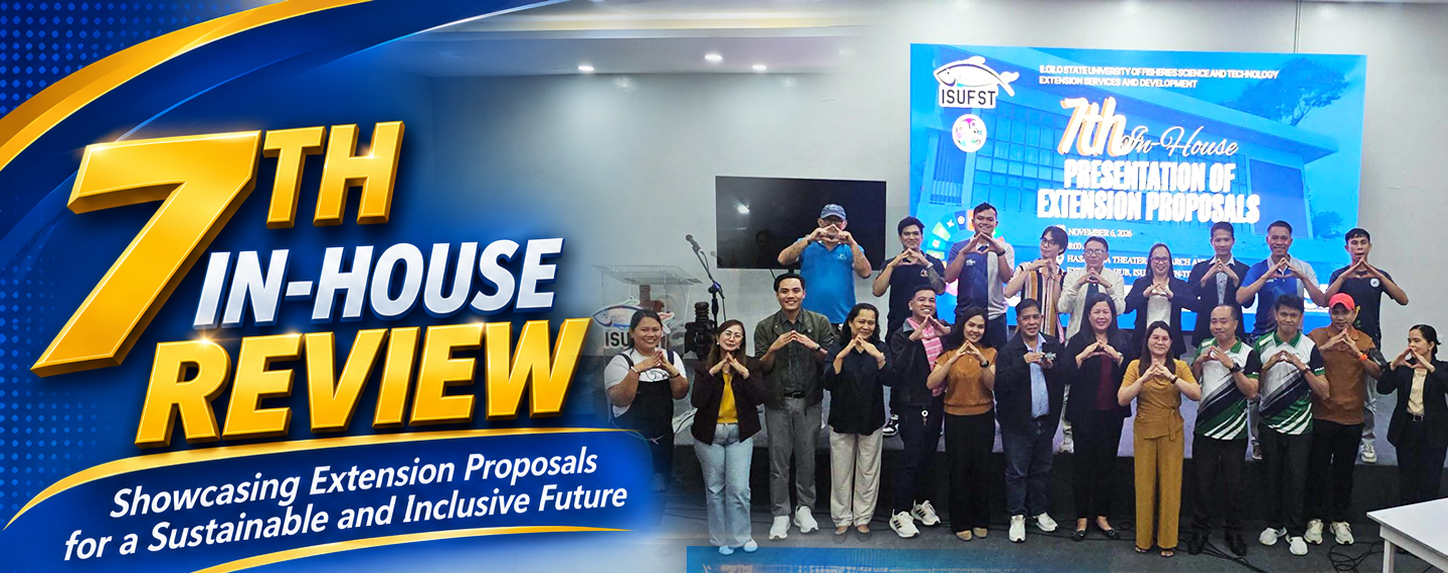
BAROTAC NUEVO, Iloilo | November 6, 2026 — The Iloilo State University of Fisheries Science and Technology (ISUFST) held its 7th In-House Presentation of Extension Project Proposals on Friday, November 6, bringing together faculty members and extension workers from its five campuses to present 20 proposed community development initiatives for evaluation and refinement.
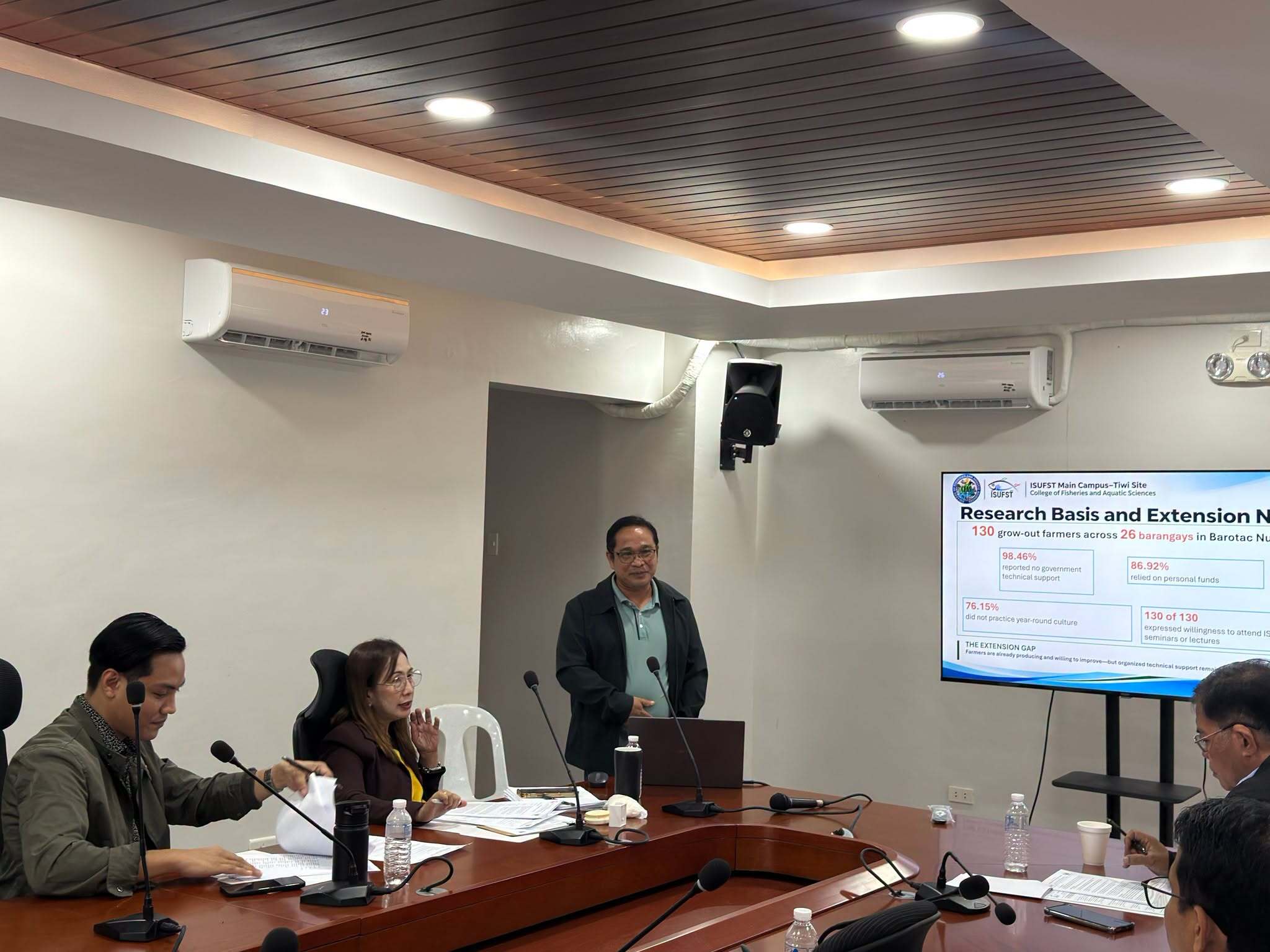
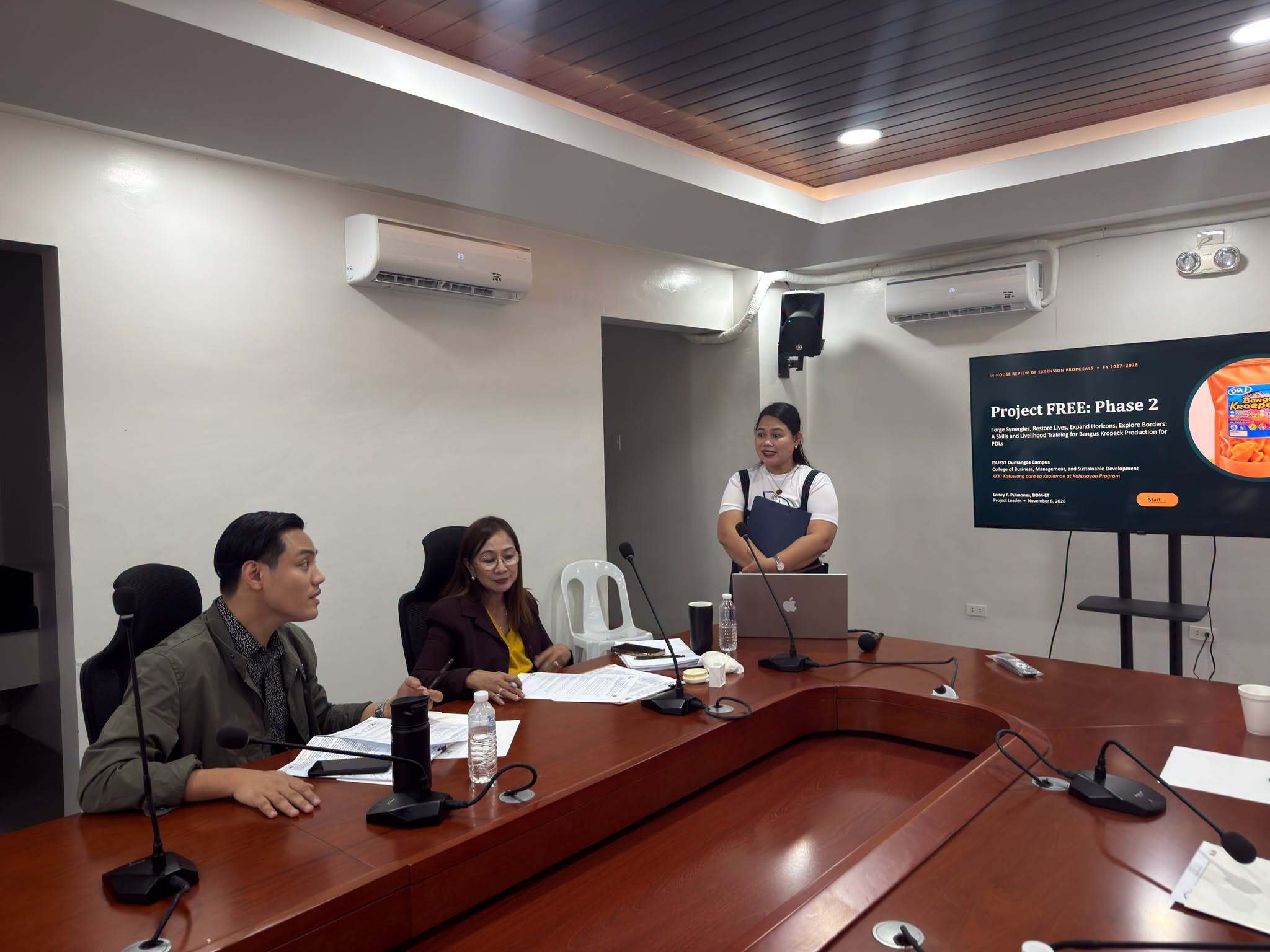
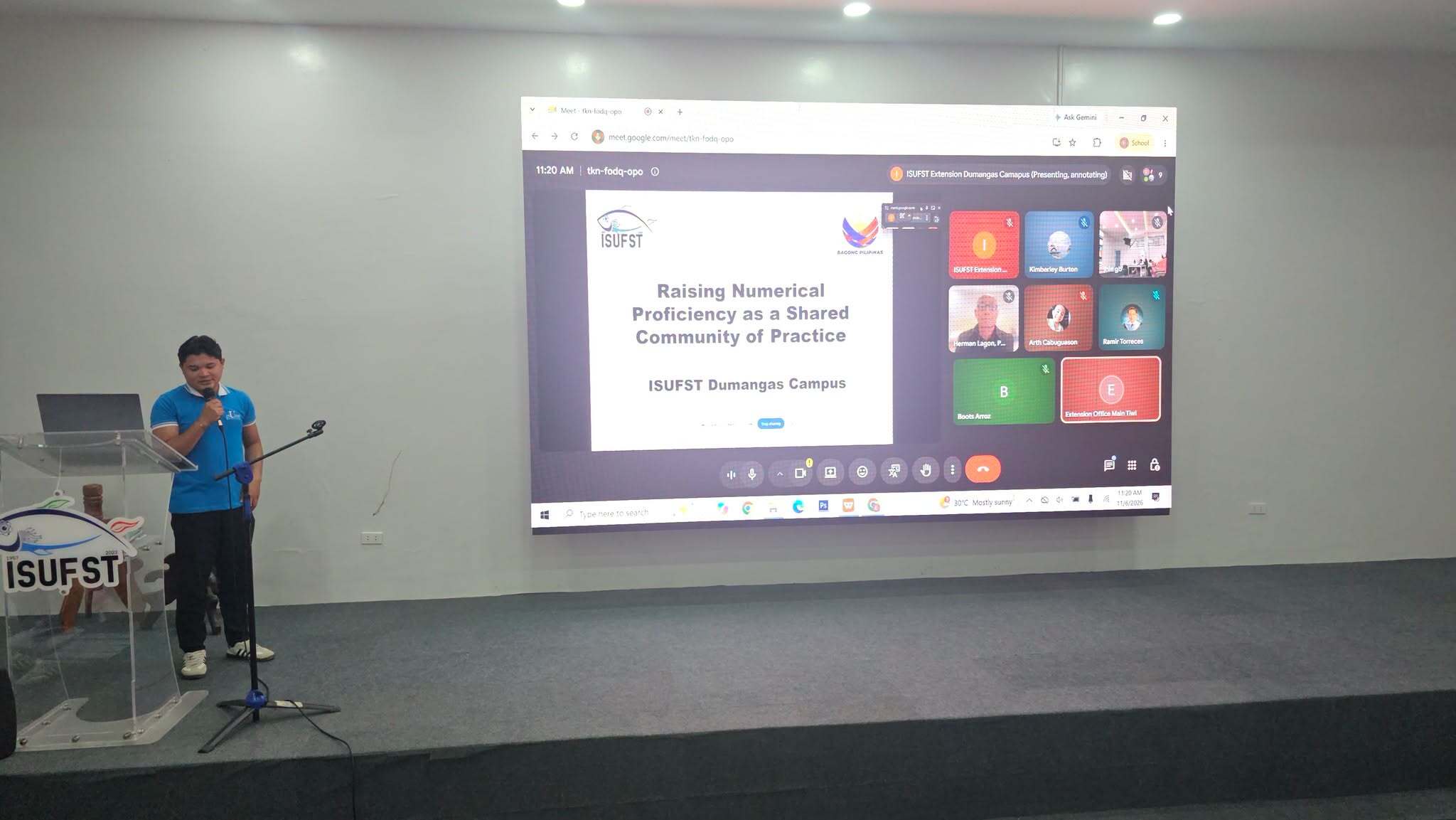
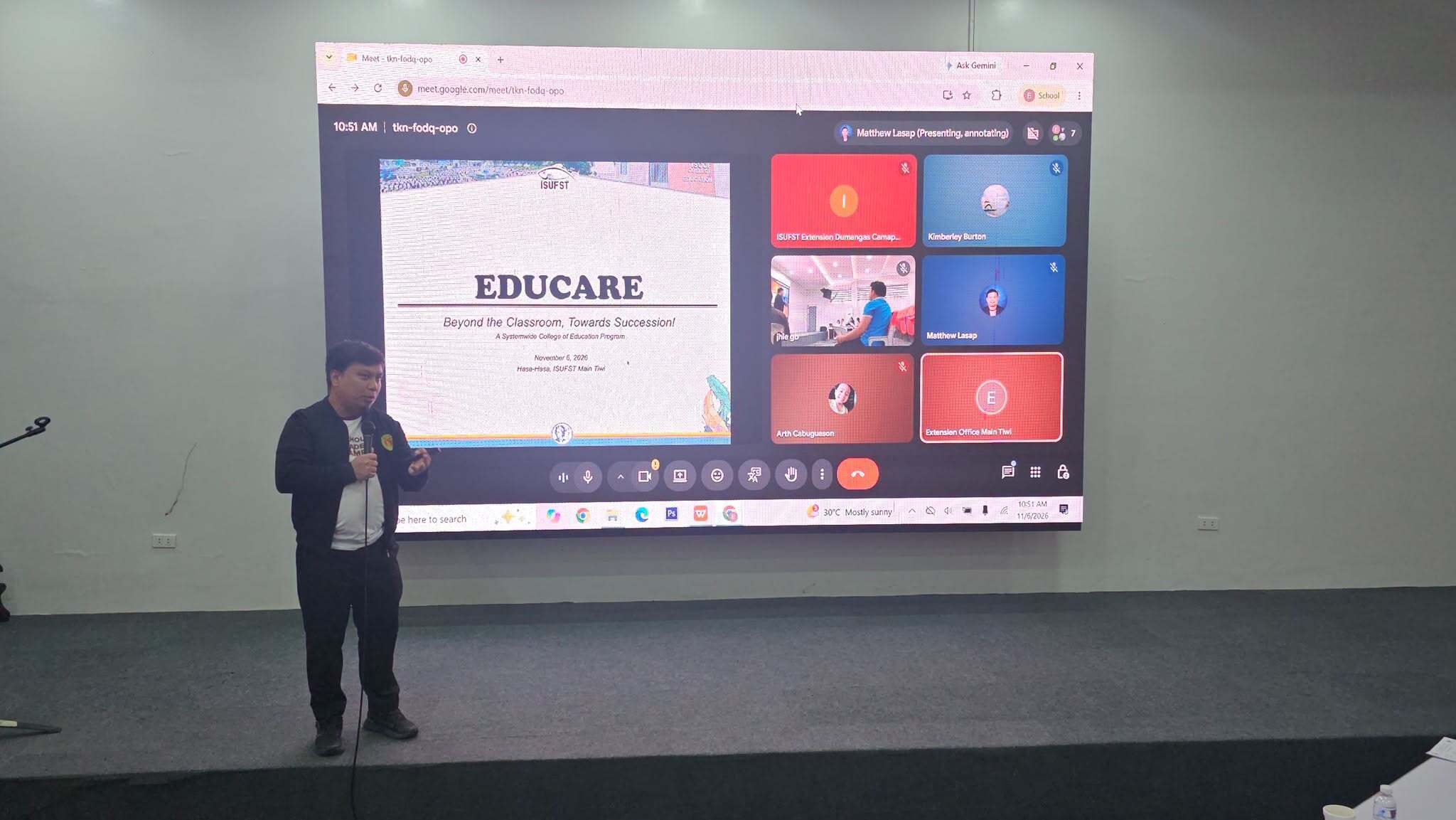
Organized by the Extension Services and Development (ESD) Office and the Office of International Affairs and Linkages (OIAL), the hybrid activity was conducted at the Research and Extension Hub, ISUFST Main Campus–Tiwi Site, with parallel presentation sessions at the Hasa-Hasa Theater and Sap-sap Conference Room.
The proposals addressed a wide range of community concerns, including education, psychosocial well-being, agriculture, fisheries, livelihood development, entrepreneurship, environmental protection, community health, disaster preparedness, tourism, and institutional capacity-building.
A highlight of the event was the presentation of Kimberley David Burton, Founder and Strategic Lead of Guild of Life Limited and Guild of Life TV, Australia. Burton discussed the organization’s journey toward developing an eco-village hub and its circular economy initiatives, highlighting approaches to responsible resource use, waste reduction, recycling, and sustainable community development.
Livelihoods, Agriculture, Fisheries, and Community Nutrition
Dr. Loney Pulmones presented a proposal focusing on skills development and livelihood training for persons deprived of liberty, emphasizing opportunities to develop practical competencies that may support their personal development and future economic participation.
Dr. Quin Y. Clarito discussed capacity-building for freshwater fish growers in Barotac Nuevo, focusing on strengthening knowledge and practices related to freshwater fish production and livelihood development.
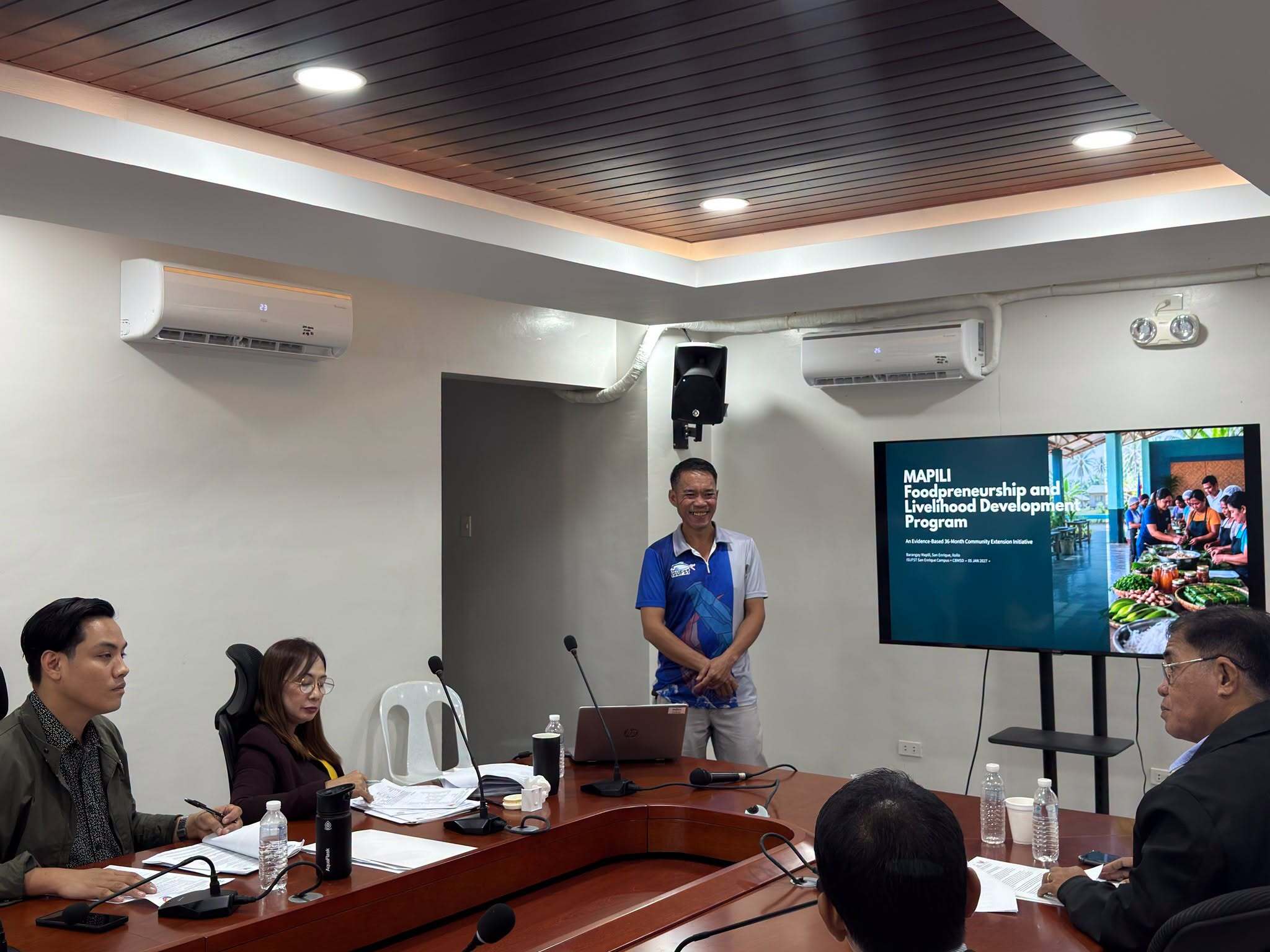
Instructor Brian Focbit presented a community-based initiative combining culinary skills development, food safety, and entrepreneurship, with the aim of helping community participants develop practical food-related competencies and explore income-generating opportunities.
Instructor Darwin Alfin focused on agricultural livelihood development for solo parents, proposing capacity-building activities that could help participants improve their agricultural skills and explore sustainable sources of income.
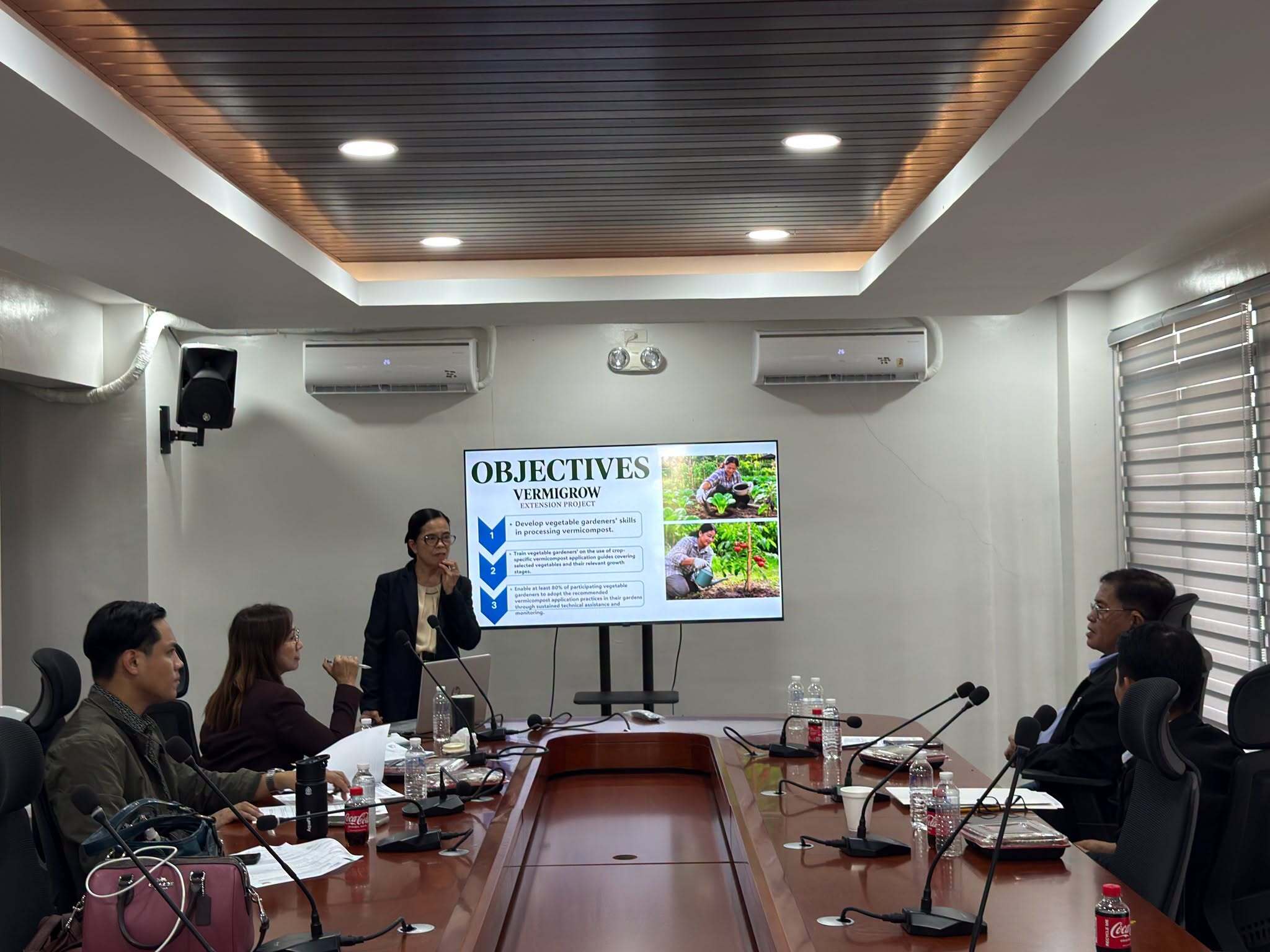
Dr. Myrna Prudente discussed sustainable vegetable gardening and organic resource utilization, emphasizing practical approaches to food production, gardening, and the responsible use of available organic materials.
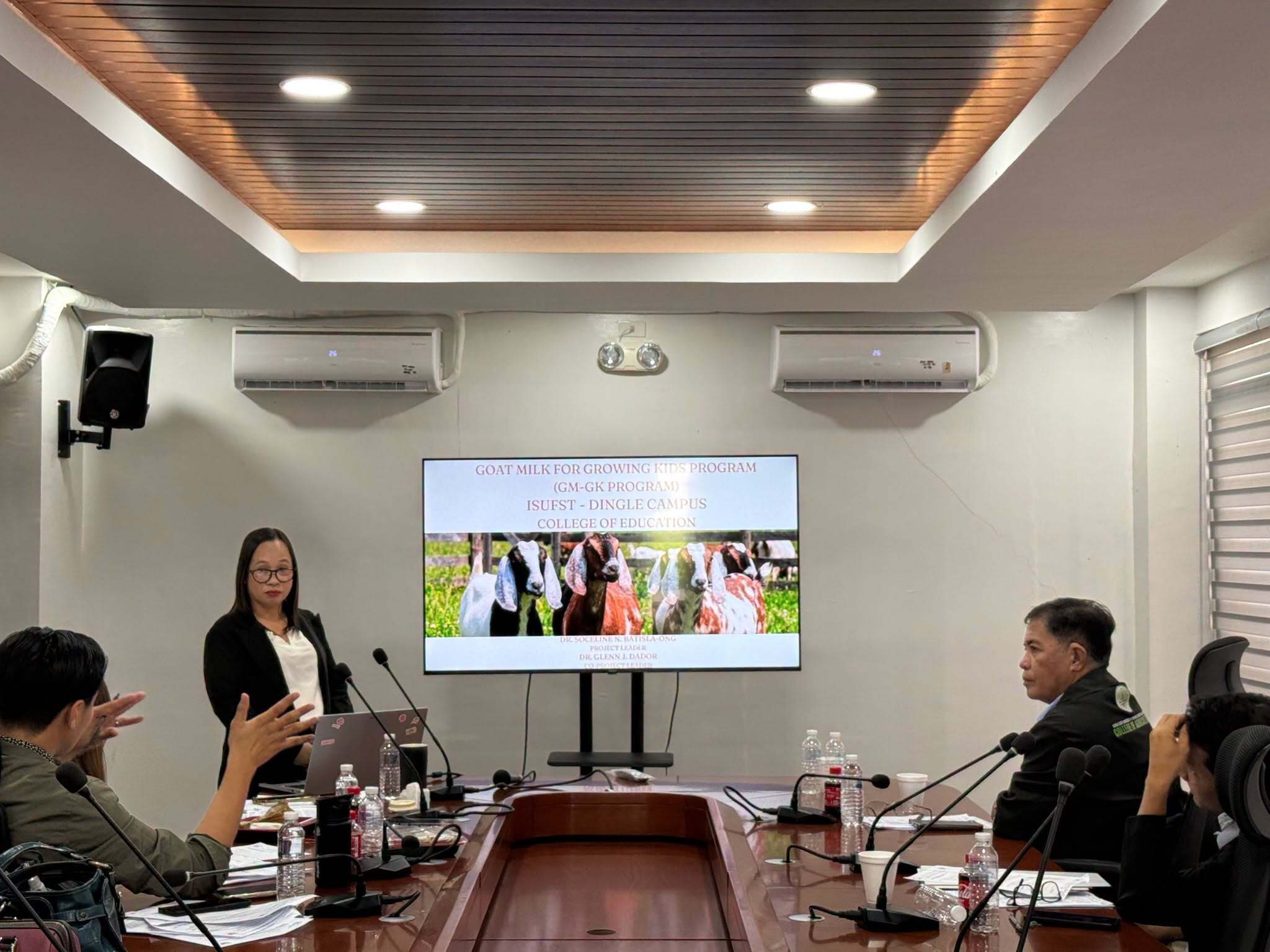
Dr. Soceline Batisla-Ong presented a community nutrition initiative involving goat milk, exploring its role in nutrition-related community interventions and opportunities to strengthen awareness of locally available food resources.
Dr. Kristine P. Pelaez presented an initiative addressing coastal resource management, environmental stewardship, and sustainable livelihoods, focusing on the relationship between protecting coastal ecosystems and supporting communities that depend on these resources.
Education, Psychosocial Support, and Research Competencies
Dr. Matthew T. Lasap presented a proposal on educational support beyond the classroom, emphasizing the importance of extending learning assistance and educational opportunities through community-based approaches.
Mr. JB G. Hortinela discussed improving numeracy proficiency through collaborative professional learning, focusing on strengthening educational practices and cooperation among educators to better support learners’ mathematical development.
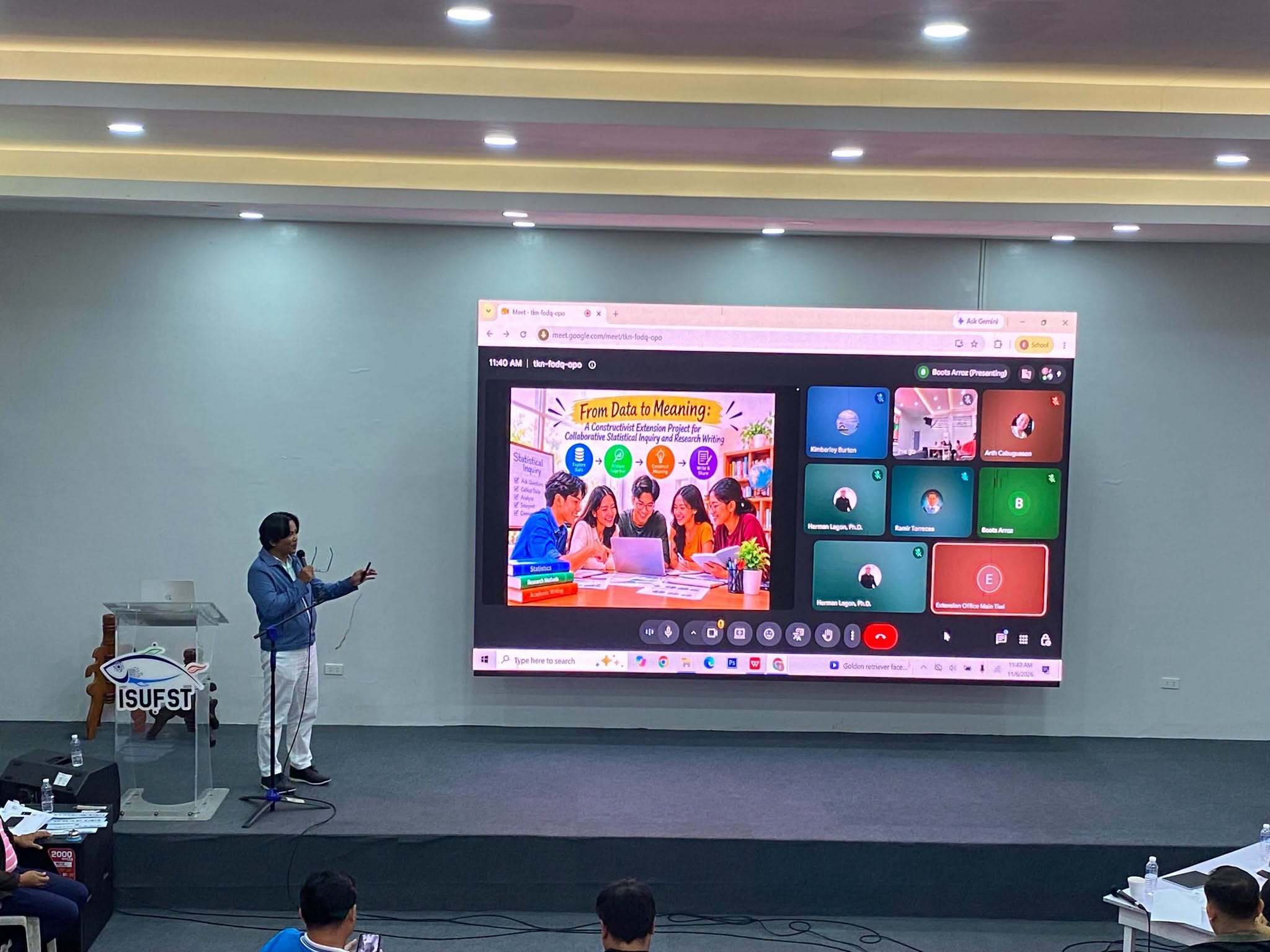
Dr. Boots D. Arroz presented an initiative on statistical literacy, research writing, and collaborative inquiry, aimed at developing competencies in understanding data, preparing research outputs, and engaging in collaborative research activities.
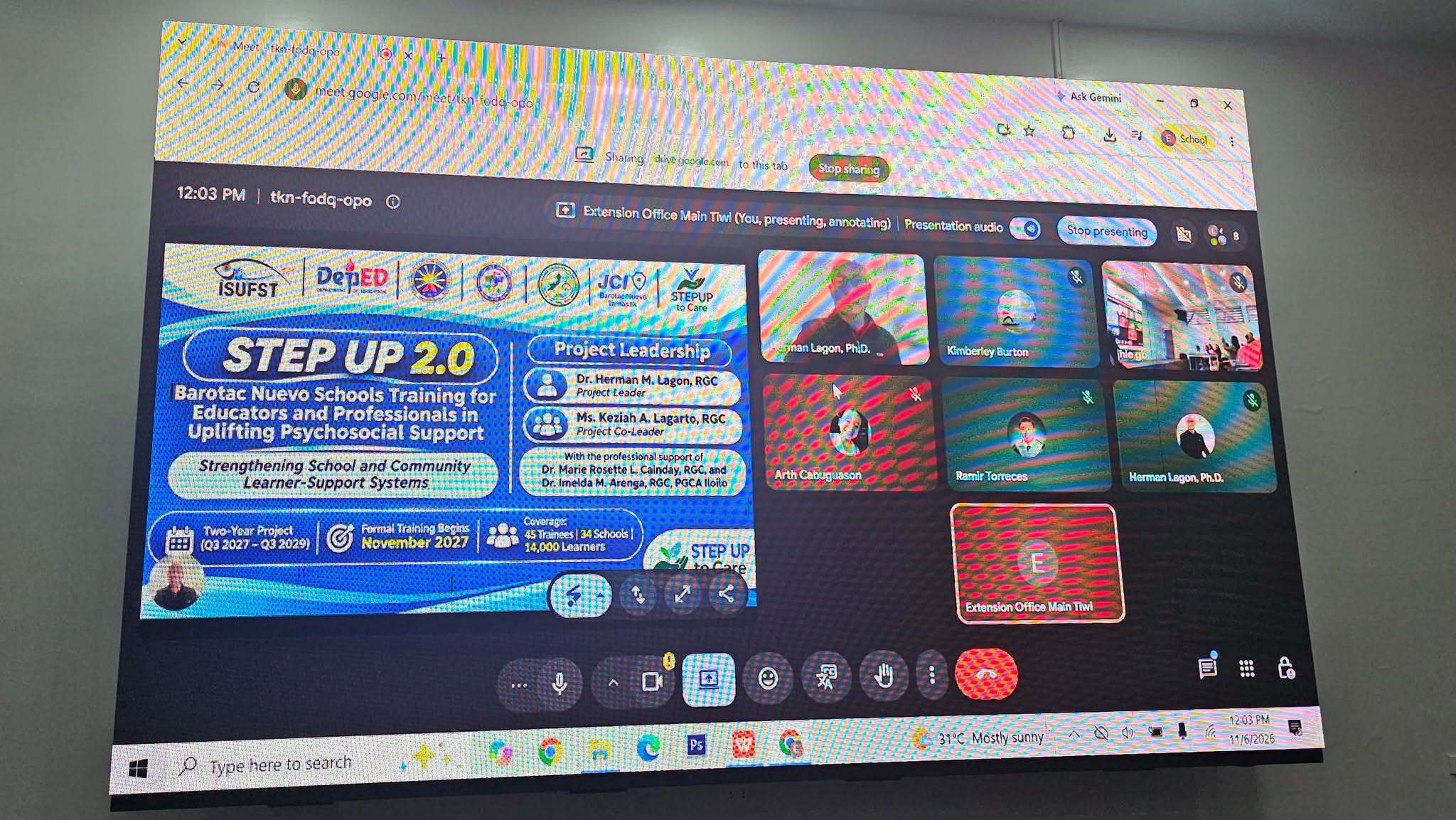
Dr. Herman M. Lagon, RGC, presented a proposed two-year initiative in Barotac Nuevo focusing on psychosocial support and stronger school-community learner-support systems. The project seeks to strengthen the capacities of educators, guidance personnel, and community partners to respond more effectively to learners’ educational, emotional, and psychosocial needs.
Environmental Sustainability, Tourism, and Coastal Community Development
Dr. Genevieve Santorio-Palmares presented two proposals. The first addressed solid waste management and community environmental awareness in Banate, emphasizing responsible waste practices and community participation in environmental protection. The second focused on tourism development and cultural mapping in Barotac Nuevo, exploring ways to identify and promote local cultural resources as part of community-based tourism development.
Dr. Johnny B. Dolor presented initiatives involving coastal sustainability and community resilience. One focused on coastal resource management, environmental stewardship, and sustainable livelihoods, while another addressed community health, sanitation, environmental literacy, and capacity-building to strengthen the resilience of coastal communities.
Institutional Development, Governance, and Disaster Preparedness
Dr. Ramir C. Torreces presented a proposal on strengthening research management and ethical research practices, focusing on developing institutional and stakeholder competencies in organizing, managing, and conducting research responsibly.
Instructor Glen Galvez discussed administrative competencies, organizational management, and financial literacy, proposing capacity-building activities to help community stakeholders improve their management practices, organizational processes, and handling of financial resources.
Prof. Arth B. Cabuguason and Prof. Emmanuel B. Tormon jointly presented a technology-based initiative on disaster response and emergency preparedness. Their proposal explored the application of digital technology to support disaster-related communication, preparedness, and community response capabilities.
Strengthening Community Extension Through Evaluation
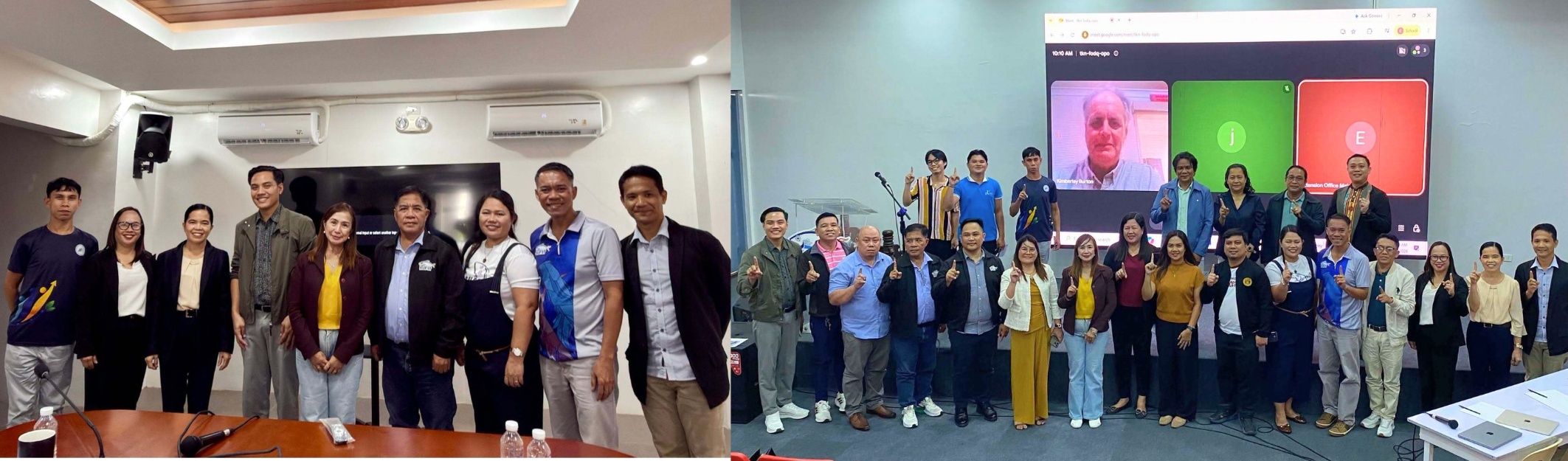
The opening program was led by ESD Director Dr. Emelyn Grace P. Estilo, with the participation of university officials.
The seven-member evaluation panel comprised Dr. Jescel B. Bito-onon, Dr. Wenda D. Panes, Dr. Noli L. Gerona, Dr. Regie S. Salmeron, Dr. John D. Catunao, Dr. Rex S. Paulino, and Dr. Jeanette G. Bayona.
The review provided proponents an opportunity to receive feedback on the relevance, feasibility, implementation arrangements, and expected outcomes of their proposed initiatives. It also encouraged collaboration among faculty members and extension workers from the university’s Dingle, Dumangas, San Enrique, Main Campus–Poblacion, and Main Campus–Tiwi sites.
The activity supported the United Nations Sustainable Development Goals, particularly SDG 11 (Sustainable Cities and Communities), SDG 12 (Responsible Consumption and Production), and SDG 17 (Partnerships for the Goals).
Through the seventh in-house review, ISUFST continued its efforts to connect university expertise with the needs of its partner communities. The next step for proponents is to incorporate the evaluators’ recommendations and further develop their proposals into feasible, sustainable initiatives with meaningful benefits for the communities they intend to serve.
(Mars Vincent Mahinay | Heireyne Joy Apresto | ESD | OIAL | PAMMCO)