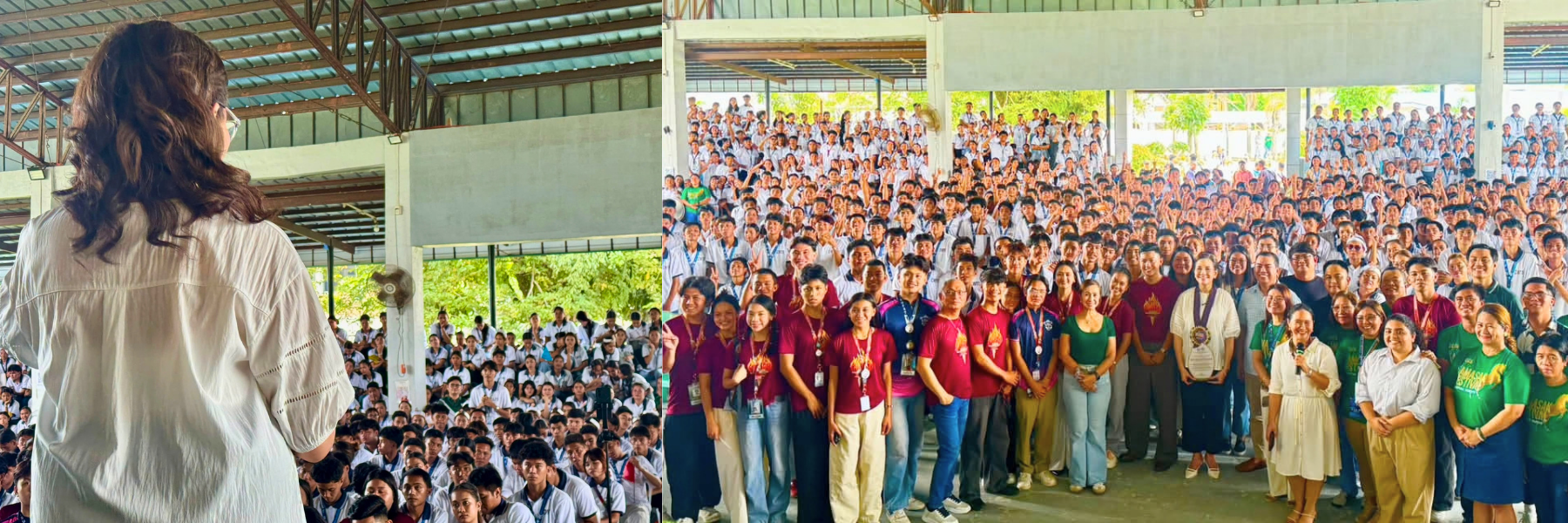
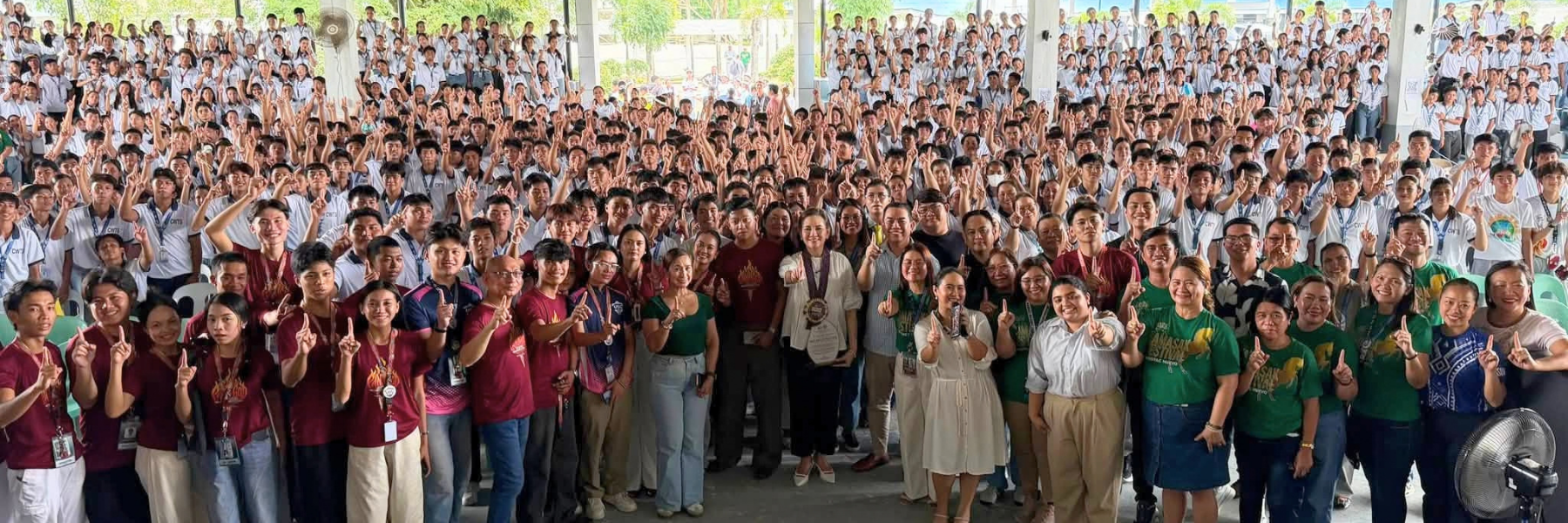
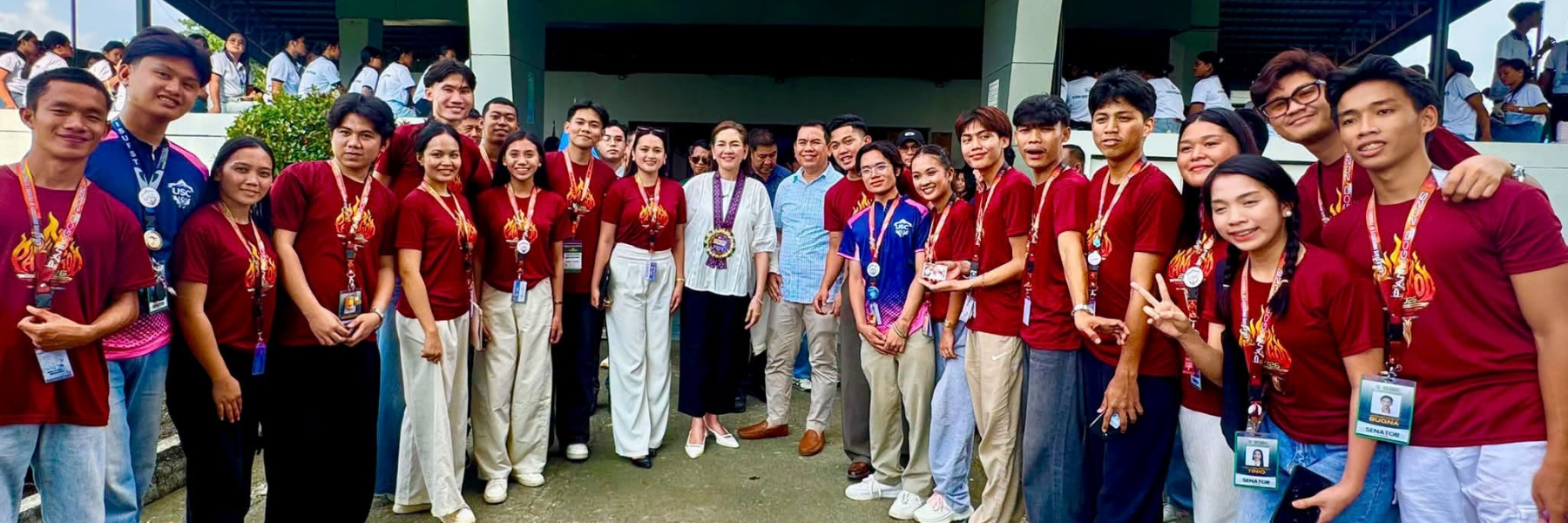
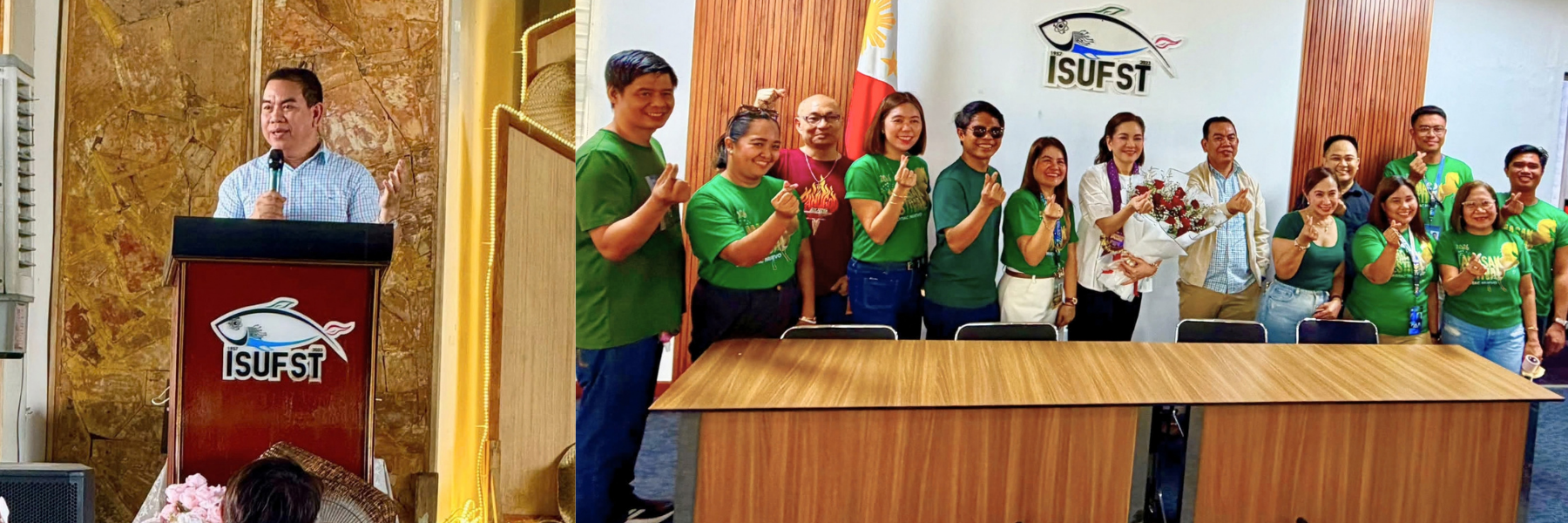
ISUFST Gears Up for SUC Faculty Reclassification System


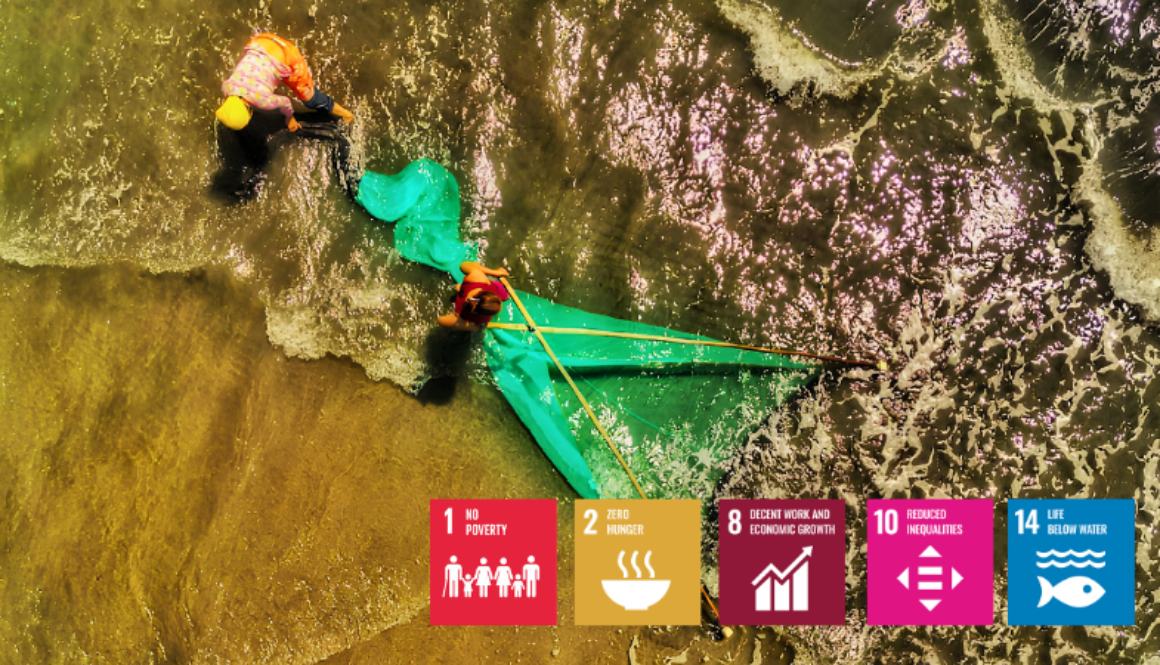
As we commemorate 𝐍𝐀𝐓𝐈𝐎𝐍𝐀𝐋 𝐅𝐈𝐒𝐇𝐄𝐑𝐅𝐎𝐋𝐊𝐒 𝐃𝐀𝐘 𝐓𝐇𝐈𝐒 𝐒𝐔𝐍𝐃𝐀𝐘, 𝐌𝐀𝐘 𝟑𝟏, 𝟐𝟎𝟐𝟔, we honor the women and men whose daily labor sustains our communities, strengthens our food security, and keeps our coastal traditions alive. In celebration of their courage, resilience, and enduring hope, we present “Let the Line Hold,” an advocacy folk ballad inspired by the growing call of the Atin ang Kinse movement and the continuing struggle to protect the 15-kilometer municipal waters reserved for small-scale fisherfolk.
This song was not only produced by ISUFST Faculty as a musical tribute but was also presented as a Creative Works Presentation and performed during the plenary session of the Second Philippine Small-Scale Fisheries National Symposium (PSSFNS2) held on October 20–24, 2025, at Mindanao State University in Marawi City, Philippines. Through music, it tells a story of dignity, justice, livelihood, and the shared responsibility of protecting our seas for future generations.
For the fisherfolk. For the coast. For the kinse. Let the line hold.
***
𝐋𝐄𝐓 𝐓𝐇𝐄 𝐋𝐈𝐍𝐄 𝐇𝐎𝐋𝐃 | Lyrics by Herman M. Lagon | Composition and Interpretation by Jezreel Cabansagan-Donguila | Instrumentals by Psalmista Band | Video Editing: Mr. Patrick Lance Nacion | ISUFST
Before the music begins, it is important to understand why this song was written.
“Let the Line Hold” is more than a folk ballad. It is a tribute to the women and men of our coastal communities whose lives, livelihoods, and futures are tied to the sea. Inspired by the growing call of the Atin ang Kinse movement, the song speaks for small-scale fisherfolk who continue to defend the 15-kilometer municipal waters reserved by law for municipal fishers—waters that have sustained families, communities, and local food security for generations. The song draws inspiration from the stories, struggles, hopes, and resilience shared by fisherfolk, scientists, educators, advocates, and community leaders who believe that protecting the kinse is not merely a fisheries issue but a matter of justice, dignity, and national survival.
This advocacy folk ballad was written by Dr. Herman M. Lagon, inspired by conversations and encounters with fisherfolk and stakeholders during the National Fisherfolk’s Day Celebration and the broader Atin ang Kinse campaign. The music was composed and interpreted by Jezreel Cabansagan-Donguila, whose heartfelt melody gives voice to the emotions behind the movement, while the Psalmista Band provided the instrumental arrangement that carries the song’s message across communities.
Together, they transformed policy discussions and scientific evidence into a musical narrative that ordinary Filipinos can feel, remember, and share.
At its heart, “Let the Line Hold” reminds us that the kinse is more than a boundary on a map. It is a symbol of livelihood, cultural memory, food security, community resilience, and hope. It represents the right of small-scale fisherfolk to continue fishing in the waters their families have depended upon for generations. Through music, this work invites us to listen to the voices behind the statistics, to see the people behind the policies, and to stand with those who continue to protect our seas for future generations.
As the song unfolds, may we remember a simple but powerful truth: when we protect the kinse, we protect not only fish and waters, but also families, communities, heritage, and the future of sustainable small-scale fisheries in the Philippines.
Lyrics: Dr. Herman M. Lagon
Composition and Interpretation: Dr. Jezreel Cabansagan-Donguila
Instrumentals: Psalmista Band
Video editing: Mr. Patrick Lance Nacion
Genre: Advocacy Folk Ballad | Key: G Major | Tempo: ~70 bpm
For the fisherfolk. For the coast. For the kinse. Let the line hold. #AtinAngKinse
YouTube Link: https://www.youtube.com/watch?v=CB_uKskahos
Official ISUFST Statement on the Supreme Court Ruling Allowing Commercial Fishers to Operate on the Municipal Waters, entitled SAFEGUARDING OUR SEAS: https://web.faceboo*om/share/p/18UtjUbyQe/

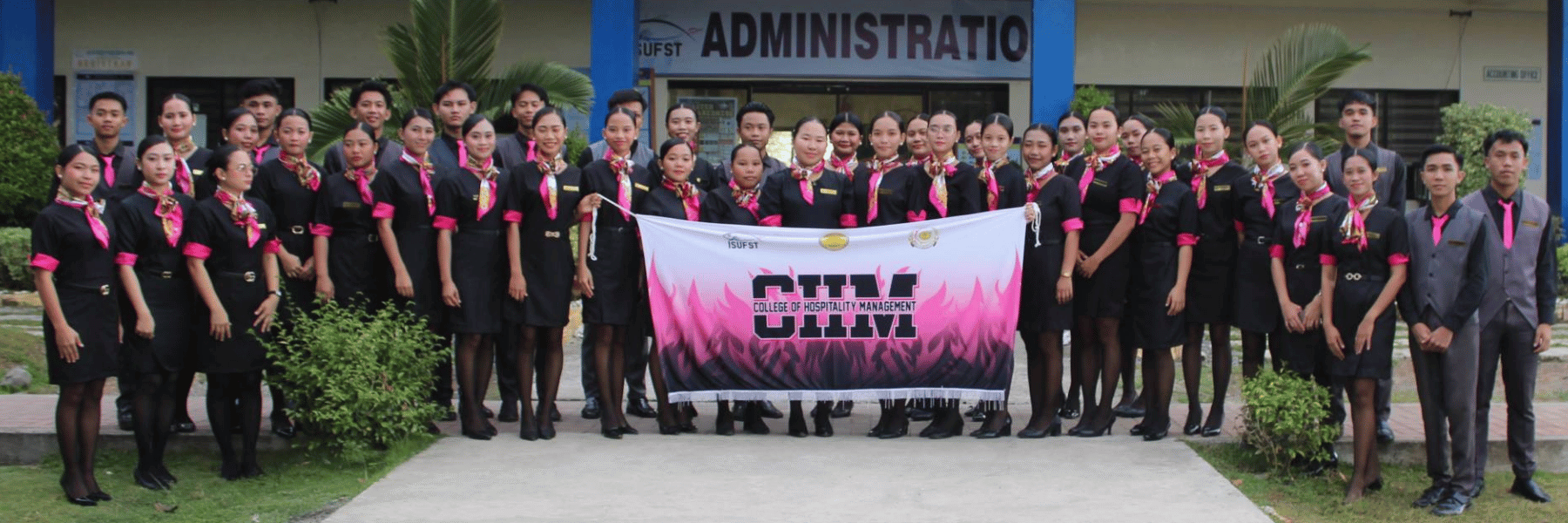
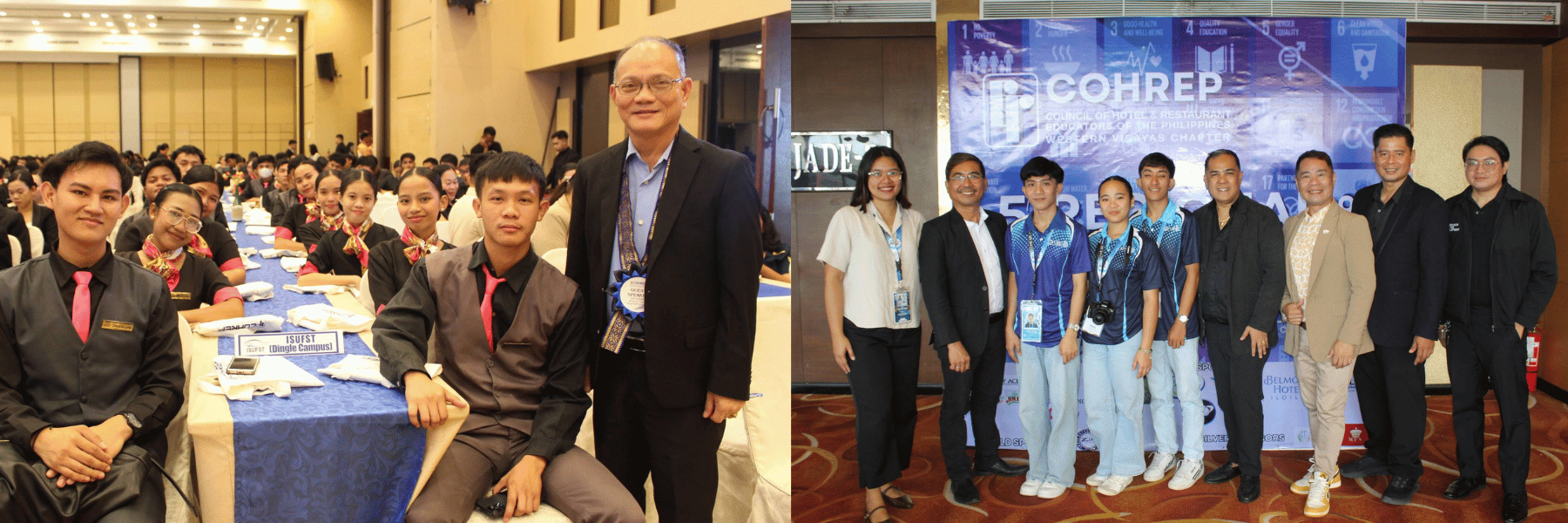
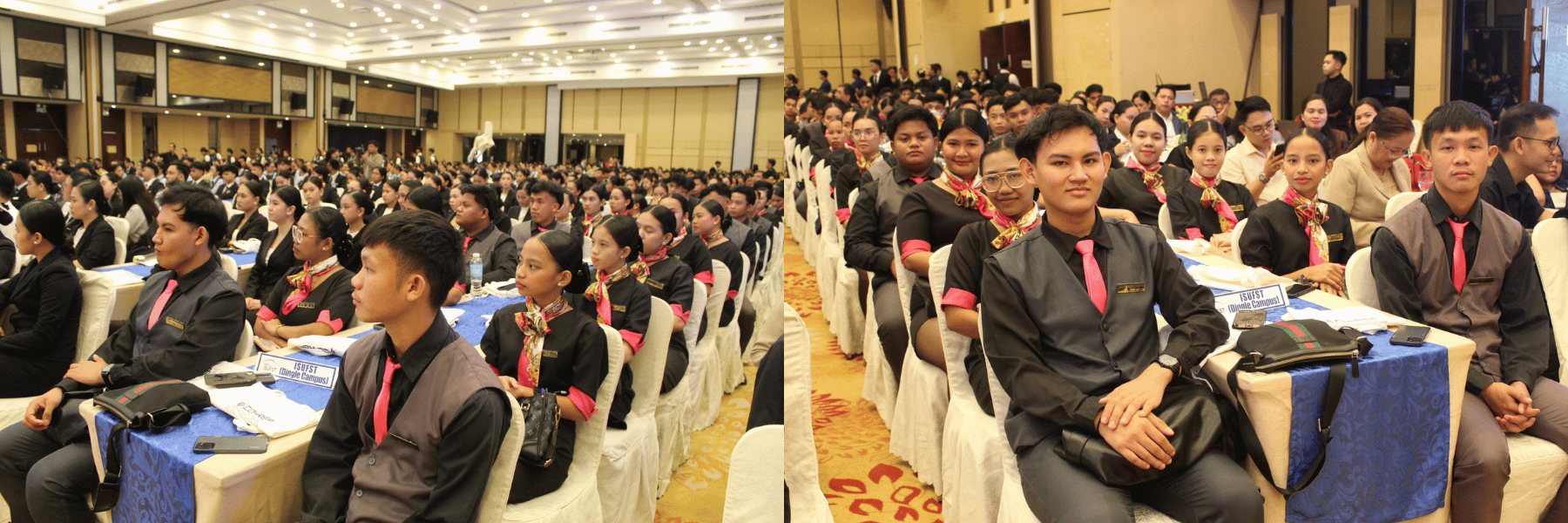
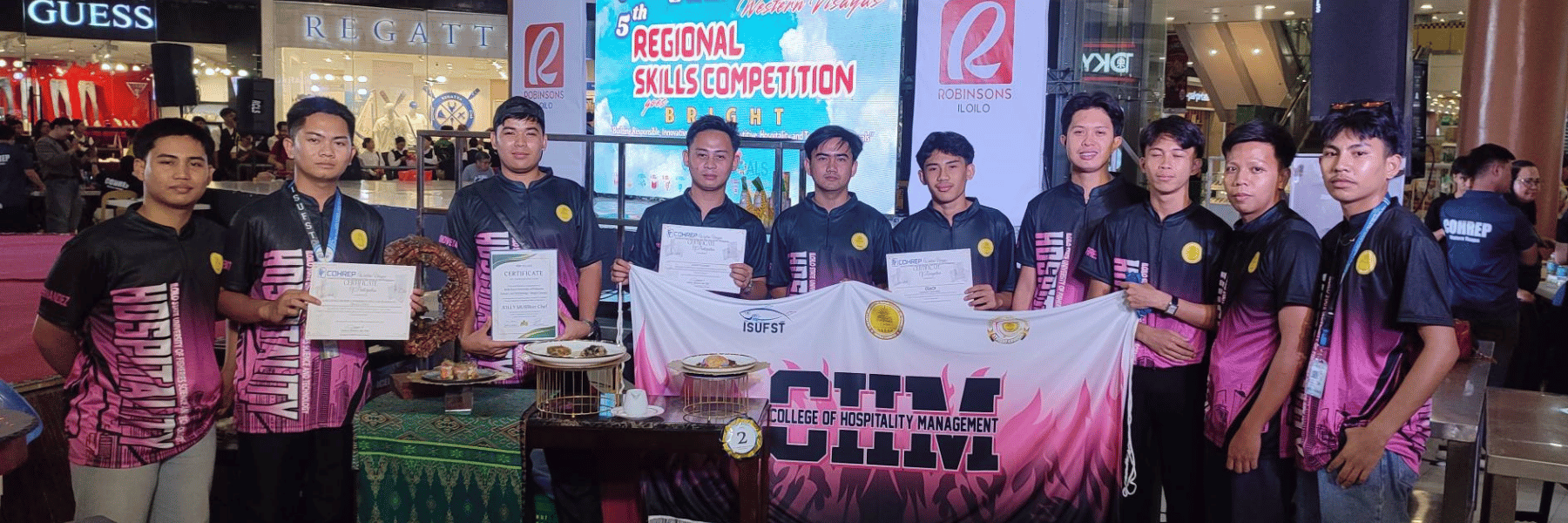
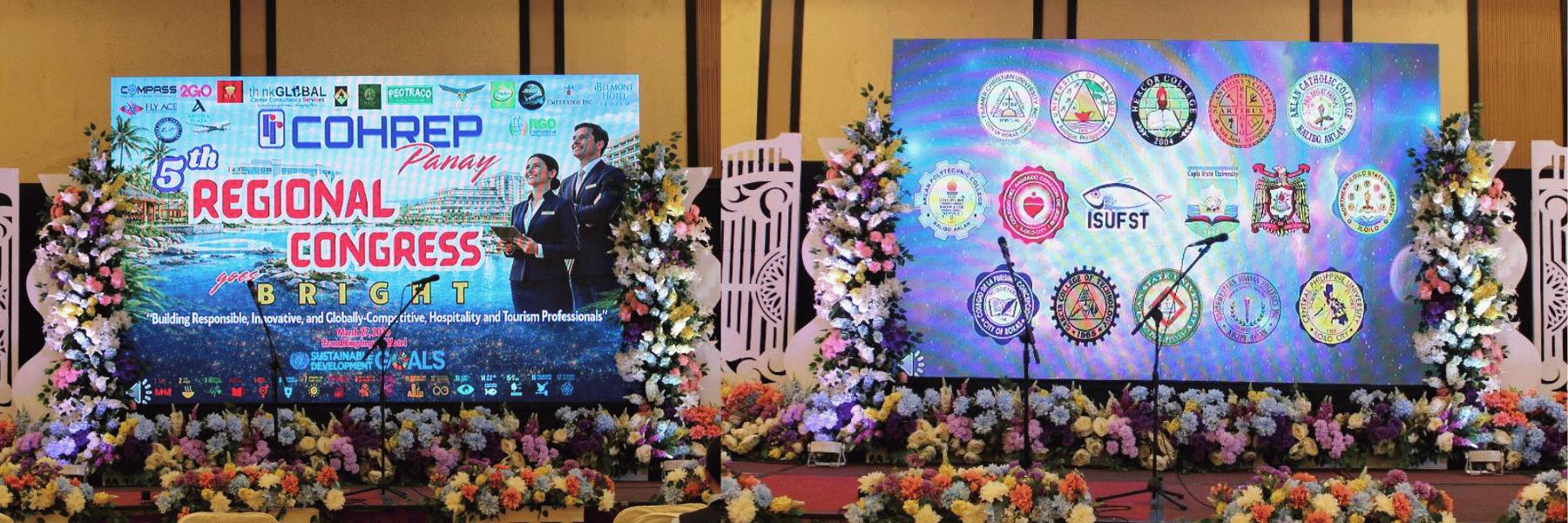
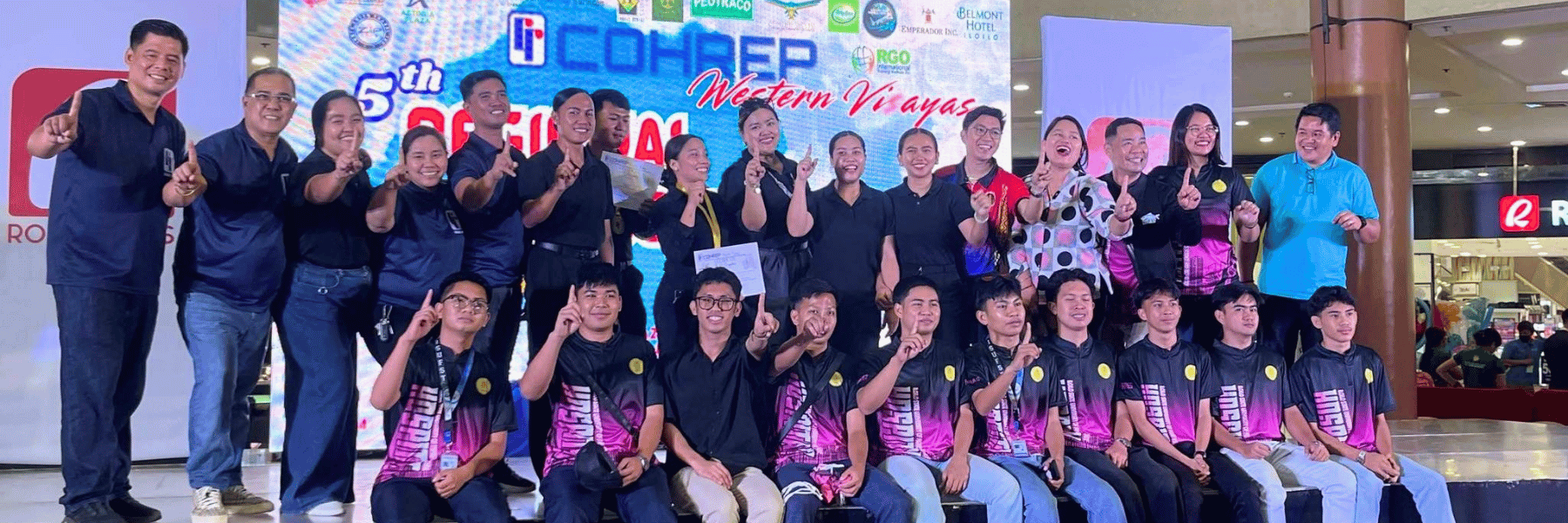
Fifty Bachelor of Science in Hospitality Management (BSHM) II students and two faculty members from the College of Hospitality Management proudly joined the 1,191 participants of the recently concluded 5th COHREP Western Visayas Regional Congress held on March 27, 2026, at the Grand Xing Imperial Hotel. The event gathered hospitality management students, educators, and industry partners from across the region, creating a dynamic platform for learning, networking, and professional growth. The congress was made even more significant with the presence of distinguished keynote speakers Dr. Raul F. Muyong, CHED Regional Office VI Director, and Dr. Nordy D. Siason Jr., President of Iloilo State University of Fisheries Science and Technology (ISUFST).
The BSHM II students were accompanied by Instructors Enrique I. Sariño and Frenie Ann B. Permiso, with Dr. Ricardo J. Paborada Jr. serving as the head of the delegation. Their participation reflected the strong commitment of ISUFST to providing students with meaningful exposure to regional academic and industry engagements. Also present at the event was Instr. Ma. Paula E. Balbona, SIPP/SEAP Coordinator, who took the opportunity to strengthen partnerships with industry stakeholders and explore opportunities that will benefit student internship and professional development programs.

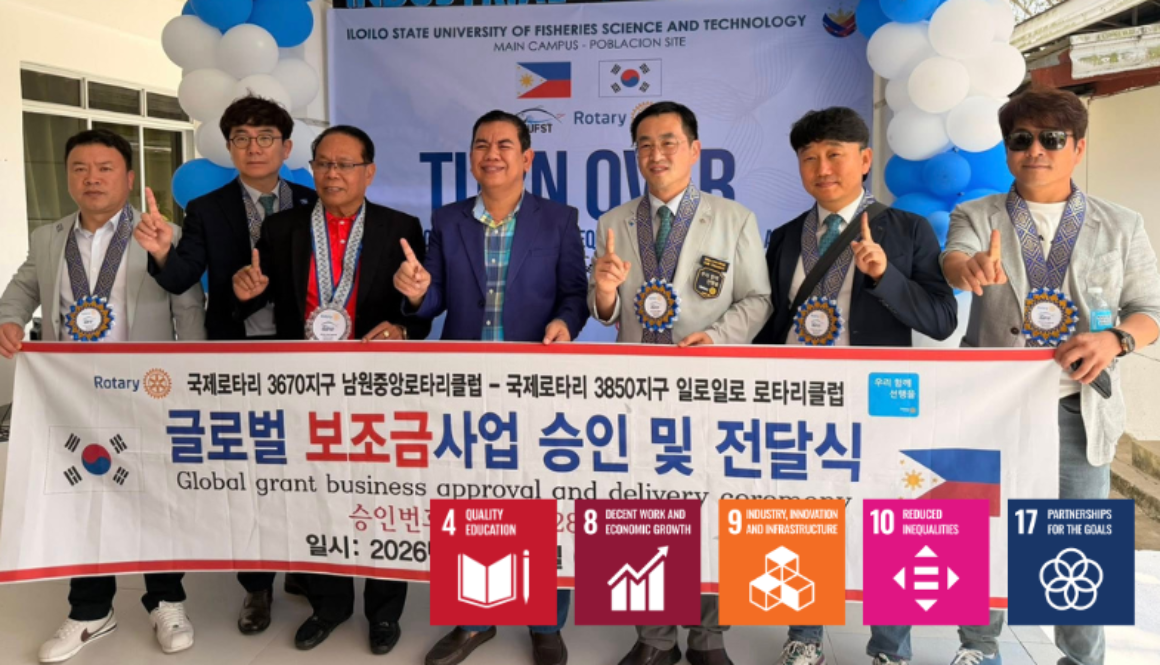
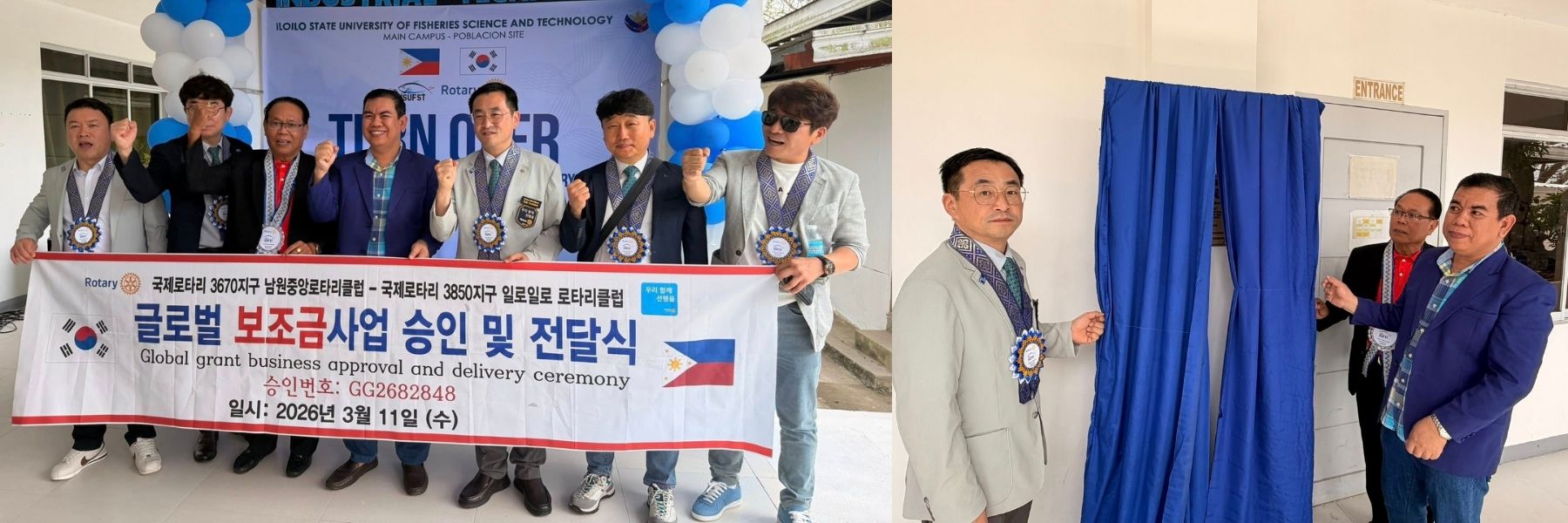
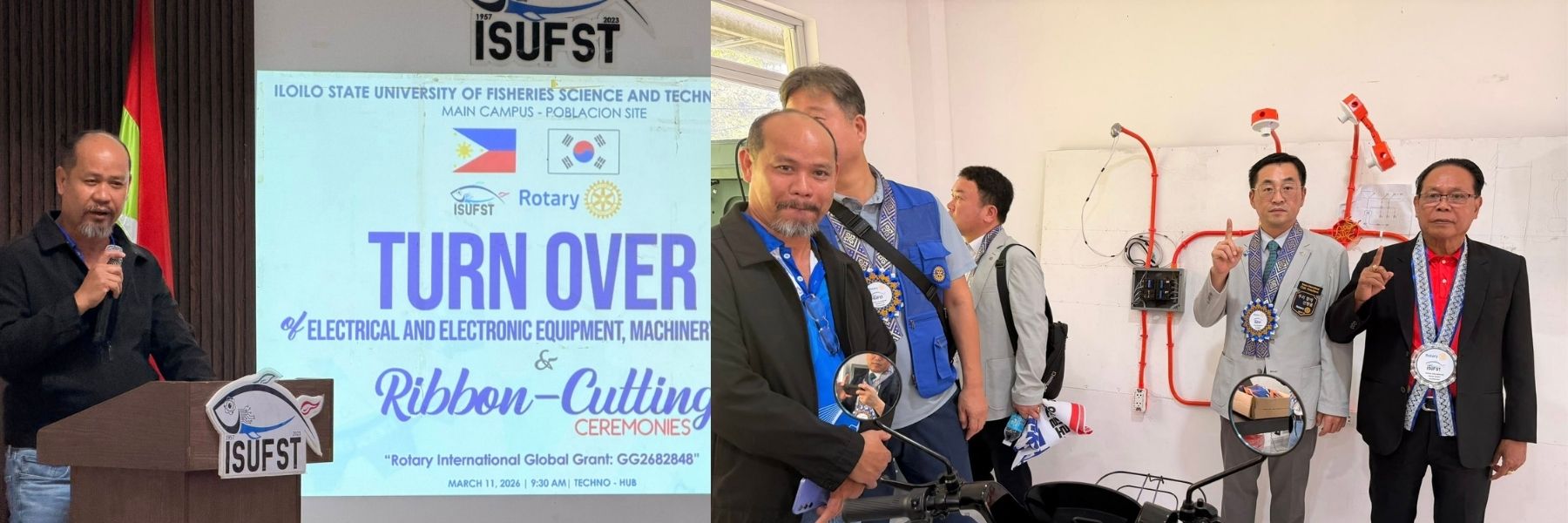
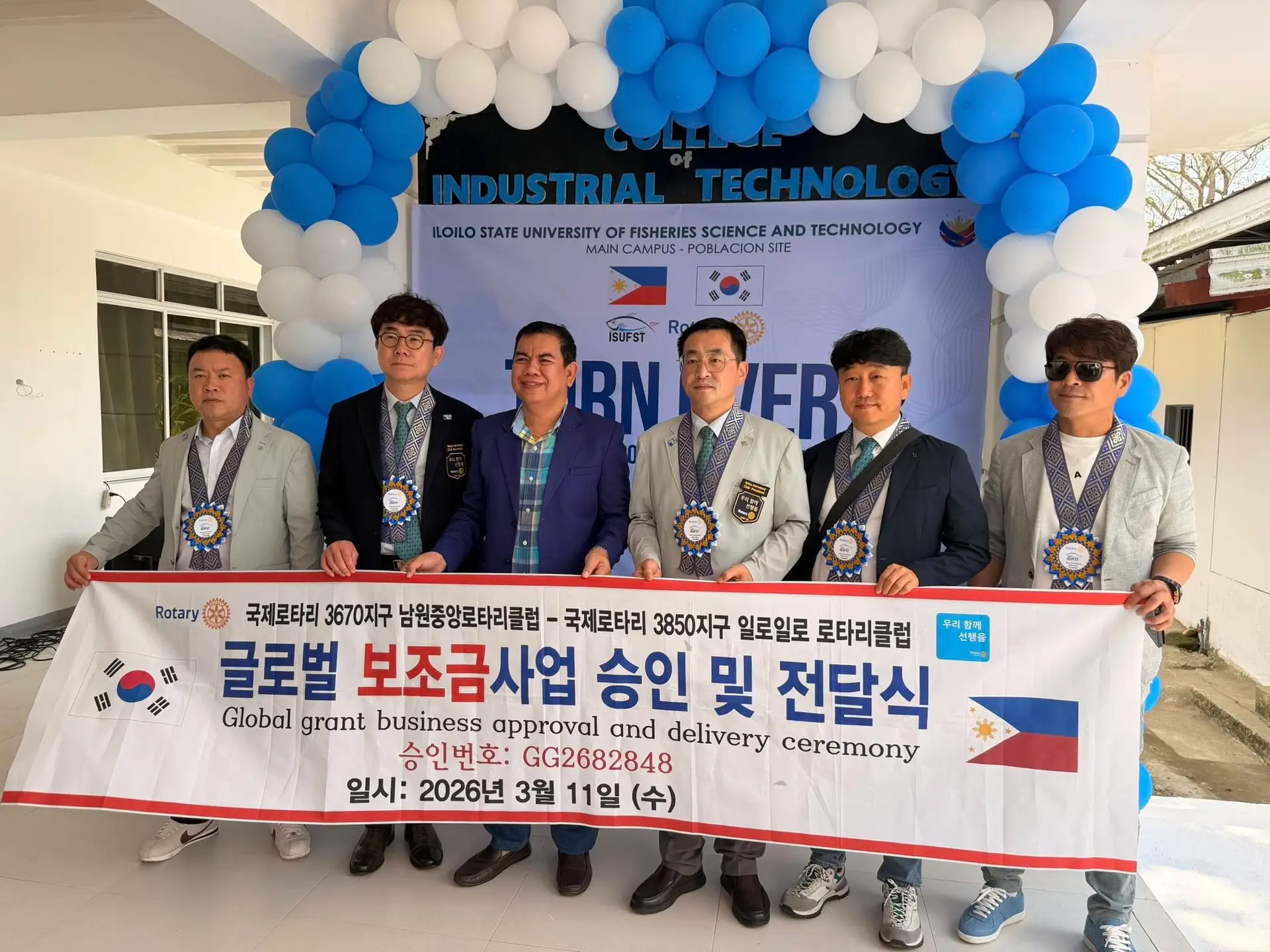
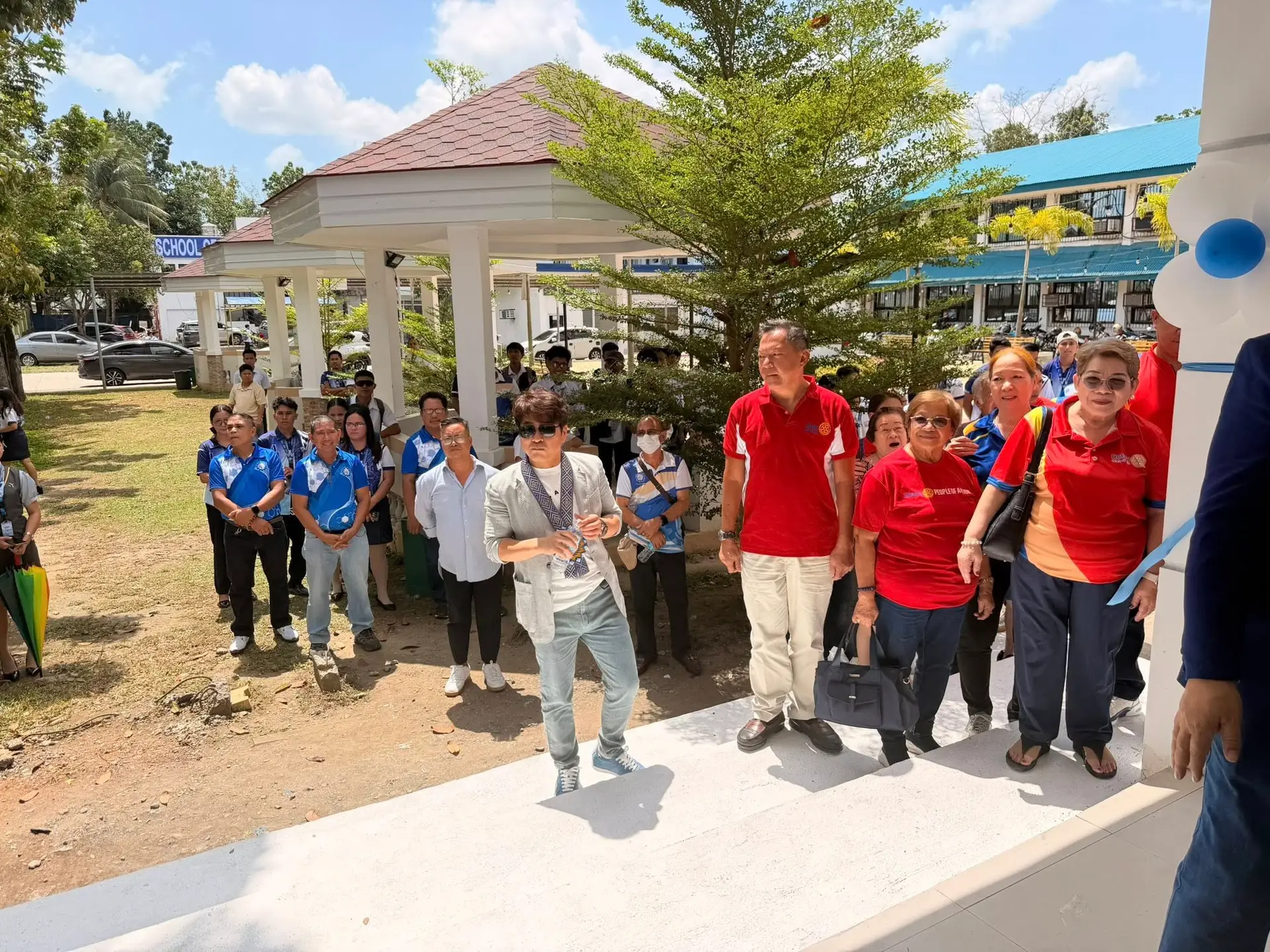
“Because of these tools, we are more confident that our practical training will prepare us for real work, business, and professional life.” With those words of gratitude, Jerobe Arce, a fourth-year PWD automotive student of the College of Industrial Technology (CIT) at the Iloilo State University of Fisheries Science and Technology (ISUFST), capped the successful turnover ceremony of electrical and electronics equipment worth ₱1.89 million donated through a Rotary Global Grant this Wednesday, March 11, 2026, at the ISUFST TechnoHub, Main Campus–Poblacion Site in Barotac Nuevo, Iloilo.
Arce, who is currently completing his internship at F&E Enterprises in Iloilo City, thanked the Rotary Club of Namweon Central in South Korea (District 3670) and the Rotary Club of Iloilo (District 3850) for continuing to invest in the skills development of ISUFST students. “These equipment, machinery, and tools will ensure that our training becomes more complete and more relevant to the industries we hope to serve,” Arce said in a mix of Hiligaynon, English, and Korean, ending his testimony with a heartfelt “Kamsahamnida” to the visiting Korean Rotarians.

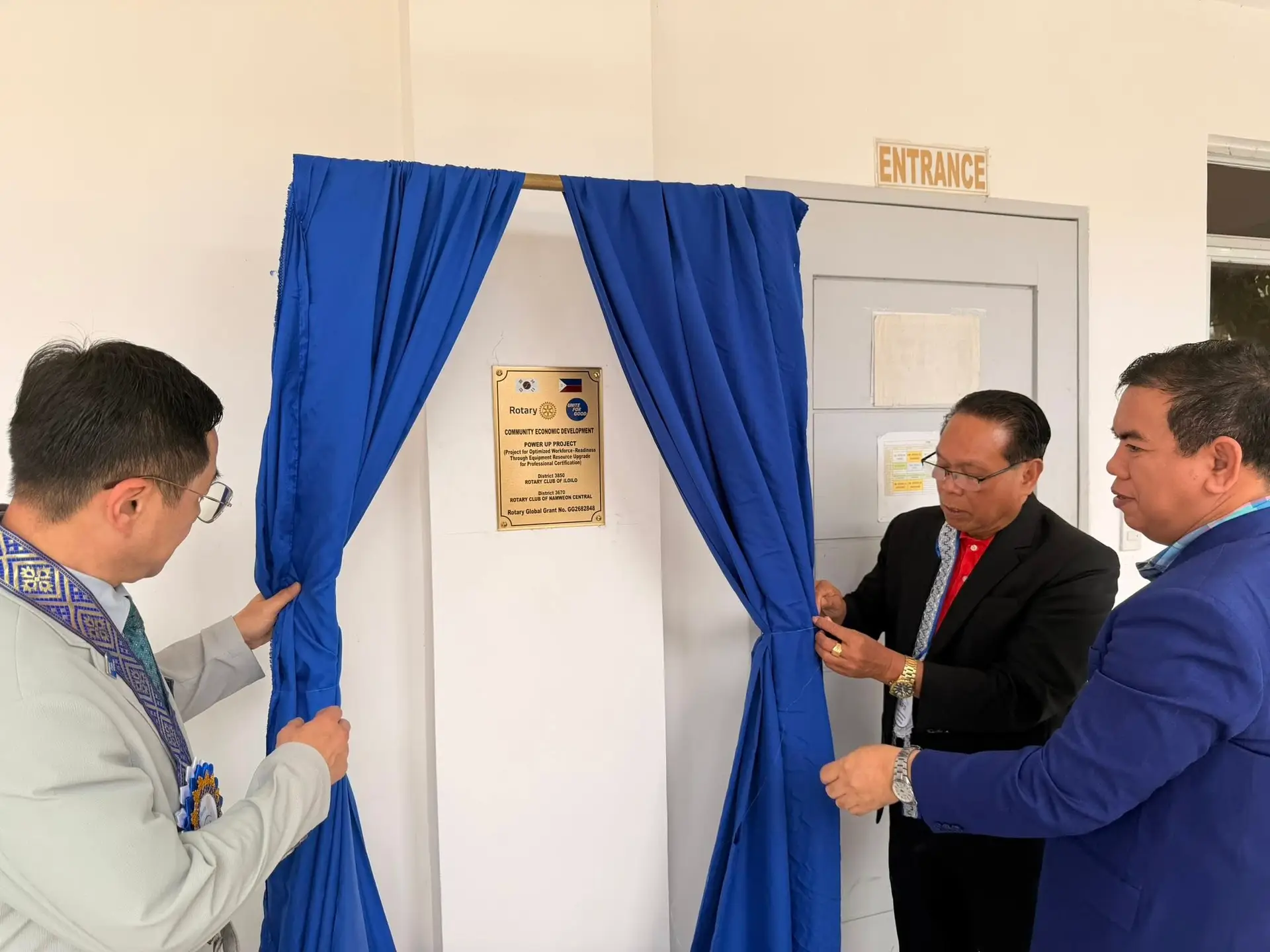
The ceremony marked the formal turnover of equipment under the Rotary Global Grant GG2682848 for the project POWER UP: Project for Optimized Workforce-Readiness Through Equipment and Resource Upgrade for Professional Certification.
Strengthening workforce readiness.
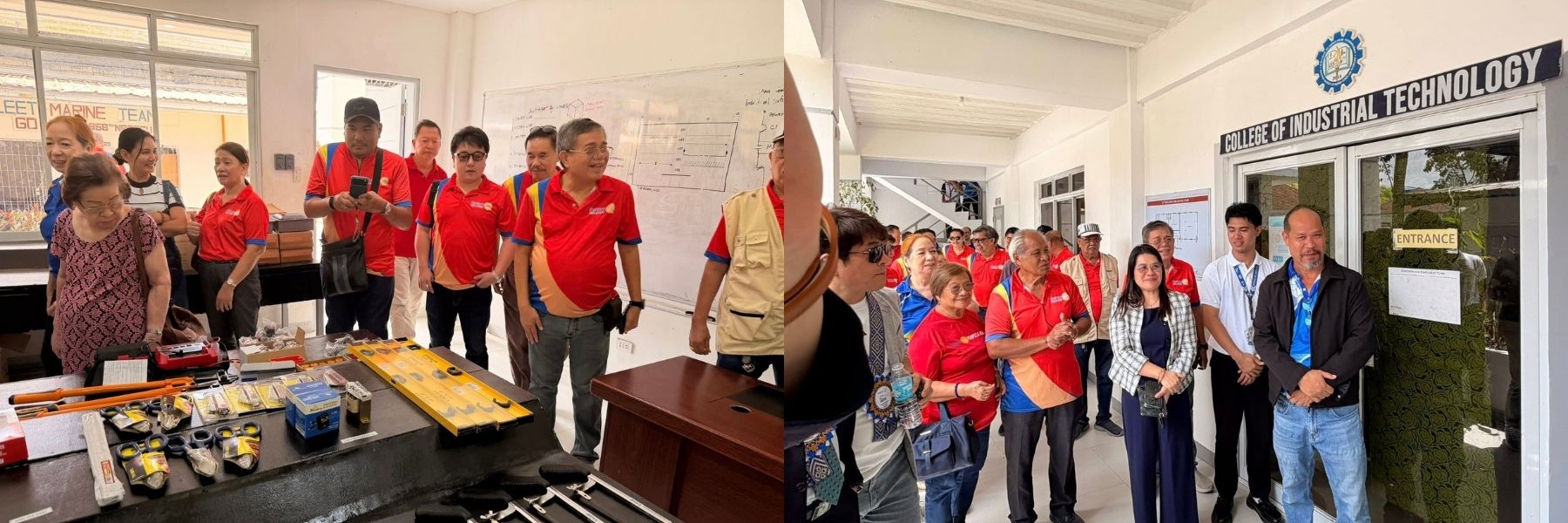
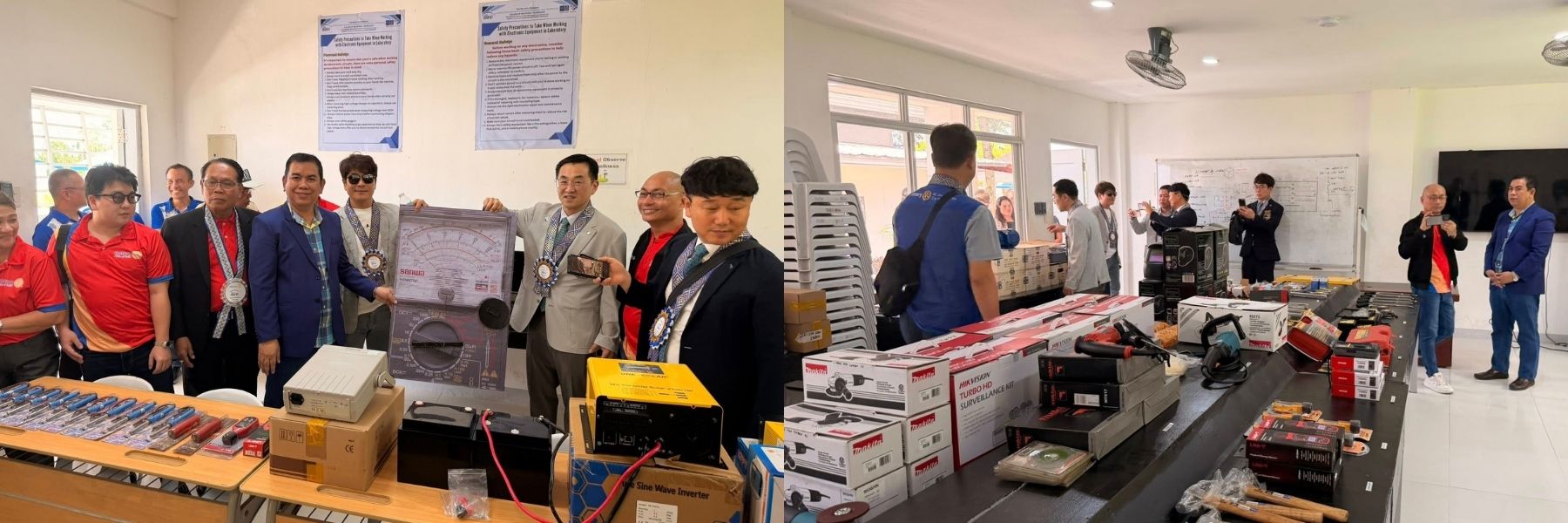
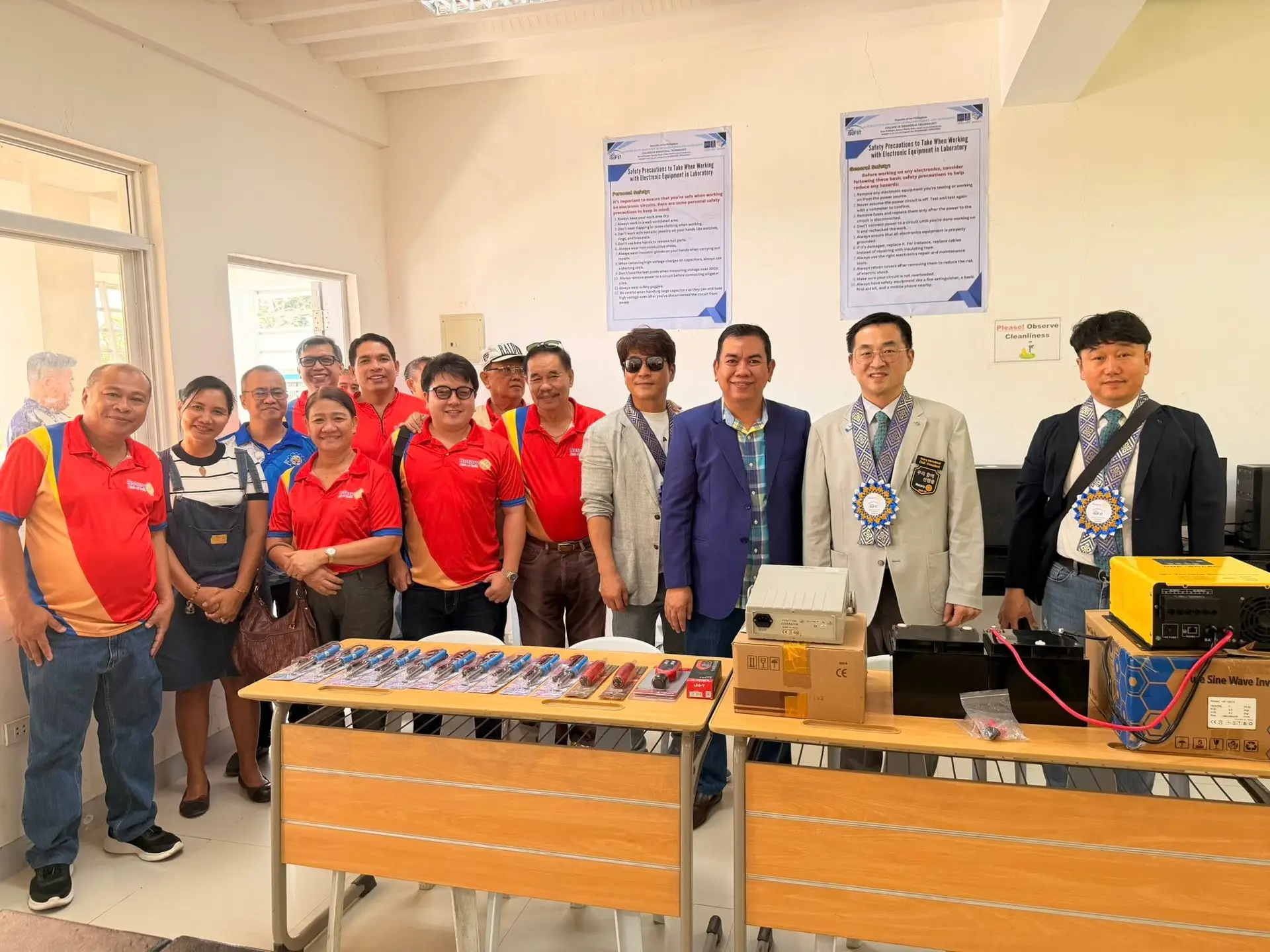
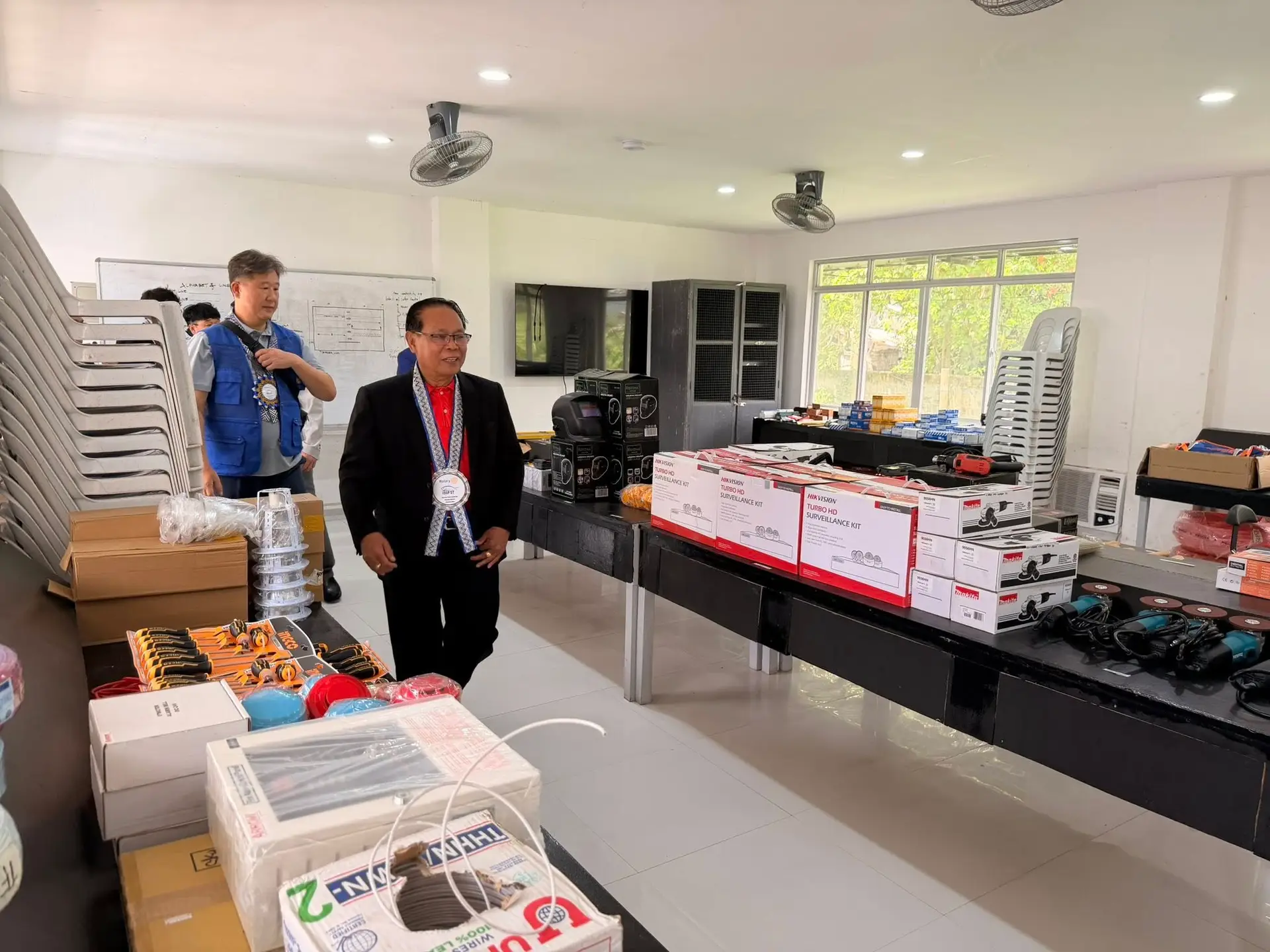
The grant will support the university’s Bachelor of Industrial Technology (BIT/BIndTech) program by upgrading laboratories used for Electrical Installation and Maintenance (EIM) and Electronic Products Assembly and Servicing (EPAS) training. The new equipment includes electrical installation trainers, digital multimeters, soldering stations, function generators, solar power training systems, electronic servicing tools, electronic appliances, and industrial control components aligned with TESDA certification standards.

The upgrades are expected to benefit more than 450 students and community learners each year, many of whom come from farming, fishing, and other low-income households in nearby municipalities. ISUFST President Dr. Nordy Siason Jr. said the project strengthens the university’s mission to produce graduates ready for real-world work environments.
“Projects like POWER UP ensure that our students train with tools that mirror actual industry standards. This is not only about equipment—it is about building confidence and competence among our learners,” Siason said.

International partnership for education
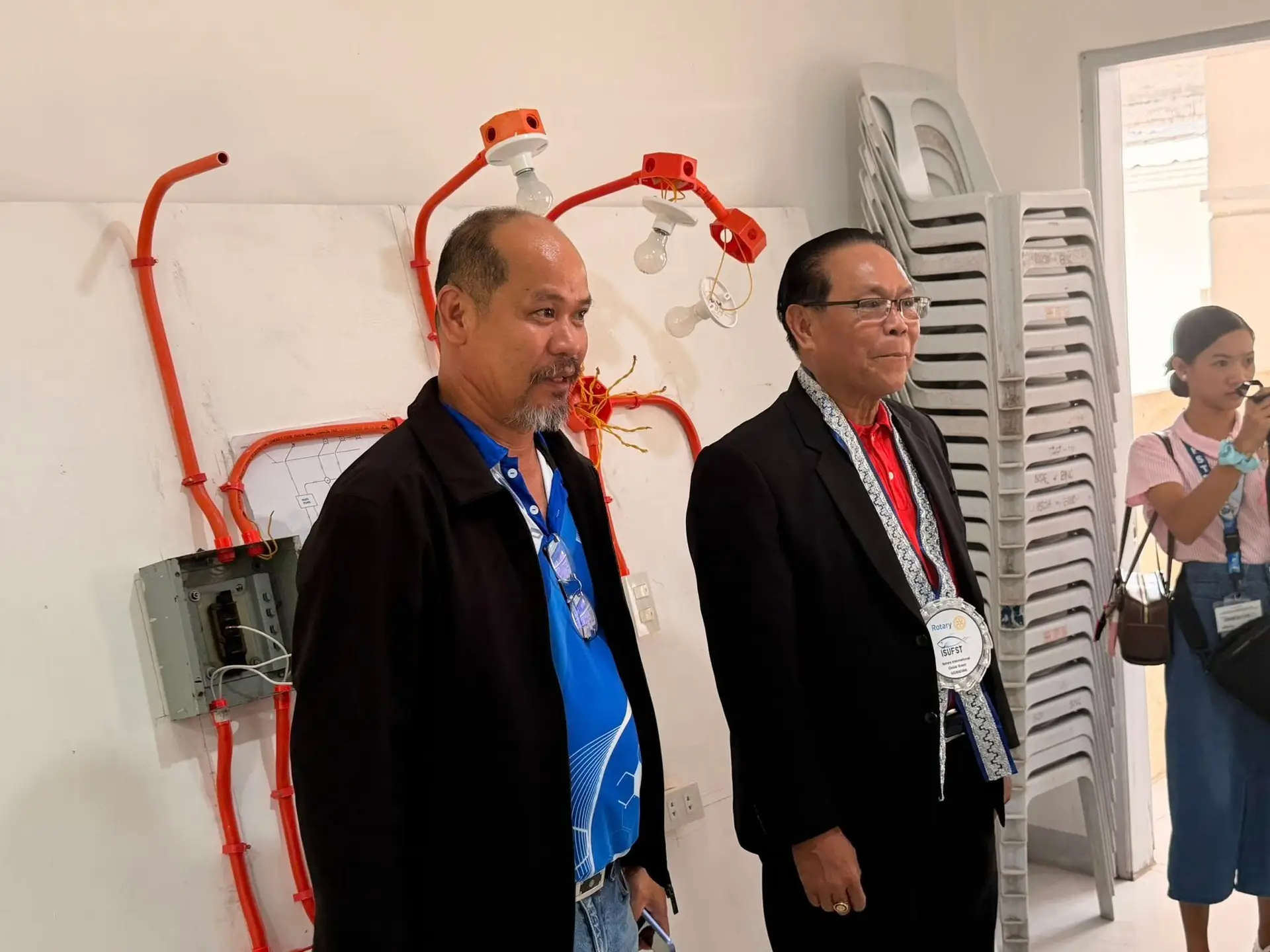
The project highlights the growing collaboration between ISUFST and Rotary partners in the Philippines and South Korea. RC Namweon Central President Changhun Lee thanked the university and its Rotary partners for the warm reception. After the ceremony, the Rotarians toured the CIT laboratories to see the new facilities. For Rotary Club of Iloilo President Dr. Lucio Encio, the project shows the power of partnerships. “Supporting education and skills training helps communities grow and gives young people real opportunities,” he said.
A growing partnership
According to Dr. Herman Lagon, Rotary Global Grant project head and ISUFST director, the initiative builds on the growing collaboration between the university and Rotary partners. “This project shows how global partnerships can empower local communities through education and skills development. With modern training facilities, our students will have stronger pathways to employment and entrepreneurship,” Lagon said.
Strengthening CIT training capacity
For the College of Industrial Technology, the equipment significantly enhances the university’s capacity to deliver industry-relevant technical education.

CIT Dean Dr. Rodel Dosano noted that the upgraded laboratories will help ensure that students receive training aligned with current technological standards.
“These facilities allow us to provide deeper hands-on learning. Our students will now train using tools and systems that reflect the realities of modern electrical and electronics industries,” Dosano said.
Ceremony highlights.
The program began with the welcoming of guests—upon arrival by the CIT and College of Management students and in the function hall by the ISUFST KI-AY Dance Group and faculty singers. This was followed by the opening ceremony which singing of the Korean National Anthem, Philippine National Anthem, ISUFST Hymn, and Rotary Hymn, as well as the Recitation of the Rotary Four-Way Test. Dr. Siason delivered the welcome remarks, while Dr. Lagon presented the significance of the partnership and turnover.
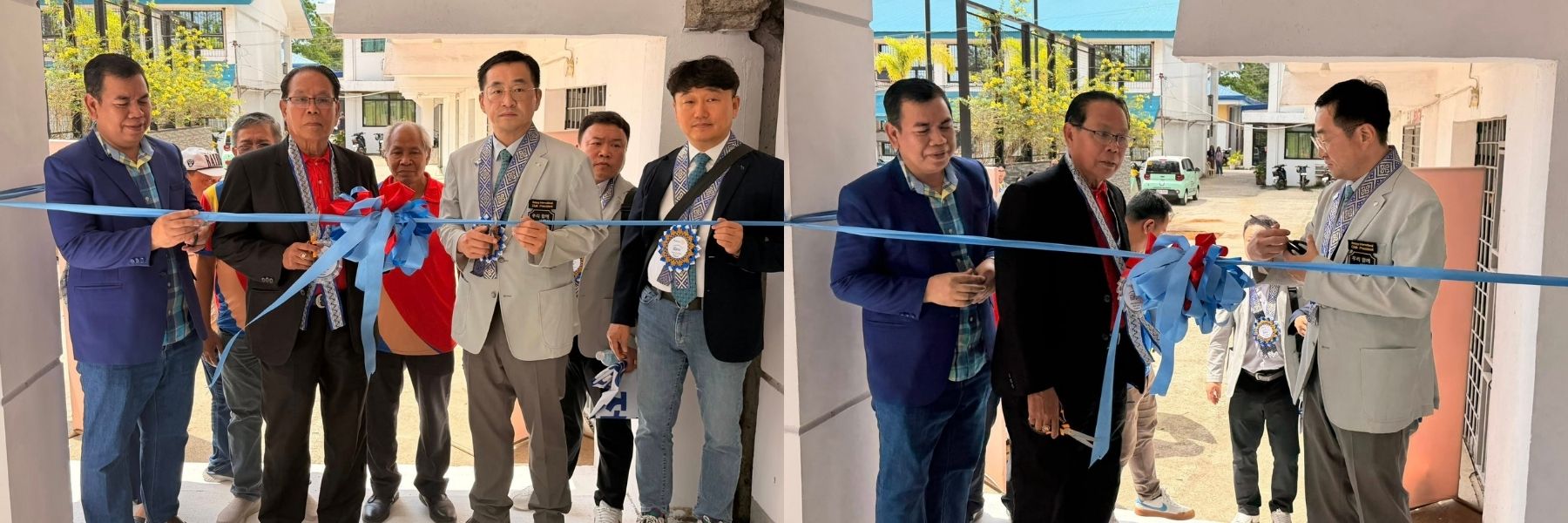
The ceremony proceeded with the signing of the Deed of Donation by representatives of ISUFST, the Rotary Club of Iloilo, and the Rotary Club of Namweon Central, followed by the marker unveiling and ribbon-cutting rites at the new CIT building, the giving of plaques and tokens, and the student testimony by Arce.

The event concluded with closing remarks from Dr. Dosano and a fellowship gathering and thanksgiving lunch at the TechnoHub, featuring a cultural presentation by ISUFST performers.
Continuing collaboration
The POWER UP project follows the successful implementation of a ₱1.89-million Rotary grant in 2025 that upgraded the university’s automotive laboratory under the Automotive Industry Modernization in Iloilo (AIM Iloilo) initiative.
With the addition of the new grant, ISUFST aims to further strengthen its role as a regional hub for technical-vocational education and workforce development in northern Iloilo, supporting both student training and community-based skills development. (Main photos by Ricky Ramos | Auxiliary photos by Razel Ann Balajadia | Text by Herman Lagon and Angelica Torreverde | PAMMCO)


MARAWI CITY — As the Philippines pushes for stronger protection of its small-scale fishers through the “Atin ang Kinse Kilometro” bill, faculty and students from the Iloilo State University of Fisheries Science and Technology (ISUFST) joined hundreds of advocates in Mindanao to turn research into resolve.

Eight ISUFST delegates—seven faculty members and one fisheries student—presented 16 research and creative works at the Second Philippine Small-Scale Fisheries National Symposium (PSSFNS2) held on October 21–23, 2025, at the Mindanao State University (MSU)–Main Campus in Marawi City. The works, blending science, storytelling, and song, championed sustainability and inclusivity in the country’s small-scale fisheries (SSF) sector.

“Too Big To Ignore”
Gathering over 300 scientists, educators, artists, fishers, students, and policymakers, the three-day symposium carried the theme “From Recognition to Action.” Organized by MSU and Too Big To Ignore (TBTI) Philippines, it called for stronger and fairer policies to protect the country’s 15-kilometer municipal waters—the very heart of the “Atin ang Kinse” campaign, which fights for the rightful space of small fishers in their own seas.
“This consortium of universities, agencies, and communities aims to make small-scale fisheries visible, viable, and sustainable,” said Dr. Glen Lorenzo, MSU Vice President for Research and Extension. The gathering also tackled pressing issues such as climate change, overfishing, and illegal encroachment by commercial vessels—threats that the pending “Atin ang Kinse Kilometro Bill” (HB 5606) seeks to address.

ISUFST’s Contributions: Science, Art, and Advocacy
Representing ISUFST were Dr. Rolindo B. Demo-os Jr., Dr. Jescel B. Bito-onon, Prof. Rother M. Gaudiel, Dr. Quin Y. Clarito, Dr. Michael B. Dizon, Instructor Jezreel C. Donguila, Dr. Herman M. Lagon, and BS Fisheries student Melody Vaughn Ferrer.
Their diverse outputs—from fisheries research and photo essays to poetry and original songs—embodied ISUFST’s belief that science and culture can work together to heal and protect the seas.
Among the technical studies were “Catch Rates and Fishery Characterization of Filter Nets in Tinori-an River, Iloilo” by Bito-onon and Gaudiel, and “Fishing Smarter: Comparative Analysis of Fish Pot Designs Used by Small-Scale Fishers in Banate Bay” by Clarito.
Ferrer’s team, composed of CFAS students and faculty, presented “Pearl and Other Economically Valuable Oysters of Northern Iloilo: Morphometric Insights for Conservation and Fisheries.” The study highlighted the balance between livelihood and conservation—and won second place in the oral presentation category, besting entries from universities nationwide.
“These projects show how local innovation builds resilience in small-scale fisheries,” said Dr. Bito-onon, ISUFST Director for Research and Development. “It’s not just about data; it’s about empowering the communities that depend on our waters.”

Art Meets Advocacy
The symposium also celebrated creative works that bridged science and human experience. Dr. Herman M. Lagon’s poetry, short stories, and photography collections—“Between Net and Node,” “The Net That Holds,” “Where the Line Holds,” “Of Change,” “Lines of Salt and Hope,” “When Only the Bangkas Rest,” and “When Currents Meet the Roots”—captured the soul of coastal life: its struggles, rhythm, and hope.
Lagon, together with Instr. Jezreel C. Donguila, also presented two original advocacy songs, “Let the Line Hold” and “The Lines We Cast,” inspired by the Atin ang Kinse campaign. The songs, arranged with karaoke-style visuals and live footage edited by Patrick Lance Nacion using images from Dean Demo-os and Dr. Lagon, were performed by Donguila during the closing plenary and MOA signing ceremony—drawing resounding applause from the audience.
Beyond the symposium halls, the ISUFST delegation experienced Maranao hospitality. On the first night, delegates were treated to a Pagana Meranao dinner—an elaborate ceremonial feast where guests “eat like royalty.” Seated around a grand tabak (ornate tray), they shared flavorful dishes with their hands in true Maranao fashion.

The Marawi Manifesto and a Promise for the Future
The symposium concluded with the signing of the Marawi Manifesto, a collective pledge of support for the Atin ang Kinse movement and the Too Big To Ignore (TBTI) advocacy for inclusive, sustainable, and resilient fisheries. During the signing, Donguila’s live rendition of “Let the Line Hold” and “The Lines We Cast” filled the MSU gymnasium as photos of fisherfolk and coastal communities played onscreen—a moment described by many as “a hymn for the sea and the people who live by it.”
Participants also celebrated the acceptance of Batangas State University (BSU) as the next host of PSSFNS3 in 2026, marking the continued expansion of the TBTI network across the archipelago.
They capped the symposium with a visit to Marawi’s Ground Zero, where the scars of war stood as a solemn reminder that battles for survival come in many forms. Just as Marawi once fought for the right to life and peace, today’s Atin ang Kinse movement fights for the right of small fishers—and the seas they depend on—to live and thrive.

A Shared Mission
ISUFST President Dr. Nordy D. Siason Jr. commended the delegation for embodying the university’s vision of blending “science, culture, arts, and compassion in service of people and planet.” He emphasized that ISUFST’s efforts directly align with the United Nations Sustainable Development Goals, particularly SDG 14 (Life Below Water), SDG 2 (Zero Hunger), and SDG 13 (Climate Action).
For ISUFST, the symposium was more than an academic event—it was a reminder of purpose. “When we tell the stories of small fishers, artistically and scientifically,” said Lagon, “we’re also telling the story of our shared future.”

The PSSFNS2 came at a crucial time, as fisherfolk groups renewed calls for the passage of the “Atin ang Kinse Kilometro Bill” (HB 5606). The measure seeks to restore small fishers’ exclusive rights to municipal waters—rights recently challenged by a court ruling favoring commercial vessels.
From the shores of Banate to the lakes of Lanao, the message of PSSFNS2 was clear: small-scale fishers are too big to ignore. (PAMMCO)
#ISUFSTisdaFirst #ISUFSTCommunity #PAMMCOStoriesThatMatter #AtinAngKinse #PSSFNS2 #LifeBelowWater


SAN ENRIQUE, ILOILO — A partnership between the Iloilo State University of Fisheries Science and Technology (ISUFST) and the Municipal Government of San Enrique officially launched three major initiatives—the Vermipower Project, Chick to Egg Project, and STEP UP Project—on Tuesday, October 14, 2025, at the Tourism Conference Hall in San Enrique, Iloilo. The collaboration, led by ISUFST President Dr. Nordy D. Siason Jr. and Mayor Gian Carlo Niño P. Fernandez, aims to strengthen local livelihoods, promote environmental sustainability, and enhance psychological wellness across the municipality.

The three projects—rooted in education, sustainability, and social responsibility—represent ISUFST’s mission to bring research-based solutions to communities in line with its guiding principles of integrity, social justice, discipline, and academic excellence.

The Vermipower Project, headed by Dr. Myrna P. Prudente, promotes organic waste management through vermicomposting education and technical support. It seeks to empower backyard and community gardeners by teaching sustainable composting practices that enrich soil and reduce household waste, aligning with the United Nations Sustainable Development Goal (SDG) 12: Responsible Consumption and Production.

Meanwhile, the Chick to Egg Project, led by Instructor Rezeld P. Alarva, provides quail production training for farmers in San Enrique. The initiative aims to expand income-generating opportunities in the agricultural sector by integrating science-based methods in small-scale poultry production. It also contributes to SDG 2: Zero Hunger by supporting local food security and livelihood diversification. The third initiative, the STEP UP Project (San Enrique Training for Educators and Professionals in Uplifting Psychological Support), led by Dr. Herman M. Lagon, focuses on strengthening the mental health and psychosocial support capacities of teachers, guidance advocates, and community leaders. The two-year program provides training in counseling, stress management, and psychological first aid to enhance well-being in schools and communities, directly supporting SDG 3: Good Health and Well-Being and SDG 4: Quality Education. ISUFST President Dr. Siason emphasized that the partnership reflects the university’s continuing commitment to community development and local empowerment, expressing hope that the projects would later expand to other municipalities. Mayor Fernandez, for his part, underscored the importance of applying scientific approaches to farming and livelihood programs. He also noted that mental health advocacy is close to his heart, acknowledging that “everyone faces quiet battles,” and that having someone who listens “can make a big difference.”

Dr. Jose Patubo, San Enrique’s counterpart for the STEP UP Project, noted that the initiative will benefit all 21 elementary schools, one private school, and four national high schools in the municipality. He said the program, that also partners with DepEd and a team of mental health experts and advocates of WVSU College of Education, would concretely assist guidance designates, teachers, local health workers, and parents in supporting students’ mental and emotional well-being. The three projects signify ISUFST’s continuous mission to empower communities through education, innovation, and compassion—core values aligned with its vision to be a leading research university in fisheries, agriculture, education, and technology in Southeast Asia by 2030. (San Enrique Iloilo Tourism | Russel Yamit | PAMMCO) – collect sdgs

Iloilo State University of Fisheries Science and Technology (ISUFST) researcher Instructor Jessa Alico and her team secured Second Place in the Regional Science, Technology, and Innovation Week (RSTW) Pitching Session 2025 held yesterday, September 10, at Robinsons Roxas, Capiz, with their innovation Auto-OMP (Automated Oyster Mushroom Production).
The award-winning research, developed by ISUFST’s College of Agriculture in partnership with the College of Computer Studies, was led and presented by Instr. Alico with co-researchers Instr. Rezeld Alarva, Instr. Dave Allan Tagacay, and Engr. Katherine Padilla. The team is developing an automated system that takes the fuss out of mushroom farming so communities and agri firms can raise yields, reduce losses, and grow income in a sustainable way. It hopes to respond to what farmers face on the ground and to the push for resilient, inclusive, sustainable practices.
“Our technology was inspired by a reverse pitching event where I realized automation could help solve major challenges in mushroom production,” Alico said, adding, “After the event, I collaborated with IT colleagues to bring the idea to life. It wasn’t easy, but we pushed through because we believe this tech can greatly benefit both the community and education.” Armed with the hope to serve not just agricultural students but also the wider community, she intimated that the team’s next steps are “to protect the technology and conduct thorough testing, with the hope that by 2029, farmers can already begin using it.”
Organized through RAISE Tech Ventures 2025, the pitching event gathered 14 universities alongside government agencies across Region VI. It culminated in the presentation of research innovations after a series of capacity-building sessions hosted at the University of the Philippines Visayas–Miagao, University of Antique, Iloilo Science and Technology University, and Capiz State University.
Central Philippine University (CPU) placed first, while Northern Iloilo State University (NISU) placed third. Certificates and cash prizes celebrated their research-powered solutions and the teams behind them.
As DOST Region VI puts it, RSTW 2025’s theme—“Siyensya, Teknolohiya at Inobasyon: Kabalikat sa Matatag, Maginhawa at Panatag na Kinabukasan”—shows how science can lift neighborhoods now and make them more resilient for the future. “Events like this connect innovation to adoption, and adoption to economic growth,” said DOST-VI Regional Director and member of the Board of Regents of ISUFST, Engr. Rowen Gelonga.
Auto-OMP advances UN goals where it counts: food security under SDG 2, agripreneurship and jobs under SDG 8, and sustainable production under SDG 12. ISUFST, the country’s only state fisheries university, is steadily building SDG-aligned work into classes, labs, and outreach—part of its roadmap to be a top Southeast Asian research university by 2030.
The achievement of Alico and her team join a string of ISUFST honors in research, global linkages, and community programs, strengthening its promise to deliver solutions that help small businesses and barangays thrive. (Photo credit is given to COAG ISUFST San Enrique/Herman Lagon/PAMMCO)
#isufstisdafirst #isufstcommunity #isufst #pammcostoriesthatmatter