World Day of Social Justice


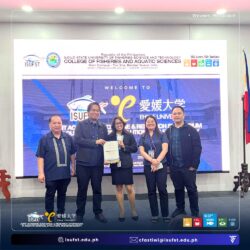
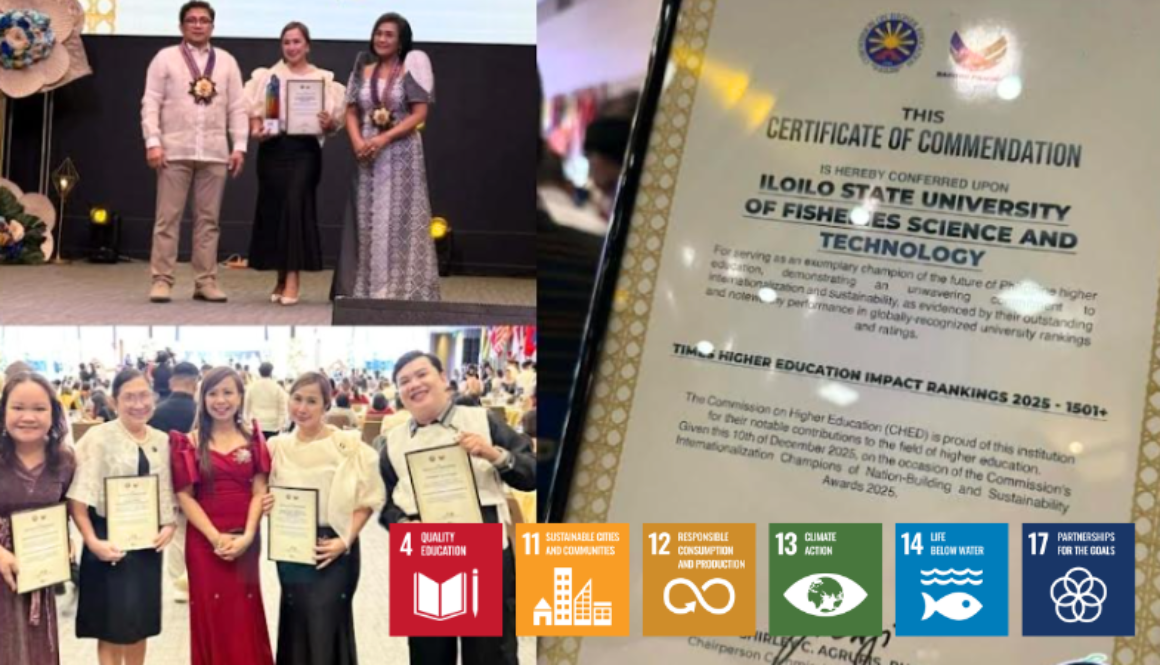
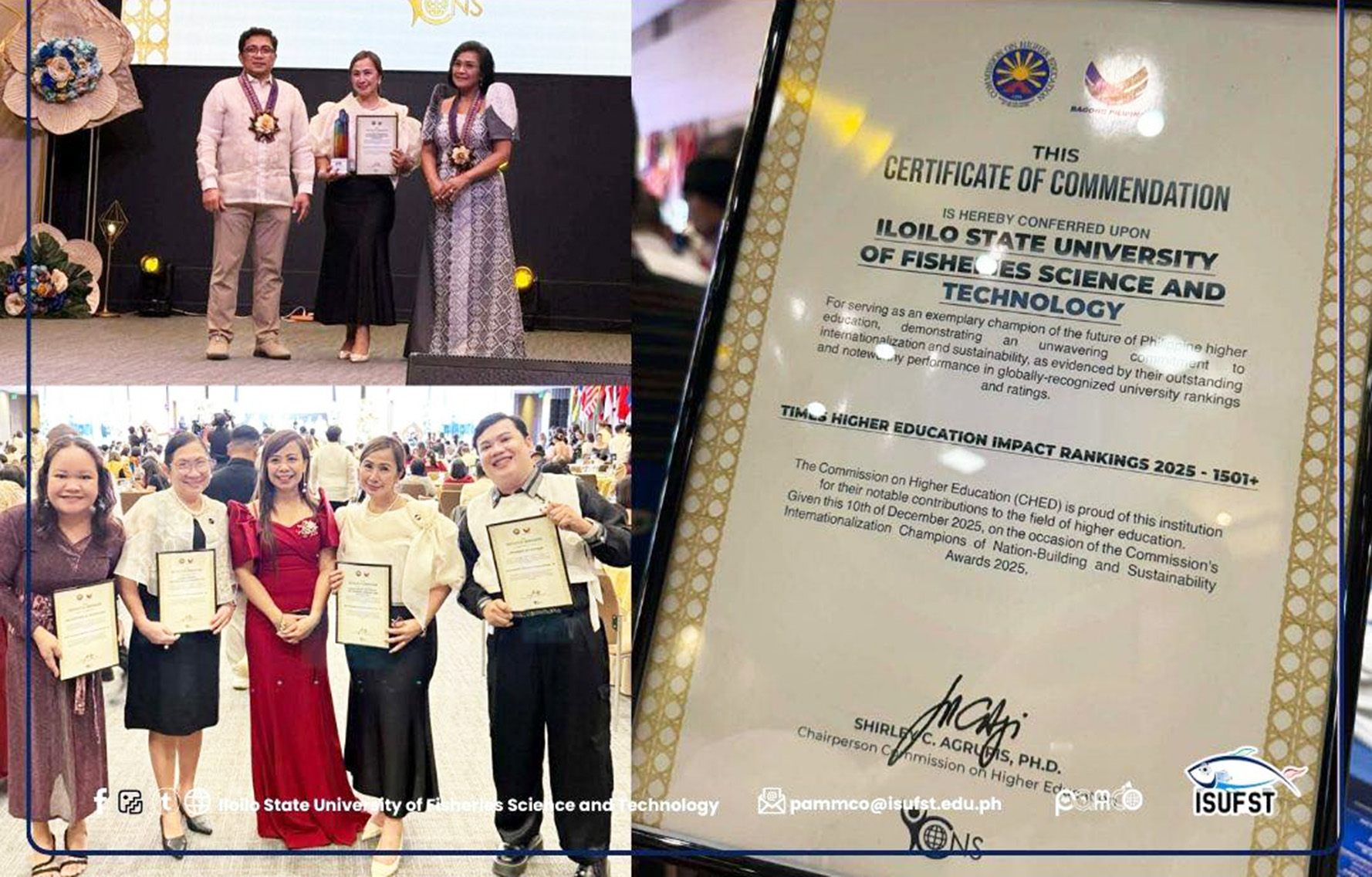
The Iloilo State University of Fisheries Science and Technology (ISUFST) marked a historic moment in its 68-year journey after receiving national distinction at the Commission on Higher Education’s Internationalization Champions of Nation-Building and Sustainability (ICONS) Awards on December 10, 2025, at the Philippine International Convention Center (PICC) in Pasay City.
CHED holds its annual ICONS Awards to celebrate Philippine Higher Education Institutions (HEIs) for their crucial role in championing the country’s higher education sector on the international stage. The ICONS Awards 2025 acknowledges Philippine HEIs that are beginning to show up in international ranking tables, celebrating not just the data but the stories behind them—the push for sustainability, the widening of ASEAN awareness, the growing spirit of global engagement. It is also a space where the visionaries and everyday workers behind these strides are honored.
For the first time, ISUFST joins the roster of ICONS awardees—a milestone that reflects the university’s rising presence beyond the shoreline and its growing impact on the country’s higher education landscape.
Representing the university at the ceremony was Dr. Jeanette G. Bayona, Director of the Office of International Affairs and Linkages, who carried the pride of the ISUFST community as she received the award. For her, the recognition felt deeply personal for a university built from the quiet perseverance of coastal communities.
“ISUFST may be a small university by national standards, but our dreams for our students have always been big,” Dr. Bayona said. “This award tells us that our efforts—to connect, to collaborate, and to open global doors for our learners—are finally being seen. It inspires us to do even more.”
This ICONS honor comes at a turning point for ISUFST, which has been quietly building its global connections through collaborations, faculty upskilling, and programs that bring the world closer to its coastal campus. As President Dr. Nordy D. Siason, Jr., CESO VI noted, the award captures the university’s spirit as much as its achievements.
“This is a milestone shaped by many hands—teachers who give more than what is required, students who dare to dream beyond our shores, and communities who believe in the promise of education,” Dr. Siason said. “For the first time in our history, ISUFST has been recognized on a national stage for internationalization. This is a victory we dedicate to the families and fisherfolk who built this university from the ground up.”
He added that the ICONS recognition strengthens ISUFST’s resolve to keep improving.
“We will continue creating programs and partnerships that honor our roots in fisheries while pushing us toward global relevance,” he said.
ISUFST also marked two more “firsts” this year—its inclusion in the UI GreenMetric and the 2024 THE Impact Rankings, both affirming its identity, especially in Life Below Water. For a university shaped by the sea and the families who depend on it, these recognitions feel like small waves turning into big tides. As ISUFST turns this new page, it carries with it a warm promise of a more connected and sustainable future for the next generation. (Julius Ruger Hermano | Herman Lagon | OIAL | PAMMCO)
#isufstisdafirst #isufst #isufstcommunity #pammcostoriesthatmatter

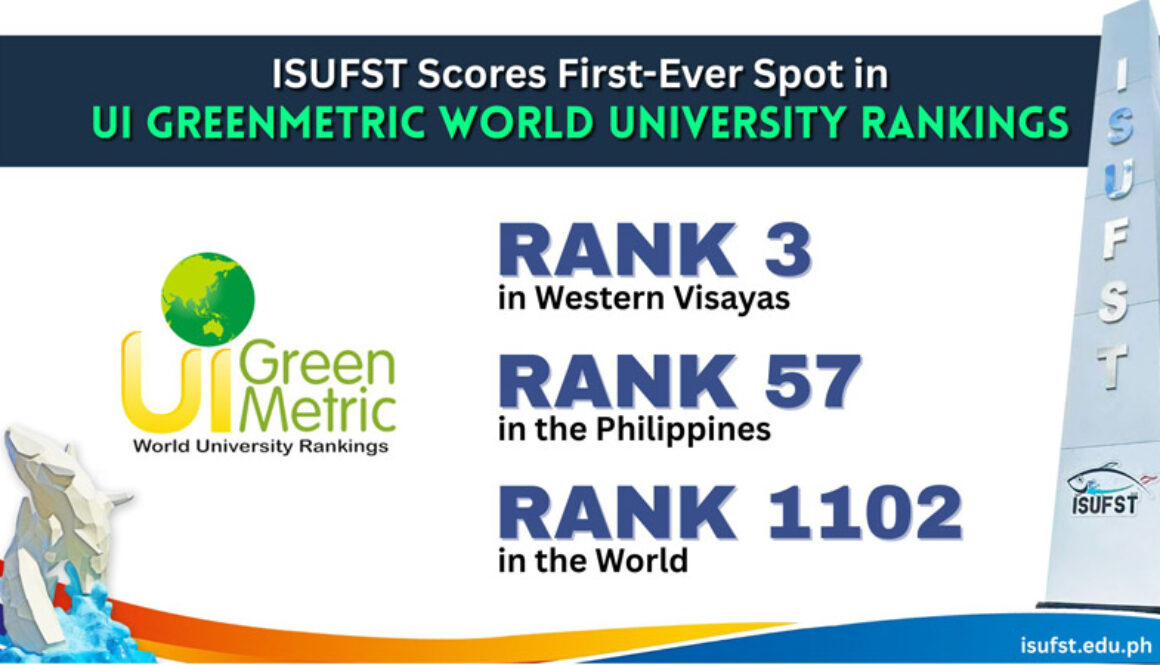
The Iloilo State University of Fisheries Science and Technology (ISUFST) has taken a meaningful step onto the global sustainability stage, earning its first-ever placement in the UI GreenMetric World University Rankings 2025, securing 1102nd out of 1,745 universities worldwide. It is also third overall in Western Visayas, next to WVSU and ISATU. For many ISUFSTians, this recognition is a simple but meaningful affirmation and concrete transformation: their everyday efforts are truly making an impact.
The 15th UI GreenMetric Ranking measures how these universities worldwide commit to climate responsibility—from clean energy to waste, water, transport, and sustainability education. This year’s theme highlights how campuses must make sustainability part of their story, not just their projects.
ISUFST President Dr. Nordy D. Siason Jr., CESO VI, shared, “This milestone is more than a ranking—it’s a reminder that change starts with simple choices done consistently.” “We thank the dedicated ISUFST team who worked tirelessly on the GreenMetric documentation and our faculty, staff, students, and partner communities who prove every day that protecting our environment is shared work.”
ISUFST’s sustainability footprint is composed of lived stories—student-led mangrove plantings, community-managed marine sites, climate lessons rooted in experience, and campus-wide efforts to reduce waste and conserve energy. The Agri-Ecotourism Farm in Bongloy, ISUFST Dingle Campus, embodies this work by merging environmental learning with livelihood opportunities. These efforts show that sustainability here is not just compliance—it is culture.
As the nation’s sole fisheries university, ISUFST’s GreenMetric ranking affirms its commitment to the United Nations Sustainable Development Goals that shape the future of the agri-fisheries sector and the communities it uplifts. It is worth noting that it also secures the 57th spot among 89 participating institutions in the Philippines.
The recognition also supports ISUFST’s vision to become a purpose-driven and globally engaged institution. The milestone follows ISUFST’s recent CHED recognitions and its entry into the 2024 Times Higher Education Impact Rankings.
“Sustainability outlives us,” said Dr. Siason. “We do this for our students today and the communities they will someday lead.”
ISUFST moves forward steadily—working with partners, learning from its communities, and choosing greener paths, one step at a time. (Rex Paulino | Herman Lagon | PAMMCO)
#isufstisdafirst #isufstcommunity #isufst #pammcostoriesthatmatter

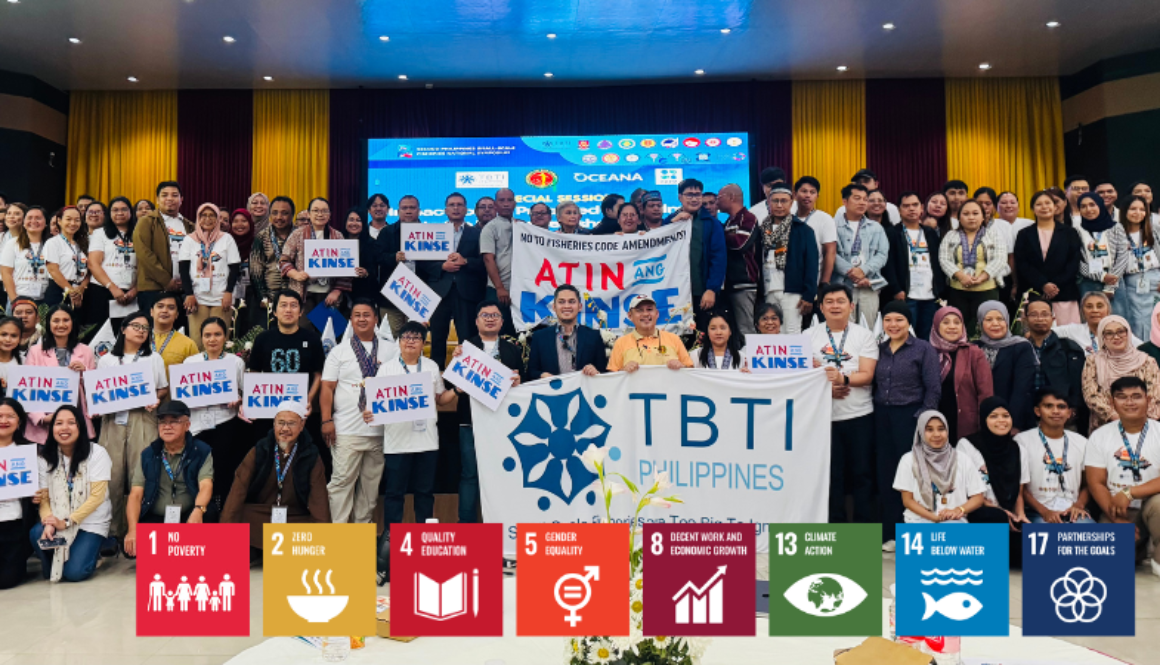
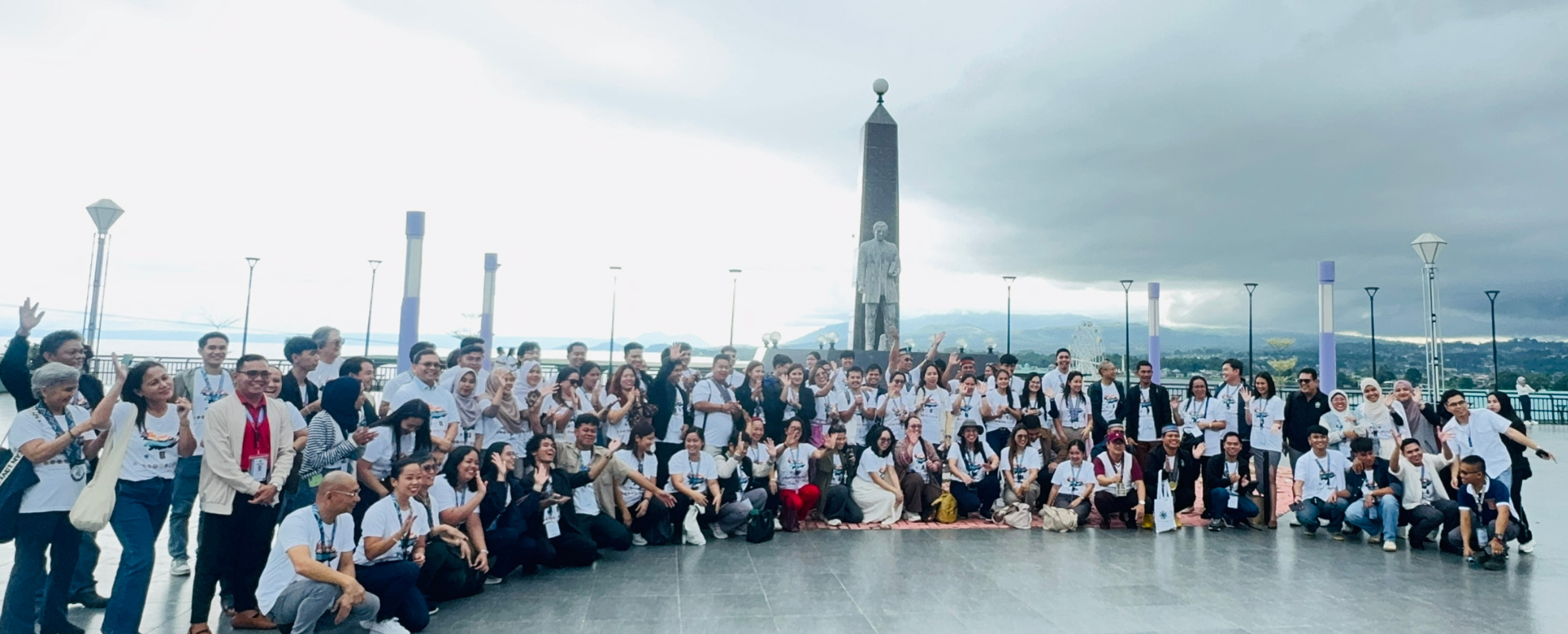
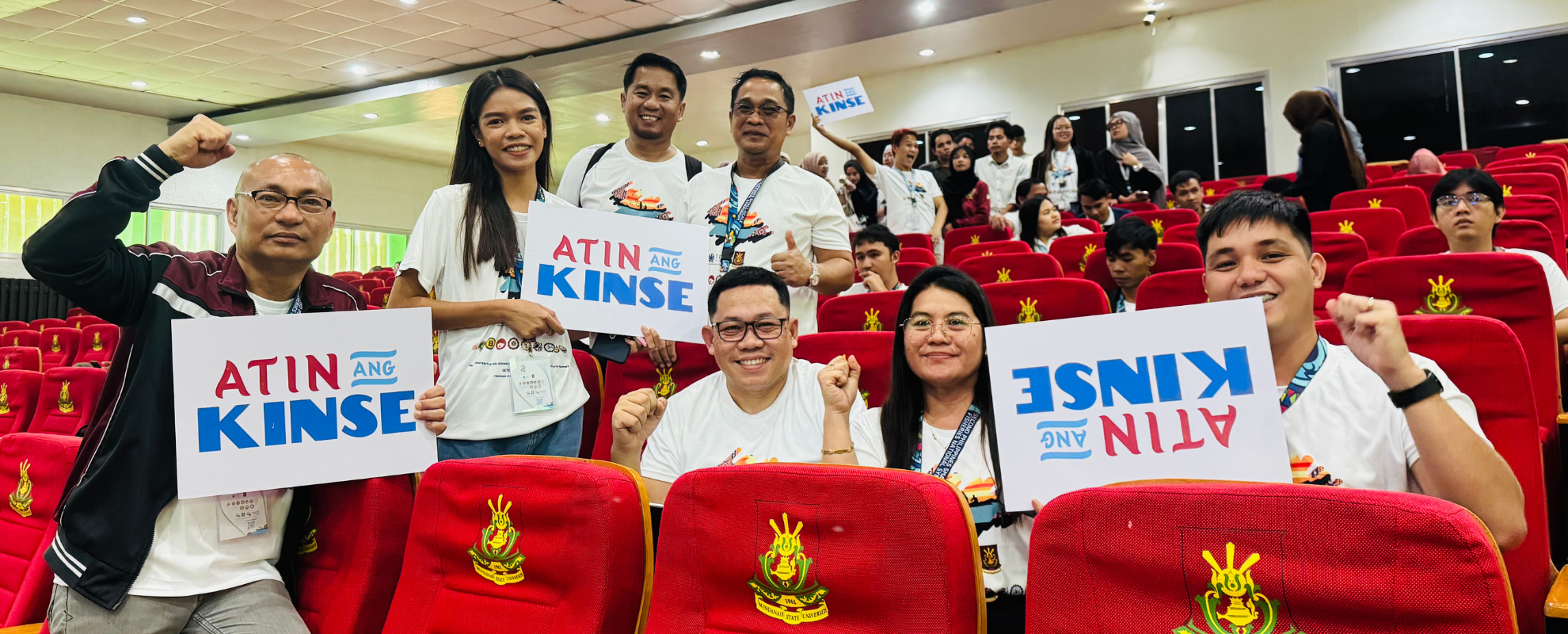
MARAWI CITY — As the Philippines pushes for stronger protection of its small-scale fishers through the “Atin ang Kinse Kilometro” bill, faculty and students from the Iloilo State University of Fisheries Science and Technology (ISUFST) joined hundreds of advocates in Mindanao to turn research into resolve.

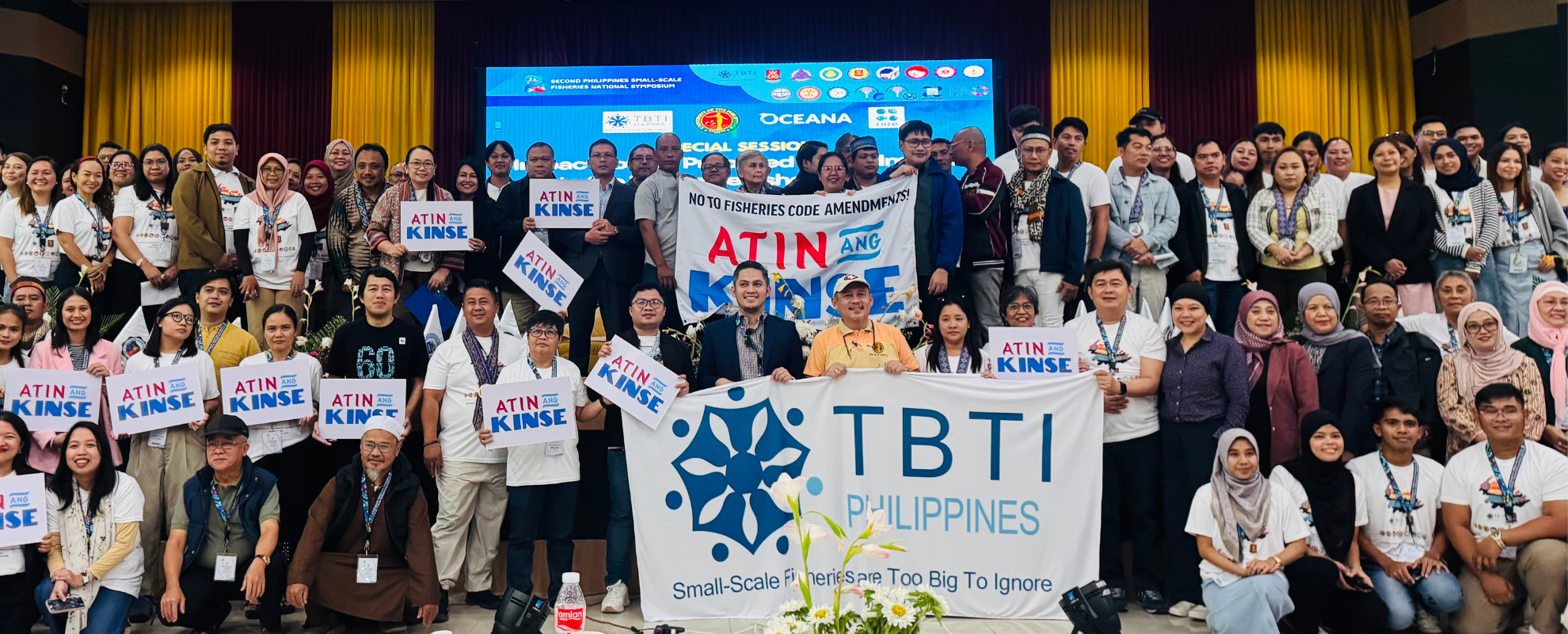
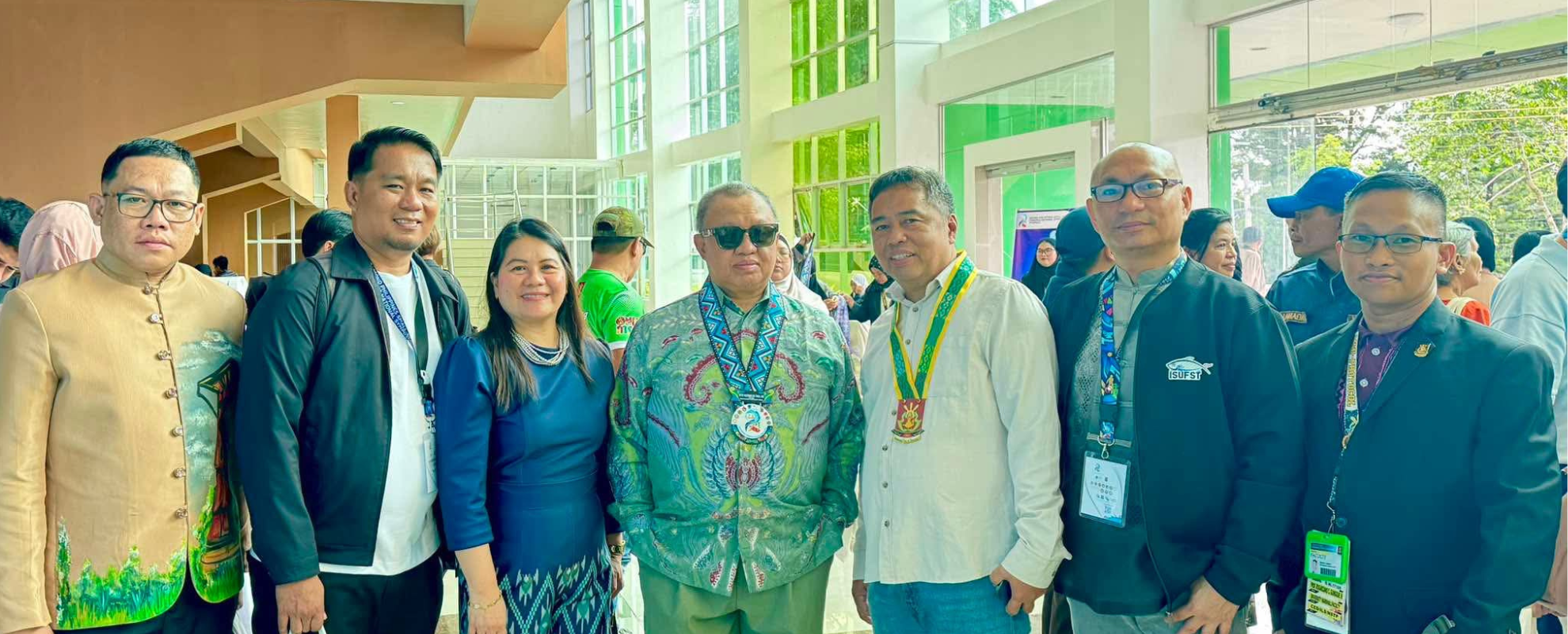
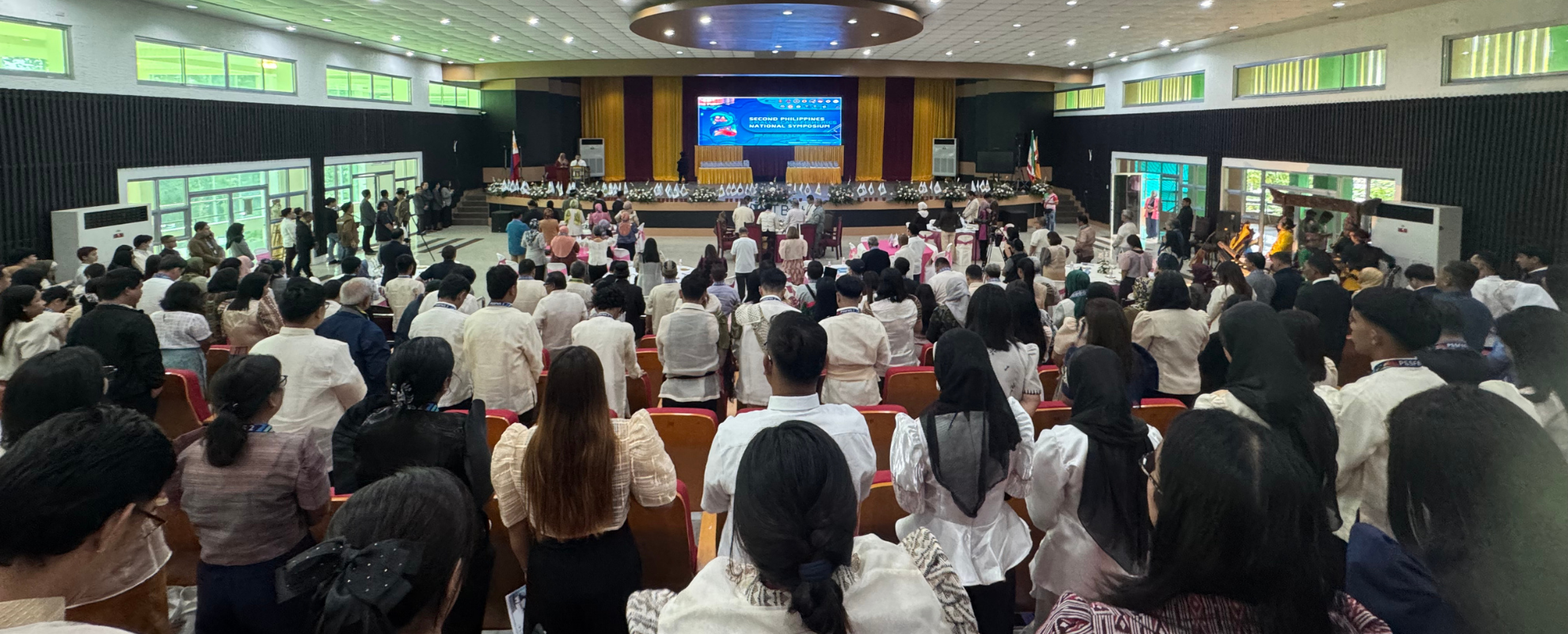
Eight ISUFST delegates—seven faculty members and one fisheries student—presented 16 research and creative works at the Second Philippine Small-Scale Fisheries National Symposium (PSSFNS2) held on October 21–23, 2025, at the Mindanao State University (MSU)–Main Campus in Marawi City. The works, blending science, storytelling, and song, championed sustainability and inclusivity in the country’s small-scale fisheries (SSF) sector.

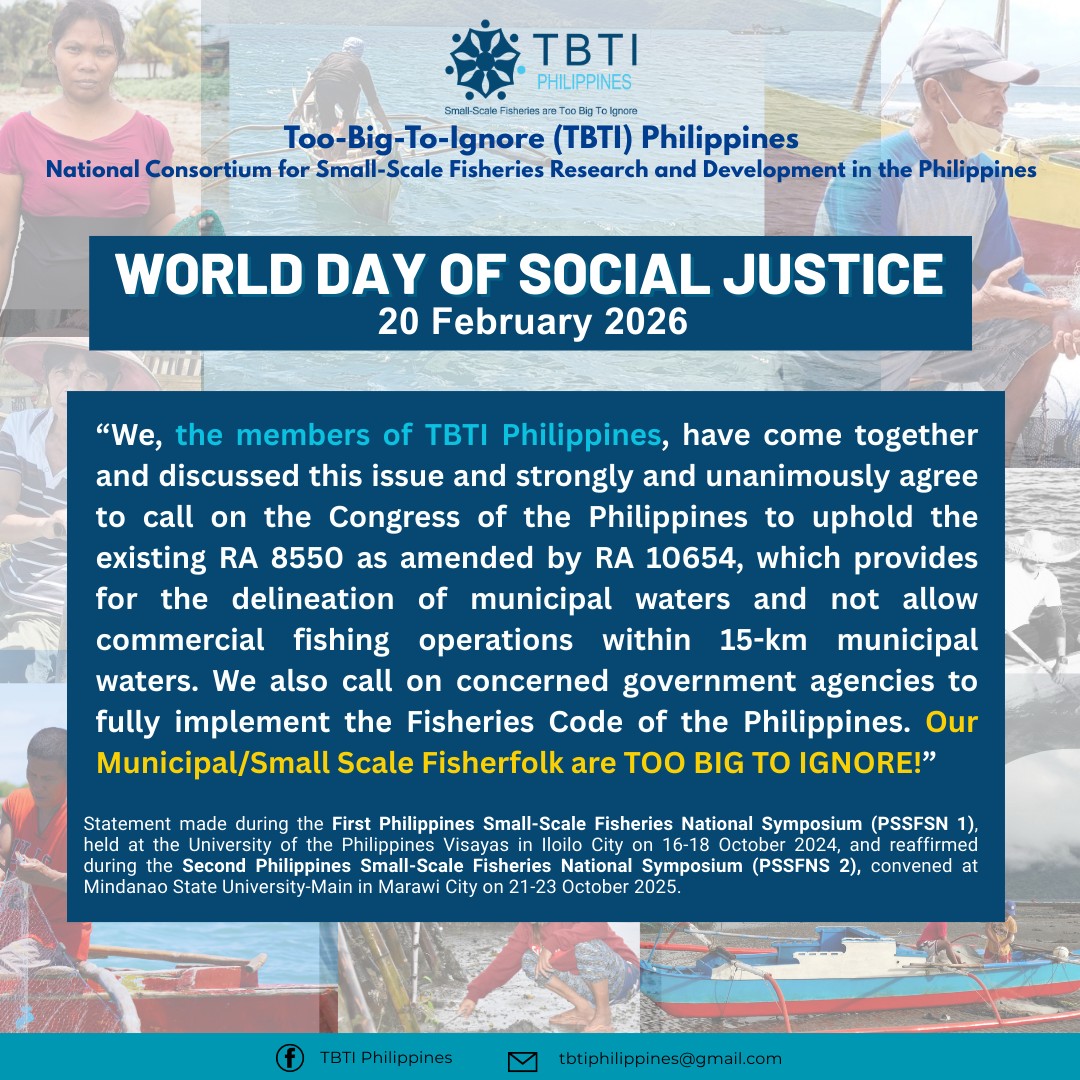
“Too Big To Ignore”
Gathering over 300 scientists, educators, artists, fishers, students, and policymakers, the three-day symposium carried the theme “From Recognition to Action.” Organized by MSU and Too Big To Ignore (TBTI) Philippines, it called for stronger and fairer policies to protect the country’s 15-kilometer municipal waters—the very heart of the “Atin ang Kinse” campaign, which fights for the rightful space of small fishers in their own seas.
“This consortium of universities, agencies, and communities aims to make small-scale fisheries visible, viable, and sustainable,” said Dr. Glen Lorenzo, MSU Vice President for Research and Extension. The gathering also tackled pressing issues such as climate change, overfishing, and illegal encroachment by commercial vessels—threats that the pending “Atin ang Kinse Kilometro Bill” (HB 5606) seeks to address.

ISUFST’s Contributions: Science, Art, and Advocacy
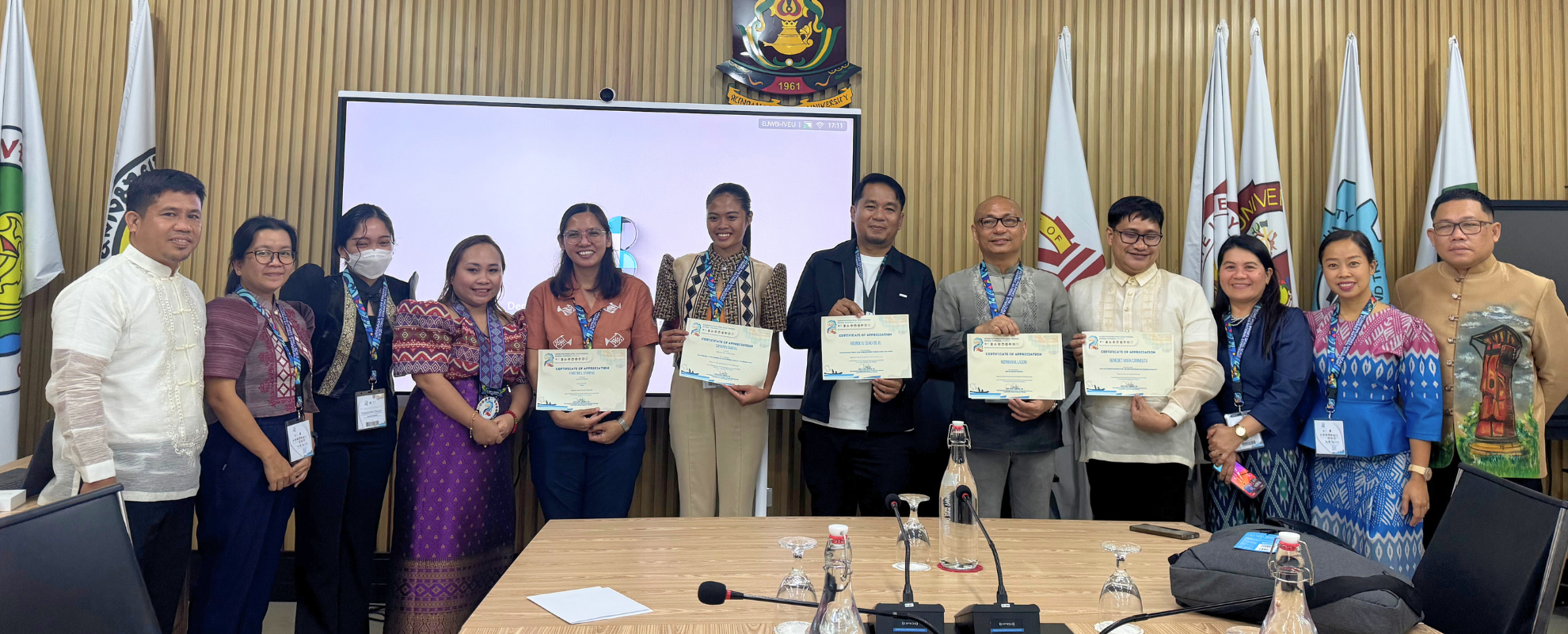
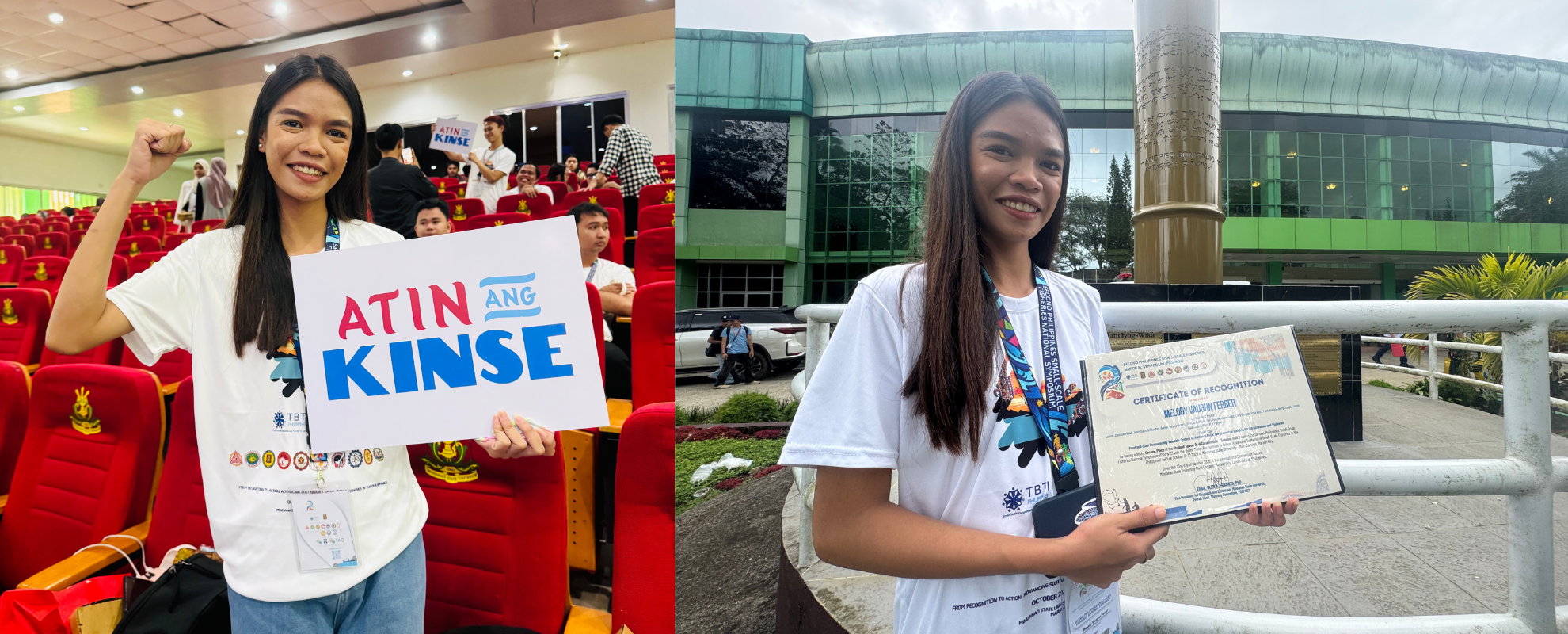
Representing ISUFST were Dr. Rolindo B. Demo-os Jr., Dr. Jescel B. Bito-onon, Prof. Rother M. Gaudiel, Dr. Quin Y. Clarito, Dr. Michael B. Dizon, Instructor Jezreel C. Donguila, Dr. Herman M. Lagon, and BS Fisheries student Melody Vaughn Ferrer.
Their diverse outputs—from fisheries research and photo essays to poetry and original songs—embodied ISUFST’s belief that science and culture can work together to heal and protect the seas.
Among the technical studies were “Catch Rates and Fishery Characterization of Filter Nets in Tinori-an River, Iloilo” by Bito-onon and Gaudiel, and “Fishing Smarter: Comparative Analysis of Fish Pot Designs Used by Small-Scale Fishers in Banate Bay” by Clarito.
Ferrer’s team, composed of CFAS students and faculty, presented “Pearl and Other Economically Valuable Oysters of Northern Iloilo: Morphometric Insights for Conservation and Fisheries.” The study highlighted the balance between livelihood and conservation—and won second place in the oral presentation category, besting entries from universities nationwide.
“These projects show how local innovation builds resilience in small-scale fisheries,” said Dr. Bito-onon, ISUFST Director for Research and Development. “It’s not just about data; it’s about empowering the communities that depend on our waters.”

Art Meets Advocacy
The symposium also celebrated creative works that bridged science and human experience. Dr. Herman M. Lagon’s poetry, short stories, and photography collections—“Between Net and Node,” “The Net That Holds,” “Where the Line Holds,” “Of Change,” “Lines of Salt and Hope,” “When Only the Bangkas Rest,” and “When Currents Meet the Roots”—captured the soul of coastal life: its struggles, rhythm, and hope.
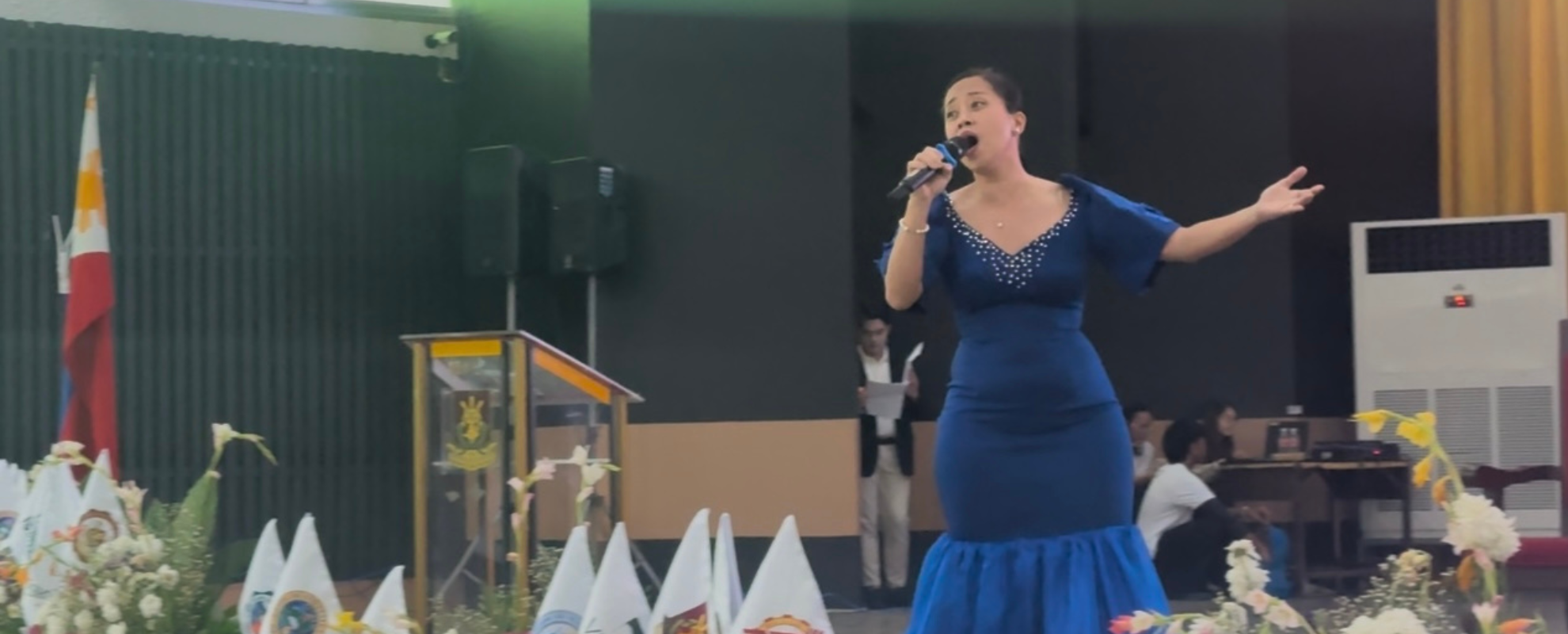
Lagon, together with Instr. Jezreel C. Donguila, also presented two original advocacy songs, “Let the Line Hold” and “The Lines We Cast,” inspired by the Atin ang Kinse campaign. The songs, arranged with karaoke-style visuals and live footage edited by Patrick Lance Nacion using images from Dean Demo-os and Dr. Lagon, were performed by Donguila during the closing plenary and MOA signing ceremony—drawing resounding applause from the audience.
Beyond the symposium halls, the ISUFST delegation experienced Maranao hospitality. On the first night, delegates were treated to a Pagana Meranao dinner—an elaborate ceremonial feast where guests “eat like royalty.” Seated around a grand tabak (ornate tray), they shared flavorful dishes with their hands in true Maranao fashion.

The Marawi Manifesto and a Promise for the Future
The symposium concluded with the signing of the Marawi Manifesto, a collective pledge of support for the Atin ang Kinse movement and the Too Big To Ignore (TBTI) advocacy for inclusive, sustainable, and resilient fisheries. During the signing, Donguila’s live rendition of “Let the Line Hold” and “The Lines We Cast” filled the MSU gymnasium as photos of fisherfolk and coastal communities played onscreen—a moment described by many as “a hymn for the sea and the people who live by it.”
Participants also celebrated the acceptance of Batangas State University (BSU) as the next host of PSSFNS3 in 2026, marking the continued expansion of the TBTI network across the archipelago.
They capped the symposium with a visit to Marawi’s Ground Zero, where the scars of war stood as a solemn reminder that battles for survival come in many forms. Just as Marawi once fought for the right to life and peace, today’s Atin ang Kinse movement fights for the right of small fishers—and the seas they depend on—to live and thrive.

A Shared Mission
ISUFST President Dr. Nordy D. Siason Jr. commended the delegation for embodying the university’s vision of blending “science, culture, arts, and compassion in service of people and planet.” He emphasized that ISUFST’s efforts directly align with the United Nations Sustainable Development Goals, particularly SDG 14 (Life Below Water), SDG 2 (Zero Hunger), and SDG 13 (Climate Action).
For ISUFST, the symposium was more than an academic event—it was a reminder of purpose. “When we tell the stories of small fishers, artistically and scientifically,” said Lagon, “we’re also telling the story of our shared future.”

The PSSFNS2 came at a crucial time, as fisherfolk groups renewed calls for the passage of the “Atin ang Kinse Kilometro Bill” (HB 5606). The measure seeks to restore small fishers’ exclusive rights to municipal waters—rights recently challenged by a court ruling favoring commercial vessels.
From the shores of Banate to the lakes of Lanao, the message of PSSFNS2 was clear: small-scale fishers are too big to ignore. (PAMMCO)
#ISUFSTisdaFirst #ISUFSTCommunity #PAMMCOStoriesThatMatter #AtinAngKinse #PSSFNS2 #LifeBelowWater


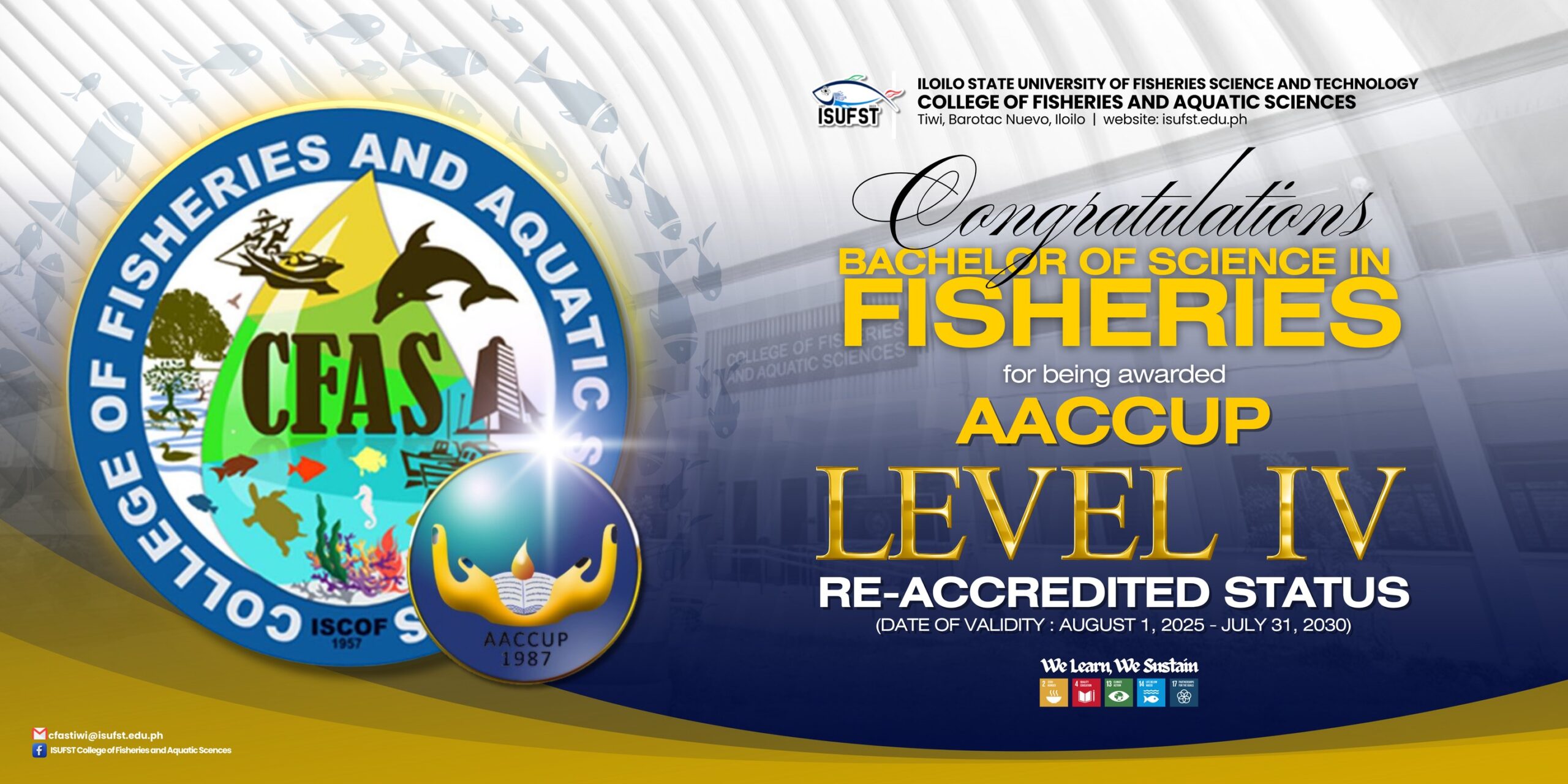
The Bachelor of Science in Fisheries (BSF) Program of the College of Fisheries and Aquatic Sciences (CFAS) has successfully earned 𝗟𝗲𝘃𝗲𝗹 𝗜𝗩 𝗥𝗲-𝗔𝗰𝗰𝗿𝗲𝗱𝗶𝘁𝗮𝘁𝗶𝗼𝗻 𝗳𝗿𝗼𝗺 𝘁𝗵𝗲 𝗔𝗰𝗰𝗿𝗲𝗱𝗶𝘁𝗶𝗻𝗴 𝗔𝗴𝗲𝗻𝗰𝘆 𝗼𝗳 𝗖𝗵𝗮𝗿𝘁𝗲𝗿𝗲𝗱 𝗖𝗼𝗹𝗹𝗲𝗴𝗲𝘀 𝗮𝗻𝗱 𝗨𝗻𝗶𝘃𝗲𝗿𝘀𝗶𝘁𝗶𝗲𝘀 𝗶𝗻 𝘁𝗵𝗲 𝗣𝗵𝗶𝗹𝗶𝗽𝗽𝗶𝗻𝗲𝘀 (𝗔𝗔𝗖𝗖𝗨𝗣), 𝗜𝗻𝗰., with an outstanding overall rating of 4.7 out of 5.0.
This achievement reflects the program’s unwavering commitment to the highest standards of academic excellence, research innovation, and community engagement, the hallmarks of a globally competitive fisheries institution. It also highlights the dedication of CFAS faculty, staff, students, and stakeholders in advancing quality education and sustainable practices in the field.
As CFAS continues its journey toward becoming a Center of Excellence in Fisheries, this milestone reinforces our collective commitment to quality assurance, innovation, and sustainability in fisheries and aquatic sciences.
Proudly, we uphold our mantra—
We Learn. We Sustain.
To more and beyond, CFAS!
(by JCB Salarza and CJC Villanueva

An ISUFST undergraduate and a faculty member earned Best Research Presenter honors at the 4th International Conference on Biodiversity and Climate Change (IConBaCC 2025), held September 25–26 at Misamis University in a hybrid format. Their achievements advanced work aligned with the conference theme, “Sustainable Peace with Nature: A Global Commitment towards Net Zero.”
Arlene May A. Linacero (BS Fisheries III) was cited onsite in the Environmental Impacts and Climate Change category for her study, “Pathogenicity of Outbreak-Derived Aeromonas hydrophila on Nile Tilapia (Oreochromis niloticus) through Immersion Challenge.” She was advised by Prof. Jason O. Albances and accompanied by Dr. John Christian B. Salarza. Her research supports healthier aquaculture systems—vital to food security and directly aligned with SDG 14 (Life Below Water) and SDG 13 (Climate Action).

Assistant Professor II Rico Ian D. To-ong, who presented virtually, earned Best Presenter honors in the Political Responses category for his study, “Value Chain Analysis of the Invasive Fish Sarotherodon melanotheron in the 4th District of Iloilo, Philippines.” His work provides policy- and market-oriented insights on managing invasive species, directly connecting to SDG 12 (Responsible Consumption and Production) and SDG 14 (Life Below Water).
IConBaCC is a biennial platform hosted by Misamis University in collaboration with regional and international partners. It brings together researchers, practitioners, students, and stakeholders to share solutions on biodiversity and climate challenges. Accepted papers may also be considered for publication in the Journal of Multidisciplinary Studies (JMDS).
The recognitions reflect ISUFST’s outcomes-focused training and partnerships consistent with SDG 17 (Partnerships for the Goals), SDG 14 (Life Below Water), and the university’s commitment to quality education and community impact.
Established in 1957, the Iloilo State University of Fisheries Science and Technology (ISUFST) is the country’s first and only fisheries university. With five campuses, it offers programs in fisheries, marine biology, education, management, industrial technology, agriculture, information technology, and office administration. The university is ISO 9001:2015–certified, AACCUP-accredited since 1998, a multi-awardee of CHED, and a debut entrant in the 2024 Times Higher Education Impact Rankings, cited across five SDGs.
(John Christian B. Salarza and Herman Lagon / PAMMCO)
#isufstisdafirst #isufstcommunity #isufst #pammcostoriesthatmatter

The Iloilo State University of Fisheries Science and Technology (ISUFST) received the Fisheries Scholarship Program (FSP) Advocate Award from the Bureau of Fisheries and Aquatic Resources (BFAR) today, September 19, 2025, at the Luxent Hotel in Quezon City, in recognition of its commitment to fisheries education and consistent support for BFAR’s scholarship initiatives.
The award, given under the Best State Universities and Colleges Category, highlights ISUFST’s “unwavering support, active collaboration, and remarkable commitment” to the FSP, which aims to nurture competent fisheries professionals across the country. It was presented in time for the 52nd Fish Conservation Week, a national event which ISUFST CFAS primarily celebrates, that underscores the importance of protecting the country’s aquatic resources
The certificate of recognition was signed by BFAR National Director Elizer Salilig, a Master of Fisheries Technology alumnus of ISUFST. Representing ISUFST at the awarding were Vice President for Academic Affairs Dr. Joan Belga and College of Fisheries and Aquatic Sciences Dean Rolindo Demo-os, Jr.

Belga said the recognition affirms ISUFST’s mandate as the country’s premier fisheries university. “This award mirrors our shared dedication to producing graduates who are not only skilled but also socially responsible stewards of our marine and aquatic resources,” Belga stated.
Demo-os, for his part, underscored the collaborative efforts of faculty, students, and partner agencies in making ISUFST a consistent ally of BFAR’s scholarship program. “Our success is rooted in the passion of our faculty, the determination of our scholars, and the trust of BFAR in our institution. This recognition inspires us to strengthen our programs even further,” Demo-os remarked.
The award rites formed part of the 52nd Fish Conservation Week, themed Gawad Parangal sa mga Kabalikat ng Pangisdaan at Yamang-Tubig. The program included keynote addresses by Department of Agriculture Undersecretary for Fisheries Drusila Esther Bayate and Agriculture Secretary Francisco Tiu Laurel, Jr., who both lauded SUCs for their role in advancing fisheries education and conservation.
ISUFST officials were joined by BFAR Regional Director Remia Aparri and several alumni now serving as division heads at BFAR’s central office. Students and retired faculty of ISUFST also attended the event, underscoring the university’s strong alumni and community ties.

The recognition affirms ISUFST’s alignment with its vision of academic excellence and its commitment to the United Nations Sustainable Development Goals, particularly SDG 4 (Quality Education) and SDG 14 (Life Below Water).
Since 1957, ISUFST has been the Philippines’ only fisheries university. Recognized for nine years as a Center of Development in Fisheries and ISO 9001:2015-certified, it now serves 8,500 students in five campuses and continues to train skilled graduates in fisheries, marine sciences, agriculture, management, technology, and education. (Herman Lagon/PAMMCO)

On stormy days in Iloilo, when the sea looks restless and the shoreline brims with stories, four ISUFST students chose to chase answers hidden in the smallest of places—inside the gut of an oyster. For 20-year-olds Melody Vaughn Ferrer, Johnas Arellado, Romeo Theodore Golez, and Arlene May Linacero, what began as curiosity soon grew into the kind of work that could change lives, especially for the fisherfolk who depend on tilapia farming for survival. Together, with the quiet but steady mentorship of Prof. Jason Albances, they became a research team unlike any other.
Just days ago, they made history. Named Top 10 National Finalists in the BPI-DOST Innovation Awards, the young researchers secured ₱60,000 with the chance to turn it into ₱150,000 if they rise into the Top 3. For ISUFST, it is the first taste of national acclaim at this level and nature. For the students, it is fuel and validation rolled into one—evidence that an oyster-born idea from Iloilo can swim, and thrive, in national waters.

The Team Behind the Breakthrough
Their story is a grounded picture of ISDA in motion—research done with integrity, for social justice, through disciplined work, toward academic excellence.
Melody, a BFAR scholar from Guimaras, traced her passion to growing up close to the sea. “At first, I just wanted to help in research,” she said. “But along the way, I realized how much it fueled my drive to persevere and deepen my passion for discovery.” Her journey from high school science fairs to oyster-based probiotics reveals not just persistence but a love for science that mirrors the mission of Iloilo State University of Fisheries Science and Technology (ISUFST), the only fisheries university in the country, to raise globally competitive graduates who lead with responsibility.
Johnas, a third-year student from Anilao, Iloilo, admitted he wasn’t ready for research at first. But when he learned microbes from oysters might help fight fish disease, he was hooked. “The idea that something small could save you from creating this large change also delighted me,” he recalled with a soft smile. Outside the lab, he unwinds with music and his food and consumptive fish—proof his curiosity swims past textbooks into daily life.
For Romeo, the project was almost a calling. “The chance to study probiotics from oysters was something I never thought possible,” he said. Manga and anime may give him comfort after long days, but in the lab he became one of the group’s anchors. He repeated technical procedures tirelessly until they worked, his honesty about failures matched by his joy in every small success. That mix of grit and humility made him both steady worker and natural communicator—traits that soon earned him the role of the team’s buyer, marketer, and outside link.
Arlene, a BFAR and LGU coop scholar from Cabatuan, Iloilo, was drawn in by her love for freediving and swimming. “Being underwater connects me to the world we study,” she reflected. As the team’s organizer, she kept those late nights from going off the rails. “What I love is our balance—if one of us misses something, someone else calls it out.” It was she who first proposed probiotics as their research direction, setting the course for everything that followed.
What set this group apart was how their roles naturally complemented each other. Melody took on the less glamorous tasks—documentation, filing letters, cleaning up after experiments. “It’s the dirty work that keeps everything moving,” she joked. Johnas, the problem-solver, handled daily water changes and jury-rigged solutions when lab resources ran low. Romeo became the communicator, doing market surveys and purchases while still grinding through lab work. Arlene managed the group’s schedules and communication, never letting momentum stall. Each role was different, but together they made the research possible.

Setbacks, Support, and Small Wins
The sacrifices they poured into the study weren’t just late nights—they were entire seasons of their young lives. Melody remembers entering the lab at five in the morning and leaving near midnight, sometimes skipping meals just to record tilapia behavior. Johnas recalled the never-ending challenge of securing clean water, especially during weekends or holidays when supply was unreliable. Romeo spoke of equipment that wasn’t fit for their needs, forcing them to adapt. Arlene admitted she often pushed for extra experiments even when energy was low.
Their adviser, Prof. Albances, put it plainly: “I watched them trade sleep, meals, and weekends for this work. We lost three runs to contamination, ran out of clean water, made do with tools that weren’t built for us. Each time, they didn’t sulk—they changed the method and came back. That’s science: care and perseverance for a higher cause.”
For them, science wasn’t neat—it was chaotic, sleepless, and stubborn. “The worst part? Those marathon lab days—no lunch, no breaks,” Melody shared. “The best? That moment the data finally clicked and every hour felt worth it.” Romeo added, recalling when the oyster probiotics first checked the pathogen: “That tiny win kept us going.”
Even steady Arlene confessed to jitters. “I’m kinda confident, just trying not to jinx it.” She carried on, letting the results speak for themselves “The whole process really matters—it proves ISUFST can hold its own in fisheries research.”
Their adviser watched the grind and the glow-ups. “Seeing them after a failed experiment was the hardest,” Albances admitted. He’d ease the room with snacks some days, push harder on others—“kung gis-a, ga latigo ‘ko sa ila (sometimes, I have to ‘crack the whip,’)” he joked. No spoon-feeding, just guided grit. “Their edge is resilience. They kept finding ways to improve.”
It helped that ISUFST itself stood behind them. With the school’s biolab facilities, the students learned to maximize every resource, embodying the university’s guiding principle of empowerment. “Even if the facilities aren’t always perfect, the environment pushes us to innovate,” Arlene said. For Johnas, the experience confirmed his foundation: “ISUFST gave me not just aquaculture knowledge but the chance to do real research early.”
What made their achievement even sweeter was its history. For the first time ever, a group of ISUFST students broke into the top 10 of this national innovation competition. “They are making history for the college,” Albances proudly said. For him, their recognition proved that even as third years—who began this project as sophomores—they could stand shoulder to shoulder with students from more resource-rich universities.
Behind every trial was also a circle of support. Melody, a first-generation student, said her family’s faith gave her courage. Johnas admitted his strict but supportive parents, and especially his sister, pushed him to persevere. Romeo, coming from a family of teachers and seafarers, was grateful for a household that valued discipline and service. Arlene said simply, “My parents supported me all the way.” Beyond families, the school provided labs, vehicles, and even small comforts when needed. “All we asked for, the school supported,” Albances stressed.


Oyster Probiotics for Tilapia: Impact on Fisherfolk
The team’s study, anchored on samples from Brgy. Palaciawan in Barotac Nuevo, directly answered farmers’ questions: “How do we stop the disease?” Aeromonas shrugs off antibiotics, putting small tilapia farmers at risk. By using bay-ad (oysters) as a low-cost probiotic, the students proved science can come from local waters—not pricey imports. If scaled up, this could lower costs, protect fish stocks, and give stability to families whose survival hinges on aquaculture.
Their project drew funding from DOST–PCAARRD with Dr. Mary May Payne as special project head—and from ISUFST. They finished the study with a cost kept relatively manageable, thanks to school equipment and shared resources. The research, part of their undergraduate thesis, has already set the stage for further work. In December 2025, ISUFST professor Dr. Payne will accompany the team to present their full paper internationally, by which time Albances will already be in Japan at Tokyo University of Marine Science and Technology for his PhD studies. “The results are in place for presentation,” he confirmed, hinting at an even bigger stage ahead.
NFRDI and PCAARRD stand for National Fisheries Research and Development Institute and Philippine Council for Agriculture, Aquatic and Natural Resources Research and Development, respectively. While BPI, BFAR, and DOST mean Bank of the Philippine Islands, Bureau of Fisheries and Aquatic Resources, and Department of Science and Technology.

Why This Matters to Families
What makes their work remarkable is how it stretches beyond the lab. “It’s not just about fish,” Melody said. “It’s about the people who depend on them.” By finding a natural, oyster-based alternative to antibiotics, the team points to safer tilapia on the table, steadier incomes for fisherfolk, and healthier seas—right in step with SDGs 2 (Zero Hunger), 3 (Good Health and Well-Being), and 14 (Life Below Water).
Romeo put it more plainly: “Our project can help a lot of small fish farmers by producing a natural way to reduce disease and boost fish health.” Johnas added, “This doesn’t just help aquaculture—it helps fisherfolk families whose livelihoods depend on it.” Arlene saw it as both livelihood and environmental protection: “It’s about supporting local communities through science.”
Looking ahead, each student carries not just dreams but lessons etched by the journey. Melody, an athlete before she was a researcher, learned that sacrifice is the price of discovery. Johnas discovered that asking for help is not weakness but strength. Romeo reflected that diligence and balance are vital: “Ask questions. The world promises more if you’re just keen to look for answers that solve problems for the marginalized.” Arlene distilled it into discipline: “Always manage your time, list the work, distribute it well—but never forget to rest.”
For Prof. Albances, the lesson was simple but profound: interest and grit can push students far beyond the curriculum. “They are only fresh third-years now, but they’ve learned so much more than what’s inside the classroom,” he said. He continues to give free Friday lectures to second-years, inviting them into the same journey. What began as a deal to help senior students in the lab grew into a culture of curiosity that, in his words, “can change futures.”
At its heart, this story is more than science—it’s possibility realized. When curiosity is tended, when resilience finds its moment, and when young scientists are trusted, change begins. The future of discovery lives not just in experiments but in the hands of dreamers, the tables of fisherfolk, and the steady guidance of teachers who let them soar.

“As a university, this directly advances the SDGs and affirms ISUFST’s leadership in marine science,” said Dr. Nordy Siason. “Four students and a mentor are walking away with more than data—they carry grit, service, and hope.”
He put it with a fisher’s plain wisdom and an ISUFST nod: “ISDA isn’t just fish—it’s our promise of shared progress. Care for the fish, feed families, strengthen communities. From an oyster’s gut to the nation’s tables—that’s how science should feed the future.” (Herman Lagon/PAMMCO)