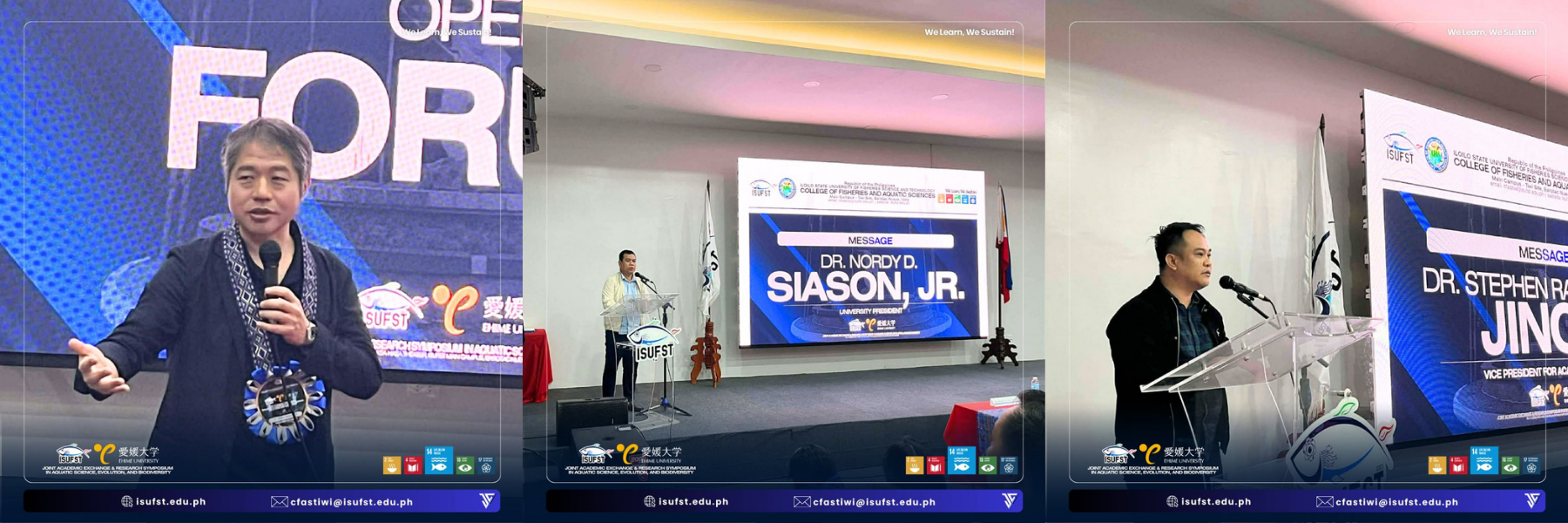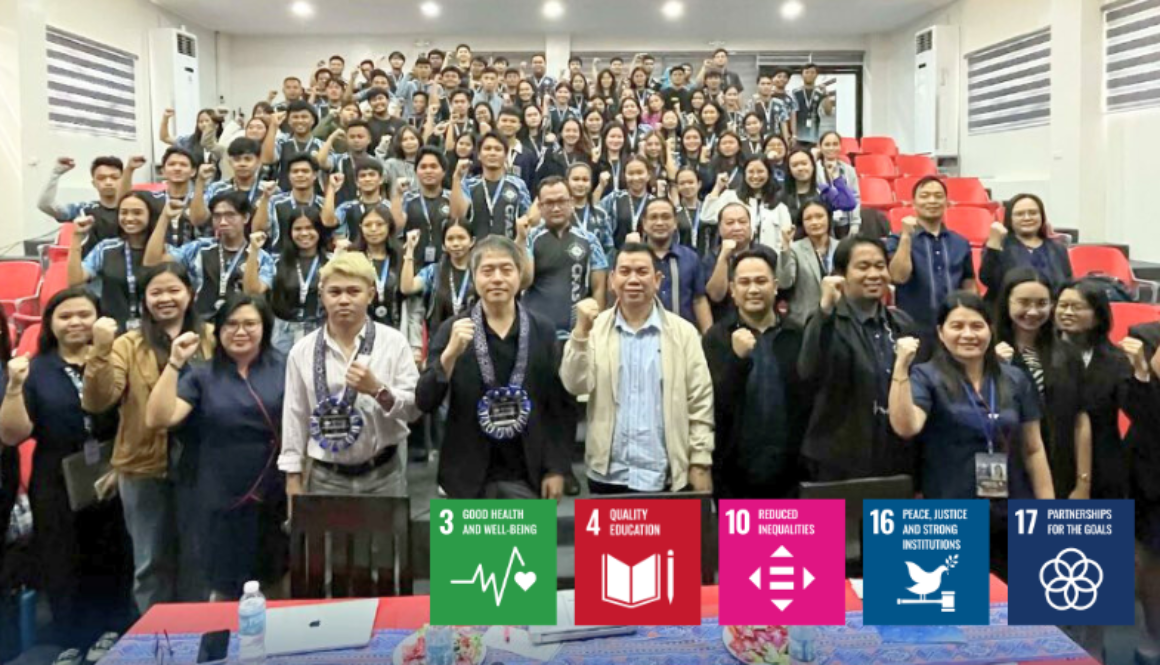
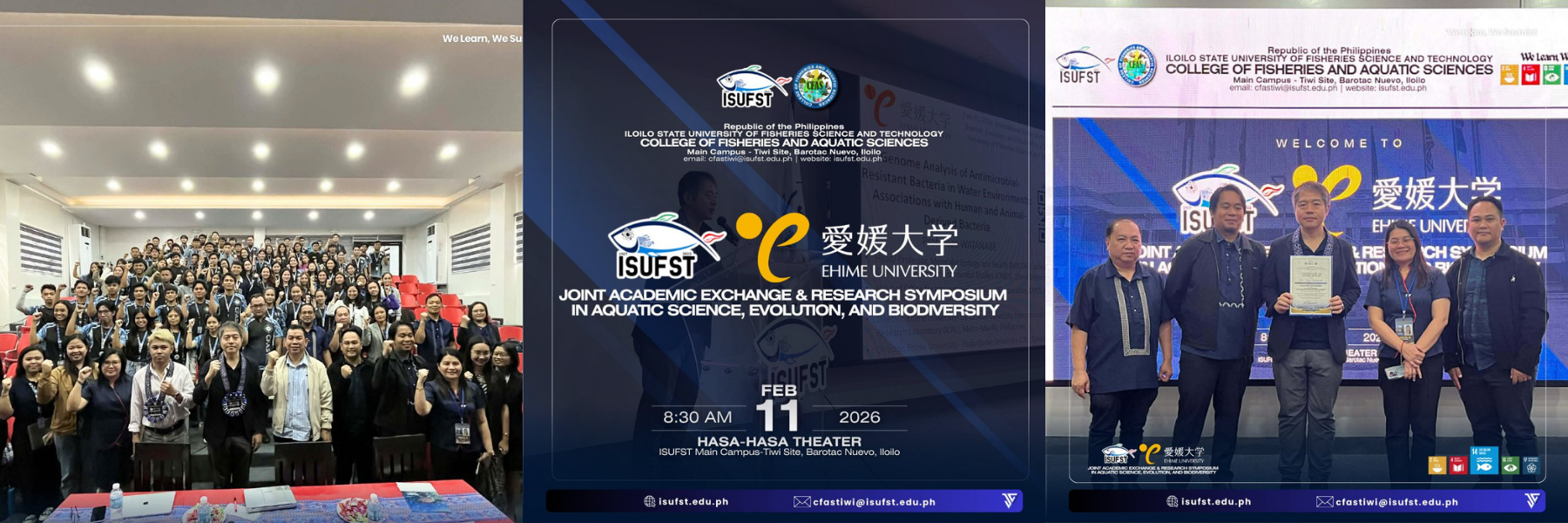
ISUFST–Ehime University Joint Academic Exchange & Research Symposium
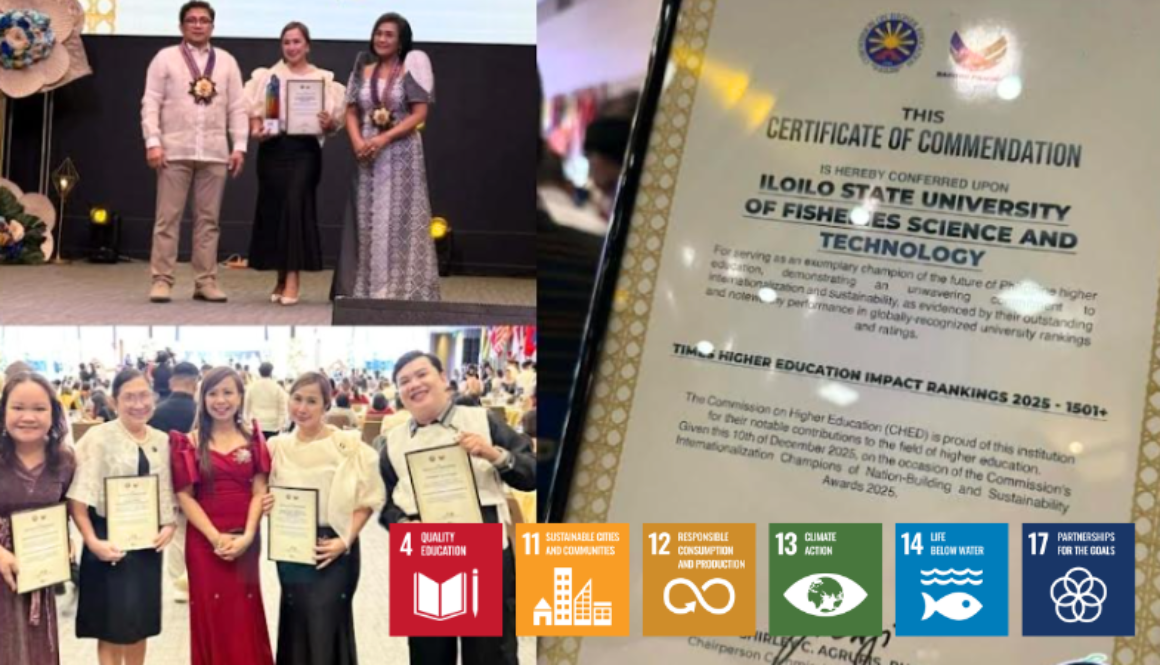
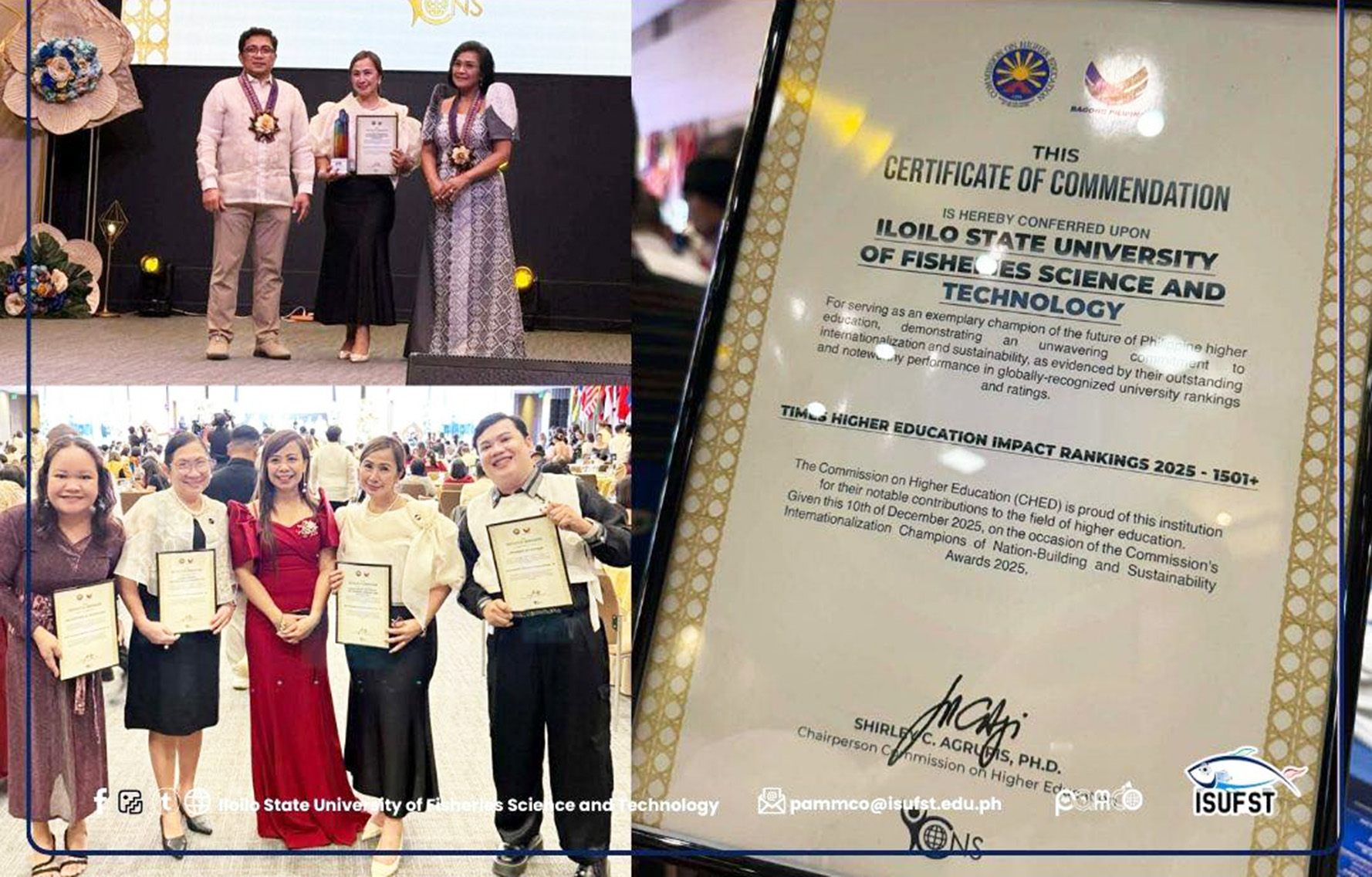
The Iloilo State University of Fisheries Science and Technology (ISUFST) marked a historic moment in its 68-year journey after receiving national distinction at the Commission on Higher Education’s Internationalization Champions of Nation-Building and Sustainability (ICONS) Awards on December 10, 2025, at the Philippine International Convention Center (PICC) in Pasay City.
CHED holds its annual ICONS Awards to celebrate Philippine Higher Education Institutions (HEIs) for their crucial role in championing the country’s higher education sector on the international stage. The ICONS Awards 2025 acknowledges Philippine HEIs that are beginning to show up in international ranking tables, celebrating not just the data but the stories behind them—the push for sustainability, the widening of ASEAN awareness, the growing spirit of global engagement. It is also a space where the visionaries and everyday workers behind these strides are honored.
For the first time, ISUFST joins the roster of ICONS awardees—a milestone that reflects the university’s rising presence beyond the shoreline and its growing impact on the country’s higher education landscape.
Representing the university at the ceremony was Dr. Jeanette G. Bayona, Director of the Office of International Affairs and Linkages, who carried the pride of the ISUFST community as she received the award. For her, the recognition felt deeply personal for a university built from the quiet perseverance of coastal communities.
“ISUFST may be a small university by national standards, but our dreams for our students have always been big,” Dr. Bayona said. “This award tells us that our efforts—to connect, to collaborate, and to open global doors for our learners—are finally being seen. It inspires us to do even more.”
This ICONS honor comes at a turning point for ISUFST, which has been quietly building its global connections through collaborations, faculty upskilling, and programs that bring the world closer to its coastal campus. As President Dr. Nordy D. Siason, Jr., CESO VI noted, the award captures the university’s spirit as much as its achievements.
“This is a milestone shaped by many hands—teachers who give more than what is required, students who dare to dream beyond our shores, and communities who believe in the promise of education,” Dr. Siason said. “For the first time in our history, ISUFST has been recognized on a national stage for internationalization. This is a victory we dedicate to the families and fisherfolk who built this university from the ground up.”
He added that the ICONS recognition strengthens ISUFST’s resolve to keep improving.
“We will continue creating programs and partnerships that honor our roots in fisheries while pushing us toward global relevance,” he said.
ISUFST also marked two more “firsts” this year—its inclusion in the UI GreenMetric and the 2024 THE Impact Rankings, both affirming its identity, especially in Life Below Water. For a university shaped by the sea and the families who depend on it, these recognitions feel like small waves turning into big tides. As ISUFST turns this new page, it carries with it a warm promise of a more connected and sustainable future for the next generation. (Julius Ruger Hermano | Herman Lagon | OIAL | PAMMCO)
#isufstisdafirst #isufst #isufstcommunity #pammcostoriesthatmatter
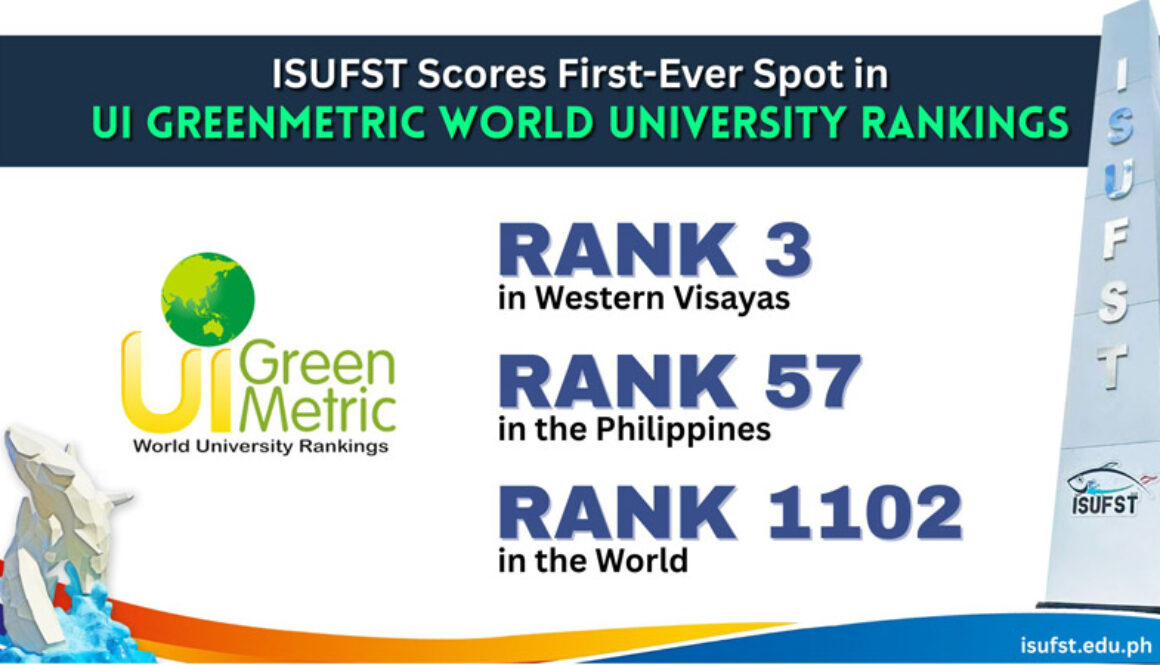
The Iloilo State University of Fisheries Science and Technology (ISUFST) has taken a meaningful step onto the global sustainability stage, earning its first-ever placement in the UI GreenMetric World University Rankings 2025, securing 1102nd out of 1,745 universities worldwide. It is also third overall in Western Visayas, next to WVSU and ISATU. For many ISUFSTians, this recognition is a simple but meaningful affirmation and concrete transformation: their everyday efforts are truly making an impact.
The 15th UI GreenMetric Ranking measures how these universities worldwide commit to climate responsibility—from clean energy to waste, water, transport, and sustainability education. This year’s theme highlights how campuses must make sustainability part of their story, not just their projects.
ISUFST President Dr. Nordy D. Siason Jr., CESO VI, shared, “This milestone is more than a ranking—it’s a reminder that change starts with simple choices done consistently.” “We thank the dedicated ISUFST team who worked tirelessly on the GreenMetric documentation and our faculty, staff, students, and partner communities who prove every day that protecting our environment is shared work.”
ISUFST’s sustainability footprint is composed of lived stories—student-led mangrove plantings, community-managed marine sites, climate lessons rooted in experience, and campus-wide efforts to reduce waste and conserve energy. The Agri-Ecotourism Farm in Bongloy, ISUFST Dingle Campus, embodies this work by merging environmental learning with livelihood opportunities. These efforts show that sustainability here is not just compliance—it is culture.
As the nation’s sole fisheries university, ISUFST’s GreenMetric ranking affirms its commitment to the United Nations Sustainable Development Goals that shape the future of the agri-fisheries sector and the communities it uplifts. It is worth noting that it also secures the 57th spot among 89 participating institutions in the Philippines.
The recognition also supports ISUFST’s vision to become a purpose-driven and globally engaged institution. The milestone follows ISUFST’s recent CHED recognitions and its entry into the 2024 Times Higher Education Impact Rankings.
“Sustainability outlives us,” said Dr. Siason. “We do this for our students today and the communities they will someday lead.”
ISUFST moves forward steadily—working with partners, learning from its communities, and choosing greener paths, one step at a time. (Rex Paulino | Herman Lagon | PAMMCO)
#isufstisdafirst #isufstcommunity #isufst #pammcostoriesthatmatter
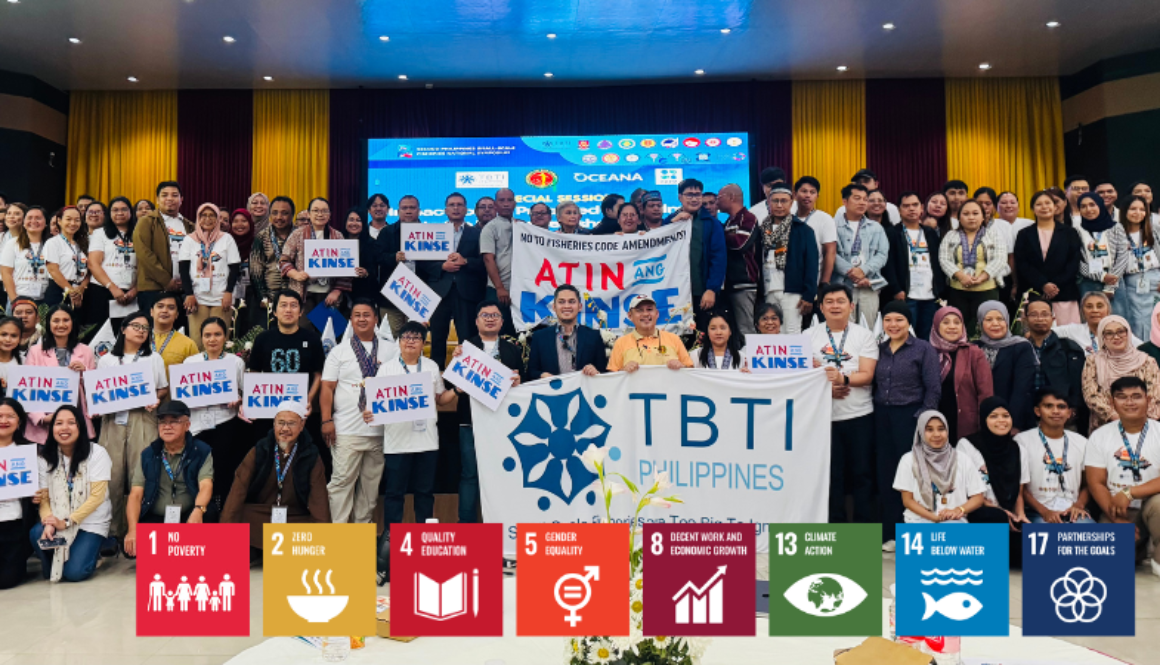
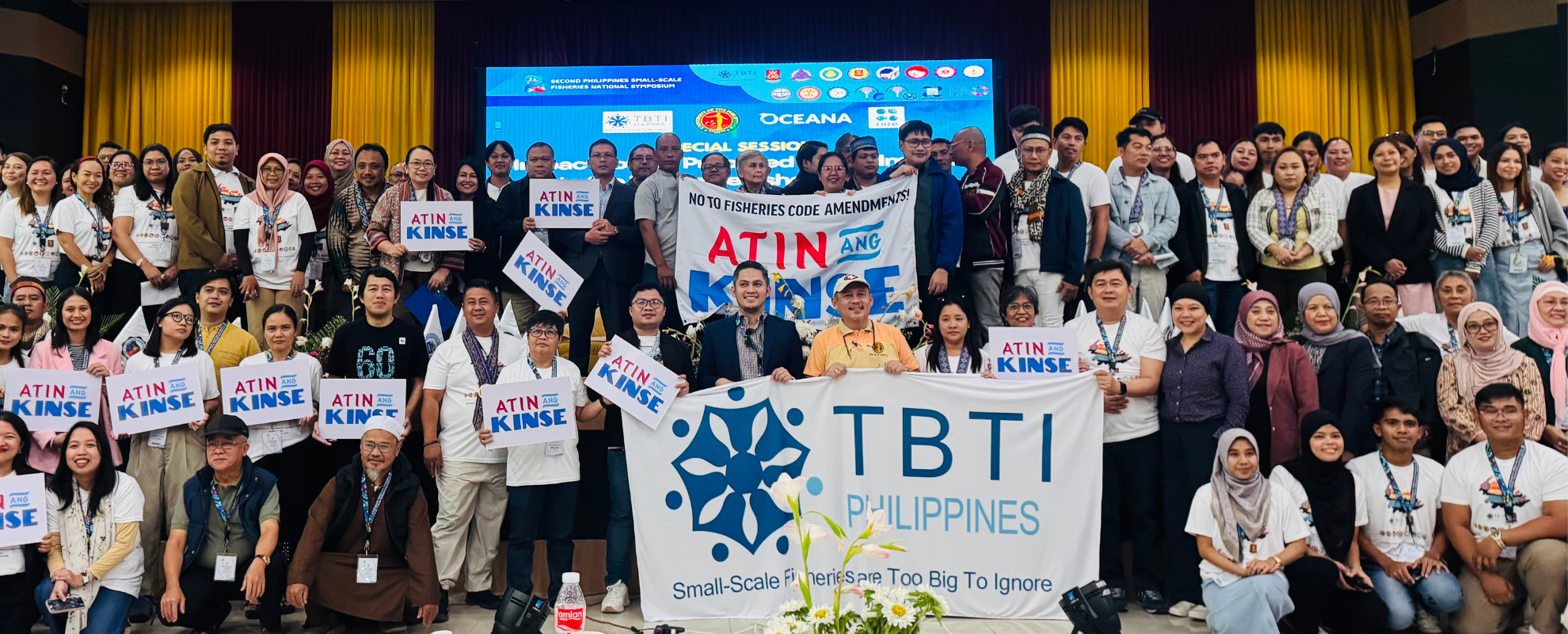
MARAWI CITY — As the Philippines pushes for stronger protection of its small-scale fishers through the “Atin ang Kinse Kilometro” bill, faculty and students from the Iloilo State University of Fisheries Science and Technology (ISUFST) joined hundreds of advocates in Mindanao to turn research into resolve.
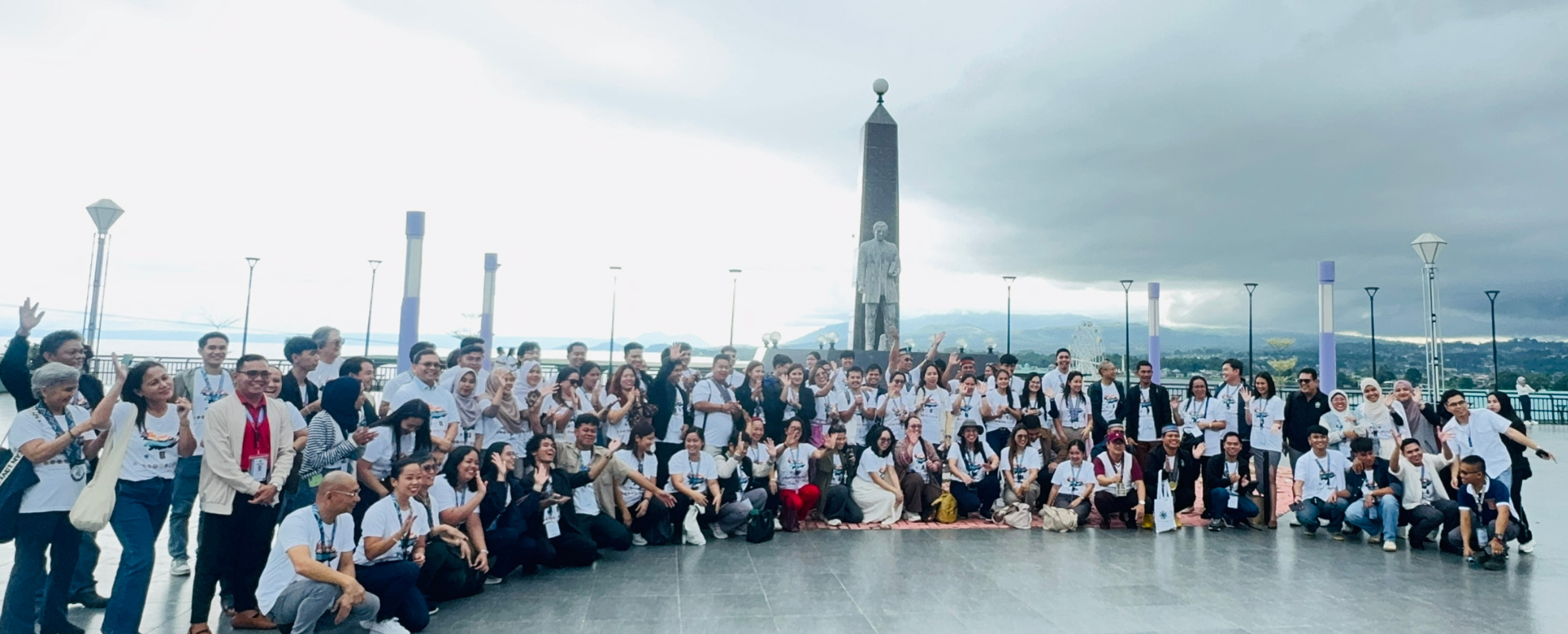
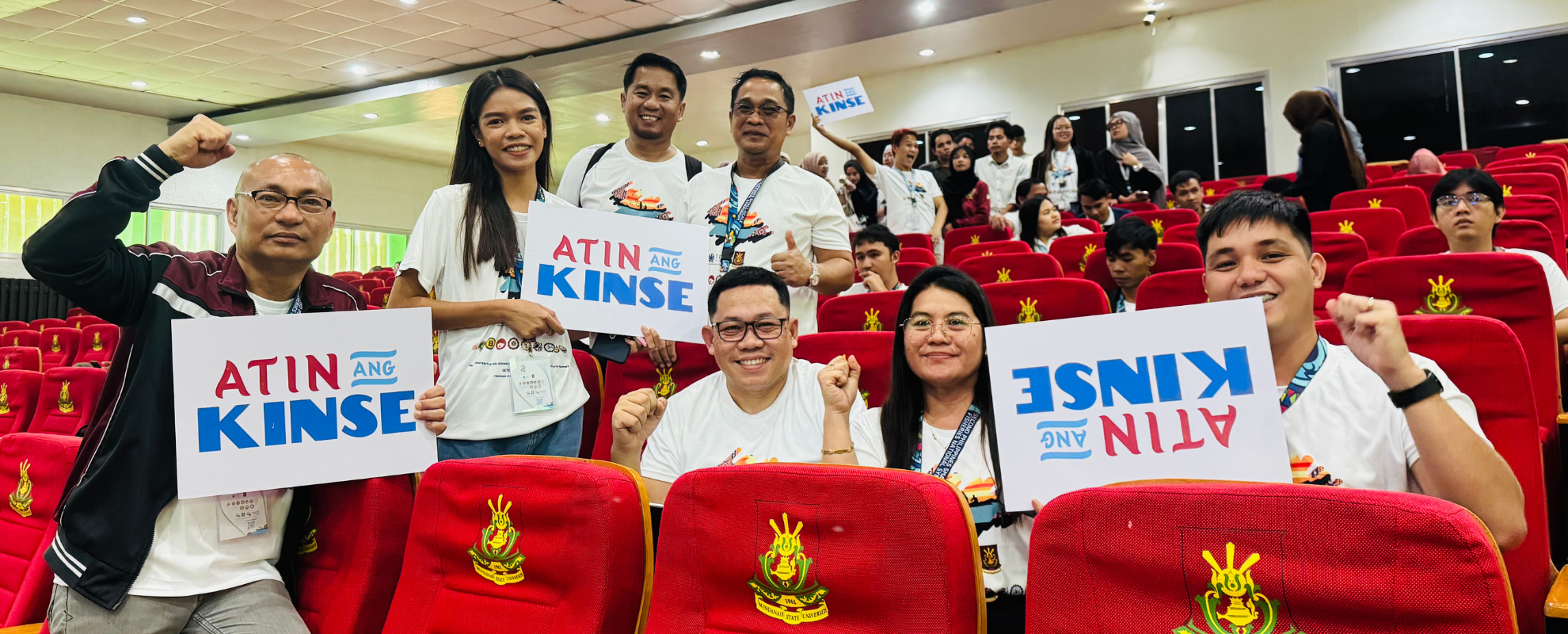
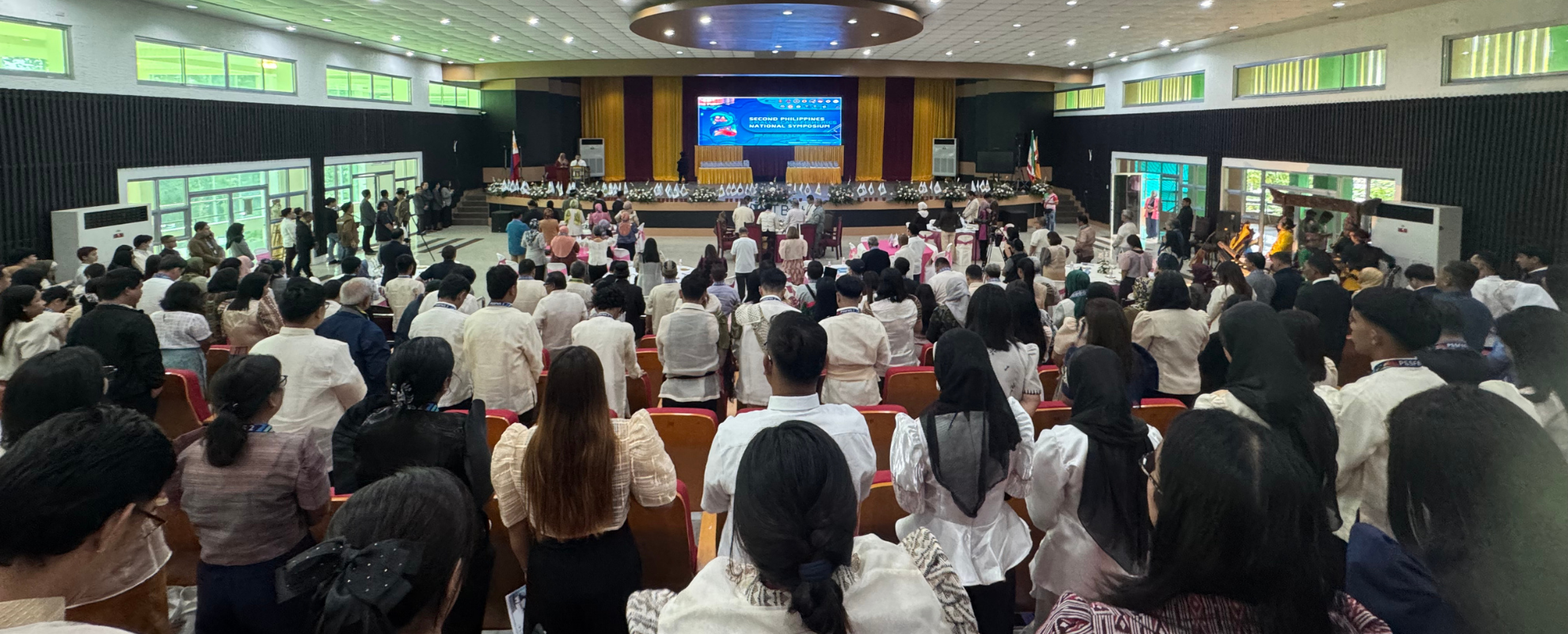
Eight ISUFST delegates—seven faculty members and one fisheries student—presented 16 research and creative works at the Second Philippine Small-Scale Fisheries National Symposium (PSSFNS2) held on October 21–23, 2025, at the Mindanao State University (MSU)–Main Campus in Marawi City. The works, blending science, storytelling, and song, championed sustainability and inclusivity in the country’s small-scale fisheries (SSF) sector.
“Too Big To Ignore”
Gathering over 300 scientists, educators, artists, fishers, students, and policymakers, the three-day symposium carried the theme “From Recognition to Action.” Organized by MSU and Too Big To Ignore (TBTI) Philippines, it called for stronger and fairer policies to protect the country’s 15-kilometer municipal waters—the very heart of the “Atin ang Kinse” campaign, which fights for the rightful space of small fishers in their own seas.
“This consortium of universities, agencies, and communities aims to make small-scale fisheries visible, viable, and sustainable,” said Dr. Glen Lorenzo, MSU Vice President for Research and Extension. The gathering also tackled pressing issues such as climate change, overfishing, and illegal encroachment by commercial vessels—threats that the pending “Atin ang Kinse Kilometro Bill” (HB 5606) seeks to address.
ISUFST’s Contributions: Science, Art, and Advocacy
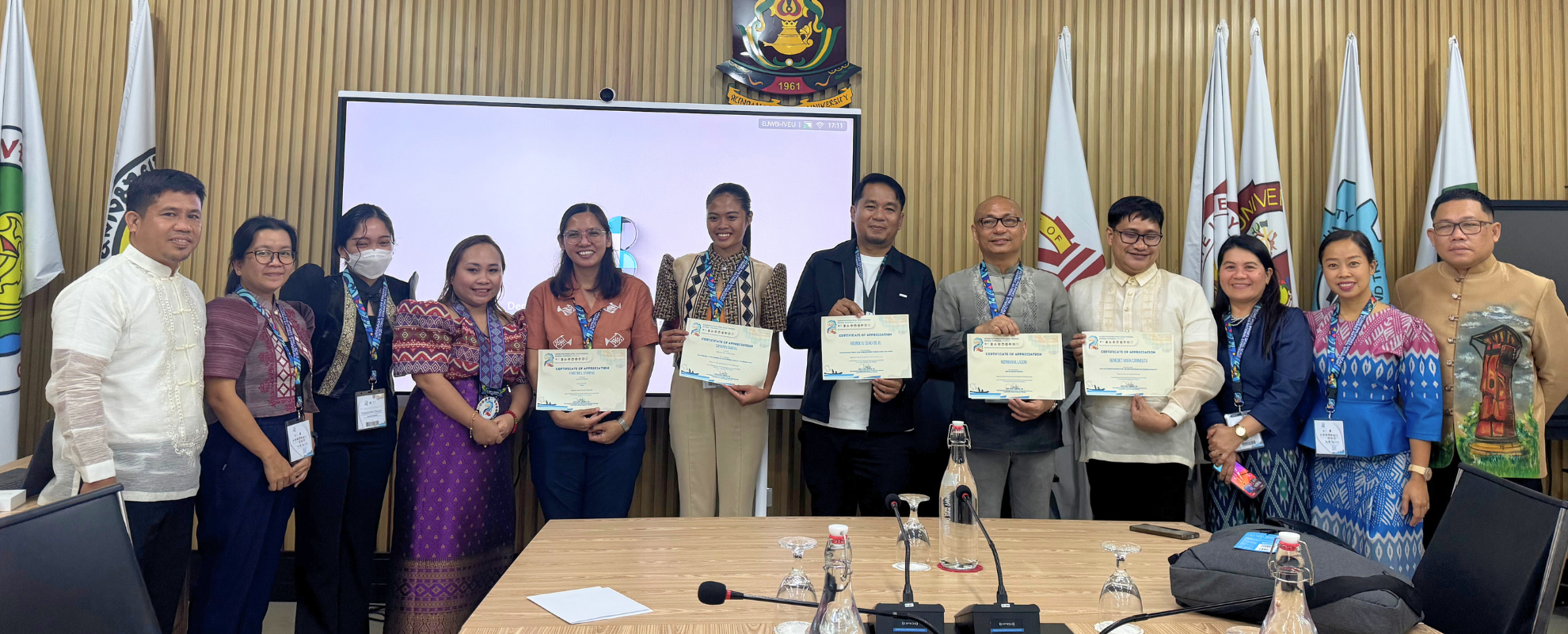
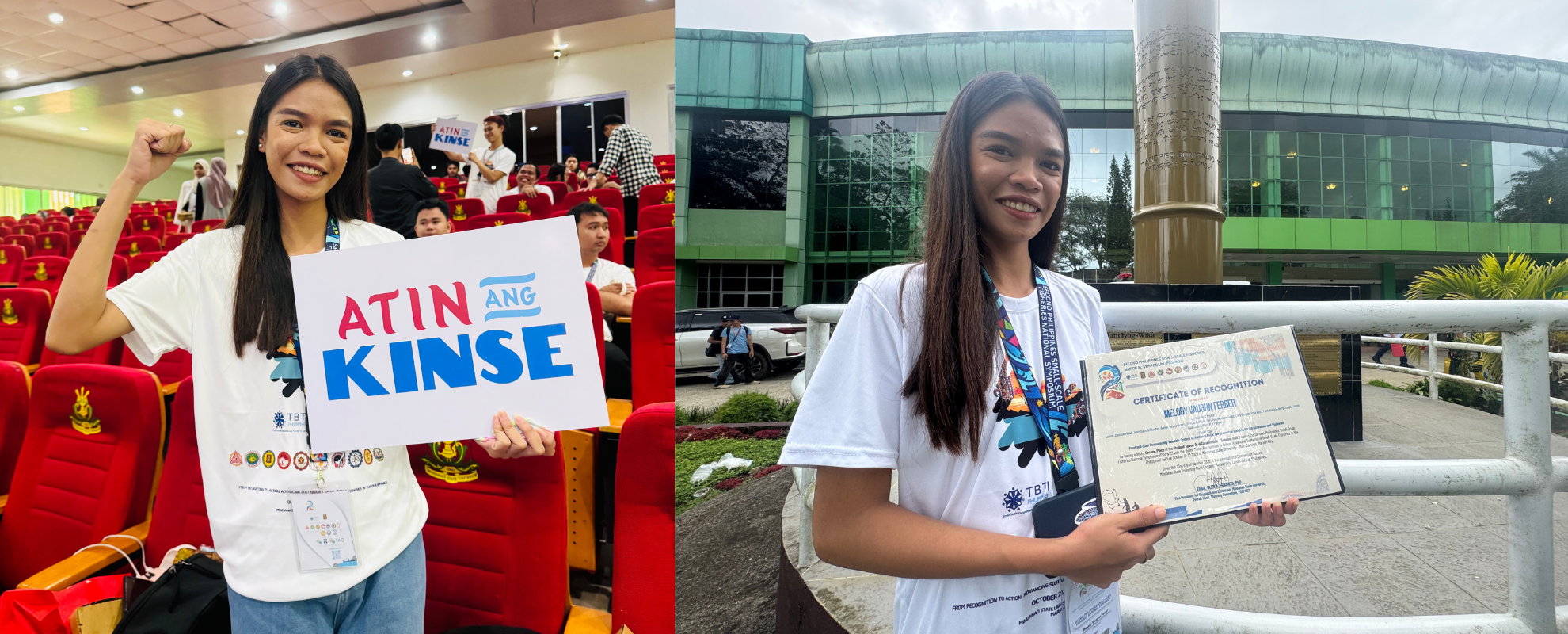
Representing ISUFST were Dr. Rolindo B. Demo-os Jr., Dr. Jescel B. Bito-onon, Prof. Rother M. Gaudiel, Dr. Quin Y. Clarito, Dr. Michael B. Dizon, Instructor Jezreel C. Donguila, Dr. Herman M. Lagon, and BS Fisheries student Melody Vaughn Ferrer.
Their diverse outputs—from fisheries research and photo essays to poetry and original songs—embodied ISUFST’s belief that science and culture can work together to heal and protect the seas.
Among the technical studies were “Catch Rates and Fishery Characterization of Filter Nets in Tinori-an River, Iloilo” by Bito-onon and Gaudiel, and “Fishing Smarter: Comparative Analysis of Fish Pot Designs Used by Small-Scale Fishers in Banate Bay” by Clarito.
Ferrer’s team, composed of CFAS students and faculty, presented “Pearl and Other Economically Valuable Oysters of Northern Iloilo: Morphometric Insights for Conservation and Fisheries.” The study highlighted the balance between livelihood and conservation—and won second place in the oral presentation category, besting entries from universities nationwide.
“These projects show how local innovation builds resilience in small-scale fisheries,” said Dr. Bito-onon, ISUFST Director for Research and Development. “It’s not just about data; it’s about empowering the communities that depend on our waters.”
Art Meets Advocacy
The symposium also celebrated creative works that bridged science and human experience. Dr. Herman M. Lagon’s poetry, short stories, and photography collections—“Between Net and Node,” “The Net That Holds,” “Where the Line Holds,” “Of Change,” “Lines of Salt and Hope,” “When Only the Bangkas Rest,” and “When Currents Meet the Roots”—captured the soul of coastal life: its struggles, rhythm, and hope.
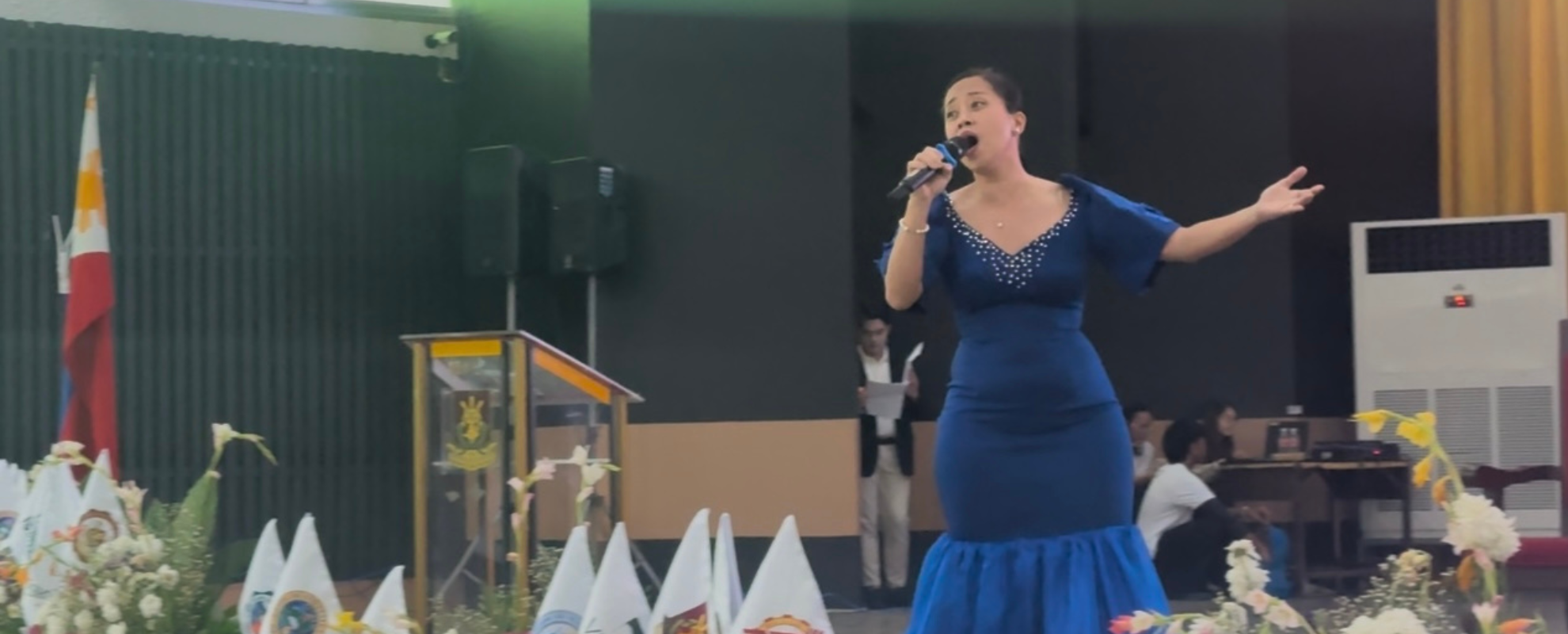
Lagon, together with Instr. Jezreel C. Donguila, also presented two original advocacy songs, “Let the Line Hold” and “The Lines We Cast,” inspired by the Atin ang Kinse campaign. The songs, arranged with karaoke-style visuals and live footage edited by Patrick Lance Nacion using images from Dean Demo-os and Dr. Lagon, were performed by Donguila during the closing plenary and MOA signing ceremony—drawing resounding applause from the audience.
Beyond the symposium halls, the ISUFST delegation experienced Maranao hospitality. On the first night, delegates were treated to a Pagana Meranao dinner—an elaborate ceremonial feast where guests “eat like royalty.” Seated around a grand tabak (ornate tray), they shared flavorful dishes with their hands in true Maranao fashion.
The Marawi Manifesto and a Promise for the Future
The symposium concluded with the signing of the Marawi Manifesto, a collective pledge of support for the Atin ang Kinse movement and the Too Big To Ignore (TBTI) advocacy for inclusive, sustainable, and resilient fisheries. During the signing, Donguila’s live rendition of “Let the Line Hold” and “The Lines We Cast” filled the MSU gymnasium as photos of fisherfolk and coastal communities played onscreen—a moment described by many as “a hymn for the sea and the people who live by it.”
Participants also celebrated the acceptance of Batangas State University (BSU) as the next host of PSSFNS3 in 2026, marking the continued expansion of the TBTI network across the archipelago.
They capped the symposium with a visit to Marawi’s Ground Zero, where the scars of war stood as a solemn reminder that battles for survival come in many forms. Just as Marawi once fought for the right to life and peace, today’s Atin ang Kinse movement fights for the right of small fishers—and the seas they depend on—to live and thrive.
A Shared Mission
ISUFST President Dr. Nordy D. Siason Jr. commended the delegation for embodying the university’s vision of blending “science, culture, arts, and compassion in service of people and planet.” He emphasized that ISUFST’s efforts directly align with the United Nations Sustainable Development Goals, particularly SDG 14 (Life Below Water), SDG 2 (Zero Hunger), and SDG 13 (Climate Action).
For ISUFST, the symposium was more than an academic event—it was a reminder of purpose. “When we tell the stories of small fishers, artistically and scientifically,” said Lagon, “we’re also telling the story of our shared future.”
The PSSFNS2 came at a crucial time, as fisherfolk groups renewed calls for the passage of the “Atin ang Kinse Kilometro Bill” (HB 5606). The measure seeks to restore small fishers’ exclusive rights to municipal waters—rights recently challenged by a court ruling favoring commercial vessels.
From the shores of Banate to the lakes of Lanao, the message of PSSFNS2 was clear: small-scale fishers are too big to ignore. (PAMMCO)
#ISUFSTisdaFirst #ISUFSTCommunity #PAMMCOStoriesThatMatter #AtinAngKinse #PSSFNS2 #LifeBelowWater
An ISUFST undergraduate and a faculty member earned Best Research Presenter honors at the 4th International Conference on Biodiversity and Climate Change (IConBaCC 2025), held September 25–26 at Misamis University in a hybrid format. Their achievements advanced work aligned with the conference theme, “Sustainable Peace with Nature: A Global Commitment towards Net Zero.”
Arlene May A. Linacero (BS Fisheries III) was cited onsite in the Environmental Impacts and Climate Change category for her study, “Pathogenicity of Outbreak-Derived Aeromonas hydrophila on Nile Tilapia (Oreochromis niloticus) through Immersion Challenge.” She was advised by Prof. Jason O. Albances and accompanied by Dr. John Christian B. Salarza. Her research supports healthier aquaculture systems—vital to food security and directly aligned with SDG 14 (Life Below Water) and SDG 13 (Climate Action).
Assistant Professor II Rico Ian D. To-ong, who presented virtually, earned Best Presenter honors in the Political Responses category for his study, “Value Chain Analysis of the Invasive Fish Sarotherodon melanotheron in the 4th District of Iloilo, Philippines.” His work provides policy- and market-oriented insights on managing invasive species, directly connecting to SDG 12 (Responsible Consumption and Production) and SDG 14 (Life Below Water).
IConBaCC is a biennial platform hosted by Misamis University in collaboration with regional and international partners. It brings together researchers, practitioners, students, and stakeholders to share solutions on biodiversity and climate challenges. Accepted papers may also be considered for publication in the Journal of Multidisciplinary Studies (JMDS).
The recognitions reflect ISUFST’s outcomes-focused training and partnerships consistent with SDG 17 (Partnerships for the Goals), SDG 14 (Life Below Water), and the university’s commitment to quality education and community impact.
Established in 1957, the Iloilo State University of Fisheries Science and Technology (ISUFST) is the country’s first and only fisheries university. With five campuses, it offers programs in fisheries, marine biology, education, management, industrial technology, agriculture, information technology, and office administration. The university is ISO 9001:2015–certified, AACCUP-accredited since 1998, a multi-awardee of CHED, and a debut entrant in the 2024 Times Higher Education Impact Rankings, cited across five SDGs.
(John Christian B. Salarza and Herman Lagon / PAMMCO)
#isufstisdafirst #isufstcommunity #isufst #pammcostoriesthatmatter
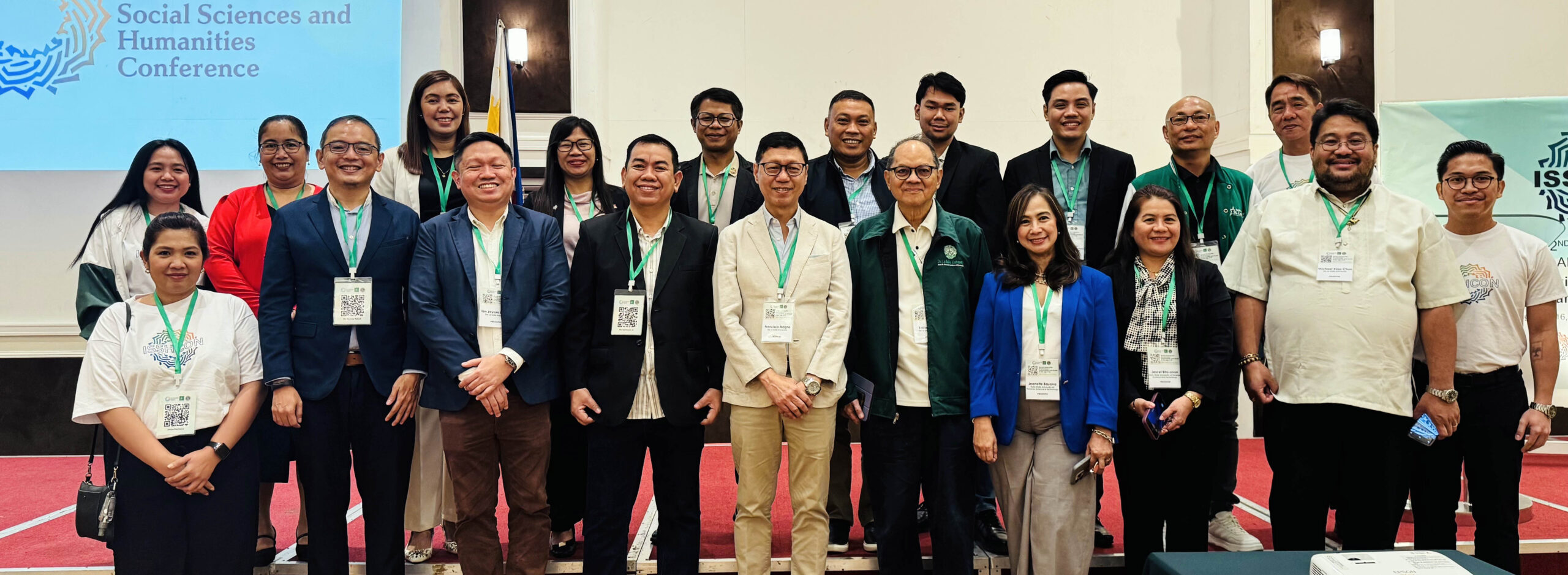
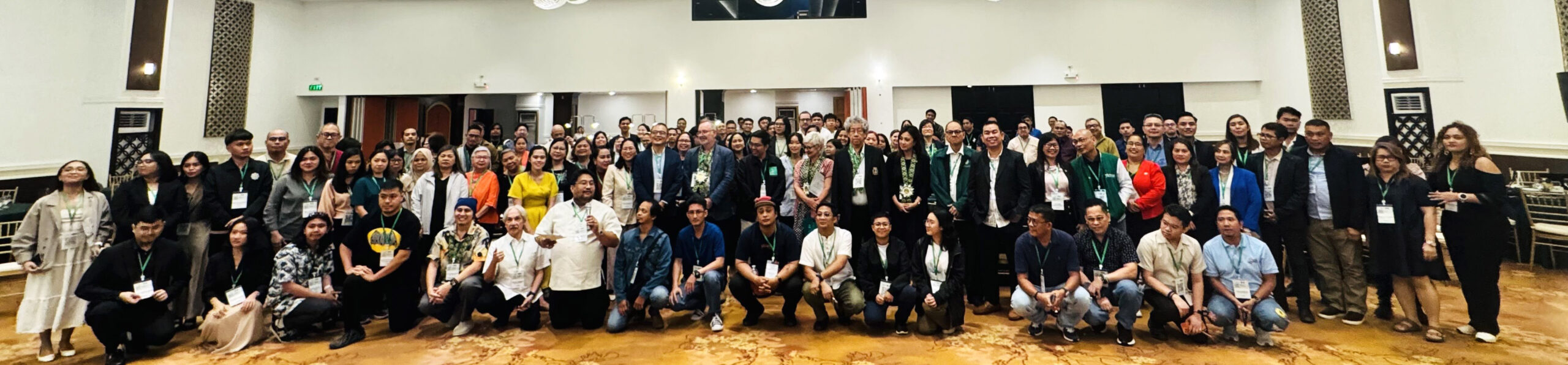
The Iloilo State University of Fisheries Science and Technology (ISUFST) made a comprehensive showing at the 2nd International Social Sciences and Humanities Conference (ISSHCON 2025) held on August 13–16 at the Metrocentre Hotel, according to Dr. Francisco Magno, Director of the De La Salle University (DLSU) Jesse M. Robredo Institute of Governance (JRIG).
Dr. Magno, who, together with ISUFST President Dr. Nordy Siason, Jr., spearheaded the collaborative project on the localization of women’s and children’s policies between DLSU and ISUFST, lauded the university’s strong research presence in the international conference, saying that the breadth of studies reflected both academic rigor and social relevance. The ISUFST presentations were based on co-authored papers with De La Salle University faculty and researchers.
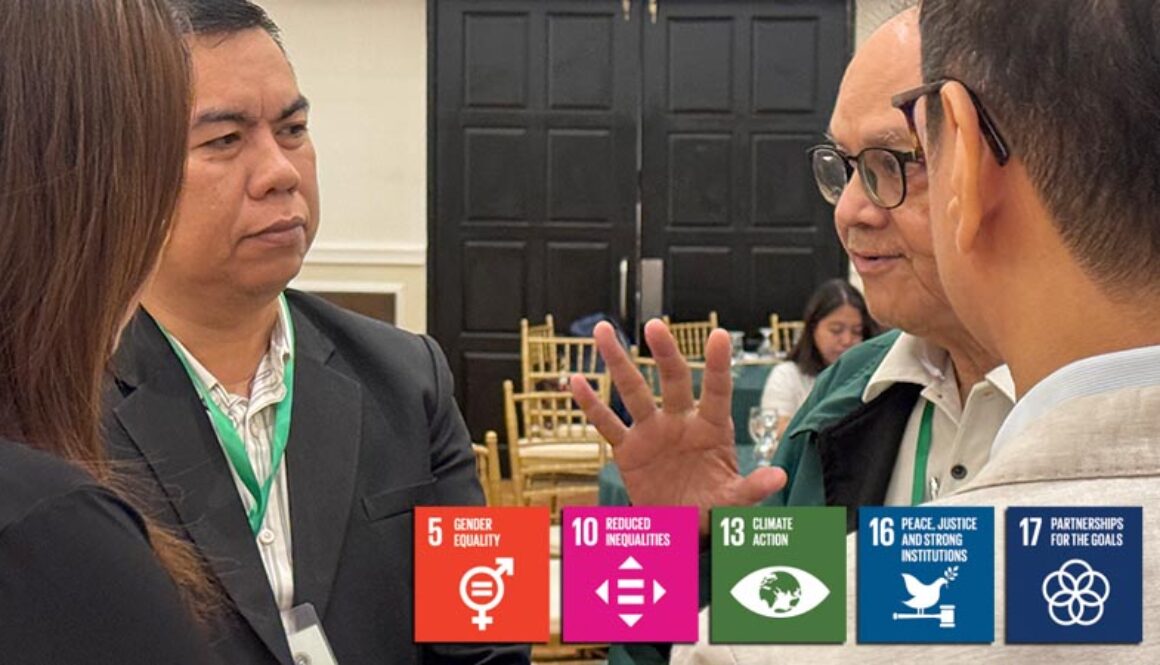
This initiative is directly aligned with the United Nations Sustainable Development Goals (SDG) 16: Peace, Justice, and Strong Institutions, particularly the Times Higher Education SDG 16.3.3 metric on “Participation in government research.” The project has involved policy-focused research in collaboration with government departments, including the Senate Committee on Women, Children, Family Relations and Gender Equality, and the Iloilo Provincial Government. This grounding ensured that the conference presentations were not only academically rigorous but also policy-relevant, bridging scholarship and governance practice.
The ISUFST contingent presented 12 papers under the themes of gender, governance, sustainability, and higher education transformation, drawing positive attention from participants across the Philippines and abroad. This joint academic output demonstrates how universities foster SDG Impact through the SDG 17.2 metric of Times Higher Education on “Relationships to support the goals,” which emphasizes building international data-sharing platforms, promoting best practices, and facilitating cross-sectoral dialogue to advance the SDGs.
Among the featured gender-focused presentations were:
• Mr. Reil Jan Patosa’s research on women’s governance participation;
• Dr. Herman Lagon’s analysis on barangay health workers’ gender and mental wellness;
• Dr. Jescel Bito-onon’s presentation on women in coastal climate governance;
• Dr. Joana Paula Biñas’ findings on fighting violence against women;
• Dr. Jeanette Bayona’s work on women, culture, and sustainable tourism;
• Dr. Lenirose Mondero’s paper on localizing and diffusing national policies on women’s rights;
• Vice President for Administration and Finance Dr. Johnny Dolor’s study on gender and governance in waste management; and
• Vice President for Academic Affairs Dr. Joan Belga’s advocacy on advancing women’s reproductive health.
ISUFST also showcased its institutional journey through Dr. Bito-onon’s paper on university conversion through the extension lens, Dr. Edmer Bernardo’s study on equity for first-generation students, Dr. Bayona’s work on SDG-driven global engagement, and President Nordy Siason Jr.’s presentation on the university’s transition and development agenda.
Aside from presenting their own papers, Dr. Bayona and Dr. Lagon also served as moderators of two separate parallel sessions, further highlighting ISUFST’s active role in scholarly exchange. This aligns with SDG 17’s call for cross-sectoral dialogue by positioning ISUFST not just as a knowledge producer but also as a convener of research-based conversations that transcend institutional and national borders.
President Siason described the event as an opportunity to elevate ISUFST’s research voice in global policy conversations, through the partnership with De La Salle University, while staying rooted in local realities. “Our mission is to turn community-based challenges into research-driven solutions that can influence both national and international frameworks,” he said.
ISUFST’s delegation, composed of 11 faculty researchers in close partnership with DLSU, demonstrated how a growing state university could contribute meaningfully to evidence-based policy advocacy. Their work embodies the dual impact of SDG 16 and SDG 17: strengthening institutions through policy-engaged research collaborations, while also cultivating global academic partnerships that disseminate best practices and foster shared learning.
From gender-responsive governance to higher education equity, the presentations echoed ISUFST’s evolving identity as a research-driven institution. As Dr. Magno emphasized, the performance was not only academically sound but socially vital — a testament to ISUFST’s commitment to shaping sustainable and inclusive futures while advancing the global SDG agenda through strategic partnerships and policy-focused research. (PAMMCO)