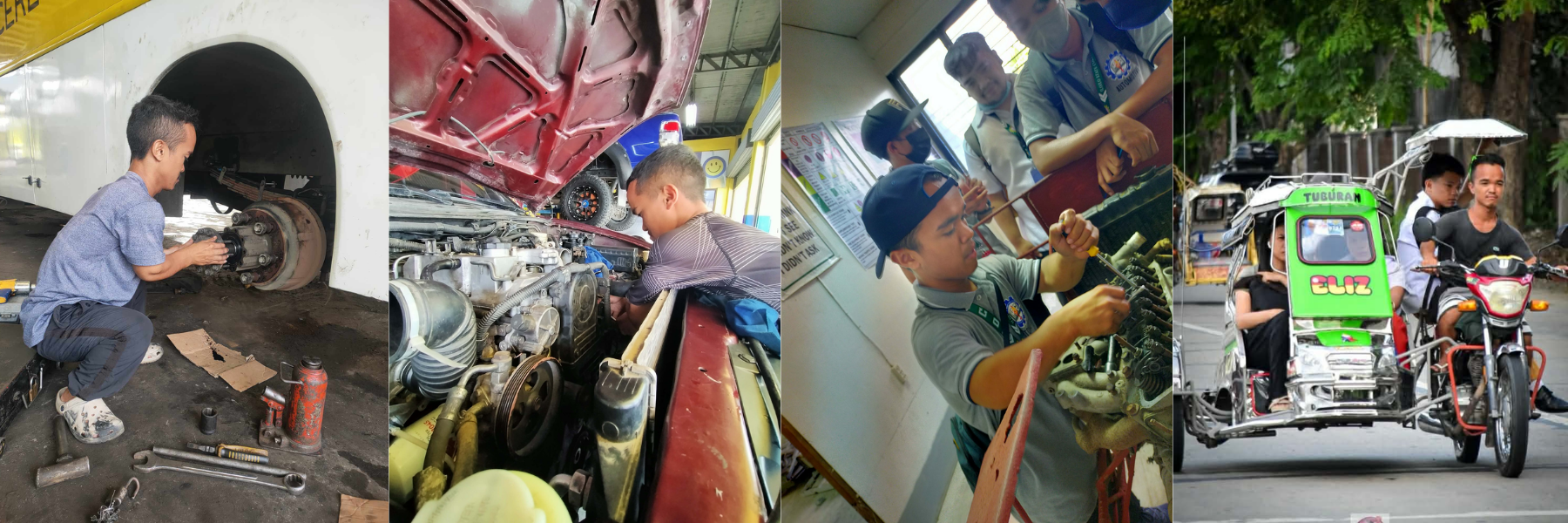
ISUFSTian Gerobe Arce: Small Stature, Big Drive on a Trike


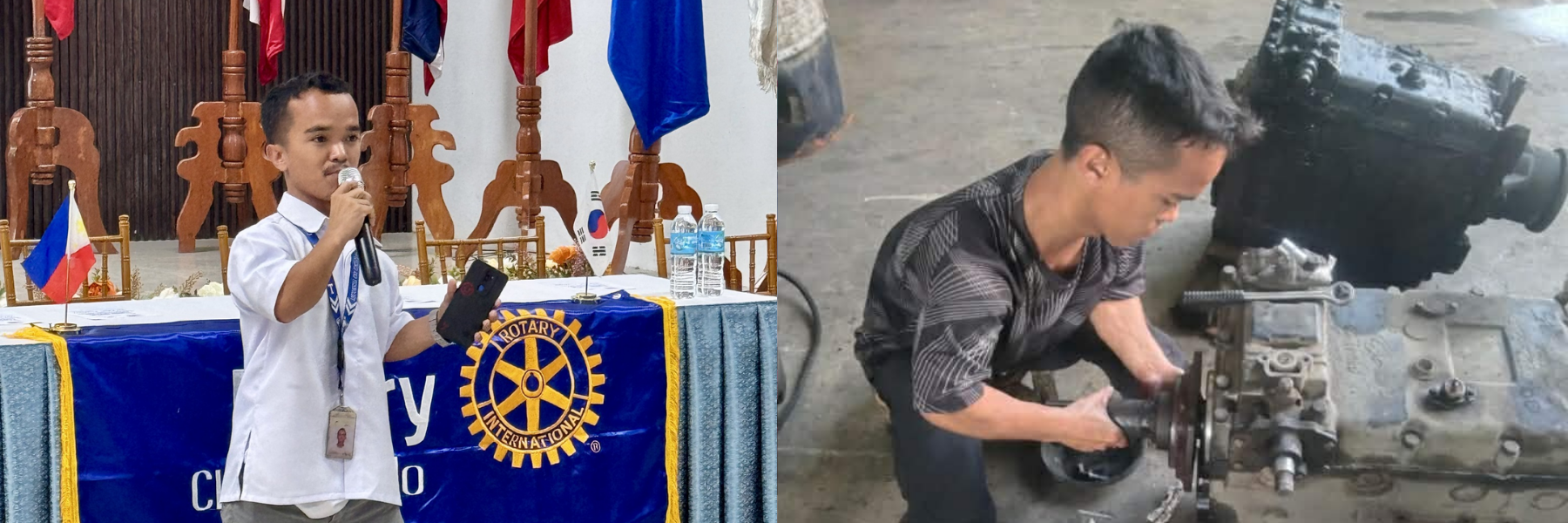
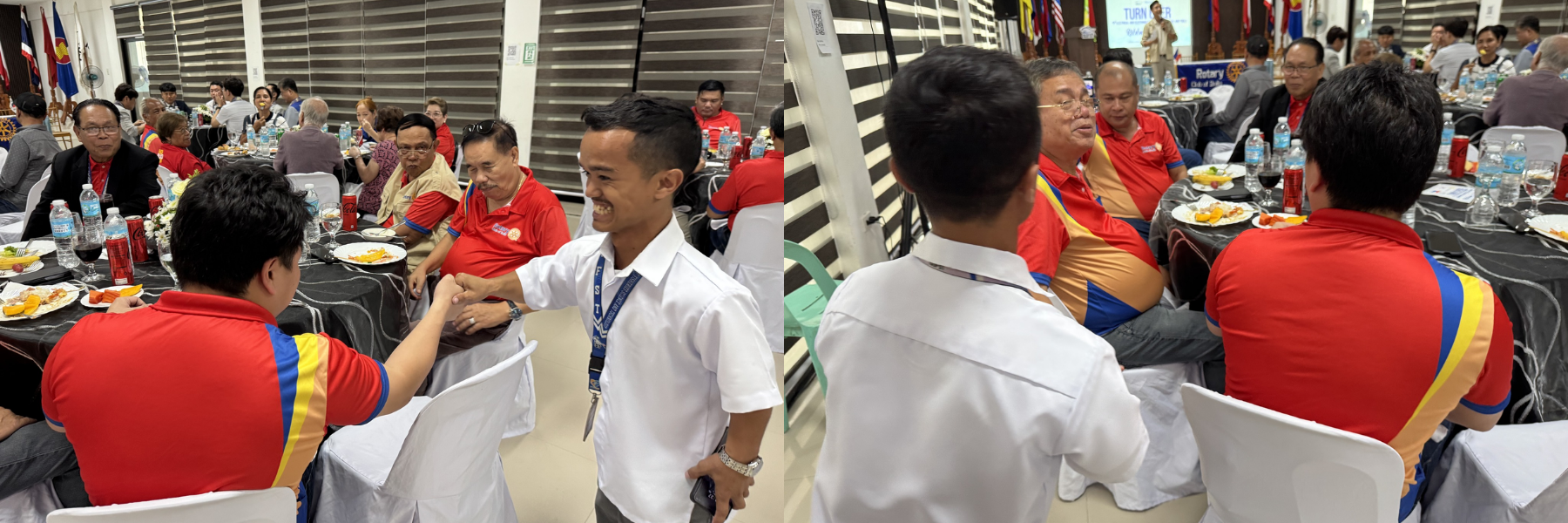
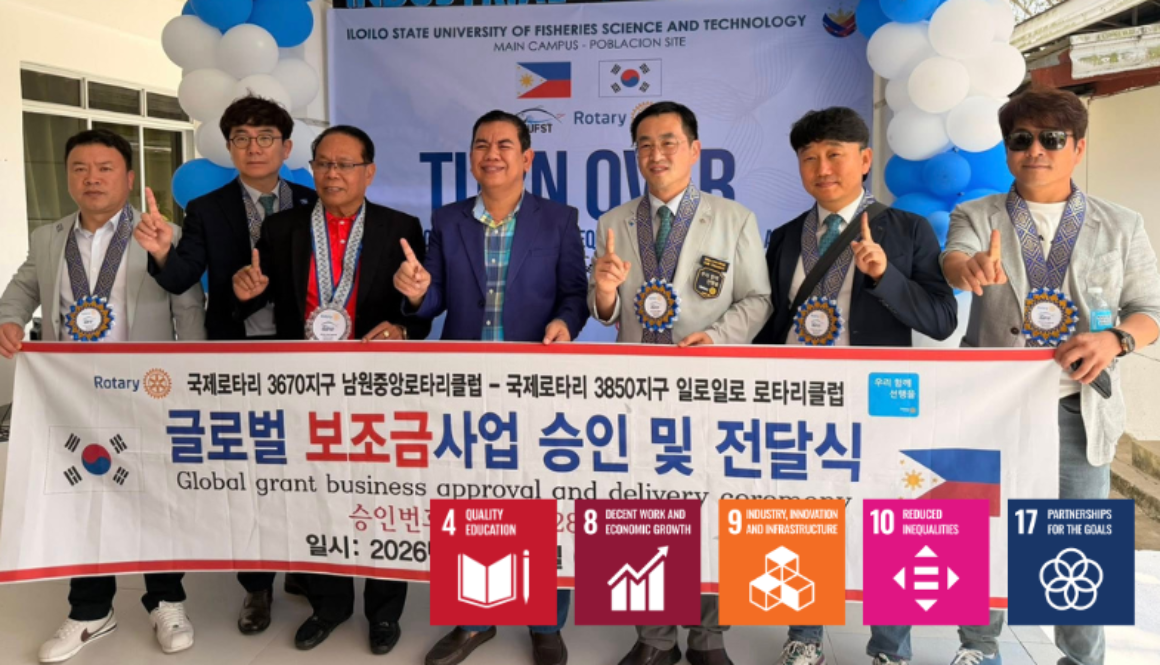
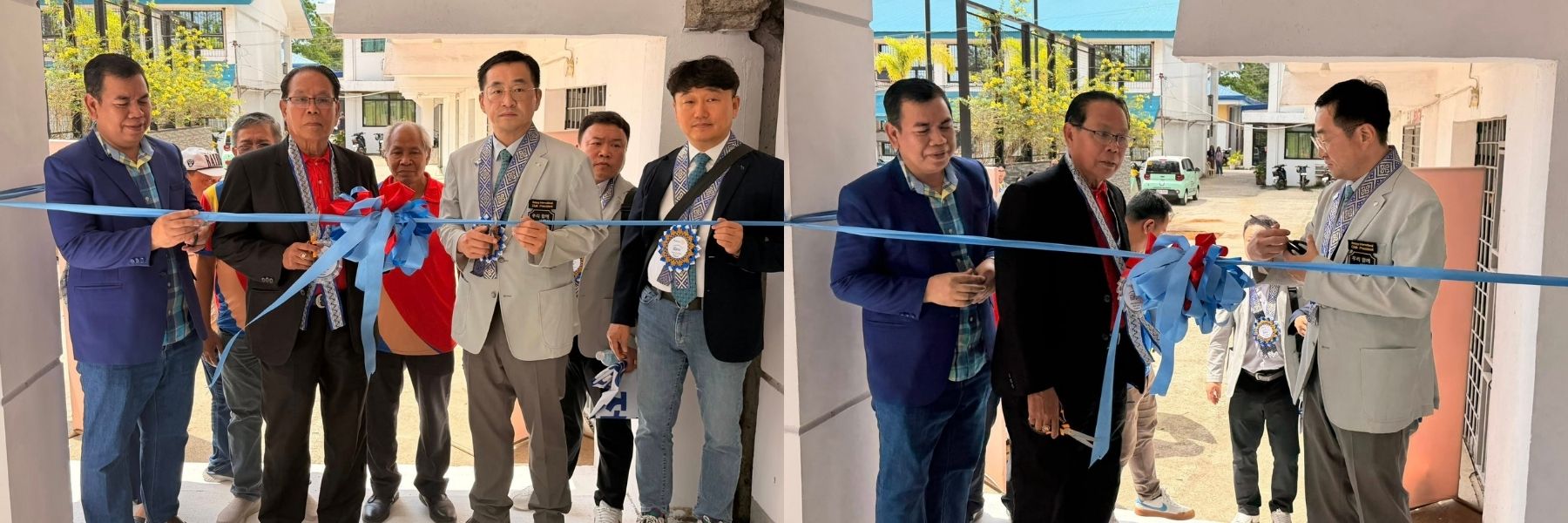
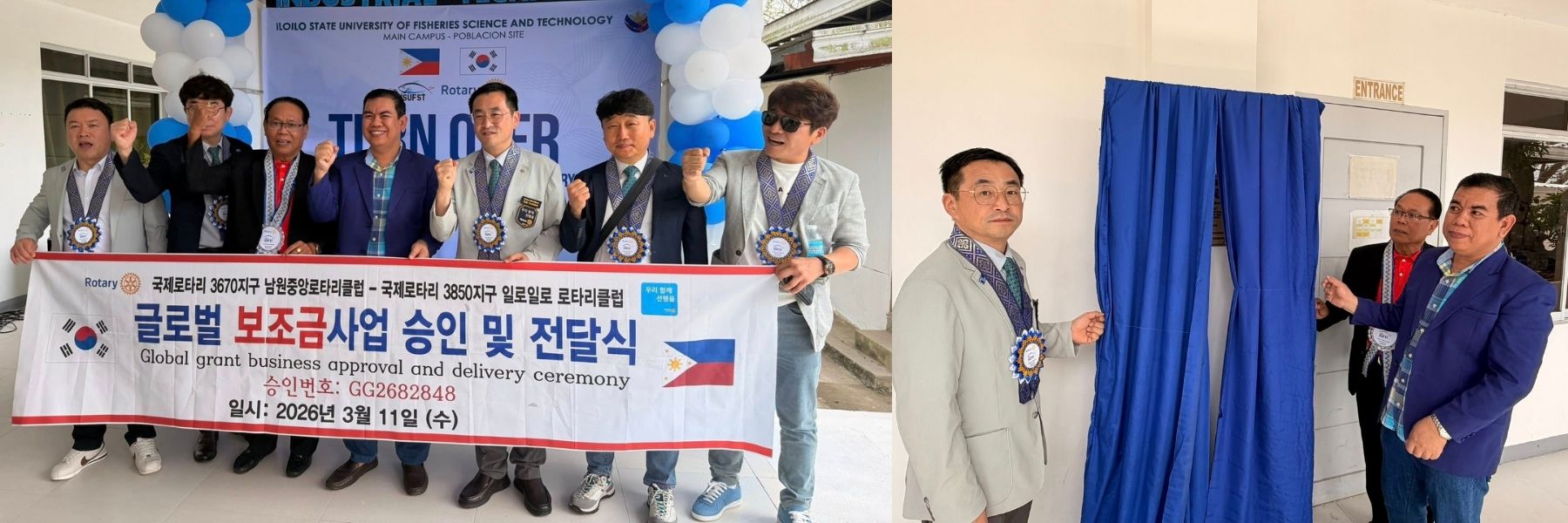
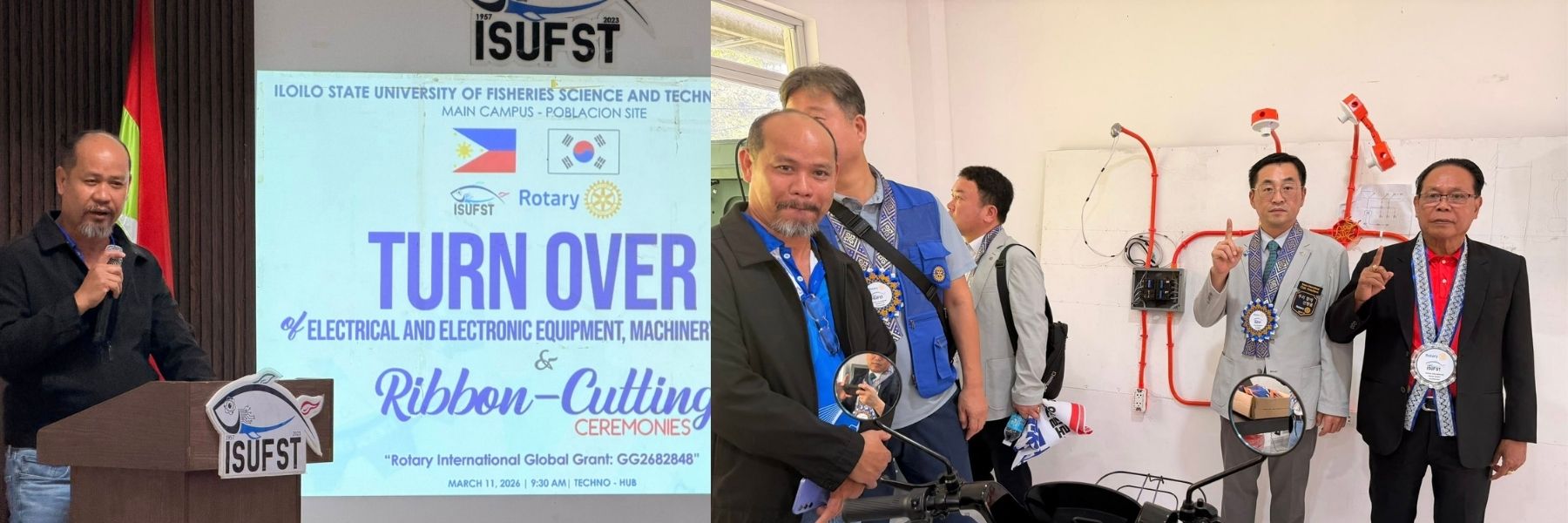
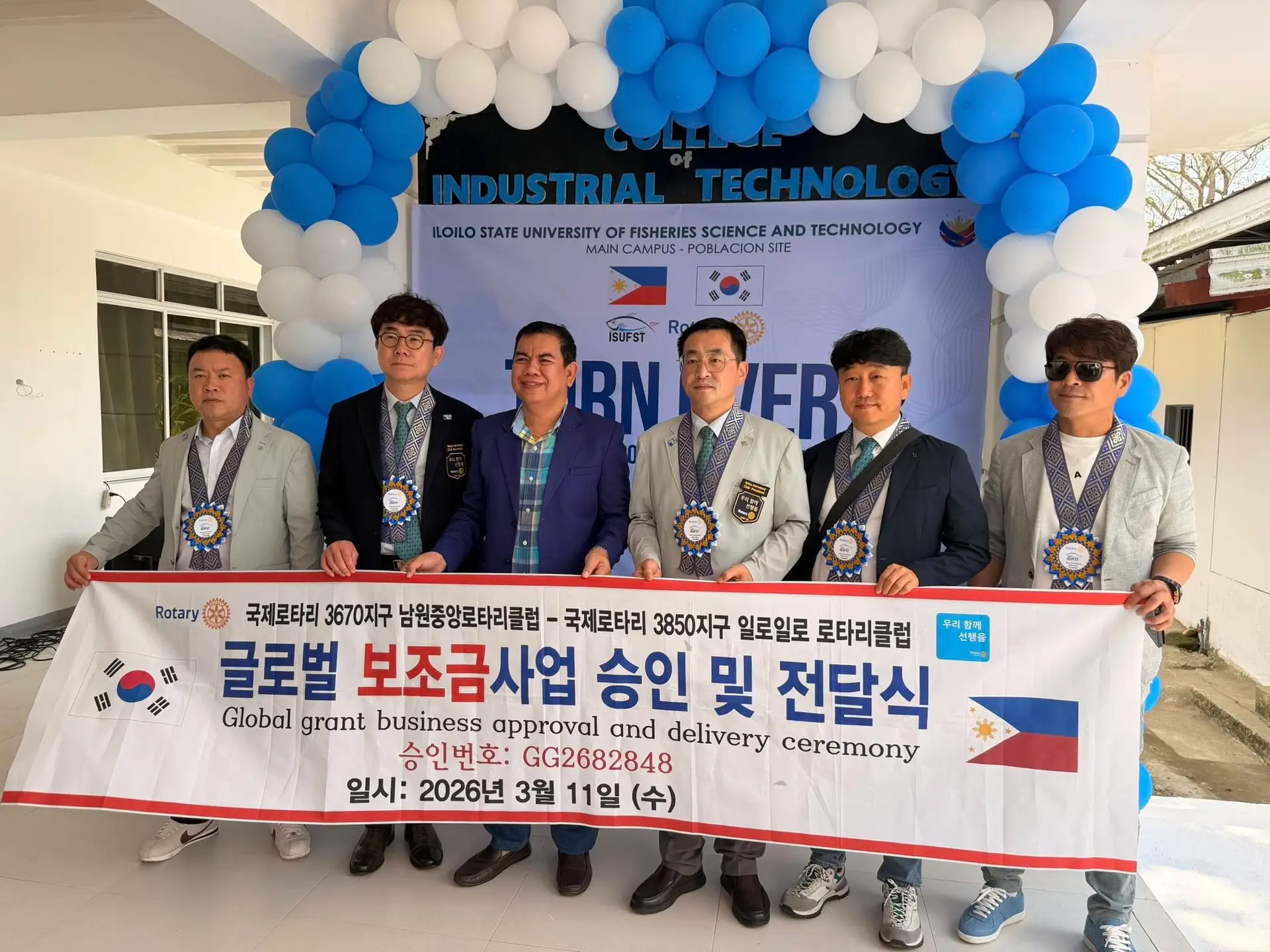
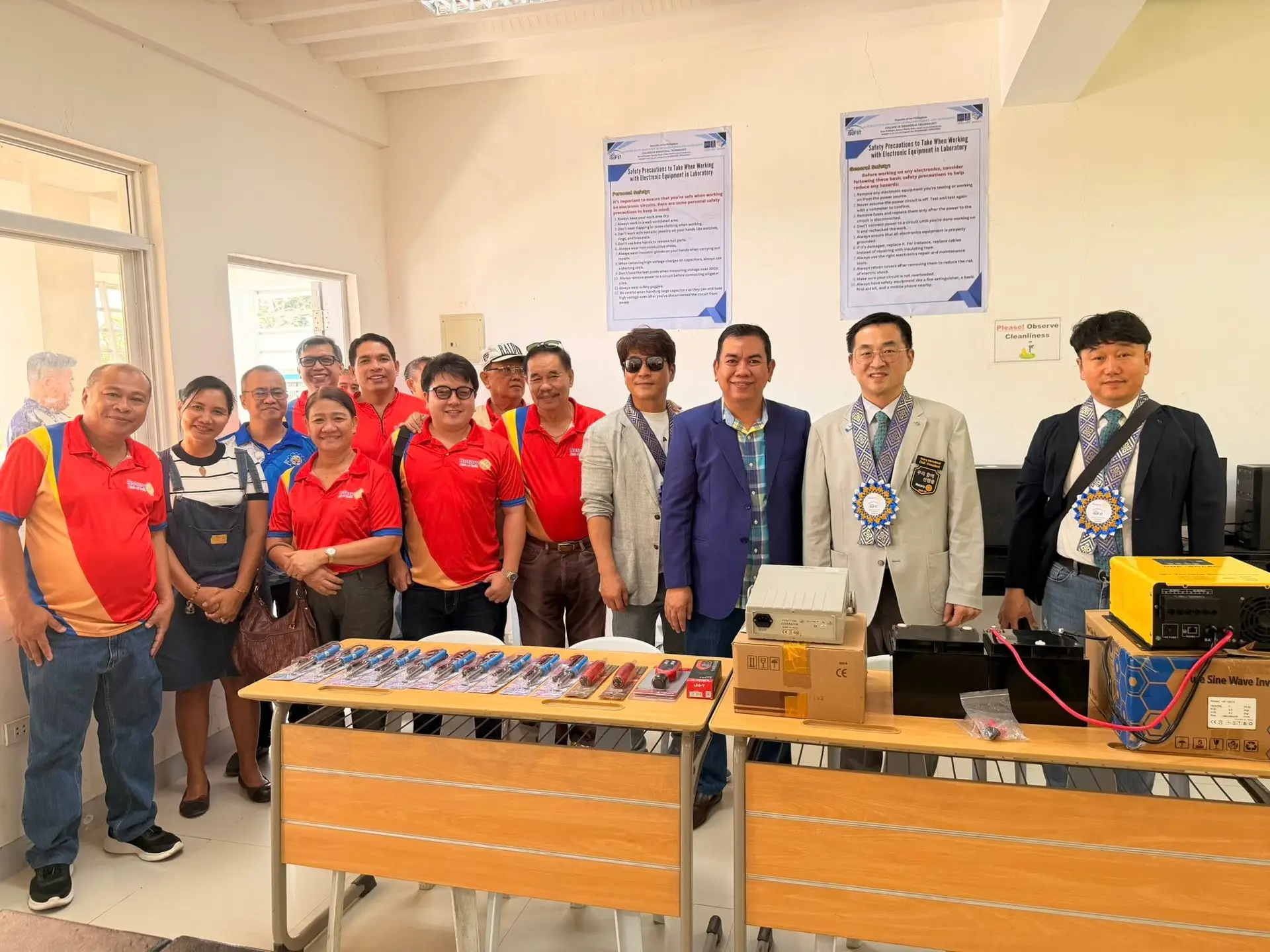
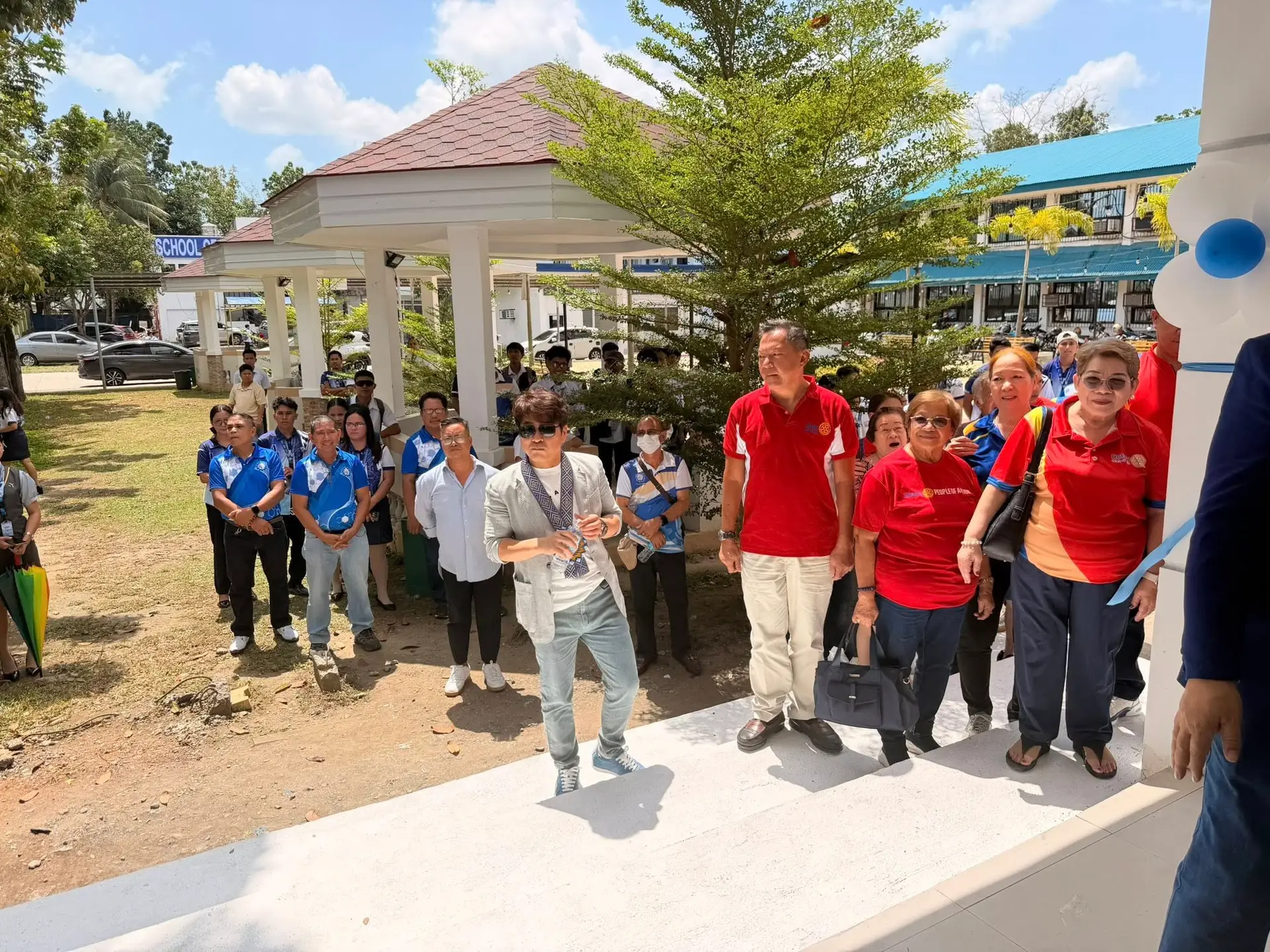
“Because of these tools, we are more confident that our practical training will prepare us for real work, business, and professional life.” With those words of gratitude, Jerobe Arce, a fourth-year PWD automotive student of the College of Industrial Technology (CIT) at the Iloilo State University of Fisheries Science and Technology (ISUFST), capped the successful turnover ceremony of electrical and electronics equipment worth ₱1.89 million donated through a Rotary Global Grant this Wednesday, March 11, 2026, at the ISUFST TechnoHub, Main Campus–Poblacion Site in Barotac Nuevo, Iloilo.
Arce, who is currently completing his internship at F&E Enterprises in Iloilo City, thanked the Rotary Club of Namweon Central in South Korea (District 3670) and the Rotary Club of Iloilo (District 3850) for continuing to invest in the skills development of ISUFST students. “These equipment, machinery, and tools will ensure that our training becomes more complete and more relevant to the industries we hope to serve,” Arce said in a mix of Hiligaynon, English, and Korean, ending his testimony with a heartfelt “Kamsahamnida” to the visiting Korean Rotarians.

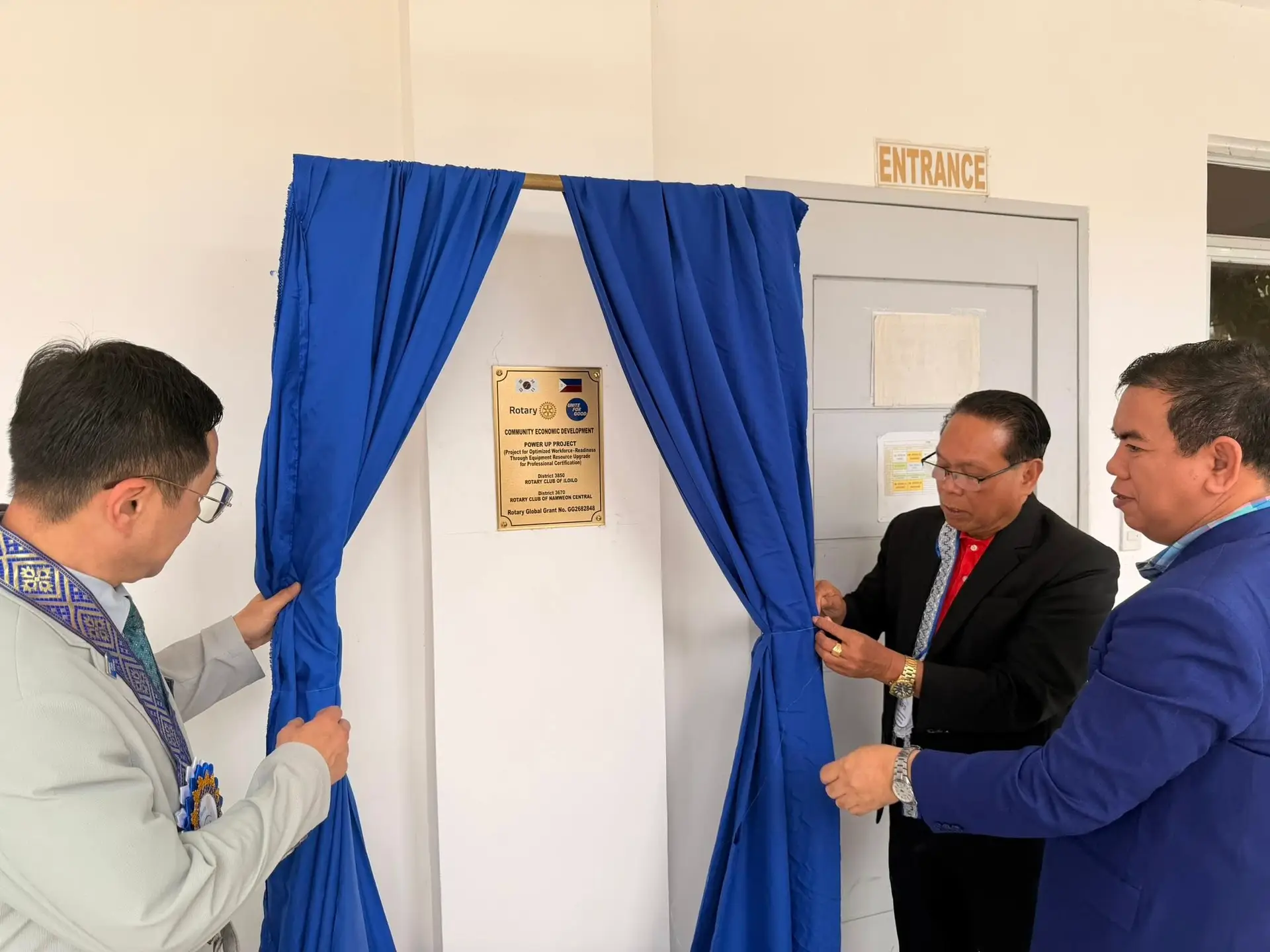
The ceremony marked the formal turnover of equipment under the Rotary Global Grant GG2682848 for the project POWER UP: Project for Optimized Workforce-Readiness Through Equipment and Resource Upgrade for Professional Certification.
Strengthening workforce readiness.
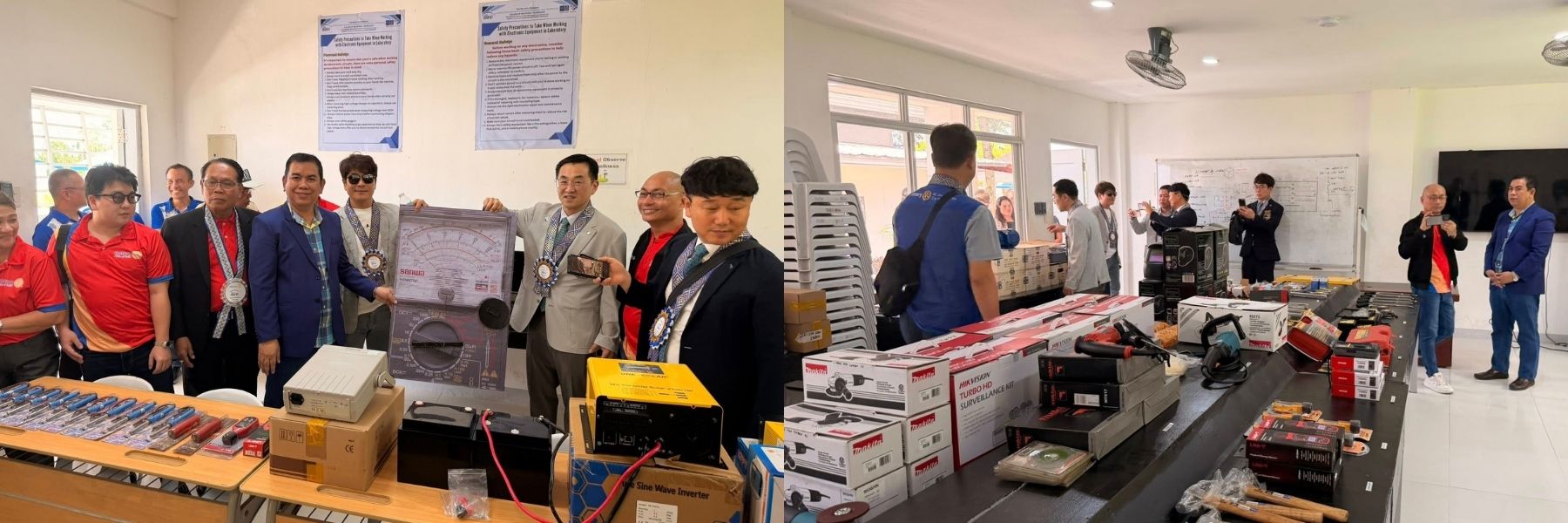
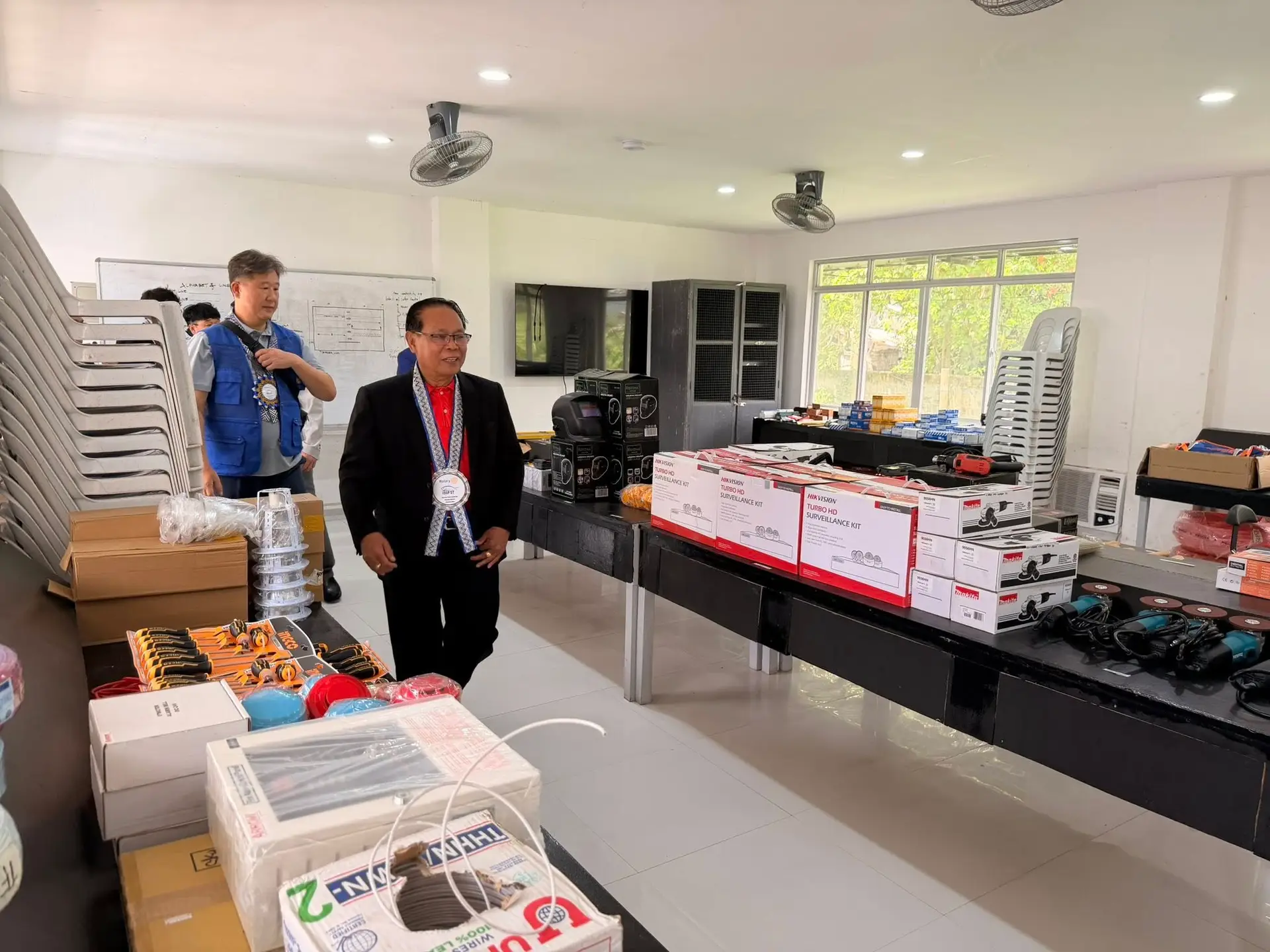
The grant will support the university’s Bachelor of Industrial Technology (BIT/BIndTech) program by upgrading laboratories used for Electrical Installation and Maintenance (EIM) and Electronic Products Assembly and Servicing (EPAS) training. The new equipment includes electrical installation trainers, digital multimeters, soldering stations, function generators, solar power training systems, electronic servicing tools, electronic appliances, and industrial control components aligned with TESDA certification standards.

The upgrades are expected to benefit more than 450 students and community learners each year, many of whom come from farming, fishing, and other low-income households in nearby municipalities. ISUFST President Dr. Nordy Siason Jr. said the project strengthens the university’s mission to produce graduates ready for real-world work environments.
“Projects like POWER UP ensure that our students train with tools that mirror actual industry standards. This is not only about equipment—it is about building confidence and competence among our learners,” Siason said.

International partnership for education
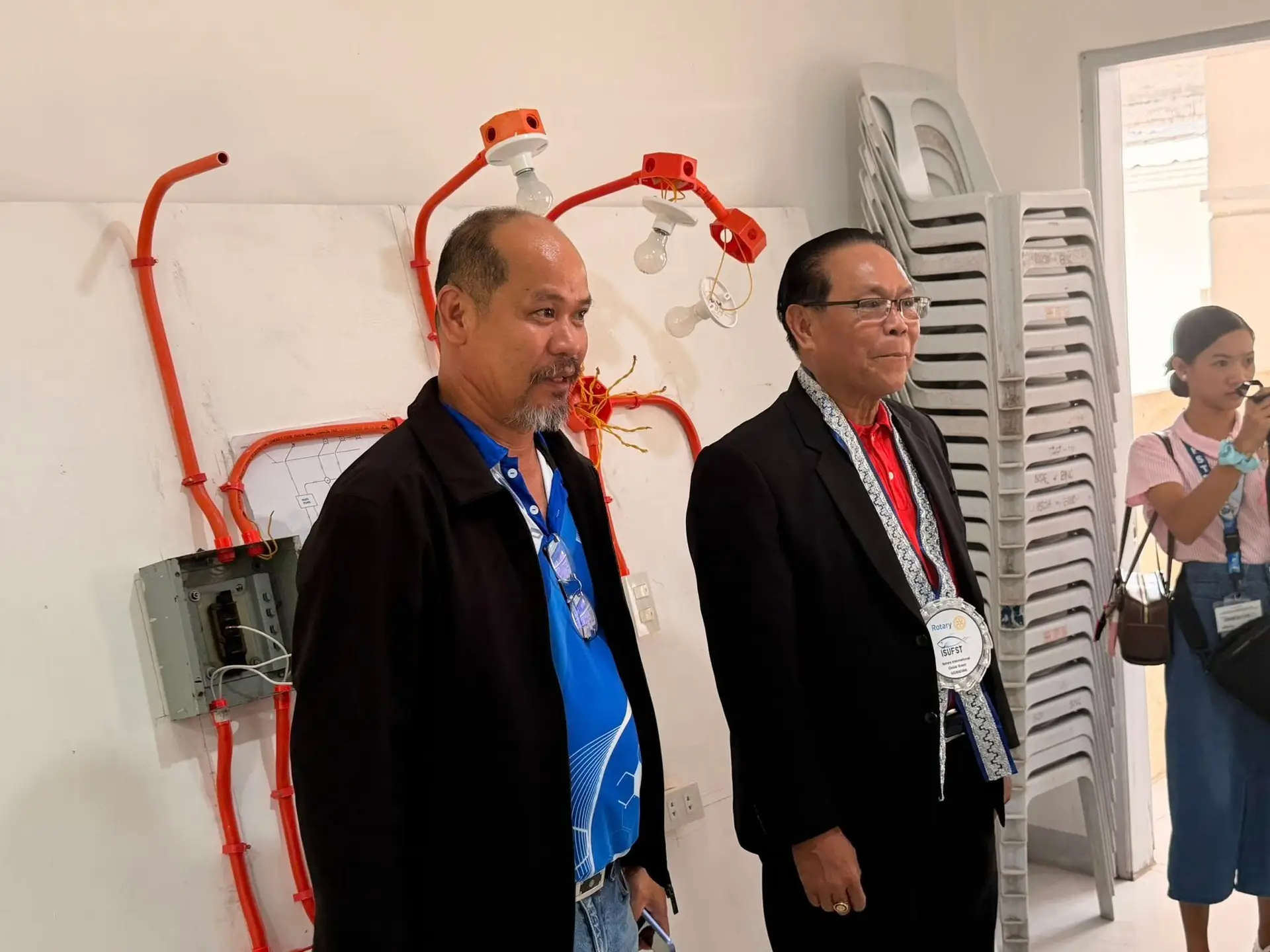
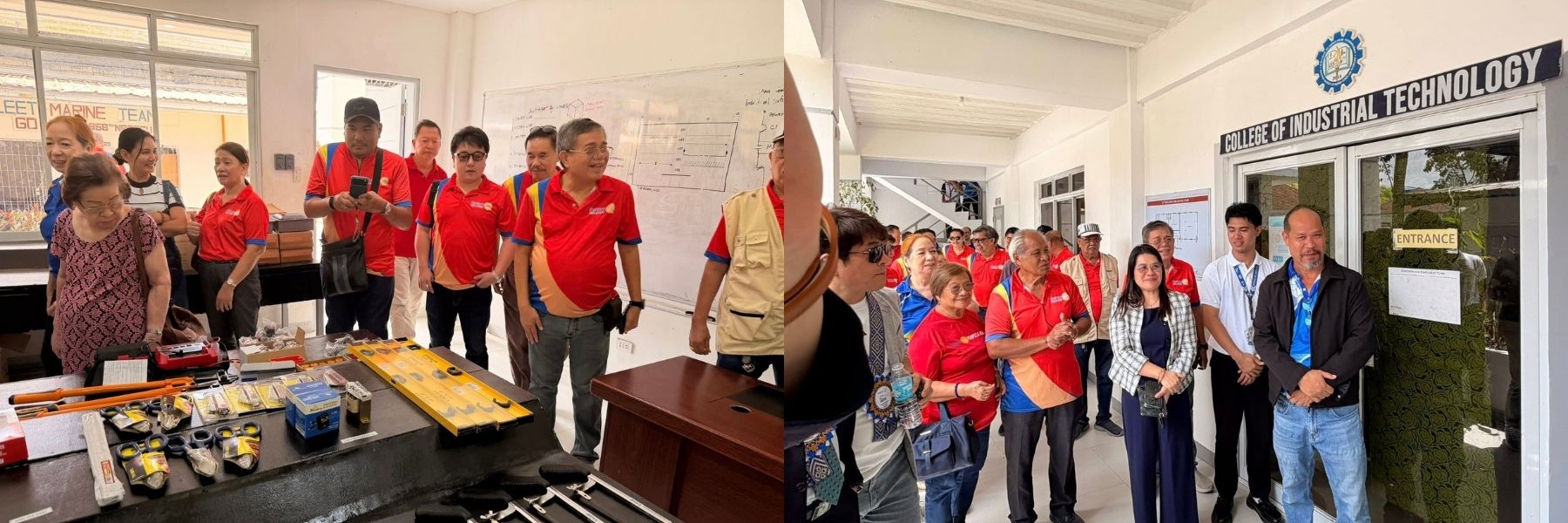
The project highlights the growing collaboration between ISUFST and Rotary partners in the Philippines and South Korea. RC Namweon Central President Changhun Lee thanked the university and its Rotary partners for the warm reception. After the ceremony, the Rotarians toured the CIT laboratories to see the new facilities. For Rotary Club of Iloilo President Dr. Lucio Encio, the project shows the power of partnerships. “Supporting education and skills training helps communities grow and gives young people real opportunities,” he said.
A growing partnership
According to Dr. Herman Lagon, Rotary Global Grant project head and ISUFST director, the initiative builds on the growing collaboration between the university and Rotary partners. “This project shows how global partnerships can empower local communities through education and skills development. With modern training facilities, our students will have stronger pathways to employment and entrepreneurship,” Lagon said.
Strengthening CIT training capacity
For the College of Industrial Technology, the equipment significantly enhances the university’s capacity to deliver industry-relevant technical education.

CIT Dean Dr. Rodel Dosano noted that the upgraded laboratories will help ensure that students receive training aligned with current technological standards.
“These facilities allow us to provide deeper hands-on learning. Our students will now train using tools and systems that reflect the realities of modern electrical and electronics industries,” Dosano said.
Ceremony highlights.
The program began with the welcoming of guests—upon arrival by the CIT and College of Management students and in the function hall by the ISUFST KI-AY Dance Group and faculty singers. This was followed by the opening ceremony which singing of the Korean National Anthem, Philippine National Anthem, ISUFST Hymn, and Rotary Hymn, as well as the Recitation of the Rotary Four-Way Test. Dr. Siason delivered the welcome remarks, while Dr. Lagon presented the significance of the partnership and turnover.
The ceremony proceeded with the signing of the Deed of Donation by representatives of ISUFST, the Rotary Club of Iloilo, and the Rotary Club of Namweon Central, followed by the marker unveiling and ribbon-cutting rites at the new CIT building, the giving of plaques and tokens, and the student testimony by Arce.

The event concluded with closing remarks from Dr. Dosano and a fellowship gathering and thanksgiving lunch at the TechnoHub, featuring a cultural presentation by ISUFST performers.
Continuing collaboration
The POWER UP project follows the successful implementation of a ₱1.89-million Rotary grant in 2025 that upgraded the university’s automotive laboratory under the Automotive Industry Modernization in Iloilo (AIM Iloilo) initiative.
With the addition of the new grant, ISUFST aims to further strengthen its role as a regional hub for technical-vocational education and workforce development in northern Iloilo, supporting both student training and community-based skills development. (Main photos by Ricky Ramos | Auxiliary photos by Razel Ann Balajadia | Text by Herman Lagon and Angelica Torreverde | PAMMCO)

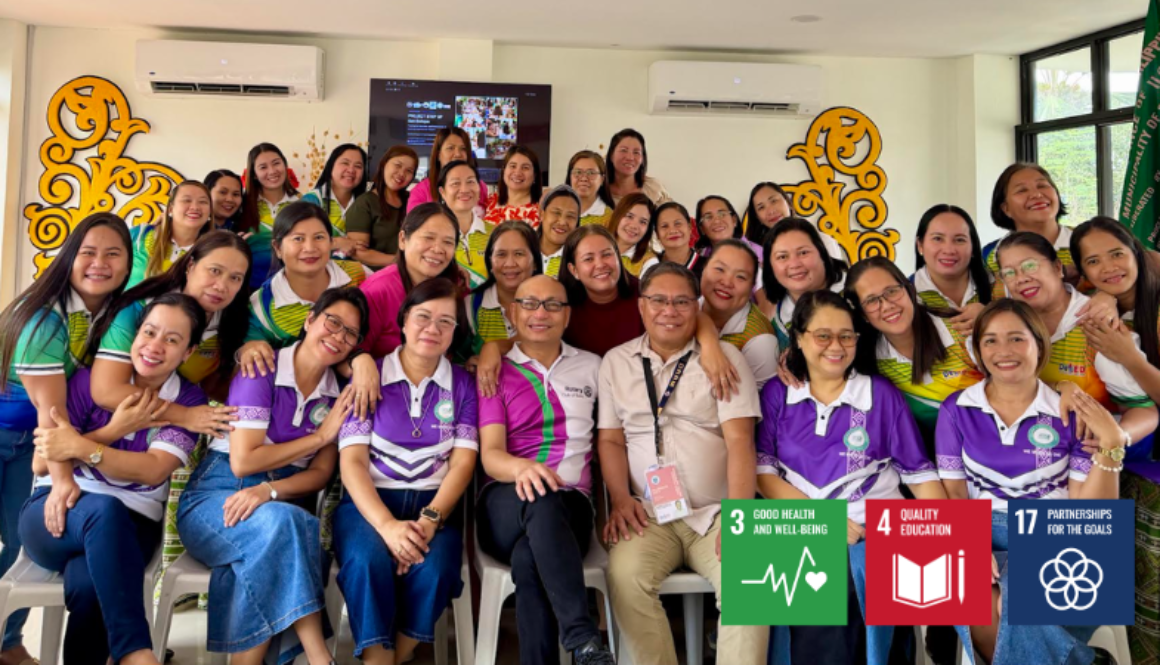
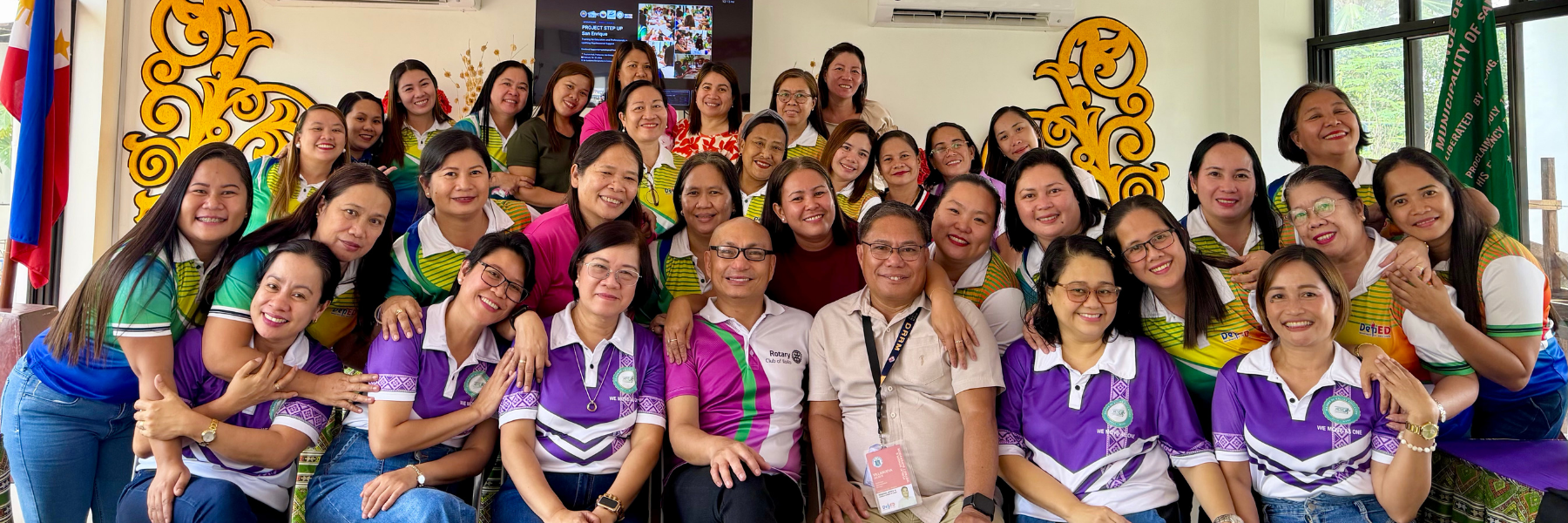
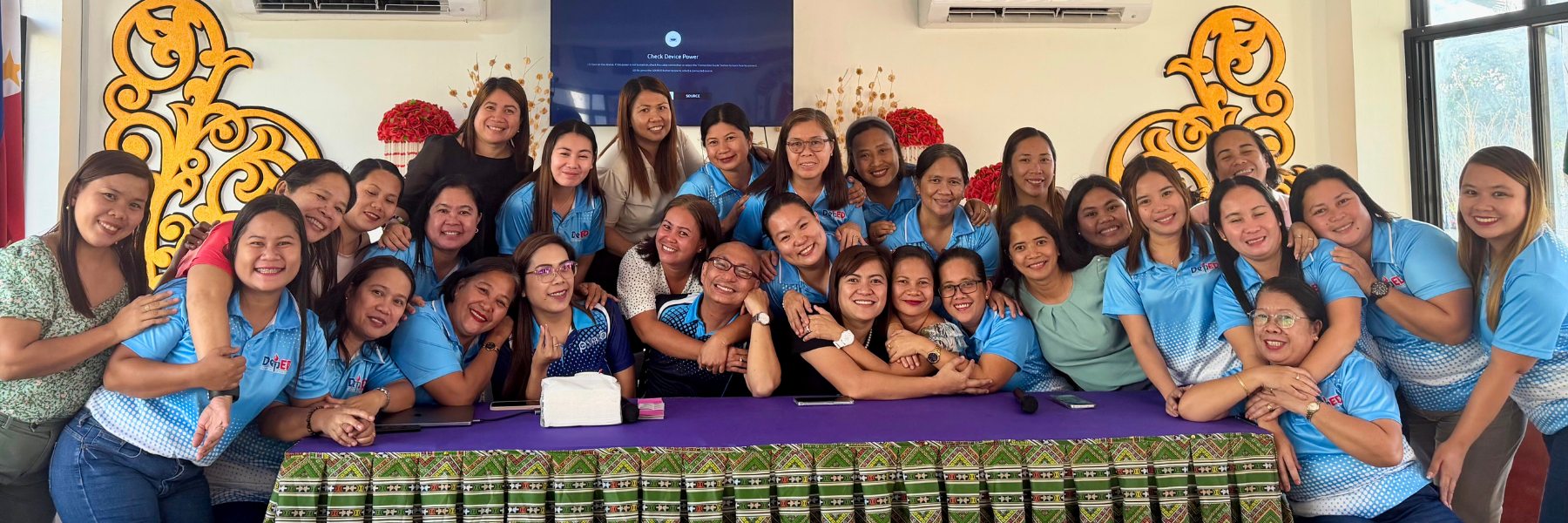
SAN ENRIQUE, ILOILO—Thirty-two guidance designates, teachers, and community wellness advocates of San Enrique capped the two-day STEP UP Phase 2–Module 3: Emotional Support & Psychological First Aid (PFA) seminar-workshop with a collective oath of commitment on February 27 at the Tourism Hall, Poblacion.

“I commit to recognize early signs of emotional distress and crisis in learners responding with calmness, sensitivity, and discernment.” The line, drawn from The STEP UP San Enrique Pledge 2, set the tone for the two-day training that would move participants from awareness to structured action.
The activity, conducted under the ISUFST–WVSU–LGU San Enrique partnership, trained participants to recognize emotional distress and crisis indicators, apply the WHO-aligned Look–Listen–Link model, provide immediate non-clinical support, and strengthen school referral systems, documentation, and confidentiality practices.
The two-year, 6-phase, 9-module STEP UP extension program, led by Iloilo State University of Fisheries Science and Technology (ISUFST), is made possible through the strong institutional backing of ISUFST President Dr. Nordy Siason Jr., West Visayas State University (WVSU) President Dr. Joselito Villaruz, and San Enrique Mayor Gian Carlo Niño Fernandez. The initiative is financed by the LGU of San Enrique through a municipal resolution enacted by the Sangguniang Bayan, affirming the town’s long-term investment in learner well-being. On behalf of Mayor Fernandez, the program is closely overseen by Dr. JJ Patubo with the assistance of DepEd wellness advocate Charmagne Paniza, who help ensure that the training translates into sustained school-level action.

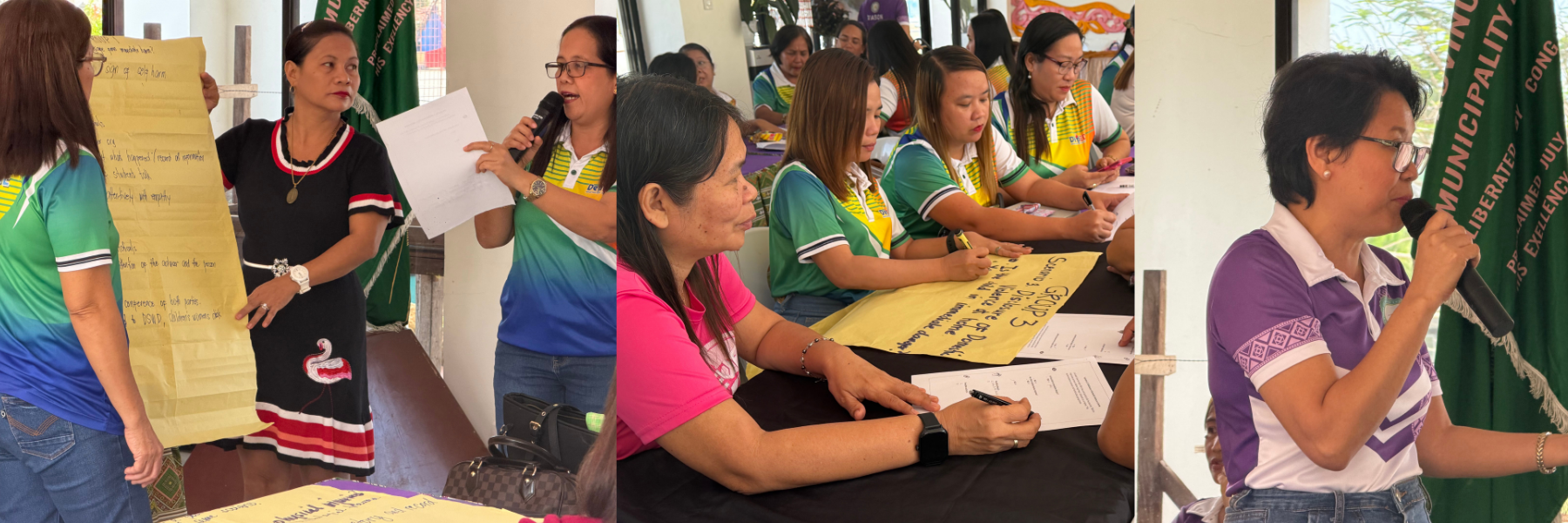
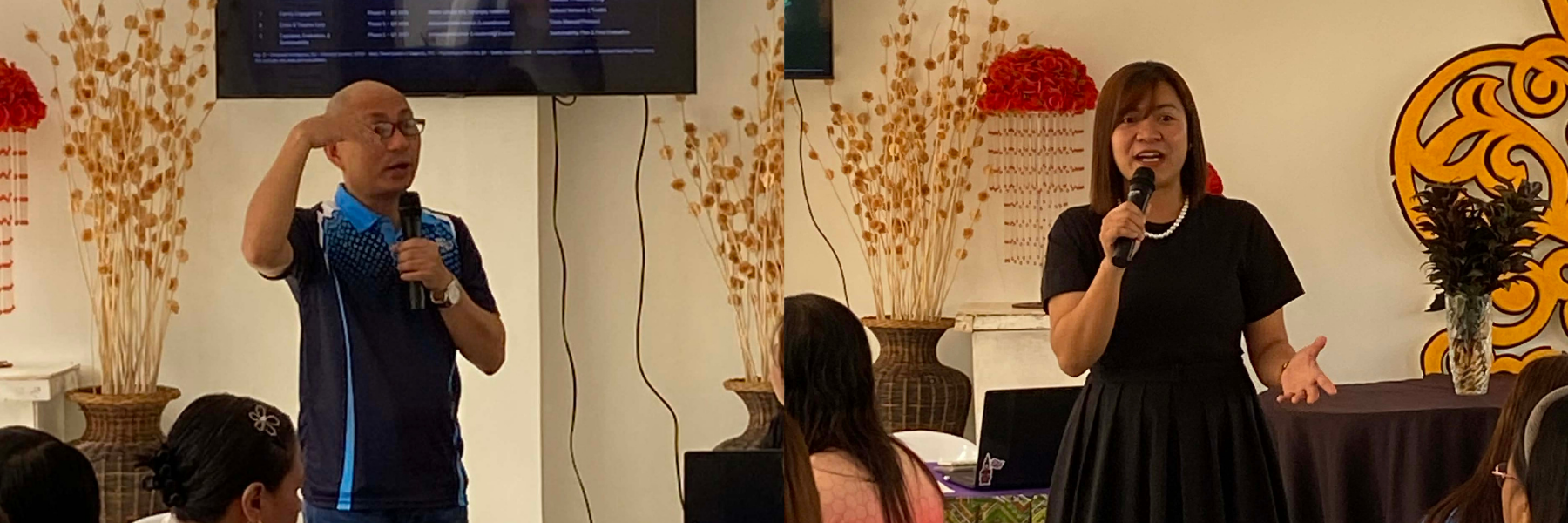
Day 1 (Feb. 26) focused on first-response readiness. After an opening prayer and Phase 1 recap led by Mrs. Edeline Joy Acosta, participants began with an interactive “Signals of Stress” energizer facilitated by Dr. Herman Lagon, RGC, the STEP UP Extension Program Leader. The morning then moved to “Understanding Distress and Crisis Indicators,” delivered by Mrs. Junna Mari Pacardo, RGC, with case vignettes, helping participants name red flags and distinguish ordinary stress from warning signs that require immediate support or referral.
Dr. Lagon later delivered the Introduction to Psychological First Aid (Look–Listen–Link) through a guided lecture and demonstration, then led the PFA Skills Lab on “Look and Listen” using role-play scenarios that allowed participants to practice calming presence, active listening, and initial stabilization in school-based situations.
In the afternoon, Mrs. Pacardo facilitated a working-break workshop on Ethical Boundaries and Confidentiality, using case analysis to help guidance advocates clarify scope, privacy, and responsible decision-making. The day ended with a synthesis circle, “What Does Help Look Like?” led by Dr. Lagon, integrating lessons into practical first-response mindsets.

Day 2 (Feb. 27) shifted from skills to systems. Participant volunteers led the day’s prayer and recap, followed by a quick drill energizer, “Look–Listen–Link in Action,” facilitated by Dr. Lagon, to refresh coordination before referral planning.
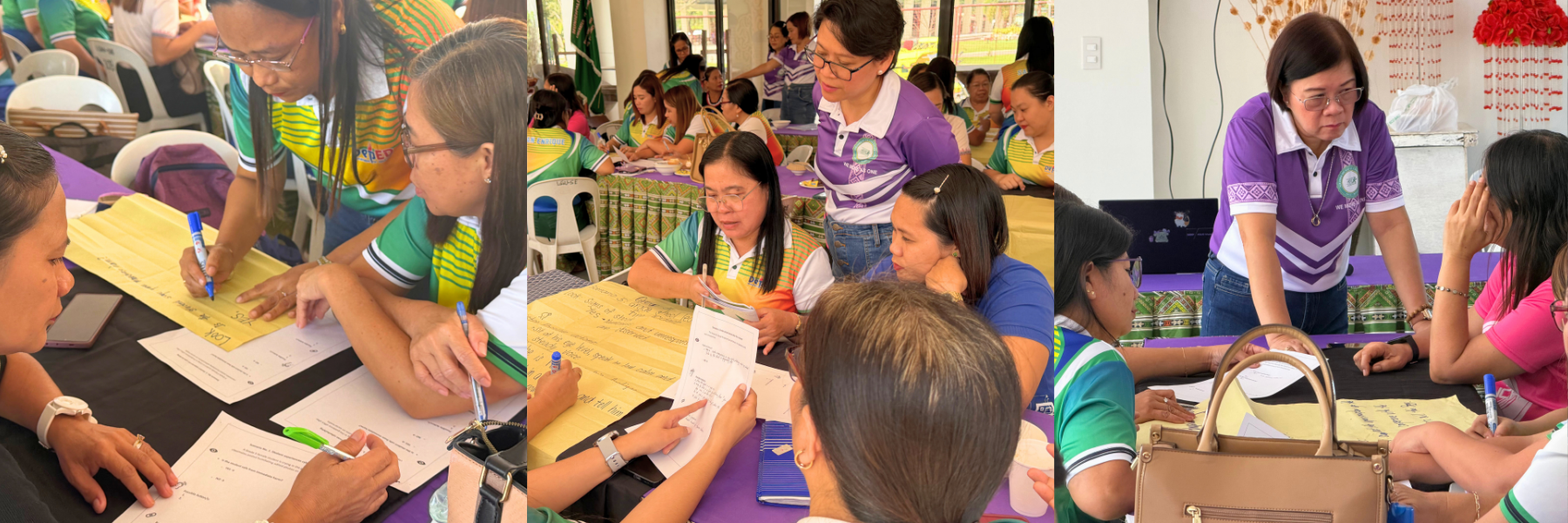
WVSU speakers facilitated the core mid-morning sessions. Dr. Hilda Montaño, RGC, led the PFA Skills Lab on “Link” (Referral Pathways) through scenario-based group work that guided participants in choosing correct next steps for different levels of risk. Mrs. Gift Tragico, RGC, then handled Safety Planning Basics, walking participants through a template exercise that translated concern into concrete safety steps. Such was discussed further after lunch.

Later in the afternoon, the training then proceeded to Mapping the Local Referral Network, where participants drafted their localized referral directory anchored on existing municipal services and school protocols. Ms. Jennet Pajura, RGC, later led Documentation and Incident Reporting through hands-on form completion, emphasizing proper incident logs and responsible reporting. WVSU’s Prof. Jan Iris Fae Basbas, RGC, also served as one of the facilitators in the process.
All volunteer guidance counselors from ISUFST and WVSU then guided the working-break workshop on School-Based PFA Action Planning, followed by group presentations and peer feedback—ensuring outputs were school-ready, realistic, and aligned with ethics and confidentiality.
The two-day, phase 2, module 3 training concluded with the recitation and signing of “The STEP UP San Enrique Pledge 2,” where participants committed to early recognition of distress, faithful practice of Look–Listen–Link, ethical documentation, proper referral, advocacy for safer guidance spaces, continued learning, and self-care as helpers.

“I pledge to step up with empathy. I pledge to step up with integrity. I pledge to step up with courage and care,” the participants affirmed—marking the transition from training to shared responsibility for learner well-being in San Enrique schools.
With Phase 2 completed, ISUFST’S STEP UP initiative moves forward to Phase 3 on June 25–26, 2026, at the Tourism Hall in San Enrique. The next module will focus on Career Planning and Bullying Prevention—continuing the shared mission of helping learners find direction while protecting their dignity in safer school spaces. (PAMMCO)


About fifty faculty and staff of the Iloilo State University of Fisheries Science and Technology (ISUFST) joined hundreds of participants at the Iloilo Freedom Grandstand on February 13, 2026 for the annual One Billion Rising (OBR) campaign, a global movement calling for an end to violence against women and girls.

Wearing pink shirts, the ISUFST delegation from the different campuses took part in the morning program organized by the Ugsad Regional Gender Resource Network–Western Visayas, which gathered representatives from government agencies, academic institutions, civil society groups, and local communities. (Photos by Mila Bedia, Jennifer Mamerto, and Herman Lagon | PAMMCO)


POLICY STARTS FEB 2. The Iloilo State University of Fisheries Science and Technology (ISUFST) has formally adopted a four-day compressed workweek (CWW) for the entire second semester of the Academic Year 2025-2026, becoming the first university in Western Visayas to implement the scheme under approved internal guidelines anchored on civil service regulations.
The innovative policy was proclaimed this Wednesday afternoon, January 28, by ISUFST President Dr. Nordy D. Siason Jr. at the University Library on the Main Campus–Poblacion Site. Faculty, staff, students, and university authorities were all in attendance. The meeting also discussed the internal guidelines for its semester-long implementation and evaluation.
The CWW scheme was earlier approved by the ISUFST Board of Regents during its first-quarter 2026 meeting at the CHED Central Office in Quezon City on January 26, following weeks of internal consultations and an institutional survey that served as one of the bases for the proposal.
Policy basis and objectives
Under the approved guidelines, the CWW is adopted to enhance operational efficiency while maintaining the mandatory 40-hour workweek prescribed under civil service laws. The University emphasized that the arrangement does not reduce actual time on duty, but reorganizes work schedules to improve productivity, morale, and work–life balance.
“The compressed workweek is a management option—not a privilege—that allows us to work smarter and healthier, while protecting service delivery,” Siason said. “It will be closely monitored and may be modified or suspended if it affects academic operations or public access to services.”
The guidelines cite cost efficiency, particularly reduced utility consumption, as a key rationale. At the same time, the policy is positioned as a wellness-sensitive measure, acknowledging that faculty, staff, and students perform better when work and learning schedules allow adequate rest, recovery, and balance.
Coverage and work schedule
The new work arrangement will apply across all ISUFST campuses and offices, including administrative, academic support, and auxiliary units. It covers all personnel—permanent, temporary, or casual—unless their specific roles require a different setup, subject to the President’s approval.
However, those assigned to university-run farms, fishponds, agricultural stations, and other field-based facilities will continue to follow existing schedules that better fit the realities of hands-on, on-site work.
Under the CWW:
* Personnel shall work four days a week, from Monday to Thursday
* Duty hours (and classes) shall be 7:00 a.m. to 6:00 p.m., inclusive of break periods
* Friday is designated as a no-duty (no-class) day, unless service exigencies require otherwise
* Safeguards on attendance, overtime, and service delivery
Attendance and time keeping will remain strictly enforced. One day of absence under the CWW will be charged as 1.25 days, corresponding to the ten-hour workday. Overtime work and service on Fridays or rest days will require prior written approval and may be compensated through overtime pay or Compensatory Overtime Credit (COC), in accordance with existing rules.
To ensure continuity of essential services, offices providing frontline and academic services are required to adopt work rotation, or alternative arrangements.
Academic and operational readiness
Vice President for Academic Affairs Dr. Stephen Raymund Jinon said academic processes—including internships, teaching enhancement, thesis and dissertation supervision, and extension and research activities—will be adjusted carefully to protect learning time and outcomes.
“The policy gives us flexibility, but it also demands discipline,” Jinon said. “Academic delivery remains non-negotiable, and student learning will not be compromised.”
Vice President for Administration and Finance Dr. Jescel Bito-onon noted that the policy aligns operational discipline with employee well-being and fiscal responsibility.
“This is a balanced approach,” Bito-onon said. “We are improving work conditions while ensuring accountability, performance standards, and responsible use of public resources.”
Monitoring and evaluation
The CWW will be subject to continuous monitoring and periodic evaluation, with the Human Resource Management Office (HRMO) leading the consolidation of attendance data, employee feedback, and performance indicators. Administrative and finance units will monitor utility use and possible savings, while heads of offices will regularly report on productivity and service delivery.
Using these results, the University President may continue, adjust, pause, or end the arrangement to ensure it serves both the University’s mission and the public.
University officials said the semester-long pilot gives ISUFST the space to listen, observe, and learn—so decisions are shaped by real experience, guided by ISDA guiding principles, and the UN SDGs on mindful of health, decent work, and strong institutions. (Herman Lagon | PAMMCO)
#isufstisdafirst #isufstcommunity #isufst #pammcostoriesthatmatter
Cartoon sketched by ChatGPT upon specific instruction.

DAY 1 | January 12, 2026
A Global Monday Morning at ISUFST–Dingle Campus
The ISUFST–Dingle Campus started the week with a global spirit as we officially welcomed our SEA-Teacher Project Batch 11 exchange students, Ms. Nur Annisa Putri and Ms. Adinda Sari from Universitas Muhammadiyah Sumatera Utara (UMSU), Indonesia, during the Flag Raising Ceremony.

🌟 Highlights of the Morning:
Faculty-Led Welcome: The ceremony was proudly hosted by the ISUFST Teaching Faculty, reflecting our strong support for international academic exchange.
Unity in Learning: Our Indonesian guests were formally introduced to the campus community, marking the beginning of their journey in teaching assistance, classroom engagement, and cultural immersion.
Global Collaboration: Under the guidance of Dr. Rene T. Estomo, SEA-Teacher Coordinator, and the College of Education, the campus is set for a meaningful month of shared growth and excellence.

DAY 2 | January 13, 2026

Strengthening Cultural Exchange Through Learning and Friendship
The Iloilo State University of Fisheries Science and Technology–Dingle Campus, through the College of Education, conducted a Welcoming Program for the SEA-Teacher exchange students at the Audio Visual Room – Knowledge Management Hub.
The program officially opened with Dr. Giefred Ian P. Paniza, Dean of the College of Education, who emphasized the importance of learning beyond the classroom and highlighted the value of collaboration, shared experiences, and friendship among educators.


Dr. Nancy D. Daguro, Coordinator for Cultural Affairs, delivered an inspiring message, emphasizing that the SEA-Teacher Program serves as a bridge that connects future educators and fosters cross-cultural learning.
The program concluded with the closing remarks of Dr. Rene T. Estomo, ISUFST SEA-Teacher Coordinator, expressing appreciation for the collaboration and enthusiasm shown by everyone involved.

DAY 3 | January 14, 2026

The 11th batch of SEA-Teacher Exchange participants from Universitas Muhammadiyah Sumatera Utara (UMSU), Indonesia, paid a courtesy visit to ISUFST University President Dr. Nordy D. Siason, Jr., CESO VI.
The delegation was composed of Ms. Nur Annisa Putri and Ms. Adinda Sari, students of the Bachelor of Elementary School Teacher Education program at UMSU.

The visit highlighted the continued strengthening of educational ties between ISUFST and UMSU and reaffirmed the university’s commitment to international collaboration, cultural exchange, and cross-cultural learning opportunities. This meaningful engagement reflects ISUFST’s dedication to developing globally competent future educators.


Under one roof at the Dumangas Campus on Friday, January 9, the ISUFST community came together to celebrate the university’s Third Foundation Anniversary—a full day that gathered students, faculty, staff, alumni, and partners from all five campuses.
More than celebration, the day felt like a breath—a pause to recognize the distance traveled and the responsibility that comes with growing into the name “university” only three years since its conversion.

A Day That Began with Gratitude
The day began with a Thanksgiving Mass at the Dumangas Campus Gymnasium, drawing the community into a shared space of prayer and reflection. It was an offering of gratitude—and a gentle reminder that growth does not begin with celebration, but with faith, humility, and a common purpose.
This solemn opening softly shaped the mood of the celebration, honoring achievements while giving space to the unseen sacrifices, steady effort, and perseverance that carried the journey forward, year after year.

Grand Convocation: Leadership, Memory, and Direction
The Grand Convocation followed with the Processional of University Colors and Key Officials, the Philippine National Anthem, and opening prayers. Through the voices of the ISUFST Dumangas Chorale, the University Hymn and Dumangas Hymn filled the hall—carrying memory, pride, and resolve in equal measure.

In his welcome remarks, Dr. Matthew T. Lasap, Campus Administrator of Dumangas Campus, reminded the audience that ISUFST’s growth has always been shaped by perseverance: “Our university rose from struggle, and education keeps our collective dreams alive.”
ISUFST President Dr. Nordy D. Siason Jr. reflected on the institution’s journey to universityhood—marked by years of audits, compliance, documentation, and collective effort across campuses. “We remember the hard, transformative days of our conversion, and we march forward with renewed purpose and promise,” he said, urging the community to honor past struggles while shaping a better future.

Vice Presidents Dr. Stephen Raymund T. Jinon (Academic Affairs) and Dr. Jescel B. Bito-Onon (Administration and Finance) echoed the message that ISUFST’s progress was the result of shared vision, quiet excellence, and systems built for long-term impact.
Messages of support followed from key leaders and partners. Speaking on behalf of Congressman Ferjenel G. Biron, former councilor Hon. Bryan D. Gumban highlighted the role of character in education: “True education fuses intelligence with character. As you navigate the future, may you lead with integrity and serve with heart.”
A moving highlight of the convocation was the Honoring of ISUFST Retirees, recognizing individuals whose years of service helped lay the foundation upon which the young university now stands.
Creative Synergy Takes the Stage
The afternoon shifted into high energy with Creative Synergy, where talent, teamwork, and campus pride came alive through performances and competitions inspired by the theme “Navigating the Future with Purpose and Panache.”

Vocal Trio Pop: “The ISUFST Harmony”
The unique faculty–staff–student trio format showcased unity through music and stage presence.
Results:
Champion: ISUFST Main Campus – Tiwi Site
First Runner-Up: ISUFST Main Campus – Poblacion Site
Second Runner-Up: ISUFST Dumangas Campus
The performances blended harmony, musicality, and confidence, drawing enthusiastic responses from the audience

Creative Dance Drama: “Pulse of Purpose”
Interpreting ISUFST’s three-year journey through movement and storytelling, all campuses delivered performances praised for depth, unity, and emotional impact.
Results:
Champion: ISUFST Main Campus – Tiwi Site
First Runner-Up: ISUFST Main Campus – Poblacion Site
Second Runner-Up: ISUFST Dumangas Campus
Third Runner-Up: ISUFST San Enrique Campus
Fourth Runner-Up: ISUFST Dingle Campus
Each entry was judged on how well it brought the theme to life, the creativity of movement, and the harmony on stage—showing real collaboration across the community.
Voyager’s Reel: Telling Campus Stories on Screen
Campus publications competed in the Voyager’s Reel video montage contest, capturing achievements, research milestones, and everyday campus life.
Results:
Champion: The Blaze Publication (ISUFST Dumangas)
First Runner-Up: Golden Grains (ISUFST Dingle)
Second Runner-Up: The Sea Treasure (ISUFST Tiwi)
Consolation: The Clarion (Poblacion Main), The Igang (San Enrique)
During the afternoon presentations, Vice Governor Hon. Lee Ann F. Debuque commended ISUFST’s steady progress and strong community spirit: “The strength of ISUFST comes from unity and dedication. Every member of this community is part of the heritage we celebrate today.”

Three Years On, Still Moving Forward
Three years into universityhood, ISUFST stands in a space between arrival and aspiration—growing, learning, and holding itself to higher purpose. As the country’s lone fisheries university, it stays anchored in realities close to home: food security, coastal life, sustainability, and education that serves communities beyond the classroom.
The Third University Foundation Anniversary was not simply a moment to celebrate success. It was a reminder that universityhood carries responsibility—to live out integrity, social justice, discipline, and academic excellence in ways that truly matter.
As the celebration drew to a close, one quiet truth lingered: ISUFST’s journey continues. Guided by people who believe that meaningful progress does not need to be loud—only shared, sincere, and purposeful. (Jen Gonzaga | Andrea Shane Suelo | PAMMCO)
#ISUFSTat3 #isufstisdafirst #isufstcommunity #ISUFST #pammcostoriesthatmatter #ISUFSTwithpurposepanache #ISDA #Integrity #socialjustice #discipline #academicexcellence #NavigatingtheFuturewithPurposeandPanache #PurposeandPanache #isufstat3coverage #pammcoambassadors #VoyagersReel #pammco #ISUFSTwithPurposePanache