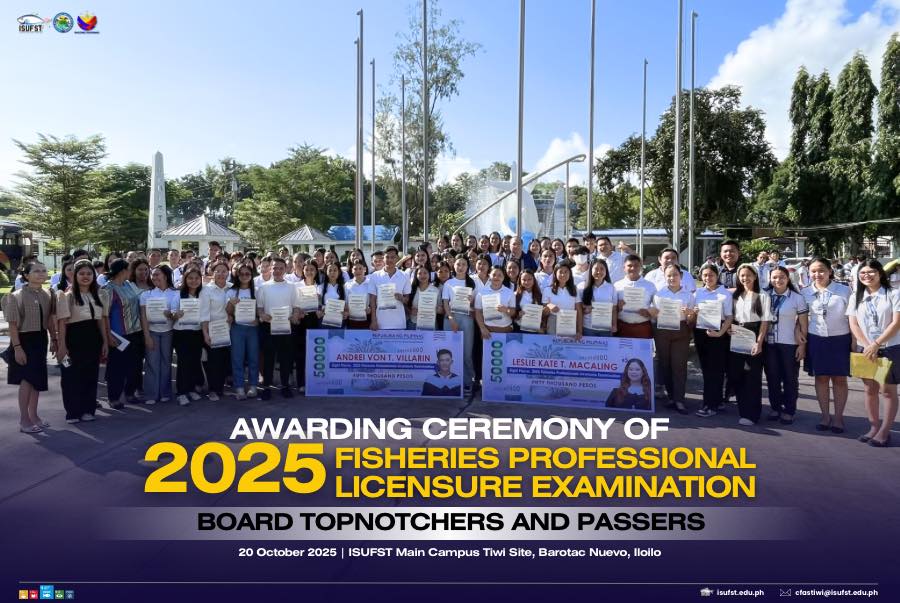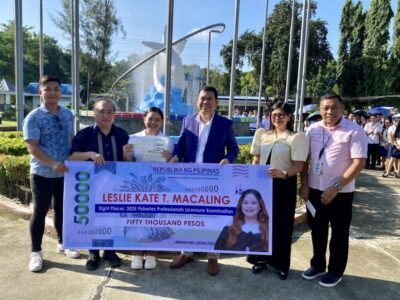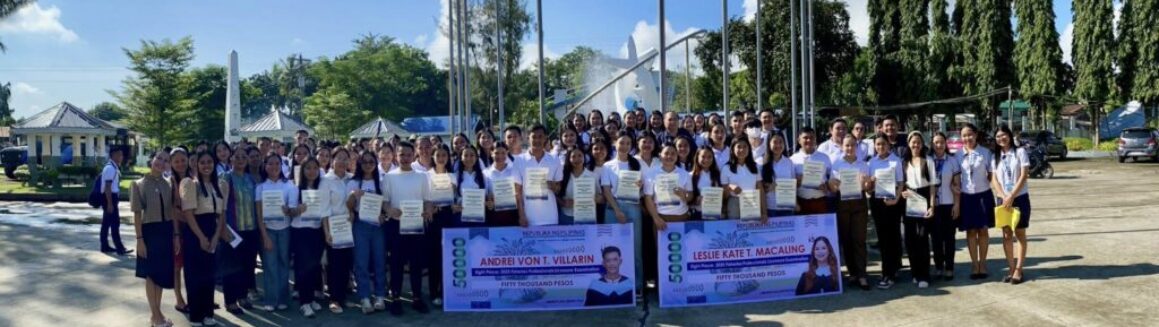
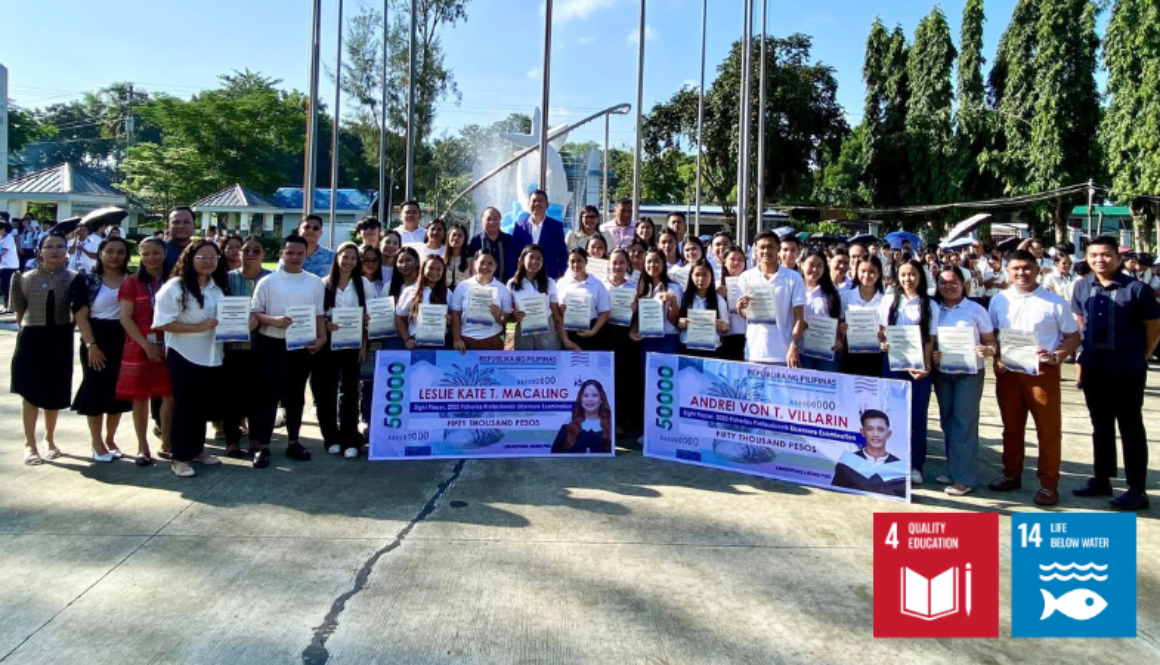
ISUFST Honors Two Topnotchers in 2025 Fisheries Board Exam, Awards ₱50,000 Incentive


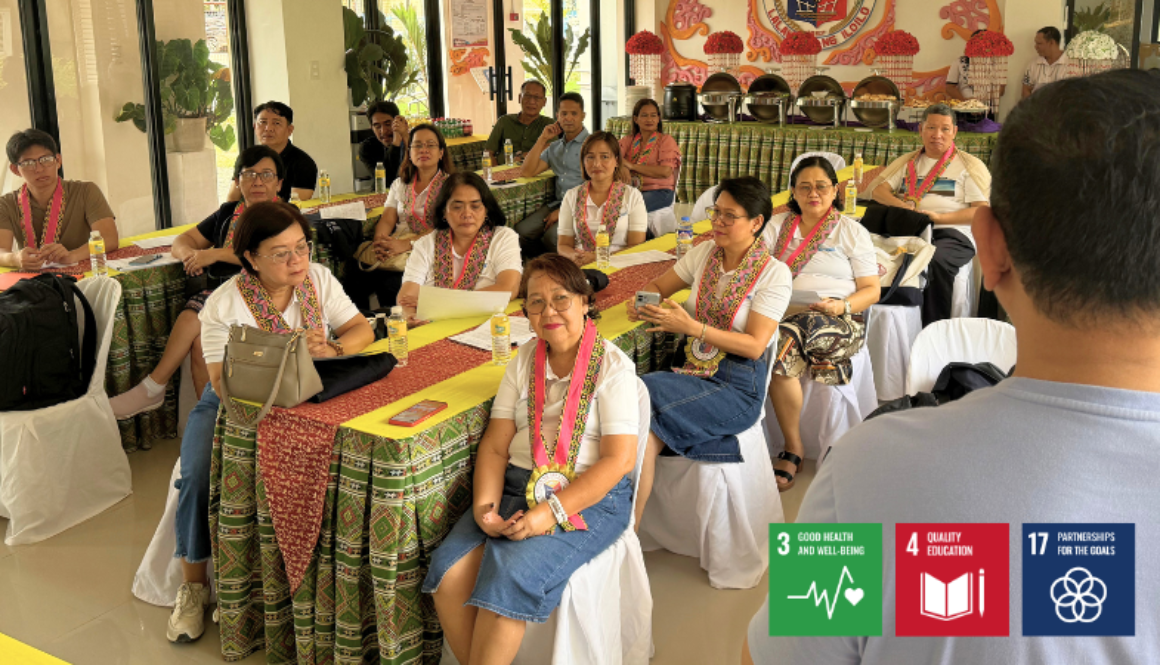
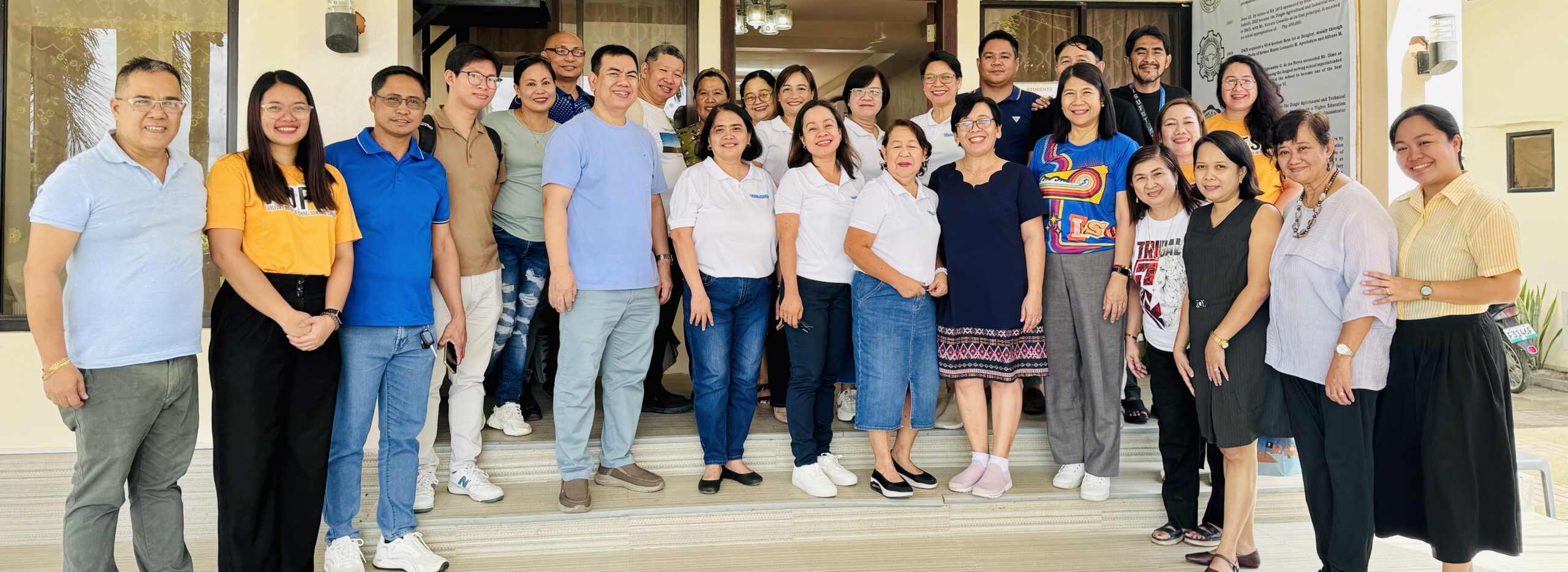
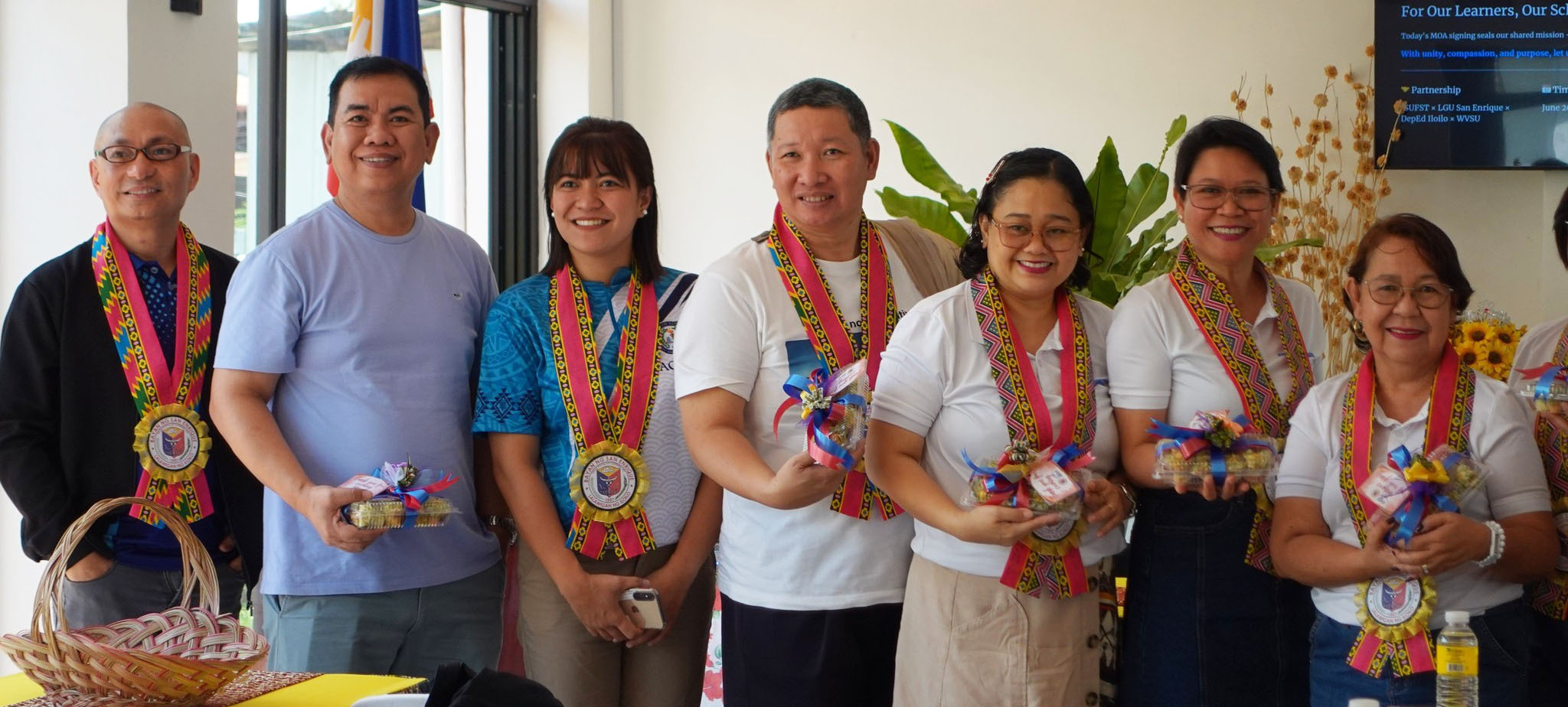
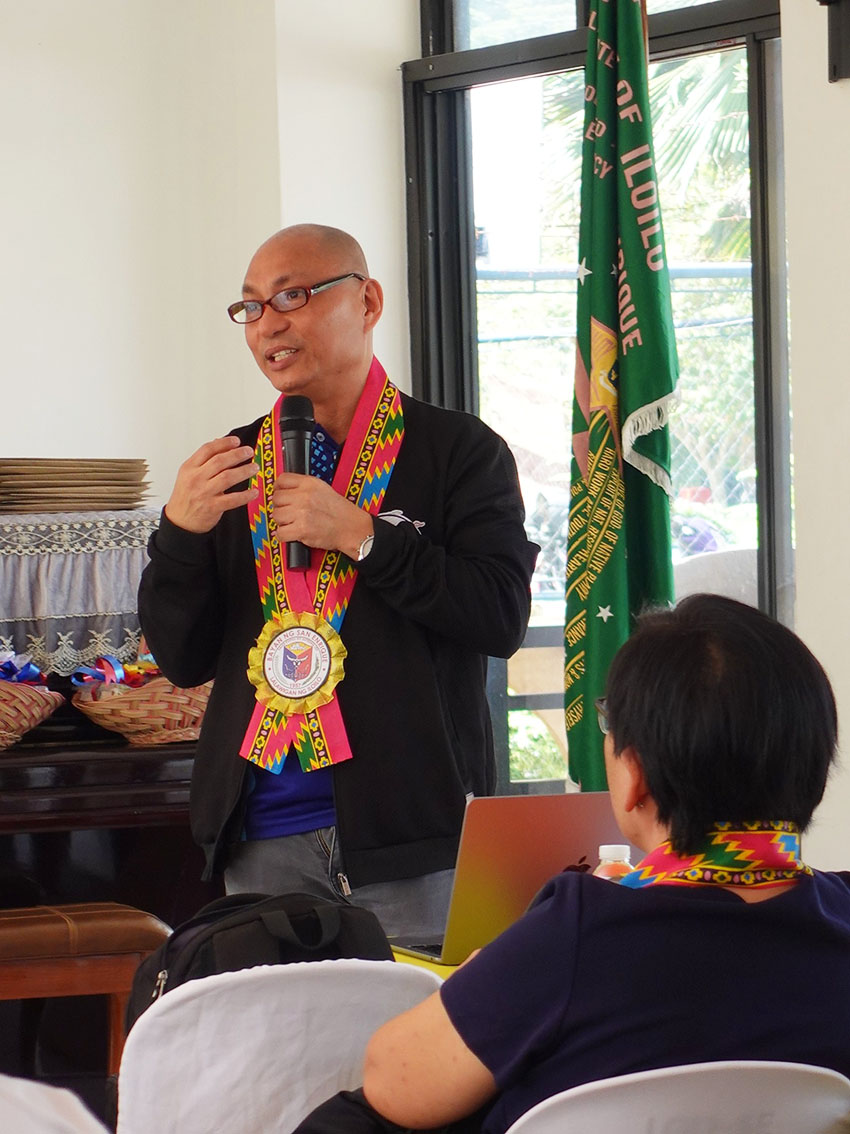
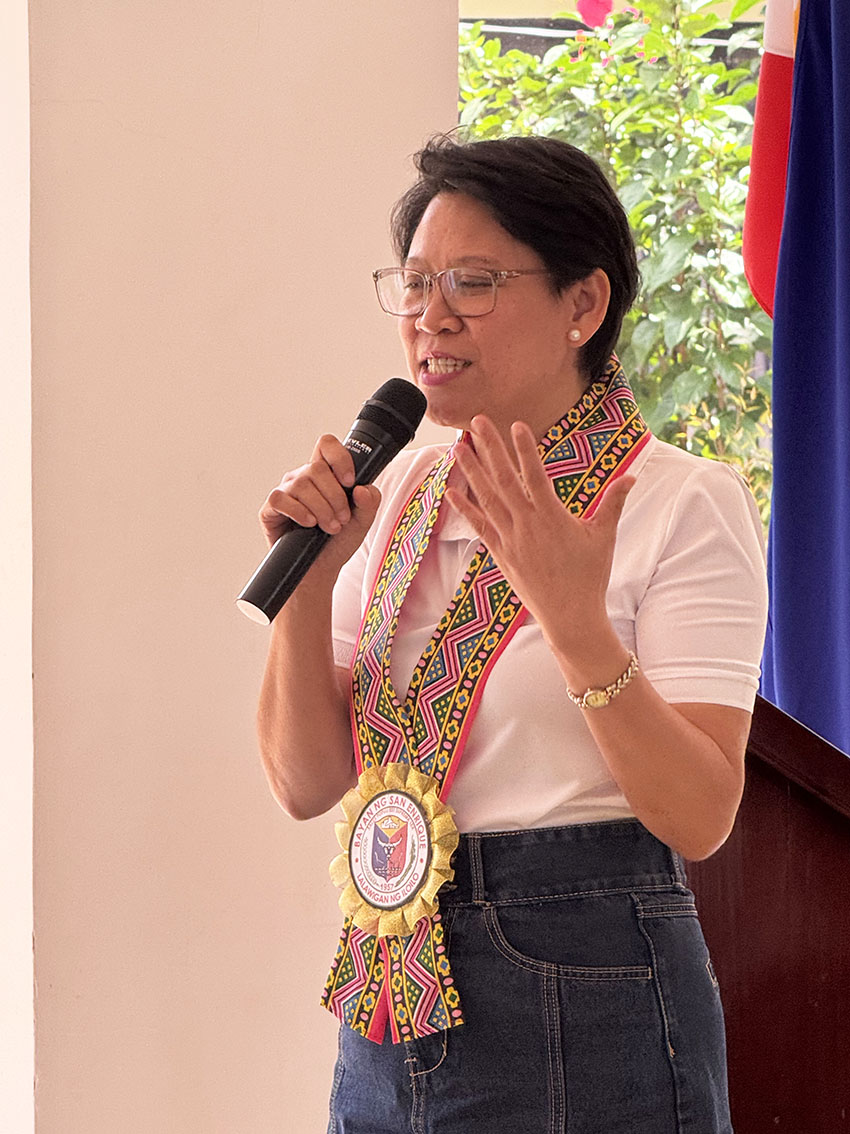
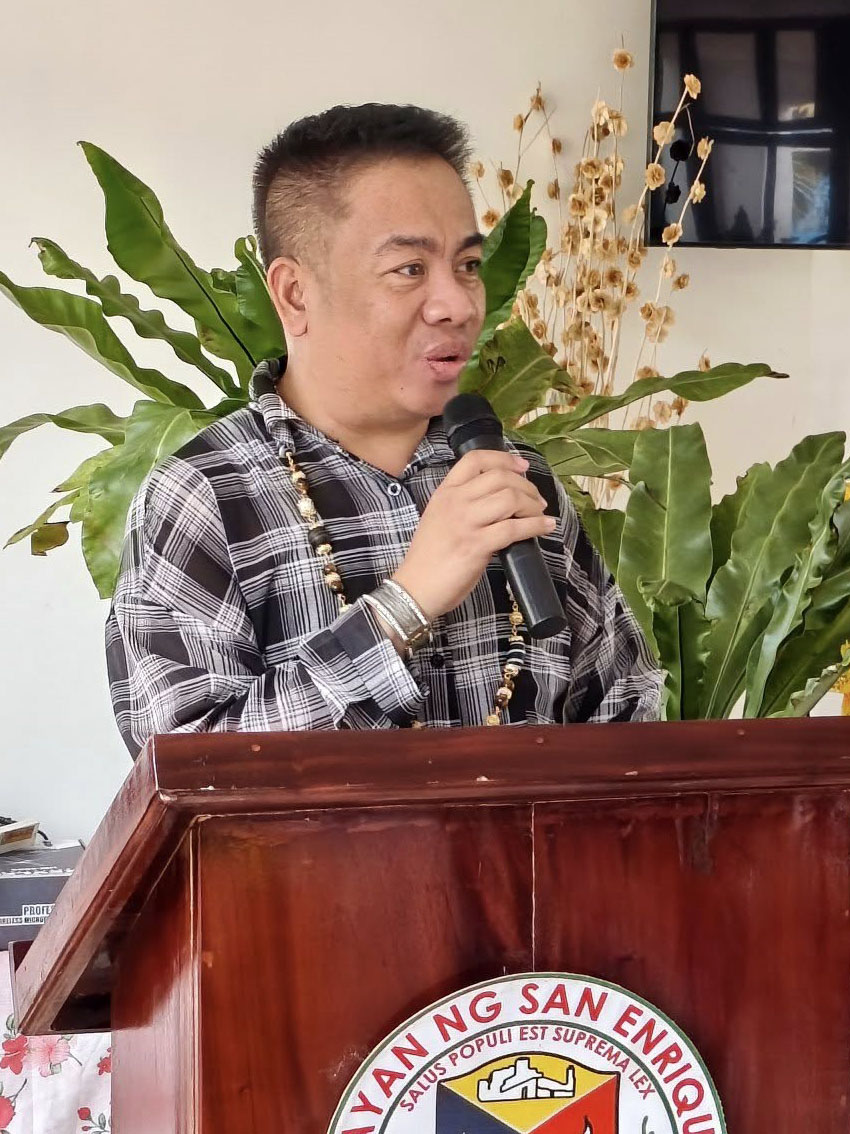
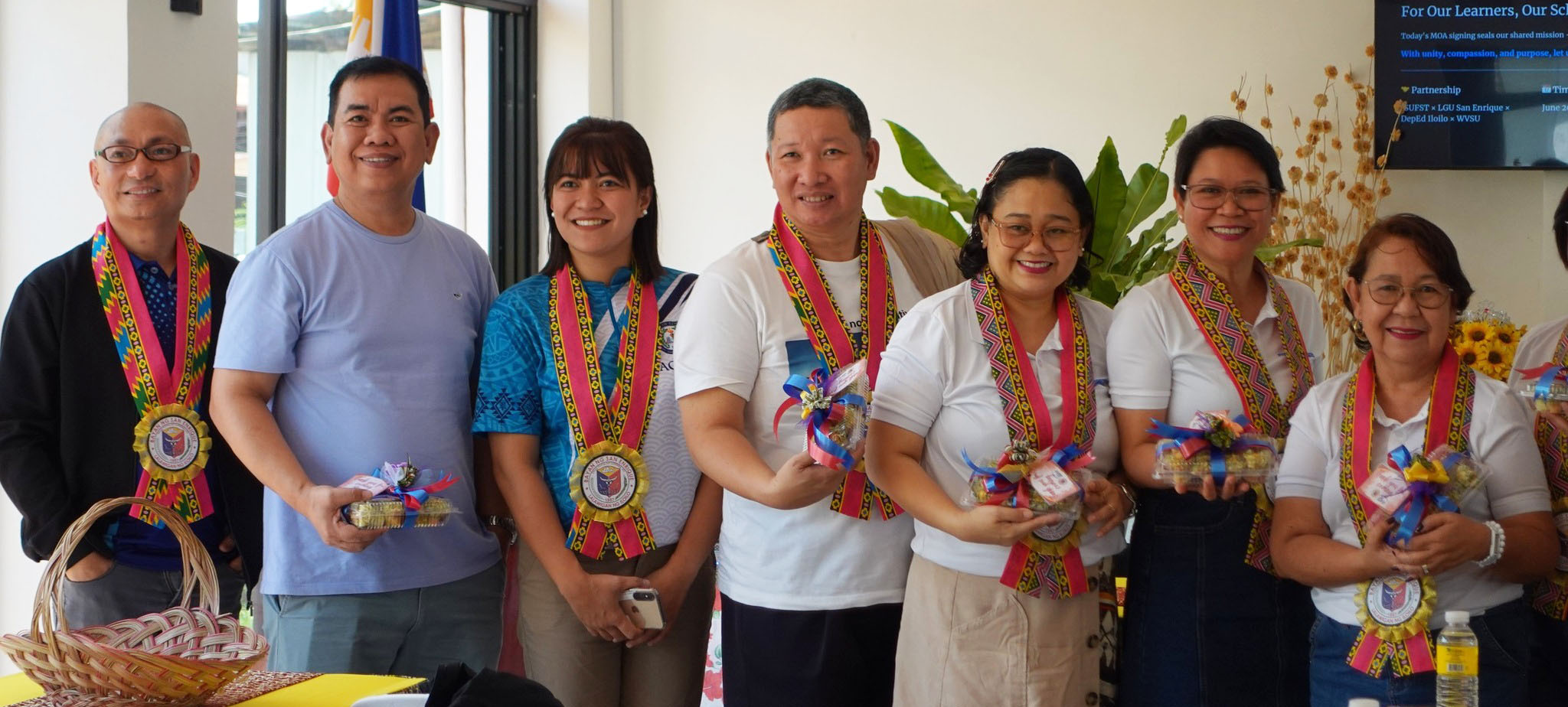
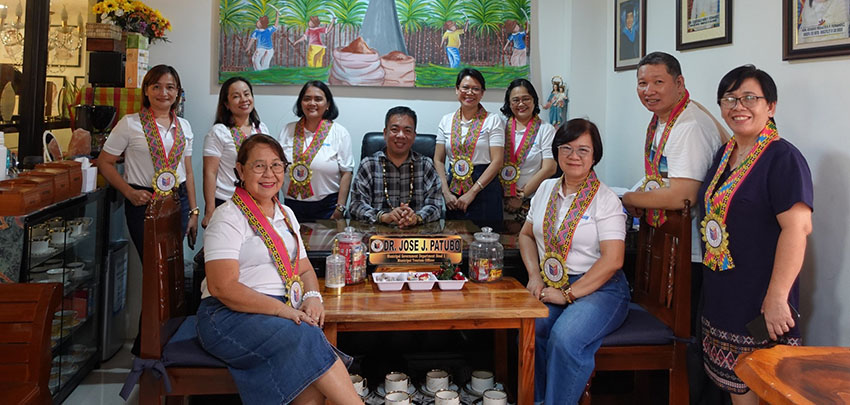
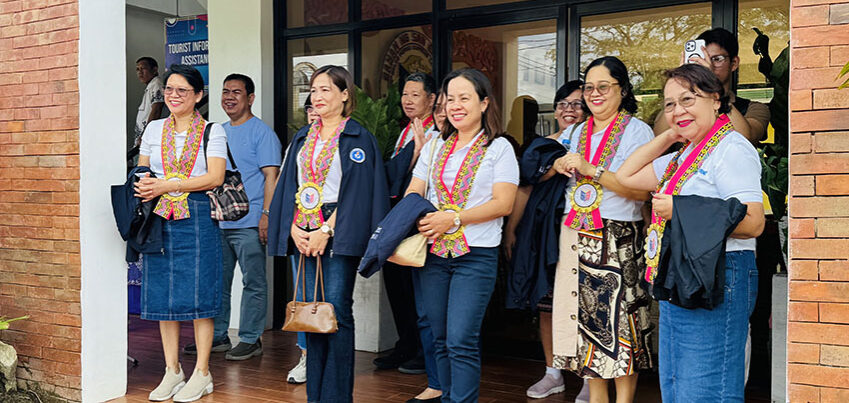
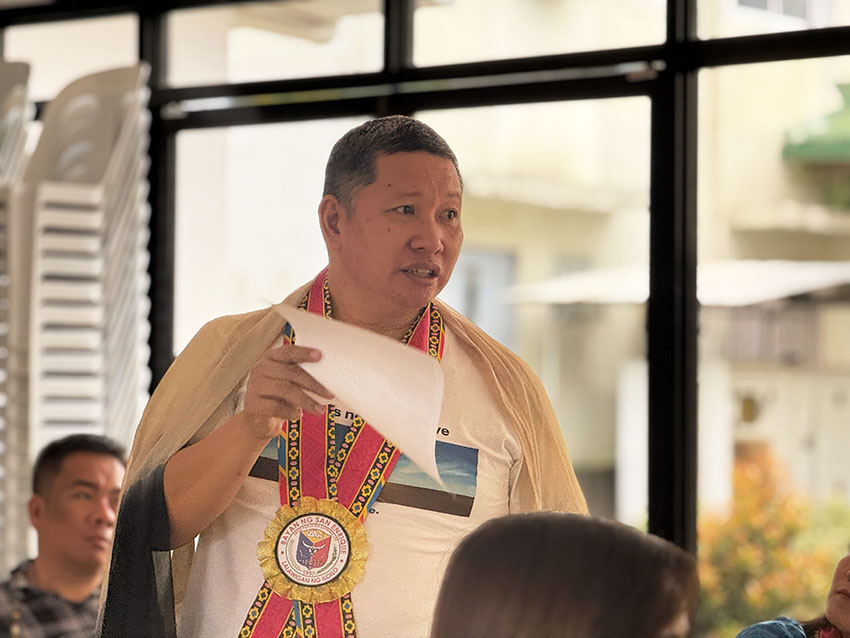
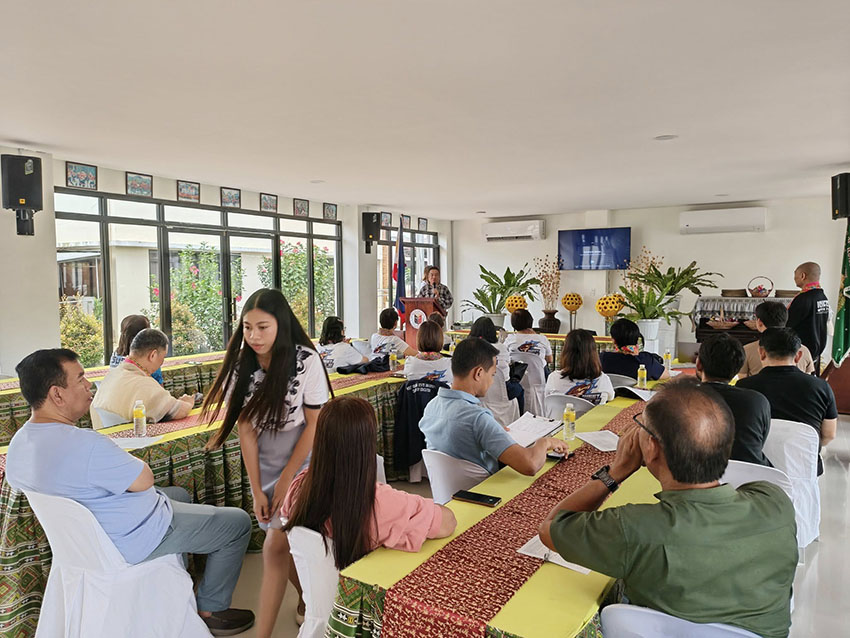
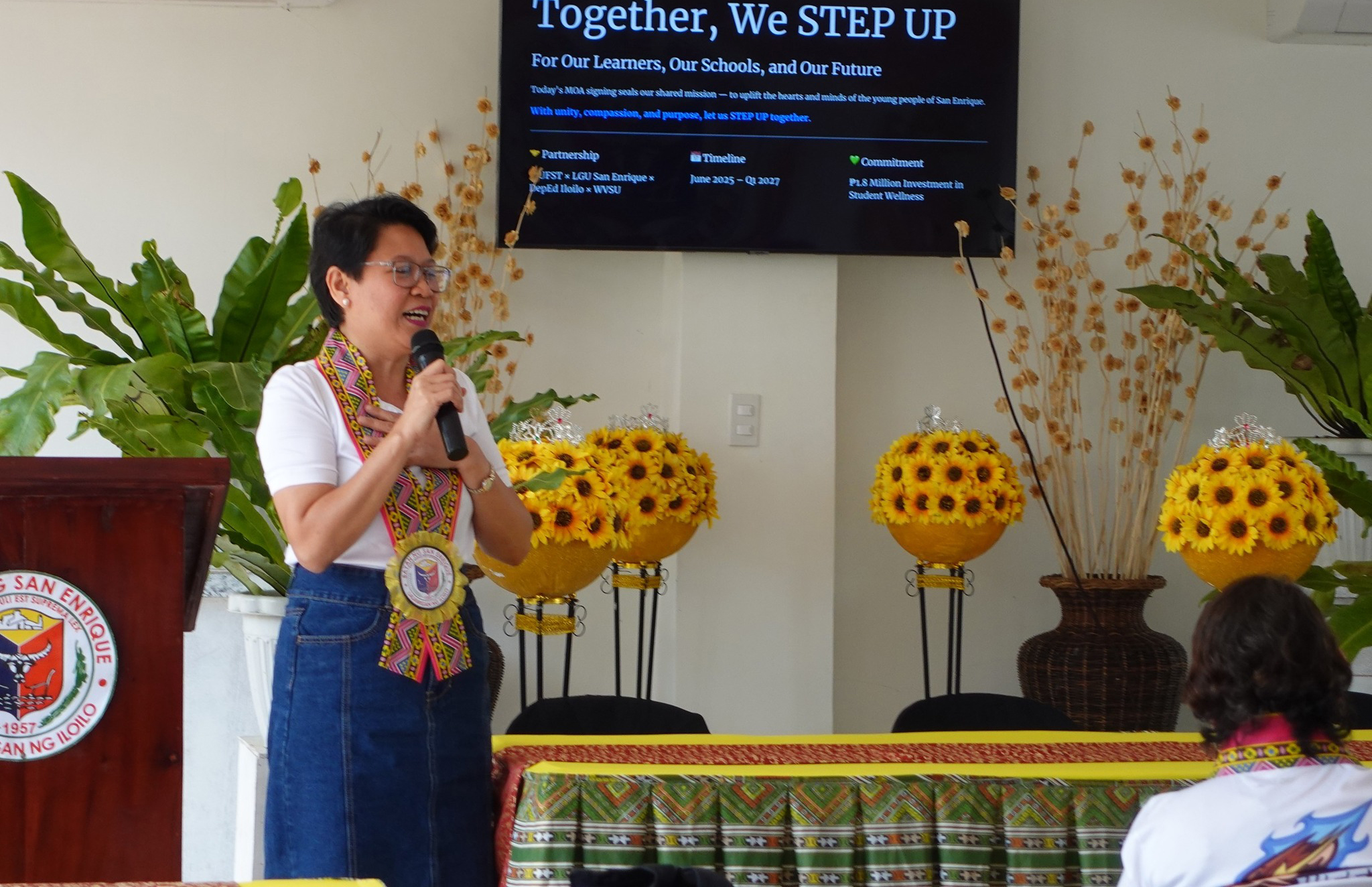
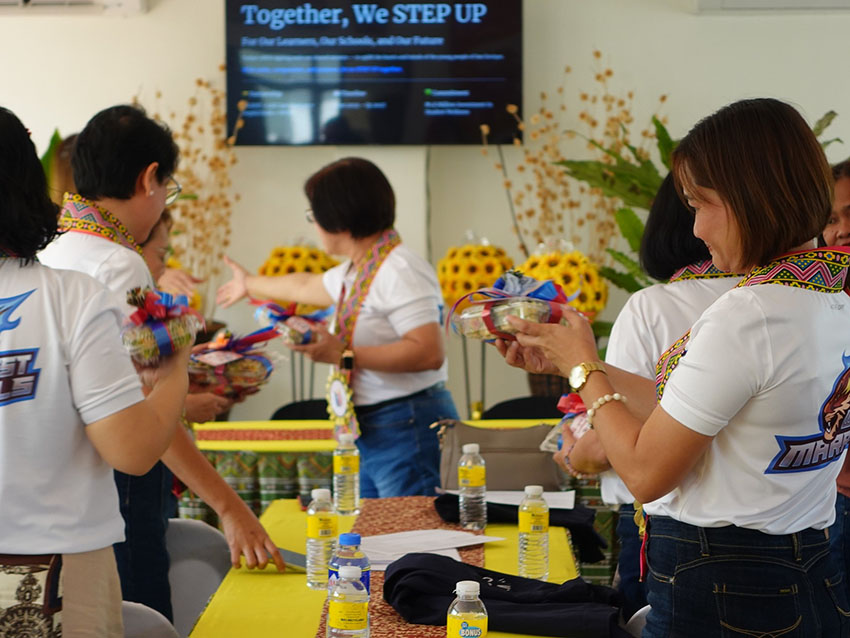
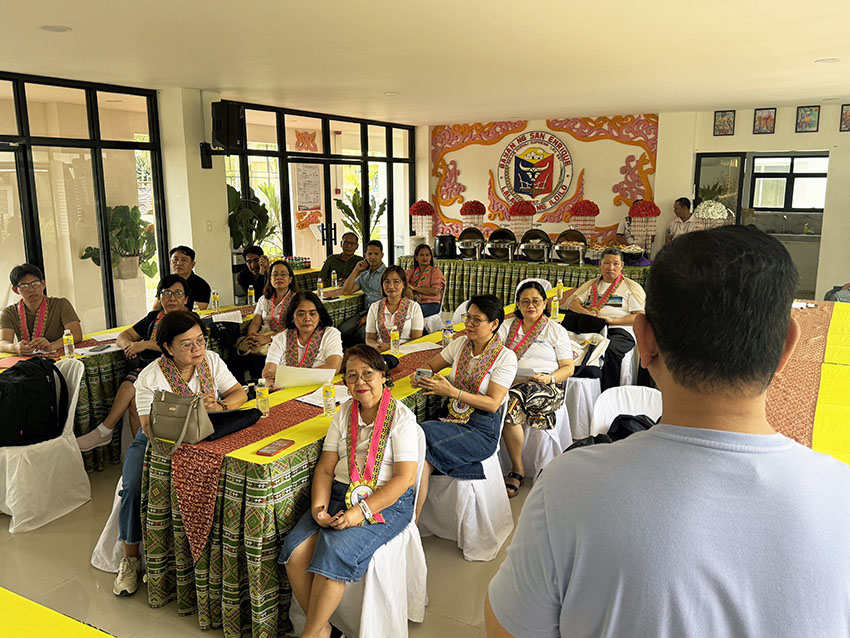
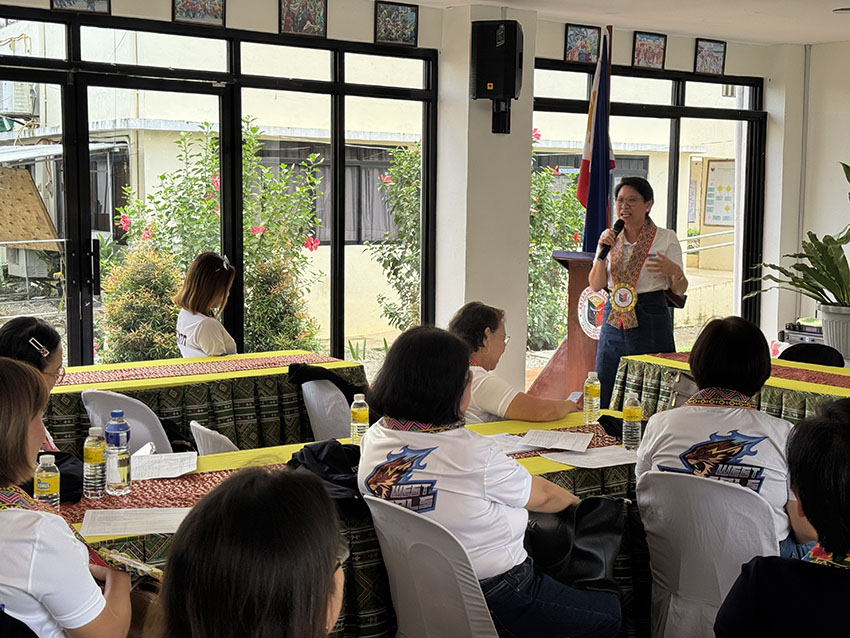
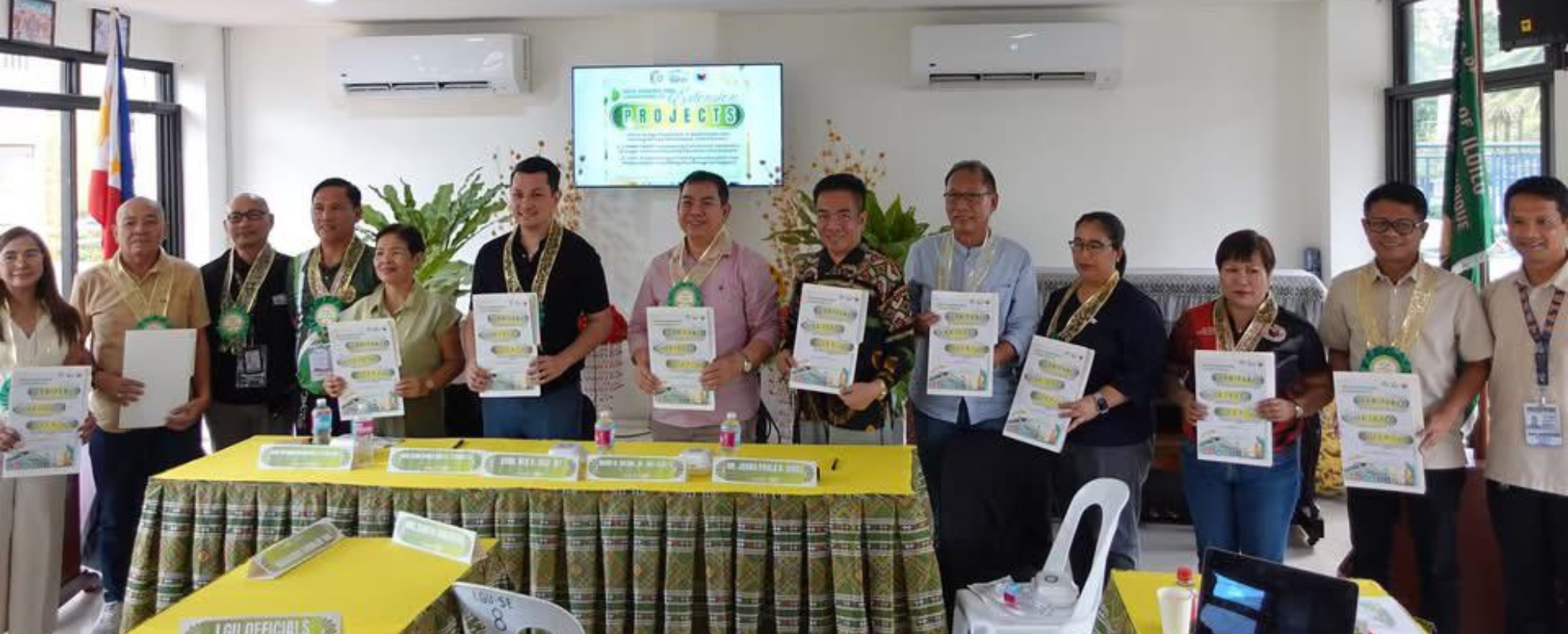
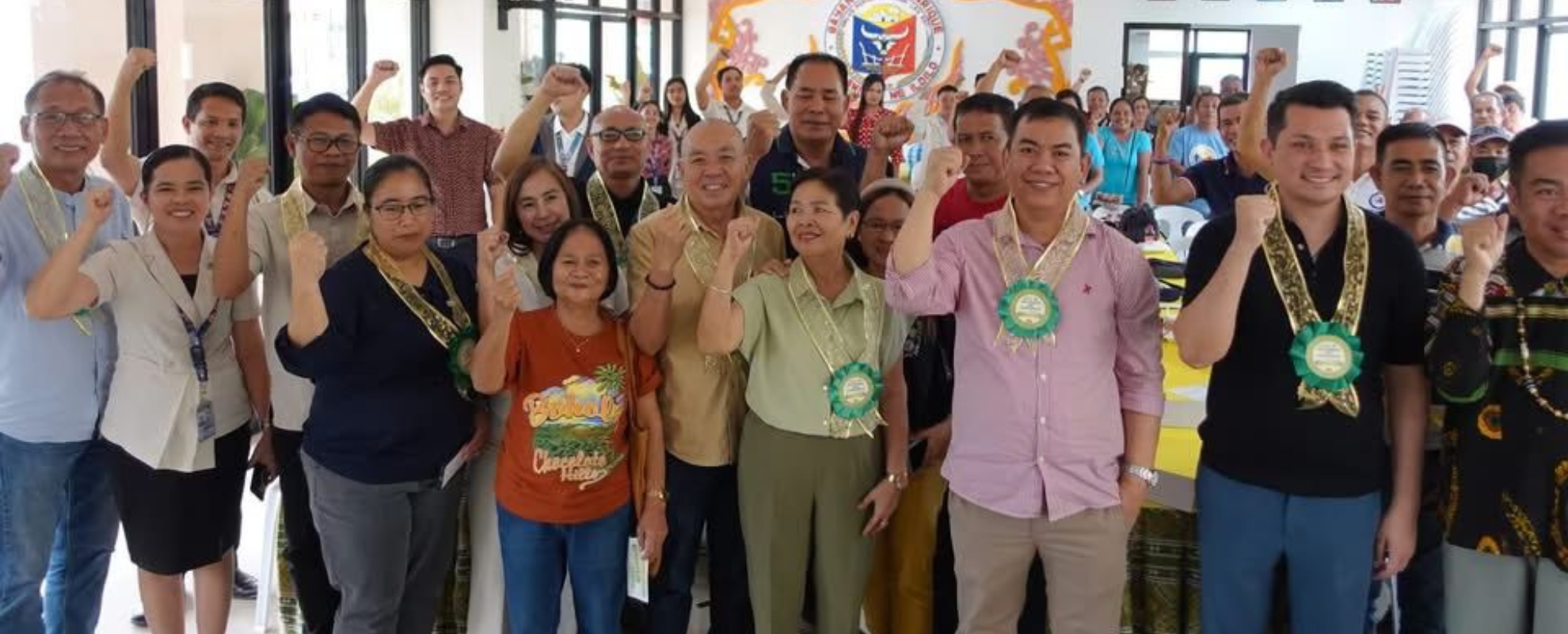
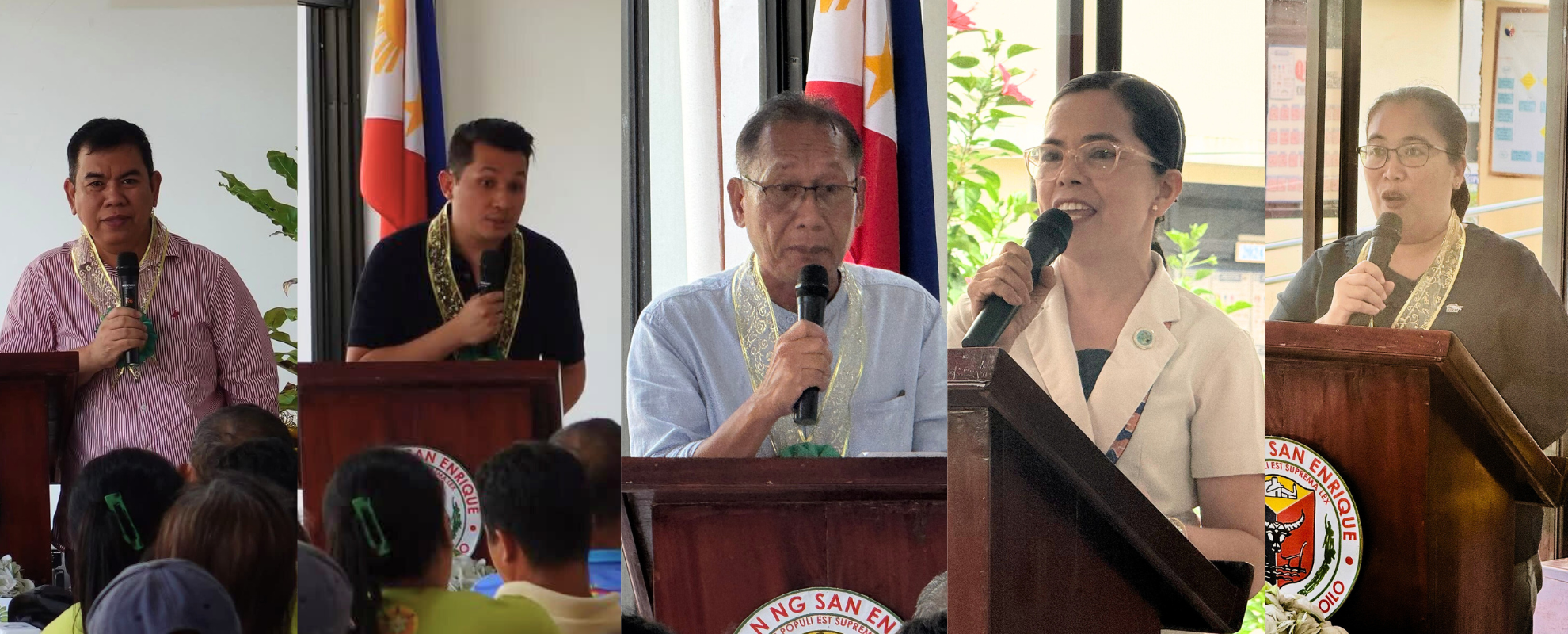
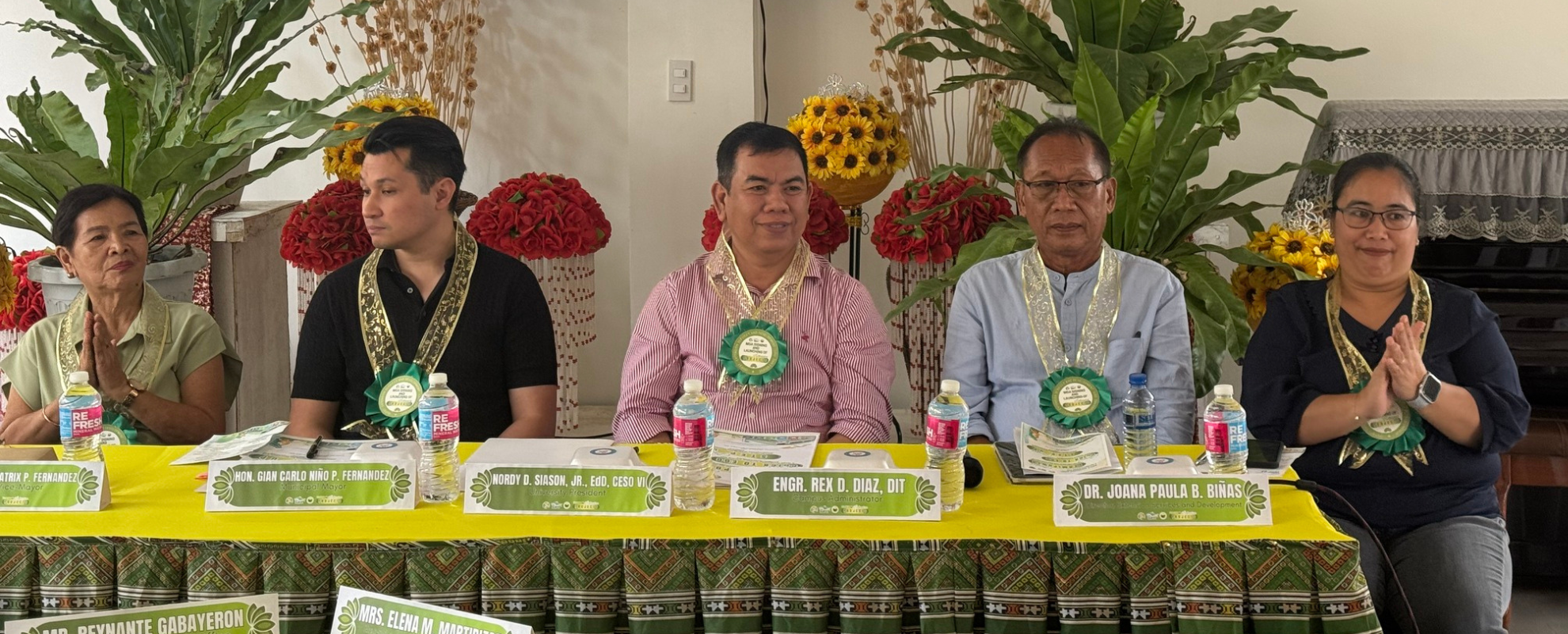
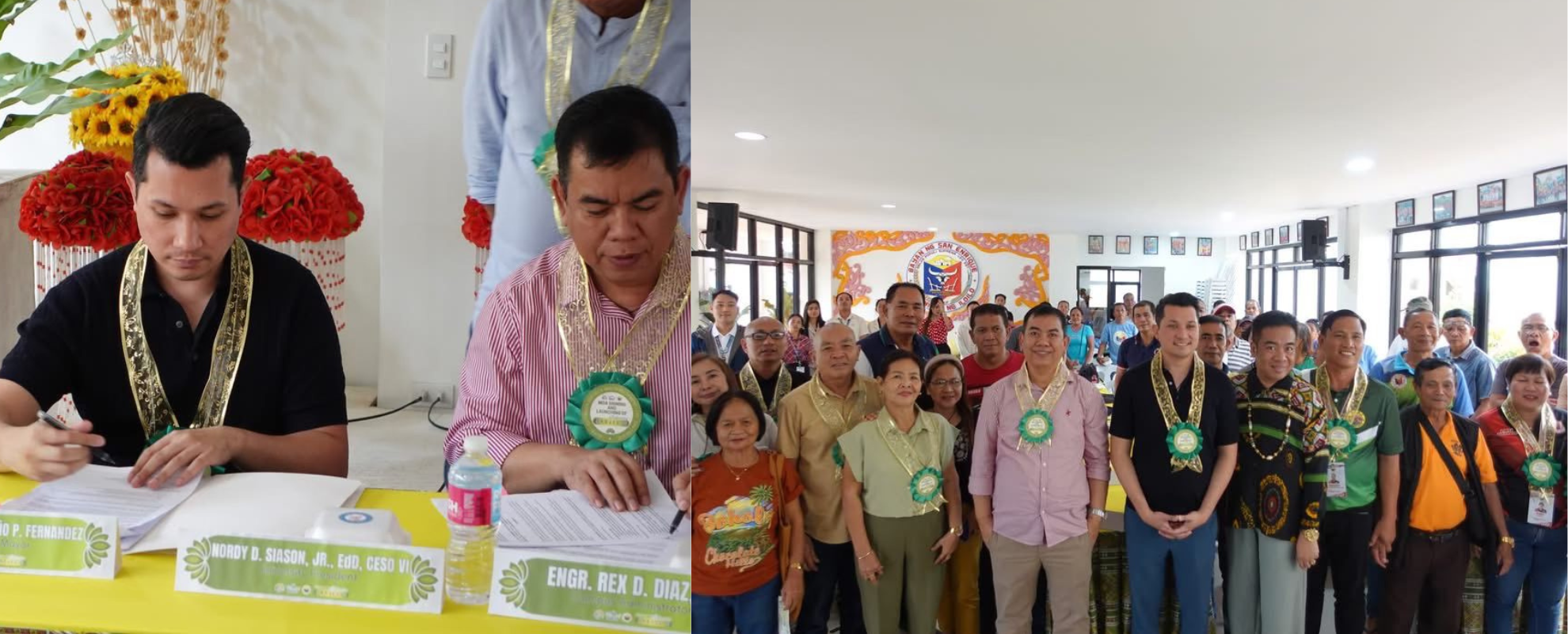
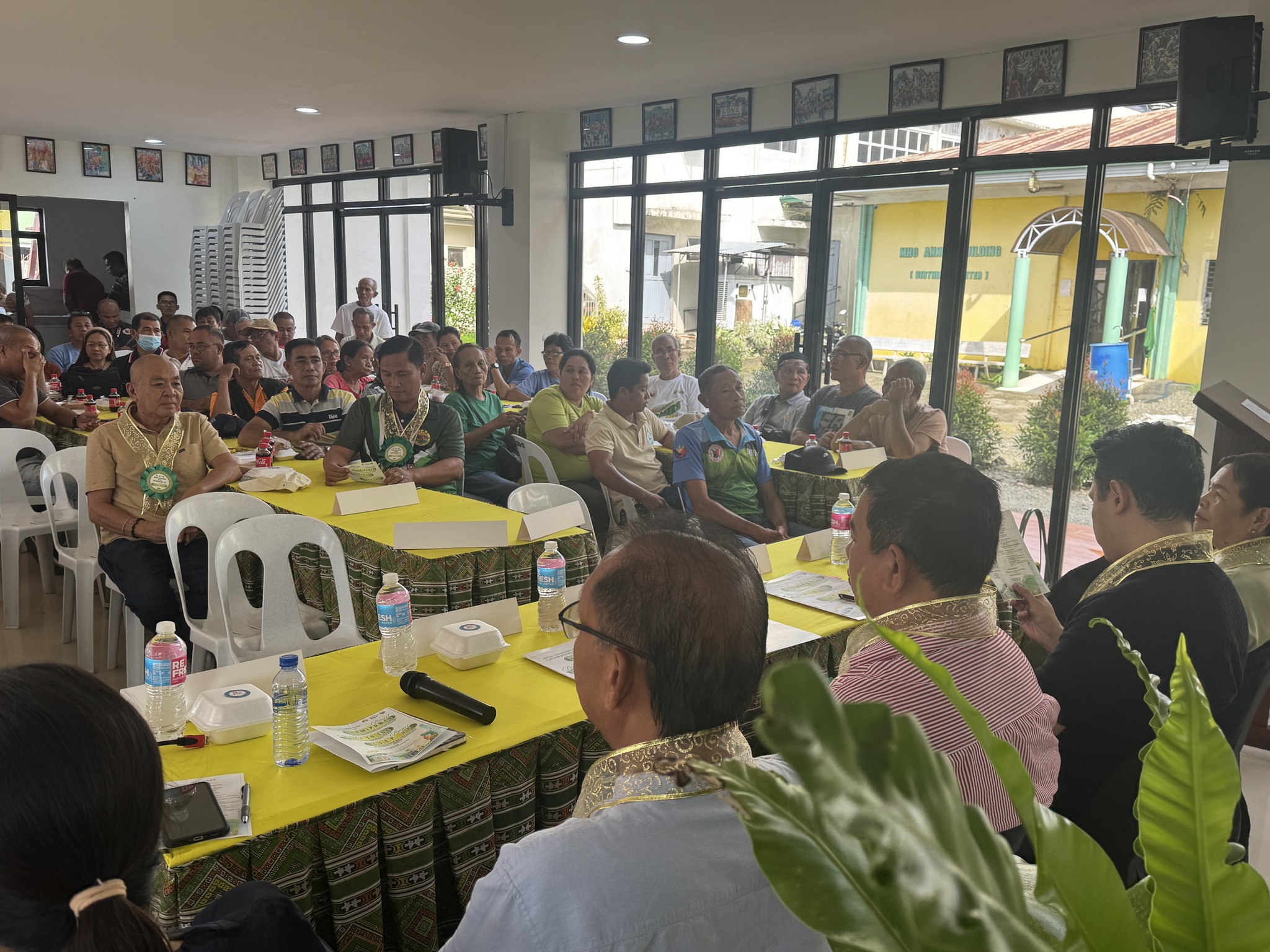
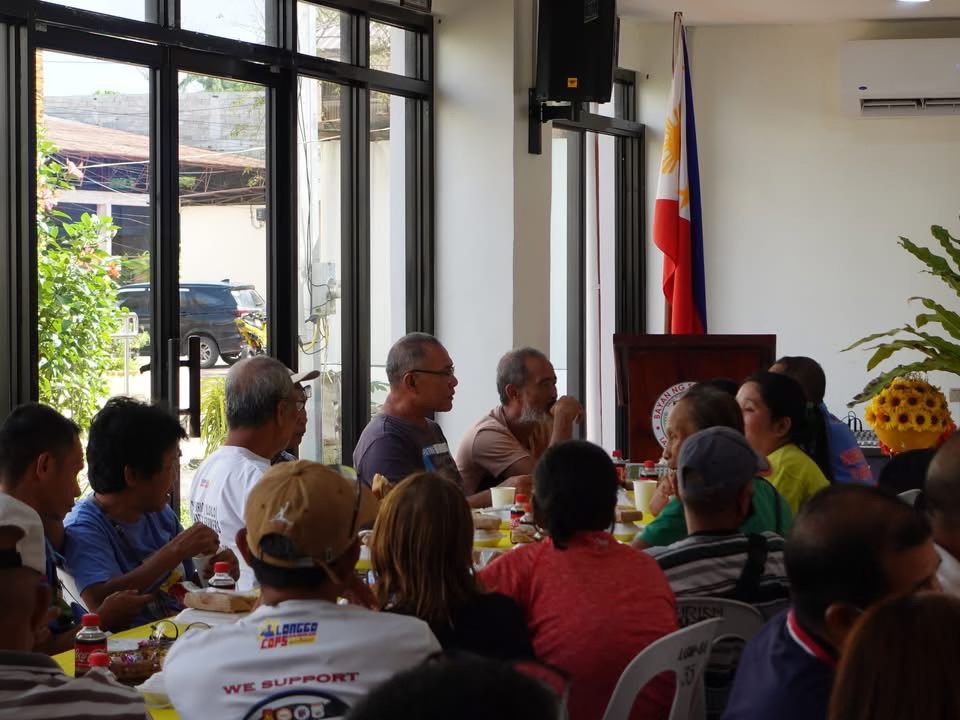
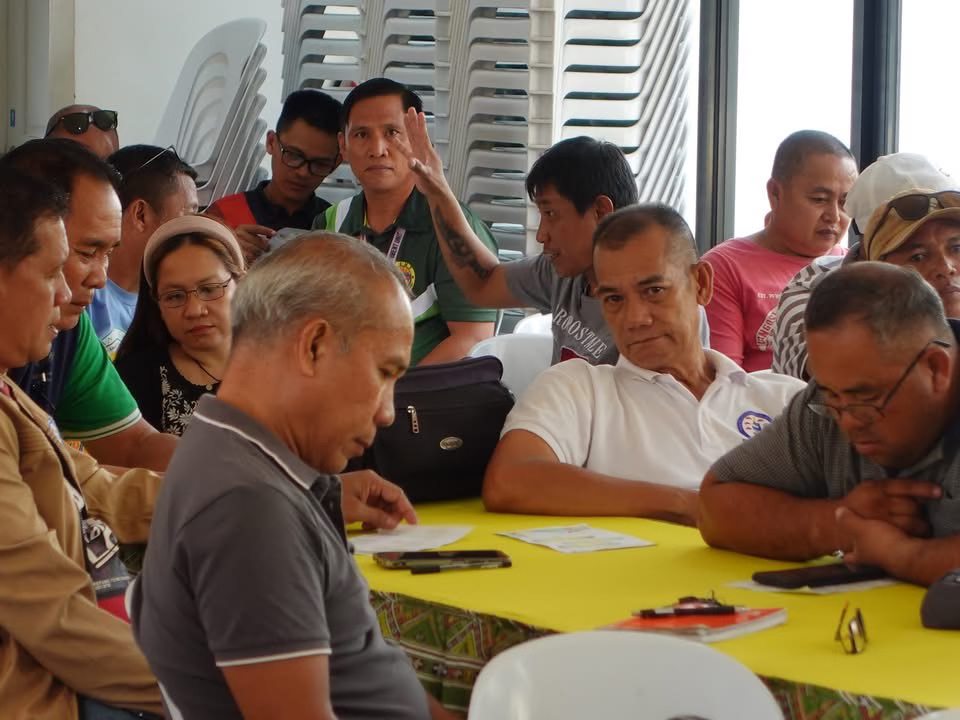
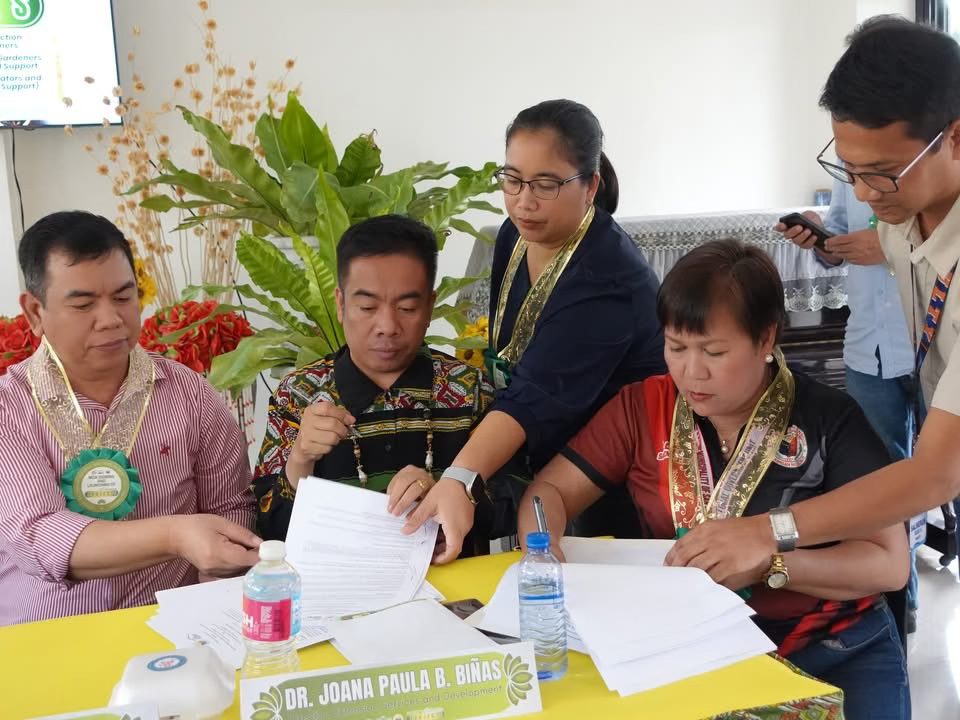
SAN ENRIQUE, ILOILO — A partnership between the Iloilo State University of Fisheries Science and Technology (ISUFST) and the Municipal Government of San Enrique officially launched three major initiatives—the Vermipower Project, Chick to Egg Project, and STEP UP Project—on Tuesday, October 14, 2025, at the Tourism Conference Hall in San Enrique, Iloilo. The collaboration, led by ISUFST President Dr. Nordy D. Siason Jr. and Mayor Gian Carlo Niño P. Fernandez, aims to strengthen local livelihoods, promote environmental sustainability, and enhance psychological wellness across the municipality.

The three projects—rooted in education, sustainability, and social responsibility—represent ISUFST’s mission to bring research-based solutions to communities in line with its guiding principles of integrity, social justice, discipline, and academic excellence.

The Vermipower Project, headed by Dr. Myrna P. Prudente, promotes organic waste management through vermicomposting education and technical support. It seeks to empower backyard and community gardeners by teaching sustainable composting practices that enrich soil and reduce household waste, aligning with the United Nations Sustainable Development Goal (SDG) 12: Responsible Consumption and Production.

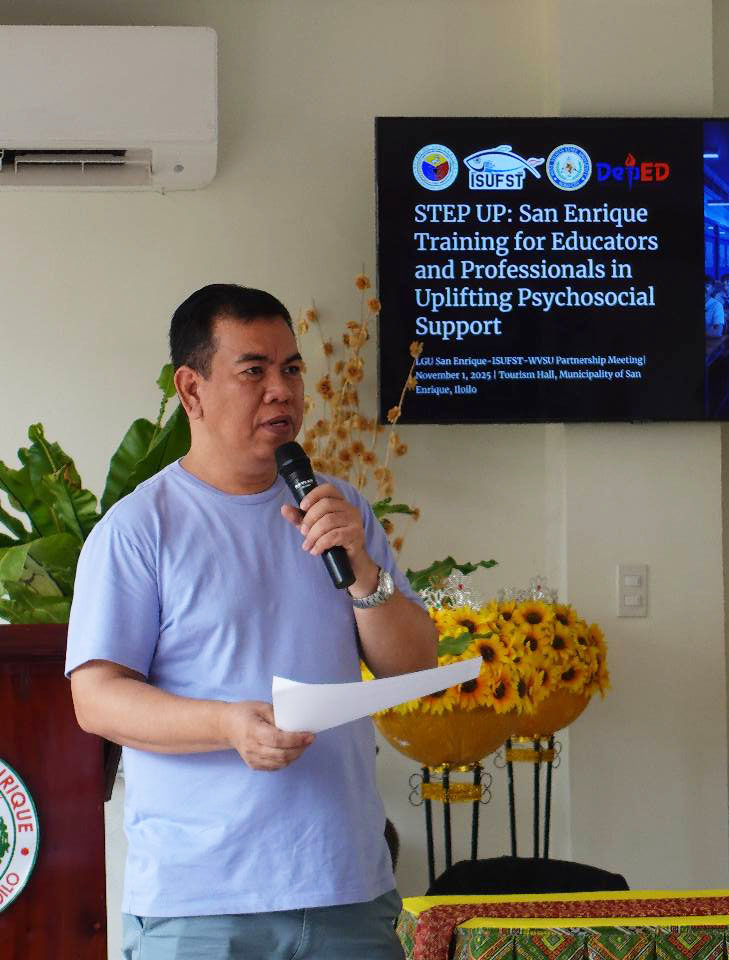
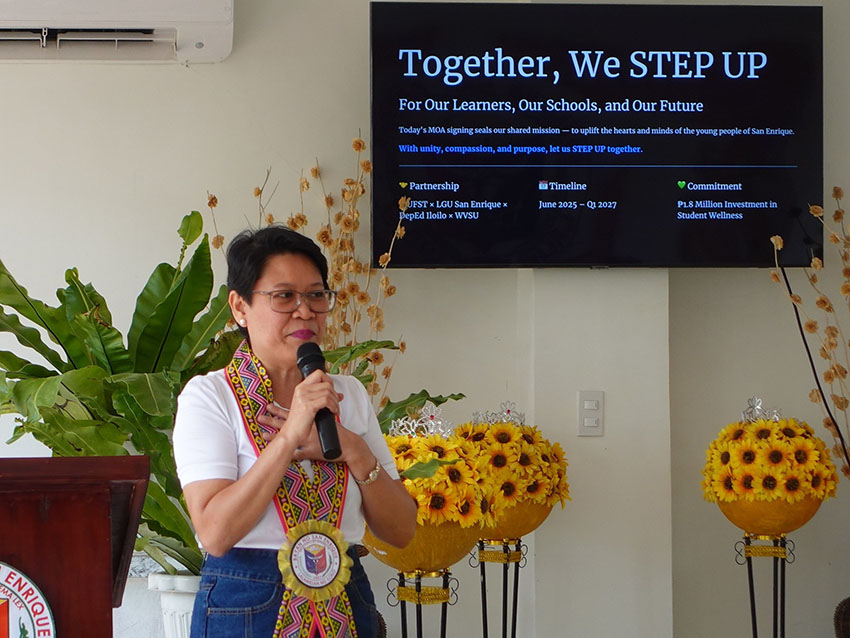
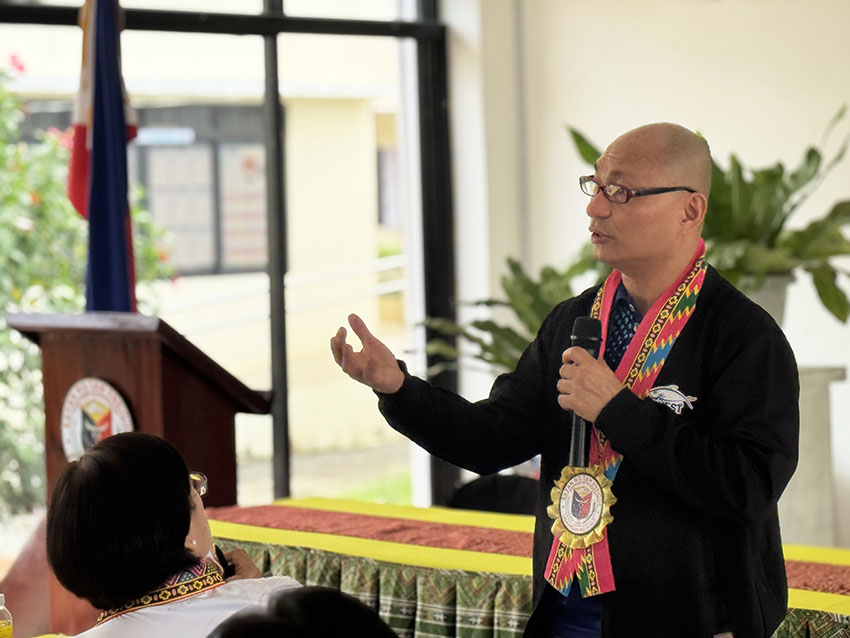
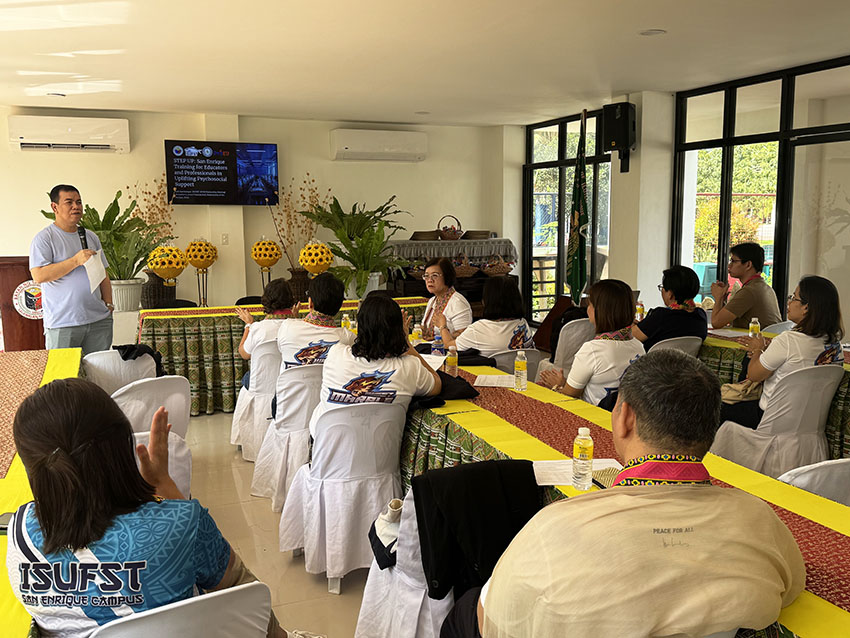
Meanwhile, the Chick to Egg Project, led by Instructor Rezeld P. Alarva, provides quail production training for farmers in San Enrique. The initiative aims to expand income-generating opportunities in the agricultural sector by integrating science-based methods in small-scale poultry production. It also contributes to SDG 2: Zero Hunger by supporting local food security and livelihood diversification. The third initiative, the STEP UP Project (San Enrique Training for Educators and Professionals in Uplifting Psychological Support), led by Dr. Herman M. Lagon, focuses on strengthening the mental health and psychosocial support capacities of teachers, guidance advocates, and community leaders. The two-year program provides training in counseling, stress management, and psychological first aid to enhance well-being in schools and communities, directly supporting SDG 3: Good Health and Well-Being and SDG 4: Quality Education. ISUFST President Dr. Siason emphasized that the partnership reflects the university’s continuing commitment to community development and local empowerment, expressing hope that the projects would later expand to other municipalities. Mayor Fernandez, for his part, underscored the importance of applying scientific approaches to farming and livelihood programs. He also noted that mental health advocacy is close to his heart, acknowledging that “everyone faces quiet battles,” and that having someone who listens “can make a big difference.”

Dr. Jose Patubo, San Enrique’s counterpart for the STEP UP Project, noted that the initiative will benefit all 21 elementary schools, one private school, and four national high schools in the municipality. He said the program, that also partners with DepEd and a team of mental health experts and advocates of WVSU College of Education, would concretely assist guidance designates, teachers, local health workers, and parents in supporting students’ mental and emotional well-being. The three projects signify ISUFST’s continuous mission to empower communities through education, innovation, and compassion—core values aligned with its vision to be a leading research university in fisheries, agriculture, education, and technology in Southeast Asia by 2030. (San Enrique Iloilo Tourism | Russel Yamit | PAMMCO) – collect sdgs

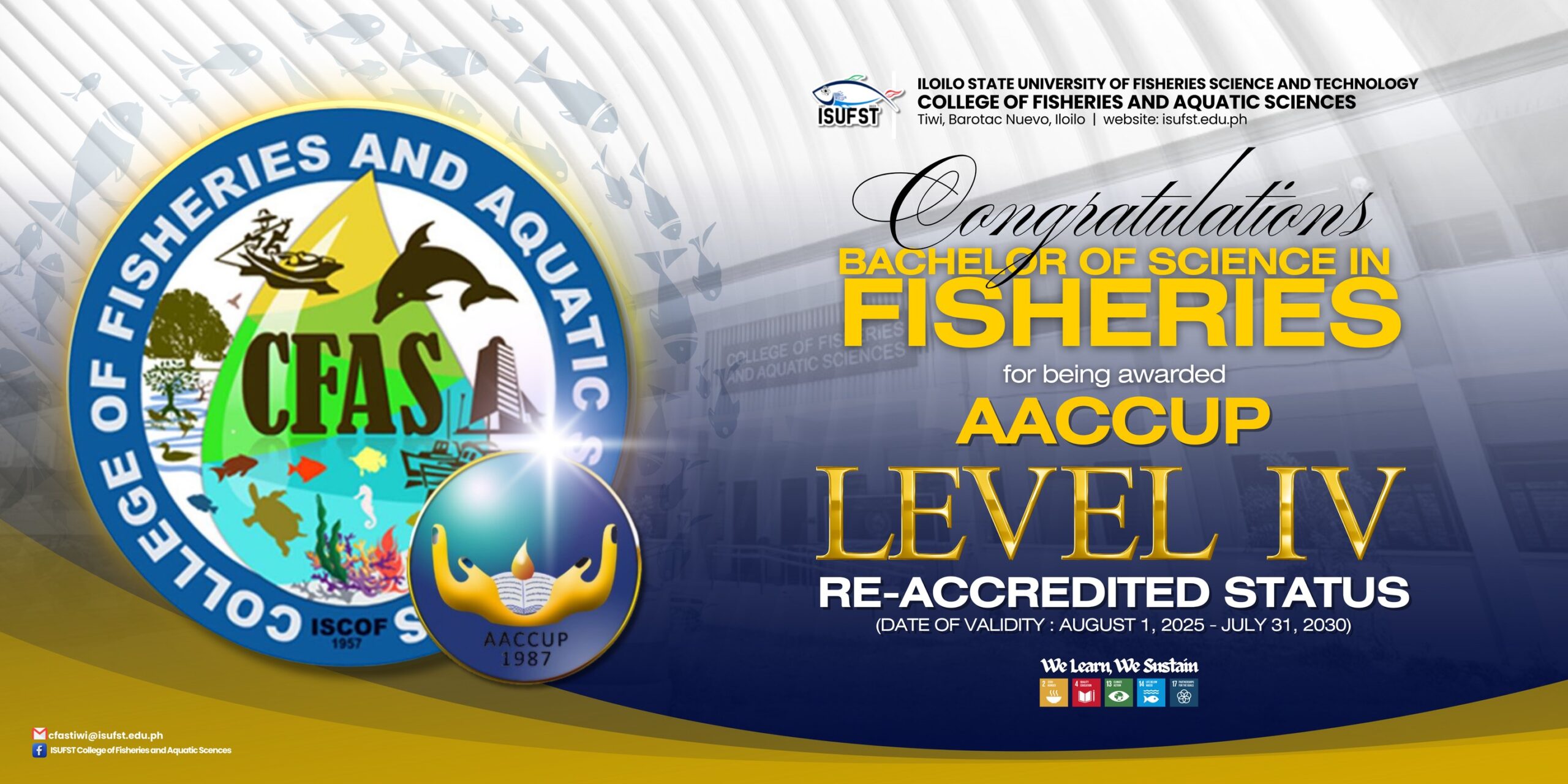
The Bachelor of Science in Fisheries (BSF) Program of the College of Fisheries and Aquatic Sciences (CFAS) has successfully earned 𝗟𝗲𝘃𝗲𝗹 𝗜𝗩 𝗥𝗲-𝗔𝗰𝗰𝗿𝗲𝗱𝗶𝘁𝗮𝘁𝗶𝗼𝗻 𝗳𝗿𝗼𝗺 𝘁𝗵𝗲 𝗔𝗰𝗰𝗿𝗲𝗱𝗶𝘁𝗶𝗻𝗴 𝗔𝗴𝗲𝗻𝗰𝘆 𝗼𝗳 𝗖𝗵𝗮𝗿𝘁𝗲𝗿𝗲𝗱 𝗖𝗼𝗹𝗹𝗲𝗴𝗲𝘀 𝗮𝗻𝗱 𝗨𝗻𝗶𝘃𝗲𝗿𝘀𝗶𝘁𝗶𝗲𝘀 𝗶𝗻 𝘁𝗵𝗲 𝗣𝗵𝗶𝗹𝗶𝗽𝗽𝗶𝗻𝗲𝘀 (𝗔𝗔𝗖𝗖𝗨𝗣), 𝗜𝗻𝗰., with an outstanding overall rating of 4.7 out of 5.0.
This achievement reflects the program’s unwavering commitment to the highest standards of academic excellence, research innovation, and community engagement, the hallmarks of a globally competitive fisheries institution. It also highlights the dedication of CFAS faculty, staff, students, and stakeholders in advancing quality education and sustainable practices in the field.
As CFAS continues its journey toward becoming a Center of Excellence in Fisheries, this milestone reinforces our collective commitment to quality assurance, innovation, and sustainability in fisheries and aquatic sciences.
Proudly, we uphold our mantra—
We Learn. We Sustain.
To more and beyond, CFAS!
(by JCB Salarza and CJC Villanueva

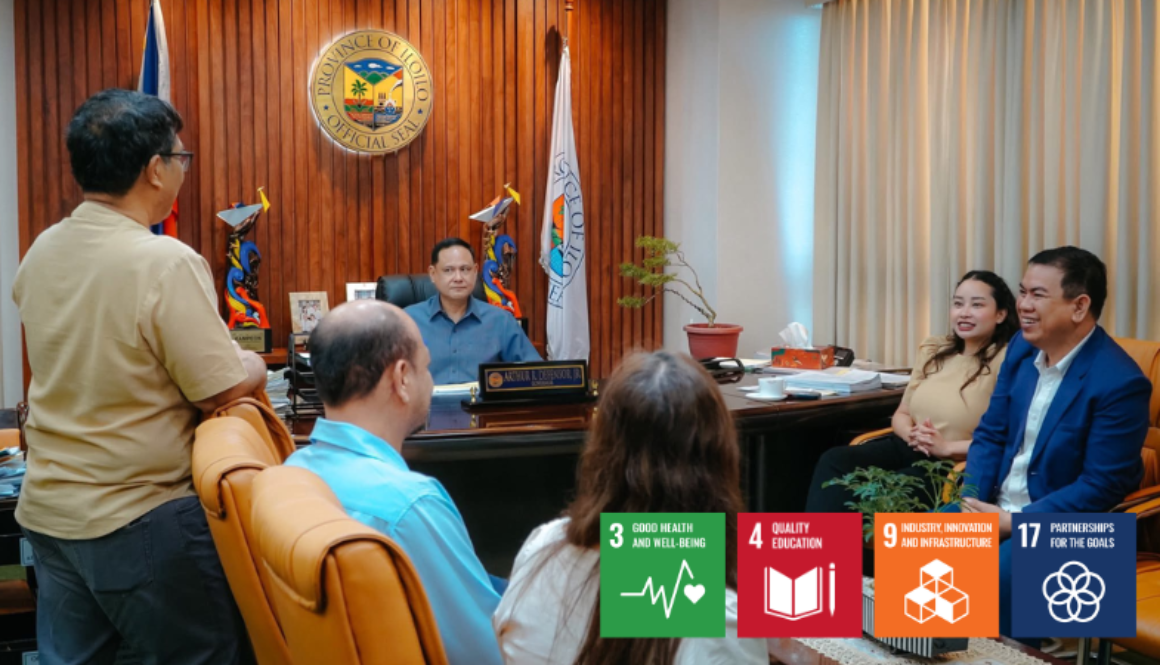
ISUFST leaders, led by President Dr. Nordy Siason Jr., met with Iloilo Gov. Arthur R. Defensor Jr. and Vice Governor Nathalie Ann F. Debuque at the Iloilo Provincial Capitol on October 6, 2025, to discuss expanding ISUFST’s Main Campus-Poblacion Site to establish a College of Nursing. Provincial Legal Officer Atty. Dennis Ventilacion provided guidance as the parties map out terms, timelines, and funding considerations to move the project toward formal approval. This expansion aims to create closer, better-equipped facilities for nursing education and other courses, benefiting students, families, and the broader healthcare community. (RJ Patosa/PAMMCO)


SIBALOM, ANTIQUE—The Iloilo State University of Fisheries Science and Technology (ISUFST) proudly brought home several awards from the 14th PASUC VI–Extension Managers’ Council (EMC) Regional Symposium and General Assembly, hosted by the University of Antique on September 30 to October 2, 2025.
Carrying the theme “Extension Beyond Boundaries: Strengthening Impact Through Innovation, Inclusion, and Integration,” the gathering brought together SUC leaders and extension workers across Western Visayas to highlight projects that touch lives beyond the campus.

At the forefront was Dr. Myrna P. Prudente, Dean of the College of Agriculture, who won Best Extension Paper in the Agri-Fishery, Food, and Environment category for her “Good Agricultural Practices Extension Project (GAPSEP).” “Our farmers need not only knowledge but also tools they can apply immediately in their fields. This project is about making science real and useful in their daily lives,” Prudente said.

Dr. Pia P. Paz, Dean of the College of Management, was named Best Presenter for her “Health Education and Livelihood Program for Indigenous People.” She described extension work as empowerment, adding, “Programs like these are proof that extension work is not just service—it is empowerment.”

Dr. Donabelle D. Mongao of the Dumangas Campus also shone, winning Best Paper Presenter and Second Place Extension Paper for her study on “Revisiting the Marketability of Dumangas District Jail’s Bangus Kropek.” “Even in the most unexpected places, entrepreneurship can bring dignity and hope,” Mongao shared.

Rounding off ISUFST’s victories was Dr. John Vincent Manalo of Barotac Nuevo, who placed Second in the Entrepreneurship and Circular Economy category for his work on community-based business models.

The ISUFST team was led by Dr. Joana Paula B. Biñas of the Office of Extension Services and Development, and included representatives from Tiwi, Barotac Nuevo, Dingle, Dumangas, and San Enrique campuses. Biñas credited the collective win to teamwork and the strong support of ISUFST President Dr. Nordy D. Siason Jr., VPAA Dr. Joan M. Belga, and VPAD Dr. Johnny B. Dolor.
The event highlighted how state universities are advancing the UN Sustainable Development Goals, particularly Zero Hunger (SDG 2), Good Health and Well-being (SDG 3), and Decent Work and Economic Growth (SDG 8). For ISUFST, the wins reaffirm its mission to deliver research and extension programs that uplift communities and build resilience. (Ian Galupar/Herman Lagon/PAMMCO)
#isufstisdafirst #isufstcommunity #isufst #pammcostoriesthatmatter

An ISUFST undergraduate and a faculty member earned Best Research Presenter honors at the 4th International Conference on Biodiversity and Climate Change (IConBaCC 2025), held September 25–26 at Misamis University in a hybrid format. Their achievements advanced work aligned with the conference theme, “Sustainable Peace with Nature: A Global Commitment towards Net Zero.”
Arlene May A. Linacero (BS Fisheries III) was cited onsite in the Environmental Impacts and Climate Change category for her study, “Pathogenicity of Outbreak-Derived Aeromonas hydrophila on Nile Tilapia (Oreochromis niloticus) through Immersion Challenge.” She was advised by Prof. Jason O. Albances and accompanied by Dr. John Christian B. Salarza. Her research supports healthier aquaculture systems—vital to food security and directly aligned with SDG 14 (Life Below Water) and SDG 13 (Climate Action).

Assistant Professor II Rico Ian D. To-ong, who presented virtually, earned Best Presenter honors in the Political Responses category for his study, “Value Chain Analysis of the Invasive Fish Sarotherodon melanotheron in the 4th District of Iloilo, Philippines.” His work provides policy- and market-oriented insights on managing invasive species, directly connecting to SDG 12 (Responsible Consumption and Production) and SDG 14 (Life Below Water).
IConBaCC is a biennial platform hosted by Misamis University in collaboration with regional and international partners. It brings together researchers, practitioners, students, and stakeholders to share solutions on biodiversity and climate challenges. Accepted papers may also be considered for publication in the Journal of Multidisciplinary Studies (JMDS).
The recognitions reflect ISUFST’s outcomes-focused training and partnerships consistent with SDG 17 (Partnerships for the Goals), SDG 14 (Life Below Water), and the university’s commitment to quality education and community impact.
Established in 1957, the Iloilo State University of Fisheries Science and Technology (ISUFST) is the country’s first and only fisheries university. With five campuses, it offers programs in fisheries, marine biology, education, management, industrial technology, agriculture, information technology, and office administration. The university is ISO 9001:2015–certified, AACCUP-accredited since 1998, a multi-awardee of CHED, and a debut entrant in the 2024 Times Higher Education Impact Rankings, cited across five SDGs.
(John Christian B. Salarza and Herman Lagon / PAMMCO)
#isufstisdafirst #isufstcommunity #isufst #pammcostoriesthatmatter



The Iloilo State University of Fisheries Science and Technology (ISUFST) received the Fisheries Scholarship Program (FSP) Advocate Award from the Bureau of Fisheries and Aquatic Resources (BFAR) today, September 19, 2025, at the Luxent Hotel in Quezon City, in recognition of its commitment to fisheries education and consistent support for BFAR’s scholarship initiatives.
The award, given under the Best State Universities and Colleges Category, highlights ISUFST’s “unwavering support, active collaboration, and remarkable commitment” to the FSP, which aims to nurture competent fisheries professionals across the country. It was presented in time for the 52nd Fish Conservation Week, a national event which ISUFST CFAS primarily celebrates, that underscores the importance of protecting the country’s aquatic resources
The certificate of recognition was signed by BFAR National Director Elizer Salilig, a Master of Fisheries Technology alumnus of ISUFST. Representing ISUFST at the awarding were Vice President for Academic Affairs Dr. Joan Belga and College of Fisheries and Aquatic Sciences Dean Rolindo Demo-os, Jr.

Belga said the recognition affirms ISUFST’s mandate as the country’s premier fisheries university. “This award mirrors our shared dedication to producing graduates who are not only skilled but also socially responsible stewards of our marine and aquatic resources,” Belga stated.
Demo-os, for his part, underscored the collaborative efforts of faculty, students, and partner agencies in making ISUFST a consistent ally of BFAR’s scholarship program. “Our success is rooted in the passion of our faculty, the determination of our scholars, and the trust of BFAR in our institution. This recognition inspires us to strengthen our programs even further,” Demo-os remarked.
The award rites formed part of the 52nd Fish Conservation Week, themed Gawad Parangal sa mga Kabalikat ng Pangisdaan at Yamang-Tubig. The program included keynote addresses by Department of Agriculture Undersecretary for Fisheries Drusila Esther Bayate and Agriculture Secretary Francisco Tiu Laurel, Jr., who both lauded SUCs for their role in advancing fisheries education and conservation.
ISUFST officials were joined by BFAR Regional Director Remia Aparri and several alumni now serving as division heads at BFAR’s central office. Students and retired faculty of ISUFST also attended the event, underscoring the university’s strong alumni and community ties.

The recognition affirms ISUFST’s alignment with its vision of academic excellence and its commitment to the United Nations Sustainable Development Goals, particularly SDG 4 (Quality Education) and SDG 14 (Life Below Water).
Since 1957, ISUFST has been the Philippines’ only fisheries university. Recognized for nine years as a Center of Development in Fisheries and ISO 9001:2015-certified, it now serves 8,500 students in five campuses and continues to train skilled graduates in fisheries, marine sciences, agriculture, management, technology, and education. (Herman Lagon/PAMMCO)

The College of Education (CoEd) of the Iloilo State University of Fisheries Science and Technology (ISUFST) Main Campus launched its first-ever Research Symposium this Wednesday, September 17, 2025, at the Hasá Hasá Theatre and Library AVR, Main Campus–Tiwi Site, Barotac Nuevo, Iloilo, gathering 280 senior education students and their professors to strengthen competencies in data gathering and research practices.
The day-long activity featured simultaneous sessions on quantitative and qualitative research led by faculty experts and invited resource speakers. In the quantitative track named after statistician Ronald Fisher, Dr. Ramir Torreces opened with a discussion on preparing valid, reliable, and quality research instruments and materials. He was followed by Dr. Ronilo Aponte, who underscored the importance of conducting ethical and inclusive quantitative studies, and Dr. Jeena Torred, who guided students in choosing appropriate statistical tools to ensure meaningful results. The sessions emphasized rigor in design, ethics, and analysis, equipping participants with practical approaches to improve their thesis work.
Meanwhile, in the qualitative track under Norman Denzin’s banner, Prof. Christine Deocampo and Dr. Rex Paulino shared strategies in pro-actively and efficiently preparing for the conduct of their study, while CoEd Dean Matthew Lasap highlighted effective fieldwork and tips for conducting ethical and inclusive studies in diverse contexts. Prof. Bonifacio Zamora Jr. concluded with insights on collating, organizing, and preparing qualitative data for analysis. Together, the sessions drew attention to the “garbage in, garbage out” principle, stressing that quality input data is essential for producing valuable research outcomes.
Vice President for Academic Affairs Dr. Joan M. Belga graced the program, emphasizing the administration’s commitment to mentoring student researchers. “Research is not just compliance. It is our way of shaping educators who can think critically and respond meaningfully to community needs,” Belga said during her remarks.
Dean Lasap, prime mover of the initiative, said the symposium was born out of a concern that many students were engaging in qualitative studies without sufficient preparation. “We wanted to make sure our students are not only guided by their advisers but also equipped as a college with one mind and one heart toward research,” Lasap said.
Lasap added that the activity also sought to foster a common language among faculty and students in approaching data collection and analysis. He noted that collaboration and shared understanding were vital in enhancing student learning experiences.

Program Highlights
The symposium was divided into two parallel tracks, named after scholars Ronald Fisher and Norman Denzin, covering both quantitative and qualitative research. Sessions tackled instrument validation, ethical considerations, statistical tool selection, and effective fieldwork techniques. Workshop tasks allowed participants to apply principles directly to their ongoing theses.
The symposium was designed as the first part of a two-phase activity, with the second phase on data analysis targeted at the end of the year. For now, students are scheduled to conduct their research from September to October, with final defenses set for the first week of December.
The event also addressed concerns on research formatting and stylistic issues in thesis writing. Dr. Armando Katalbas was tasked to discuss proper template use and clarify stylistic elements to ensure uniformity across submissions.
Belga, who personally visited both session venues, commended the college’s effort to align with ISUFST’s vision of fostering innovation and quality education. “By guiding our students at this stage, we are also advancing the university’s thrusts under the Sustainable Development Goals, particularly SDG 4 on Quality Education,” she said.
The symposium forms part of ISUFST’s broader strategy to cultivate a stronger research culture across its five campuses. As the country’s first and only fisheries university, ISUFST has earned recognition for excellence in teaching, extension, and research, including recent awards from the Commission on Higher Education (CHED) and a debut in the 2024 Times Higher Education Impact Rankings for SDG achievements. (Arniel Clarite, Herman Lagon, Edeline Joy Brito/PAMMCO)
#isufstisdafirst #isufstcommunity #isufst #pammcostoriesthatmatter
Iloilo State University of Fisheries Science and Technology (ISUFST) researcher Instructor Jessa Alico and her team secured Second Place in the Regional Science, Technology, and Innovation Week (RSTW) Pitching Session 2025 held yesterday, September 10, at Robinsons Roxas, Capiz, with their innovation Auto-OMP (Automated Oyster Mushroom Production).
The award-winning research, developed by ISUFST’s College of Agriculture in partnership with the College of Computer Studies, was led and presented by Instr. Alico with co-researchers Instr. Rezeld Alarva, Instr. Dave Allan Tagacay, and Engr. Katherine Padilla. The team is developing an automated system that takes the fuss out of mushroom farming so communities and agri firms can raise yields, reduce losses, and grow income in a sustainable way. It hopes to respond to what farmers face on the ground and to the push for resilient, inclusive, sustainable practices.

“Our technology was inspired by a reverse pitching event where I realized automation could help solve major challenges in mushroom production,” Alico said, adding, “After the event, I collaborated with IT colleagues to bring the idea to life. It wasn’t easy, but we pushed through because we believe this tech can greatly benefit both the community and education.” Armed with the hope to serve not just agricultural students but also the wider community, she intimated that the team’s next steps are “to protect the technology and conduct thorough testing, with the hope that by 2029, farmers can already begin using it.”

Organized through RAISE Tech Ventures 2025, the pitching event gathered 14 universities alongside government agencies across Region VI. It culminated in the presentation of research innovations after a series of capacity-building sessions hosted at the University of the Philippines Visayas–Miagao, University of Antique, Iloilo Science and Technology University, and Capiz State University.
Central Philippine University (CPU) placed first, while Northern Iloilo State University (NISU) placed third. Certificates and cash prizes celebrated their research-powered solutions and the teams behind them.
As DOST Region VI puts it, RSTW 2025’s theme—“Siyensya, Teknolohiya at Inobasyon: Kabalikat sa Matatag, Maginhawa at Panatag na Kinabukasan”—shows how science can lift neighborhoods now and make them more resilient for the future. “Events like this connect innovation to adoption, and adoption to economic growth,” said DOST-VI Regional Director and member of the Board of Regents of ISUFST, Engr. Rowen Gelonga.
Auto-OMP advances UN goals where it counts: food security under SDG 2, agripreneurship and jobs under SDG 8, and sustainable production under SDG 12. ISUFST, the country’s only state fisheries university, is steadily building SDG-aligned work into classes, labs, and outreach—part of its roadmap to be a top Southeast Asian research university by 2030.
The achievement of Alico and her team join a string of ISUFST honors in research, global linkages, and community programs, strengthening its promise to deliver solutions that help small businesses and barangays thrive. (Photo credit is given to COAG ISUFST San Enrique/Herman Lagon/PAMMCO)
#isufstisdafirst #isufstcommunity #isufst #pammcostoriesthatmatter