International Affairs
ISUFST Showcases 16 Scientific and Creative Works on Small-Scale Fisheries at National Symposium in Marawi
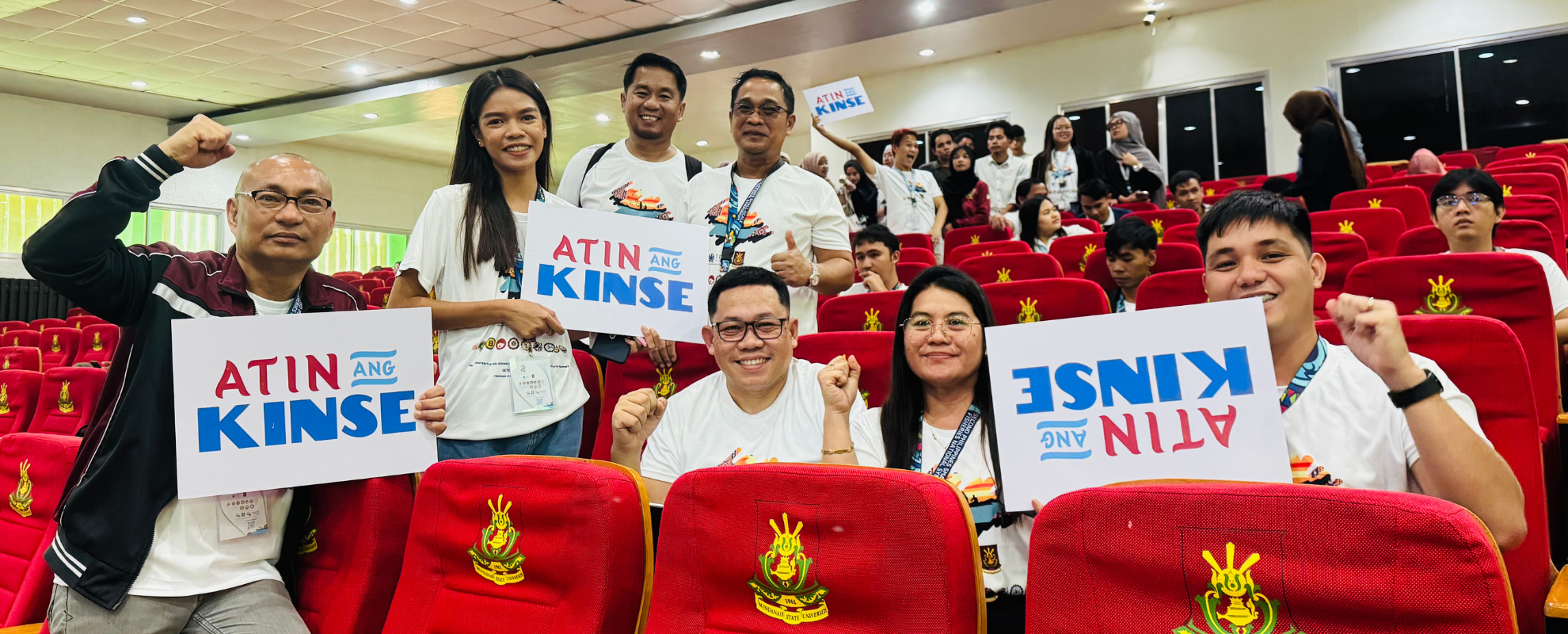
MARAWI CITY — As the Philippines pushes for stronger protection of its small-scale fishers through the “Atin ang Kinse Kilometro” bill, faculty and students from the Iloilo State University of Fisheries Science and Technology (ISUFST) joined hundreds of advocates in Mindanao to turn research into resolve.
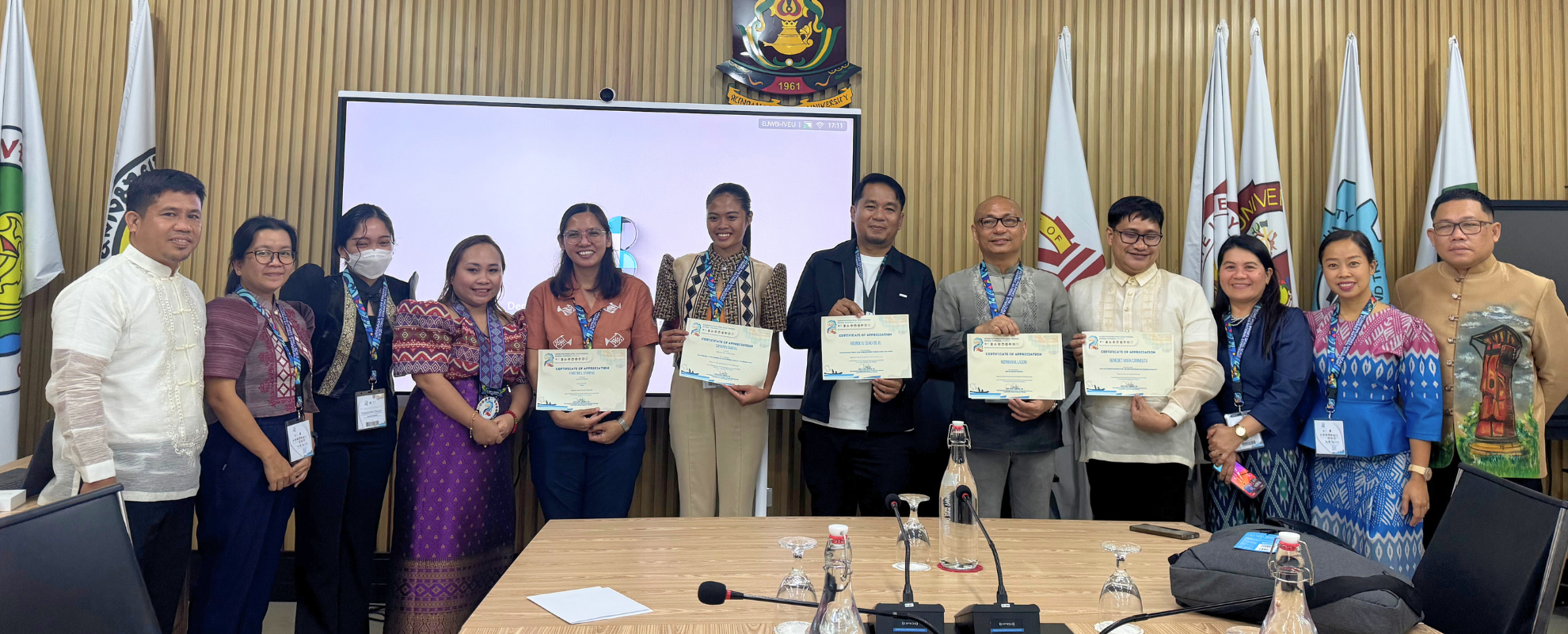
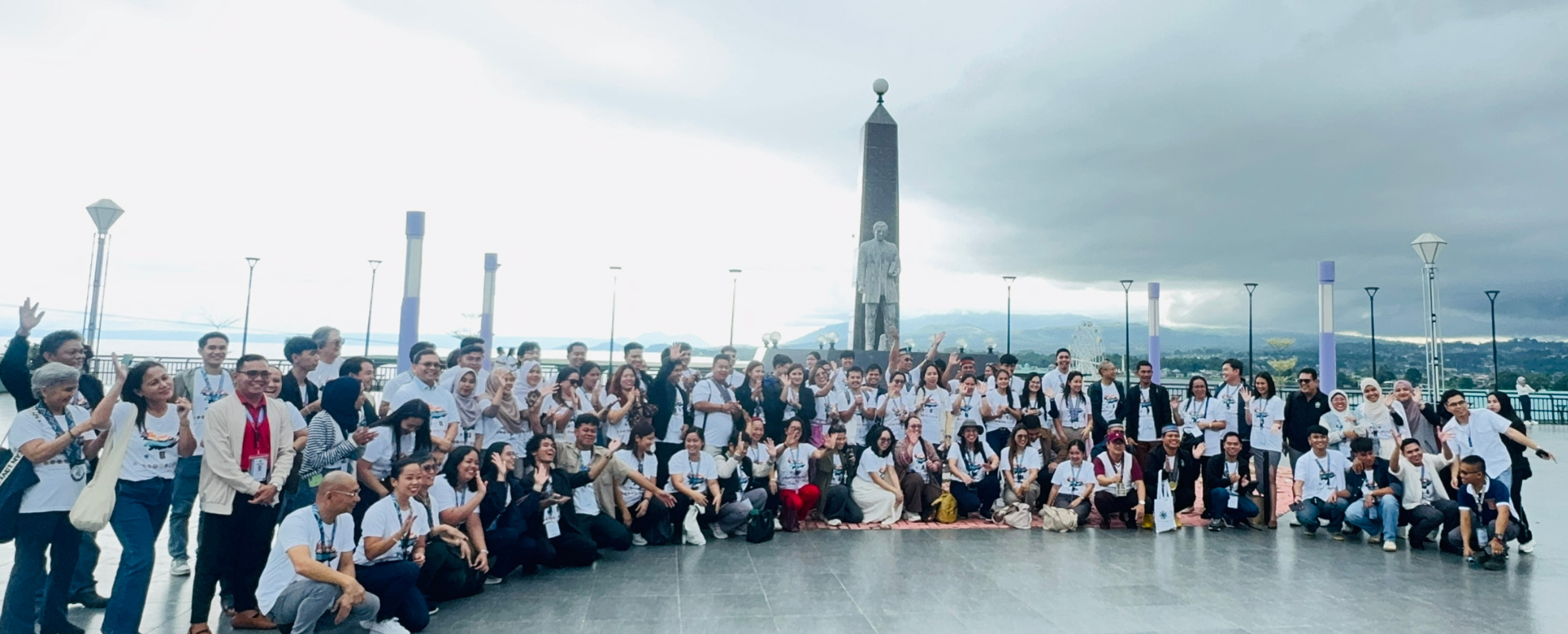
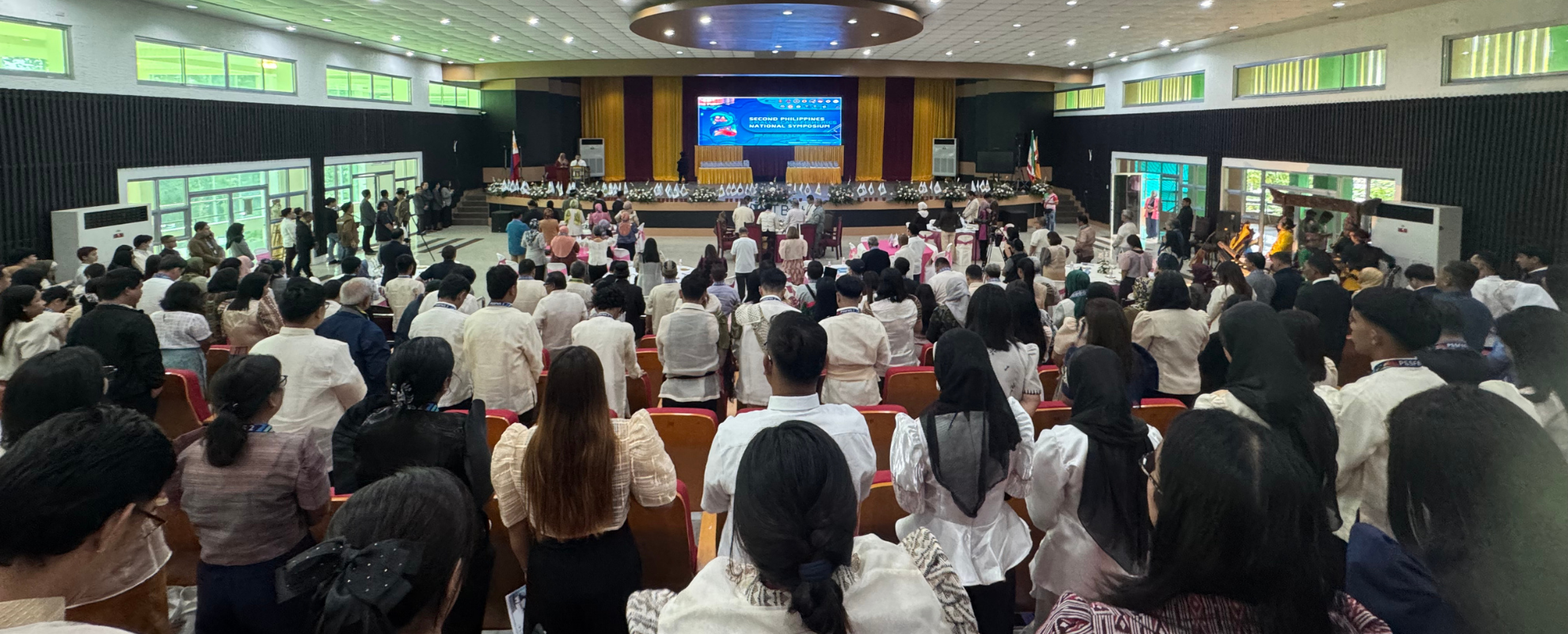
Eight ISUFST delegates—seven faculty members and one fisheries student—presented 16 research and creative works at the Second Philippine Small-Scale Fisheries National Symposium (PSSFNS2) held on October 21–23, 2025, at the Mindanao State University (MSU)–Main Campus in Marawi City. The works, blending science, storytelling, and song, championed sustainability and inclusivity in the country’s small-scale fisheries (SSF) sector.
“Too Big To Ignore”
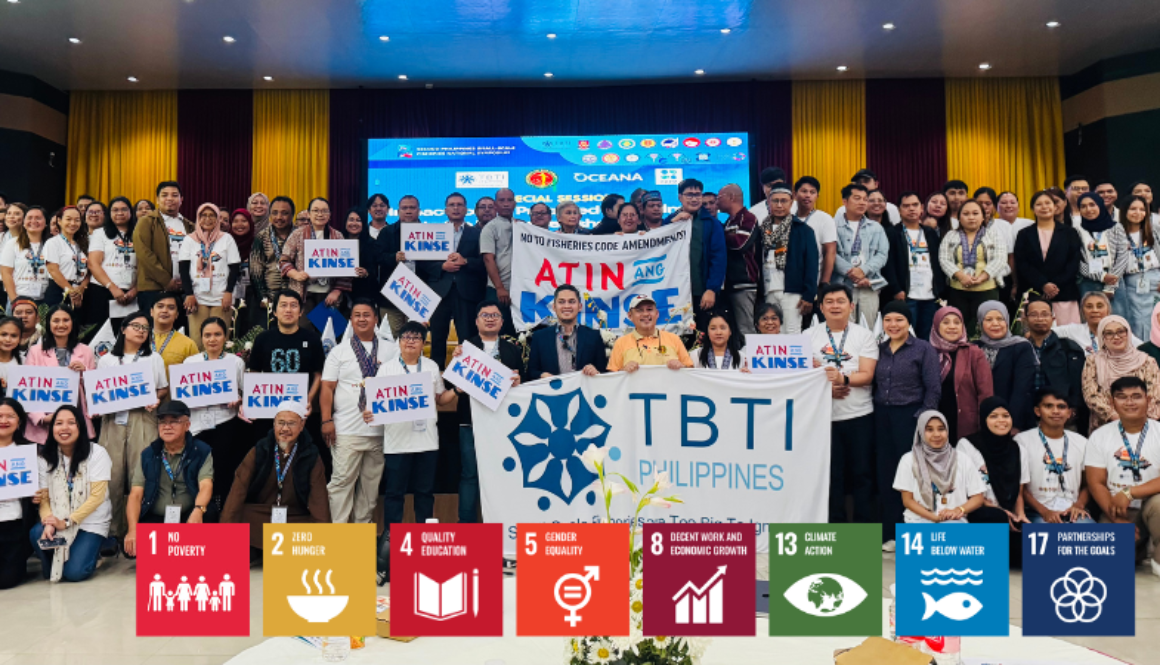
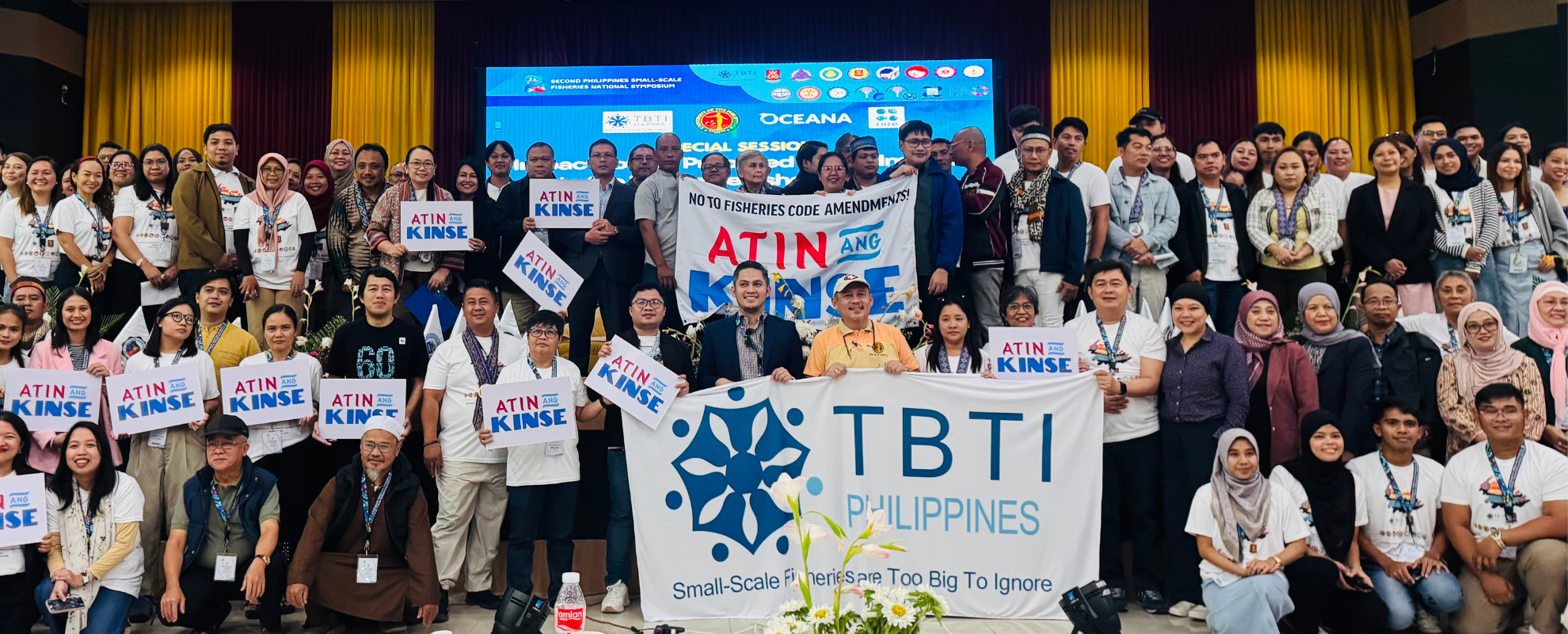
Gathering over 300 scientists, educators, artists, fishers, students, and policymakers, the three-day symposium carried the theme “From Recognition to Action.” Organized by MSU and Too Big To Ignore (TBTI) Philippines, it called for stronger and fairer policies to protect the country’s 15-kilometer municipal waters—the very heart of the “Atin ang Kinse” campaign, which fights for the rightful space of small fishers in their own seas.
“This consortium of universities, agencies, and communities aims to make small-scale fisheries visible, viable, and sustainable,” said Dr. Glen Lorenzo, MSU Vice President for Research and Extension. The gathering also tackled pressing issues such as climate change, overfishing, and illegal encroachment by commercial vessels—threats that the pending “Atin ang Kinse Kilometro Bill” (HB 5606) seeks to address.
ISUFST’s Contributions: Science, Art, and Advocacy
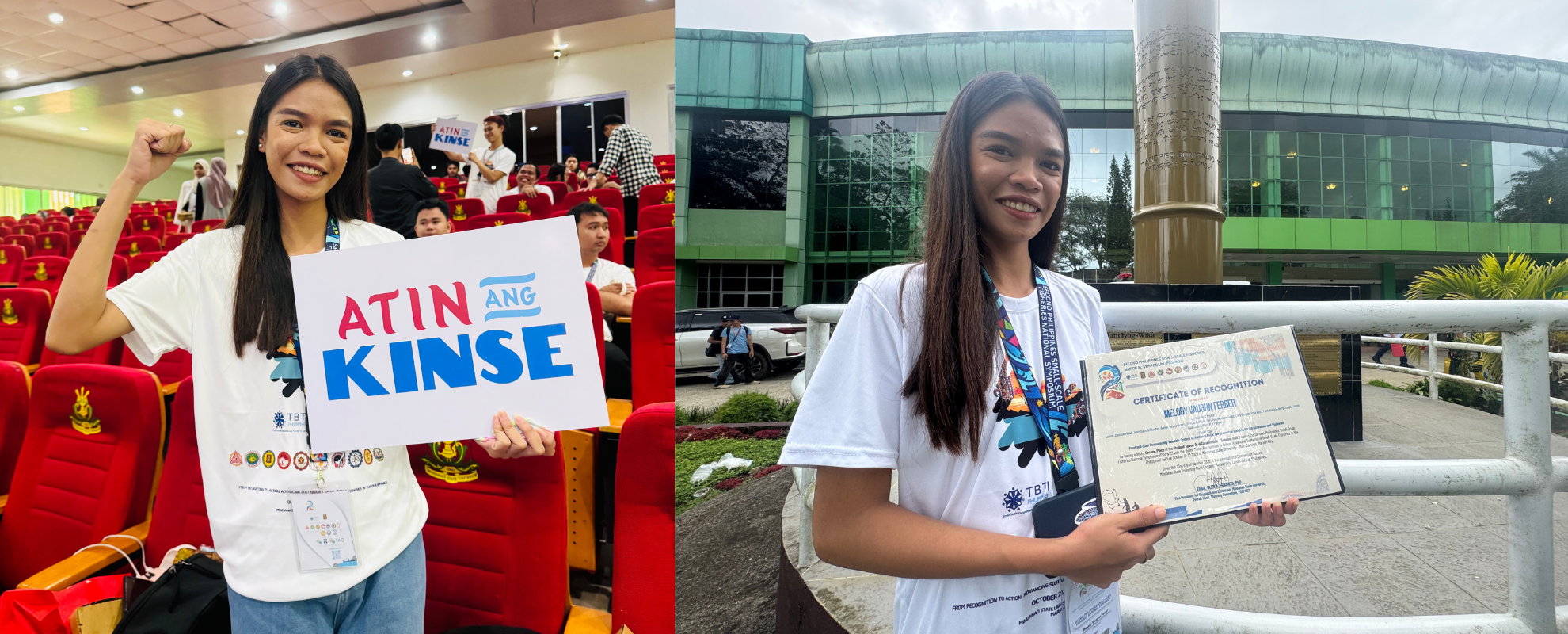
Representing ISUFST were Dr. Rolindo B. Demo-os Jr., Dr. Jescel B. Bito-onon, Prof. Rother M. Gaudiel, Dr. Quin Y. Clarito, Dr. Michael B. Dizon, Instructor Jezreel C. Donguila, Dr. Herman M. Lagon, and BS Fisheries student Melody Vaughn Ferrer.
Their diverse outputs—from fisheries research and photo essays to poetry and original songs—embodied ISUFST’s belief that science and culture can work together to heal and protect the seas.
Among the technical studies were “Catch Rates and Fishery Characterization of Filter Nets in Tinori-an River, Iloilo” by Bito-onon and Gaudiel, and “Fishing Smarter: Comparative Analysis of Fish Pot Designs Used by Small-Scale Fishers in Banate Bay” by Clarito.
Ferrer’s team, composed of CFAS students and faculty, presented “Pearl and Other Economically Valuable Oysters of Northern Iloilo: Morphometric Insights for Conservation and Fisheries.” The study highlighted the balance between livelihood and conservation—and won second place in the oral presentation category, besting entries from universities nationwide.
“These projects show how local innovation builds resilience in small-scale fisheries,” said Dr. Bito-onon, ISUFST Director for Research and Development. “It’s not just about data; it’s about empowering the communities that depend on our waters.”
Art Meets Advocacy
The symposium also celebrated creative works that bridged science and human experience. Dr. Herman M. Lagon’s poetry, short stories, and photography collections—“Between Net and Node,” “The Net That Holds,” “Where the Line Holds,” “Of Change,” “Lines of Salt and Hope,” “When Only the Bangkas Rest,” and “When Currents Meet the Roots”—captured the soul of coastal life: its struggles, rhythm, and hope.
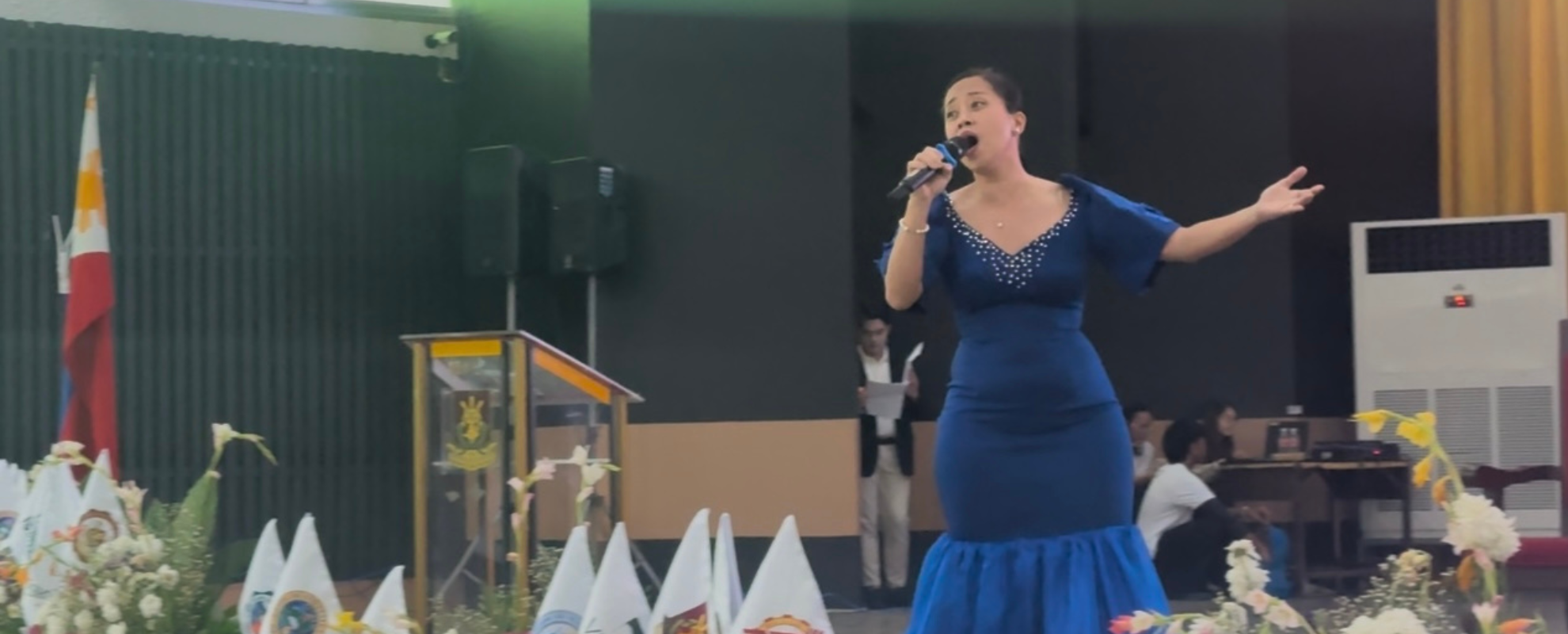
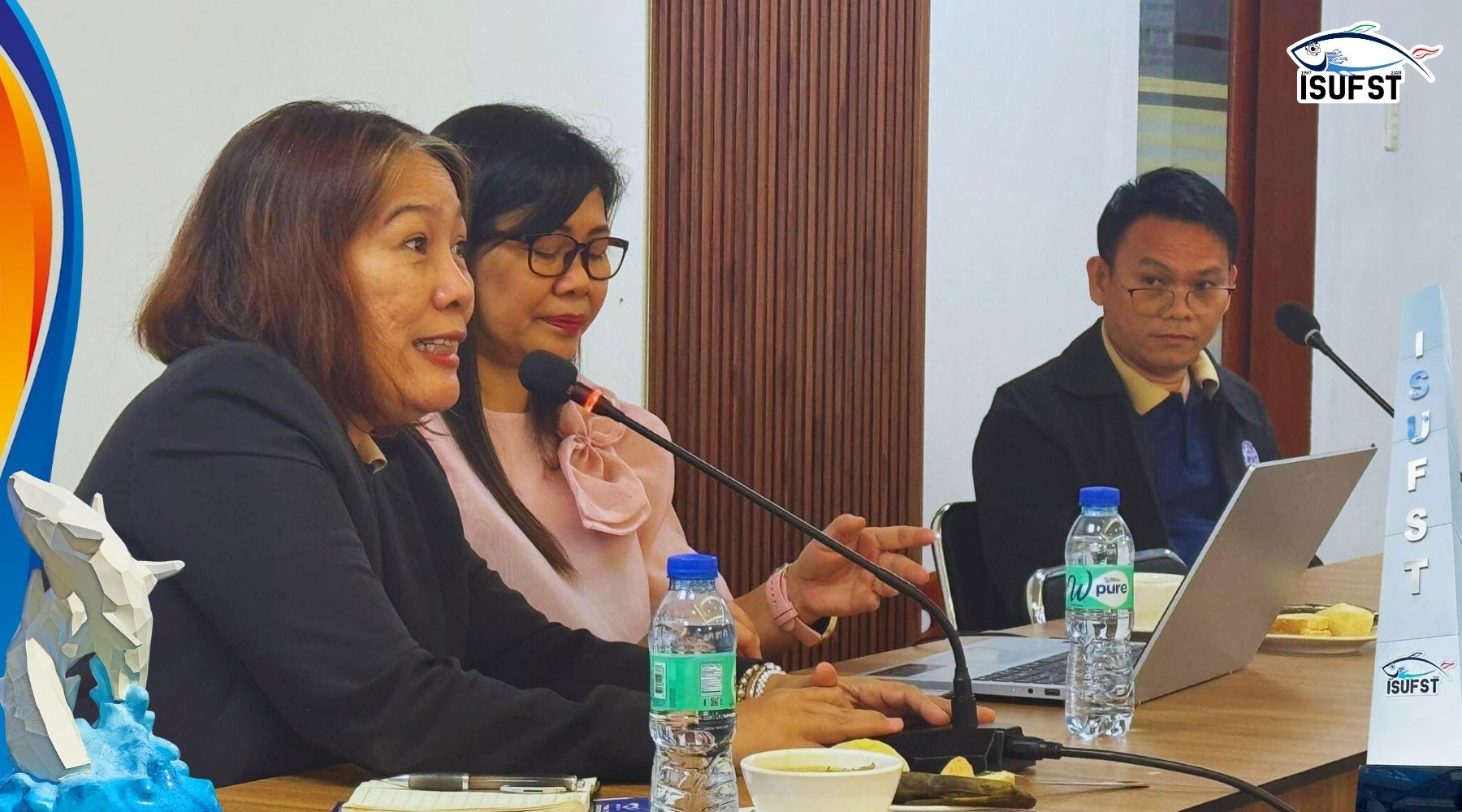
Lagon, together with Instr. Jezreel C. Donguila, also presented two original advocacy songs, “Let the Line Hold” and “The Lines We Cast,” inspired by the Atin ang Kinse campaign. The songs, arranged with karaoke-style visuals and live footage edited by Patrick Lance Nacion using images from Dean Demo-os and Dr. Lagon, were performed by Donguila during the closing plenary and MOA signing ceremony—drawing resounding applause from the audience.
Beyond the symposium halls, the ISUFST delegation experienced Maranao hospitality. On the first night, delegates were treated to a Pagana Meranao dinner—an elaborate ceremonial feast where guests “eat like royalty.” Seated around a grand tabak (ornate tray), they shared flavorful dishes with their hands in true Maranao fashion.
The Marawi Manifesto and a Promise for the Future
The symposium concluded with the signing of the Marawi Manifesto, a collective pledge of support for the Atin ang Kinse movement and the Too Big To Ignore (TBTI) advocacy for inclusive, sustainable, and resilient fisheries. During the signing, Donguila’s live rendition of “Let the Line Hold” and “The Lines We Cast” filled the MSU gymnasium as photos of fisherfolk and coastal communities played onscreen—a moment described by many as “a hymn for the sea and the people who live by it.”
Participants also celebrated the acceptance of Batangas State University (BSU) as the next host of PSSFNS3 in 2026, marking the continued expansion of the TBTI network across the archipelago.
They capped the symposium with a visit to Marawi’s Ground Zero, where the scars of war stood as a solemn reminder that battles for survival come in many forms. Just as Marawi once fought for the right to life and peace, today’s Atin ang Kinse movement fights for the right of small fishers—and the seas they depend on—to live and thrive.
A Shared Mission
ISUFST President Dr. Nordy D. Siason Jr. commended the delegation for embodying the university’s vision of blending “science, culture, arts, and compassion in service of people and planet.” He emphasized that ISUFST’s efforts directly align with the United Nations Sustainable Development Goals, particularly SDG 14 (Life Below Water), SDG 2 (Zero Hunger), and SDG 13 (Climate Action).
For ISUFST, the symposium was more than an academic event—it was a reminder of purpose. “When we tell the stories of small fishers, artistically and scientifically,” said Lagon, “we’re also telling the story of our shared future.”
The PSSFNS2 came at a crucial time, as fisherfolk groups renewed calls for the passage of the “Atin ang Kinse Kilometro Bill” (HB 5606). The measure seeks to restore small fishers’ exclusive rights to municipal waters—rights recently challenged by a court ruling favoring commercial vessels.
From the shores of Banate to the lakes of Lanao, the message of PSSFNS2 was clear: small-scale fishers are too big to ignore. (PAMMCO)
#ISUFSTisdaFirst #ISUFSTCommunity #PAMMCOStoriesThatMatter #AtinAngKinse #PSSFNS2 #LifeBelowWater
From Iloilo’s Shores to Taiwan’s Labs: The PhD Journey of Rhessa Grace Ortizo
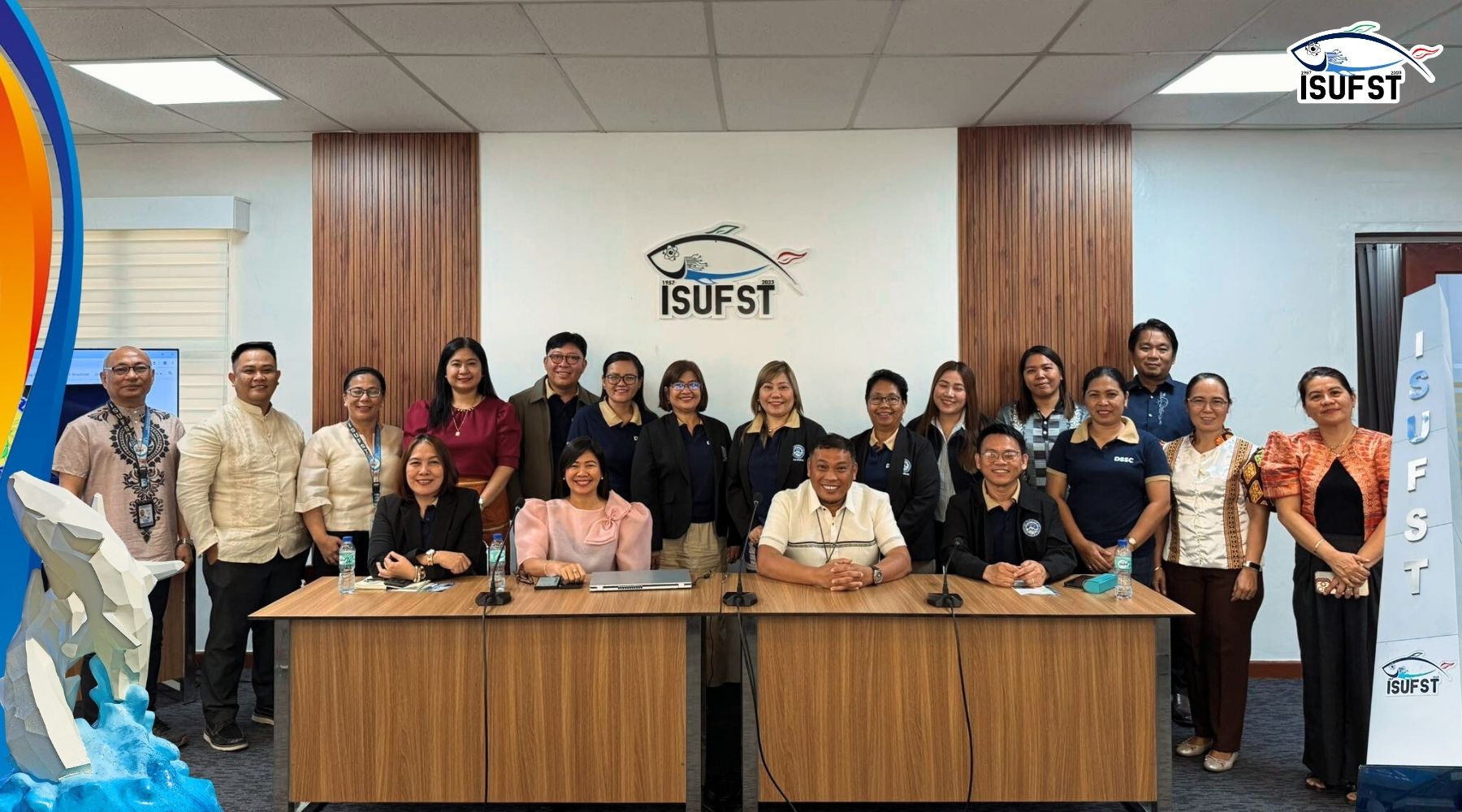
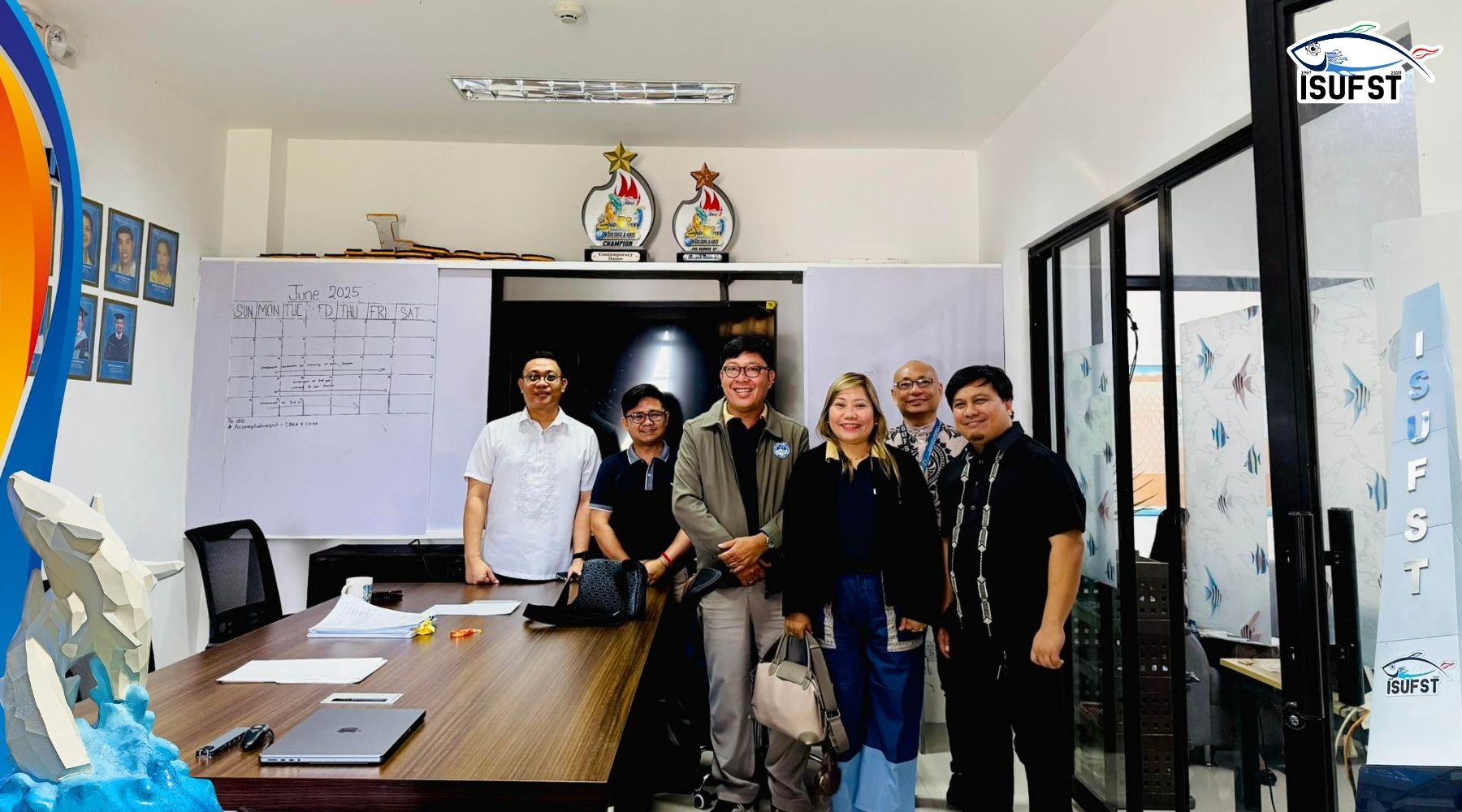
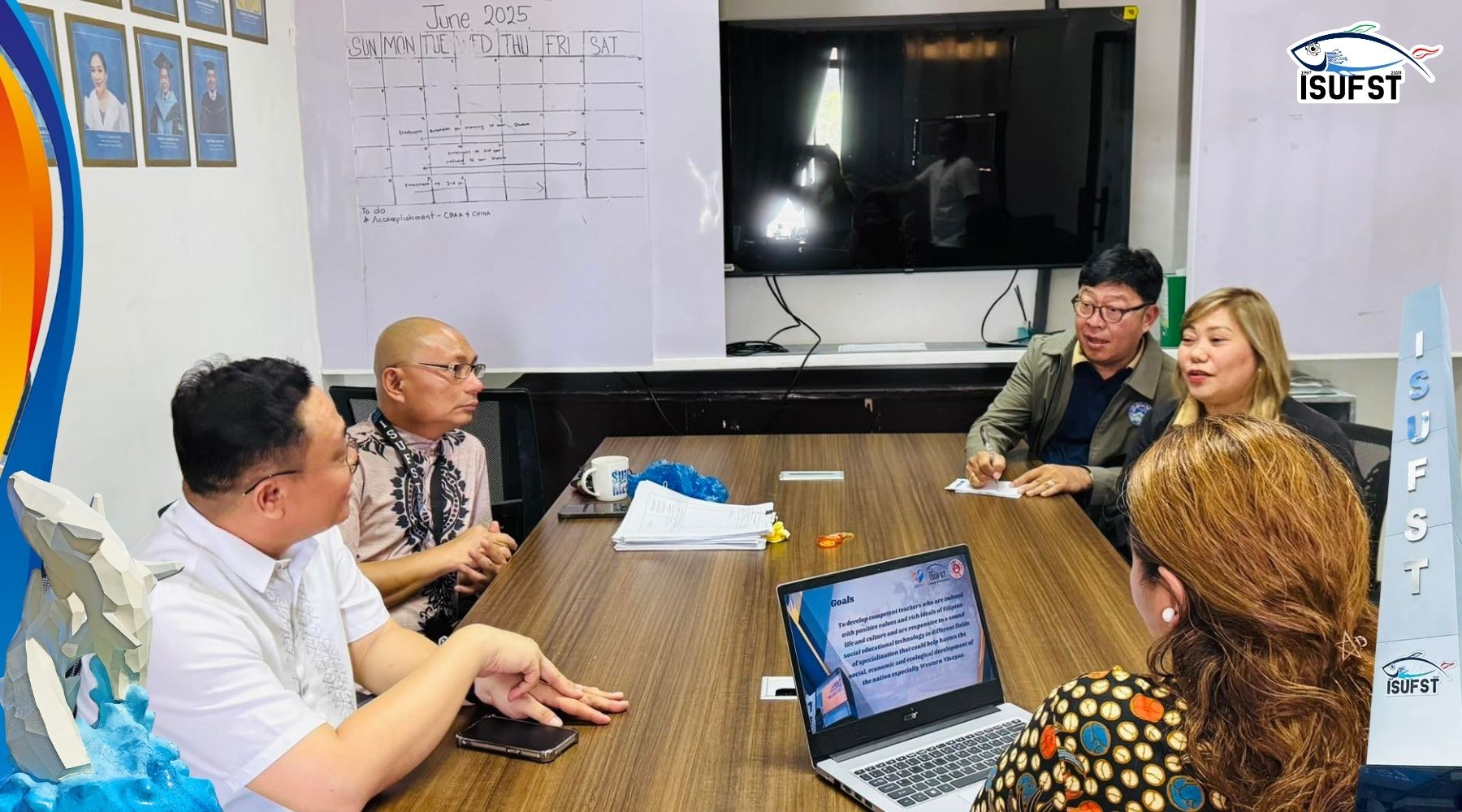
Davao del Sur State College Conducts Benchmarking Visit to ISUFST for University Conversion Goals
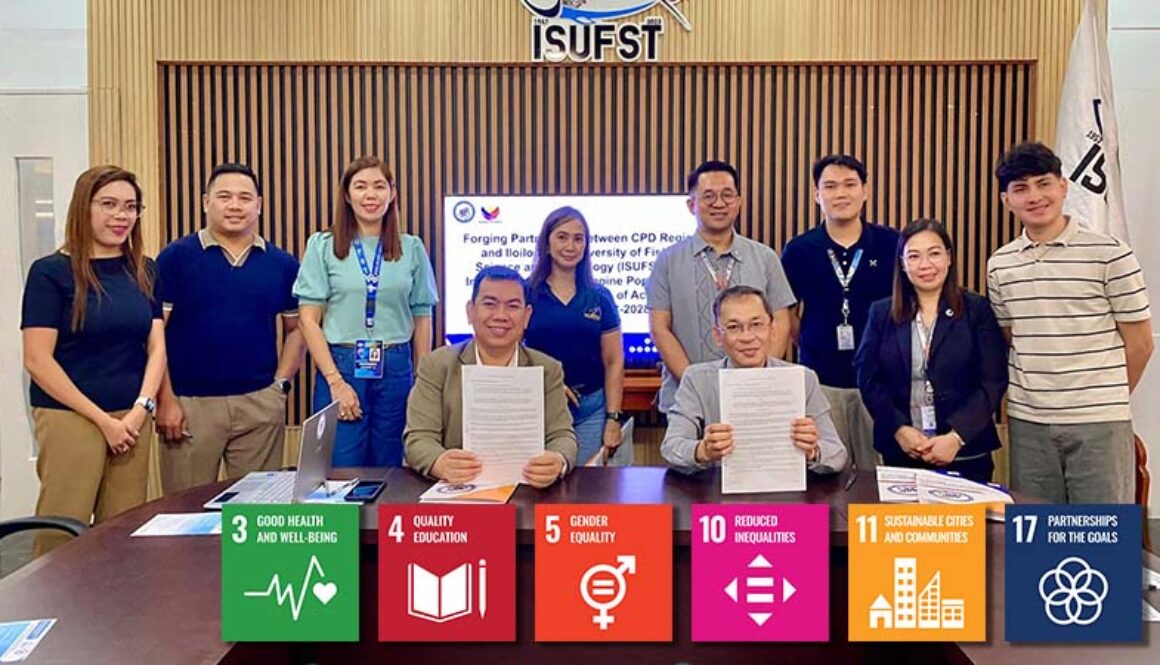
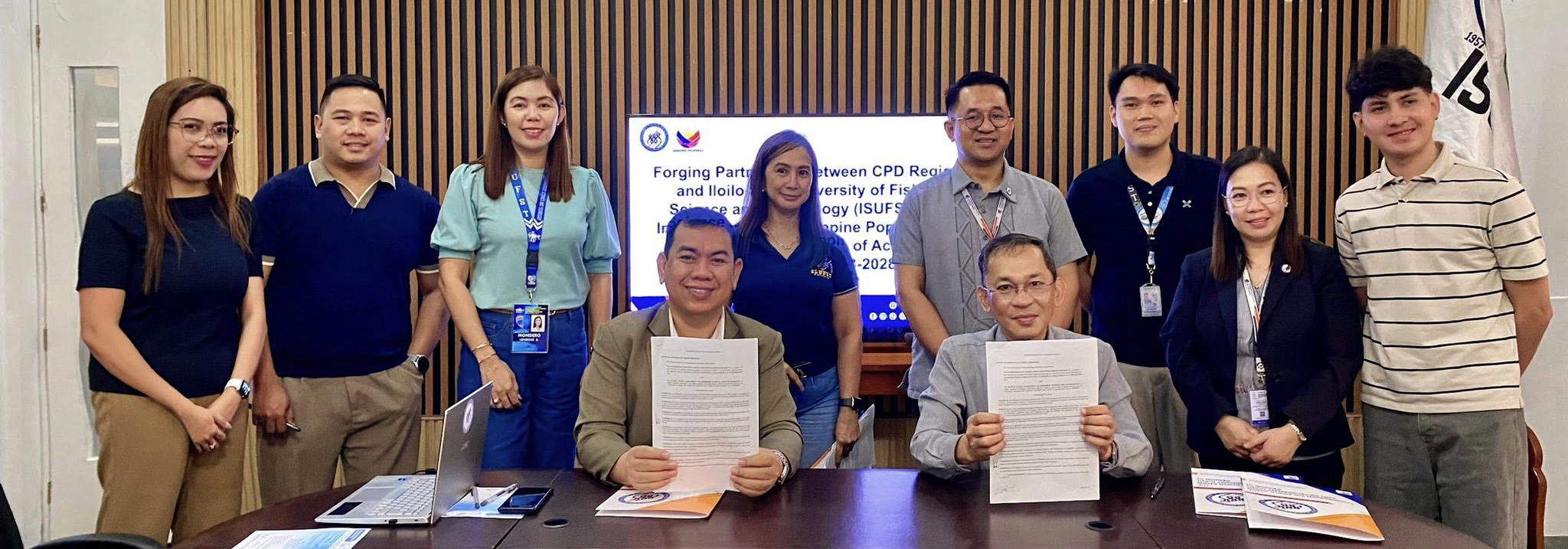
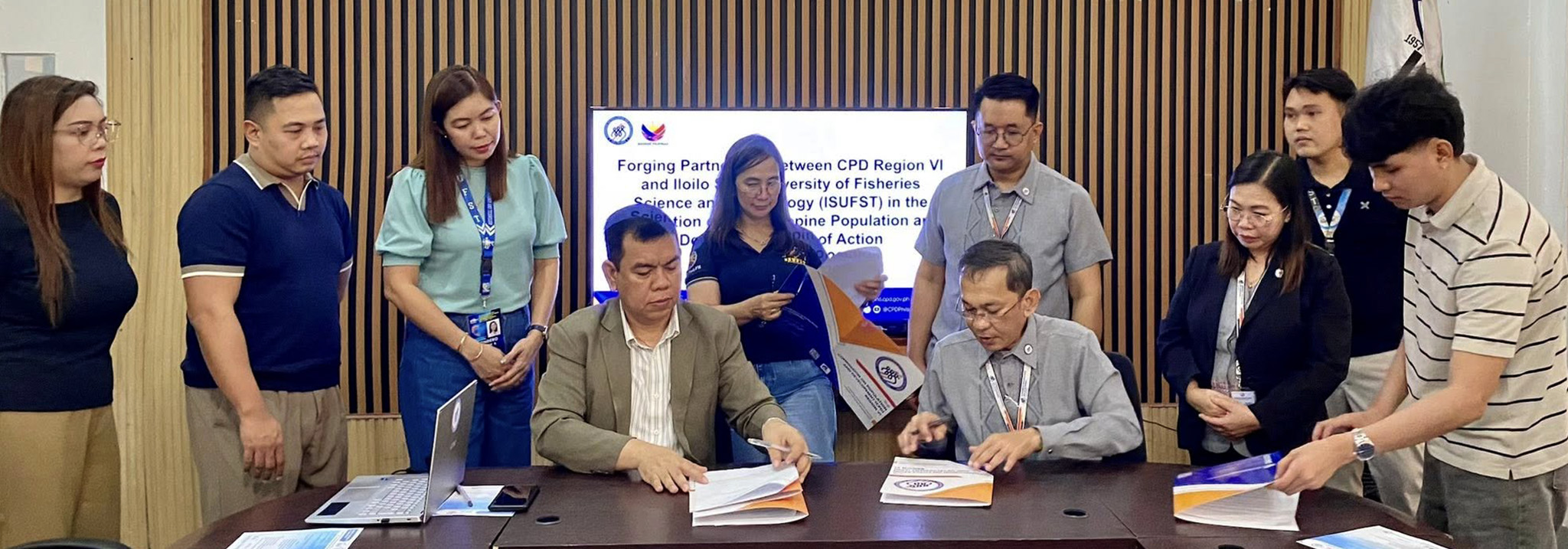
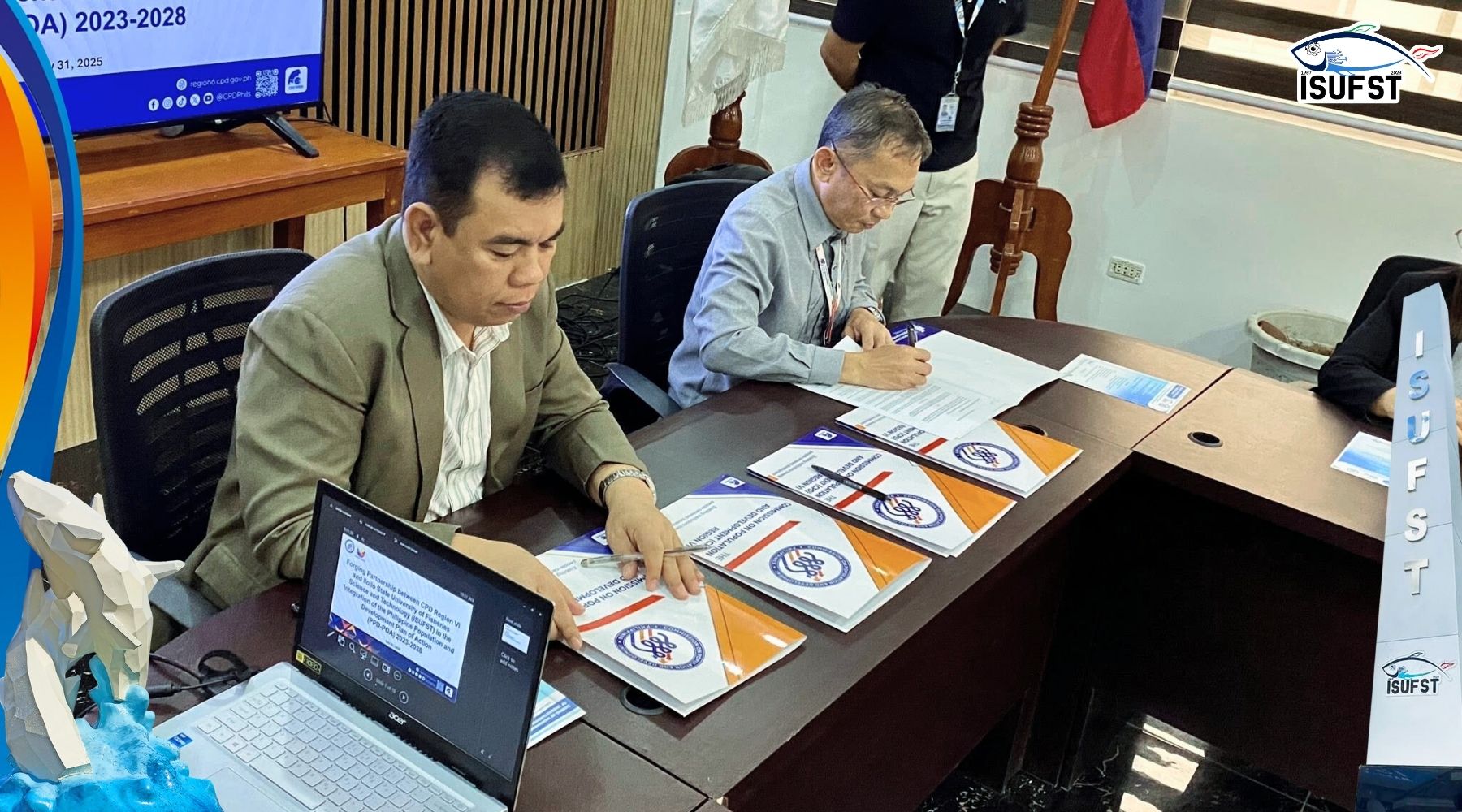
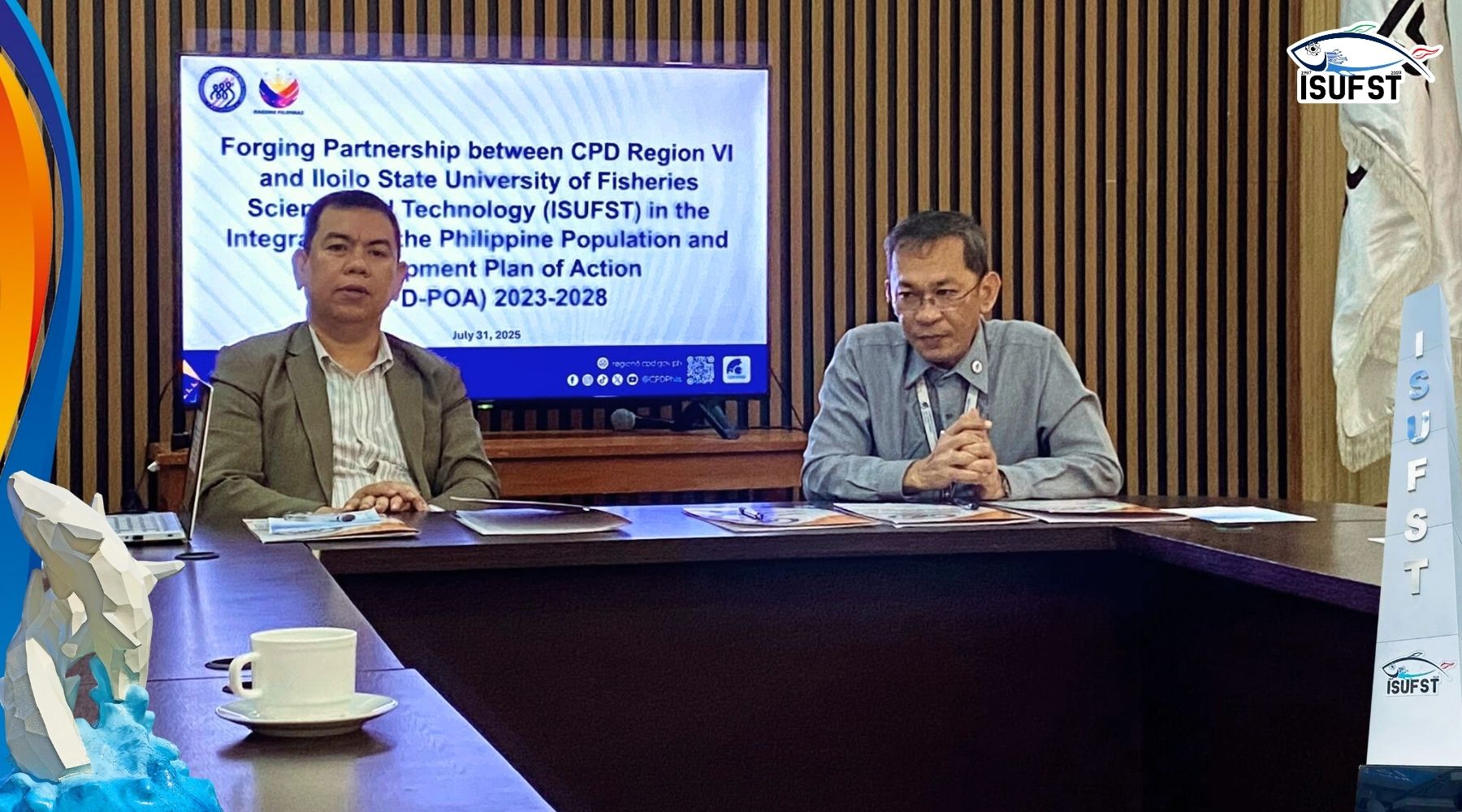
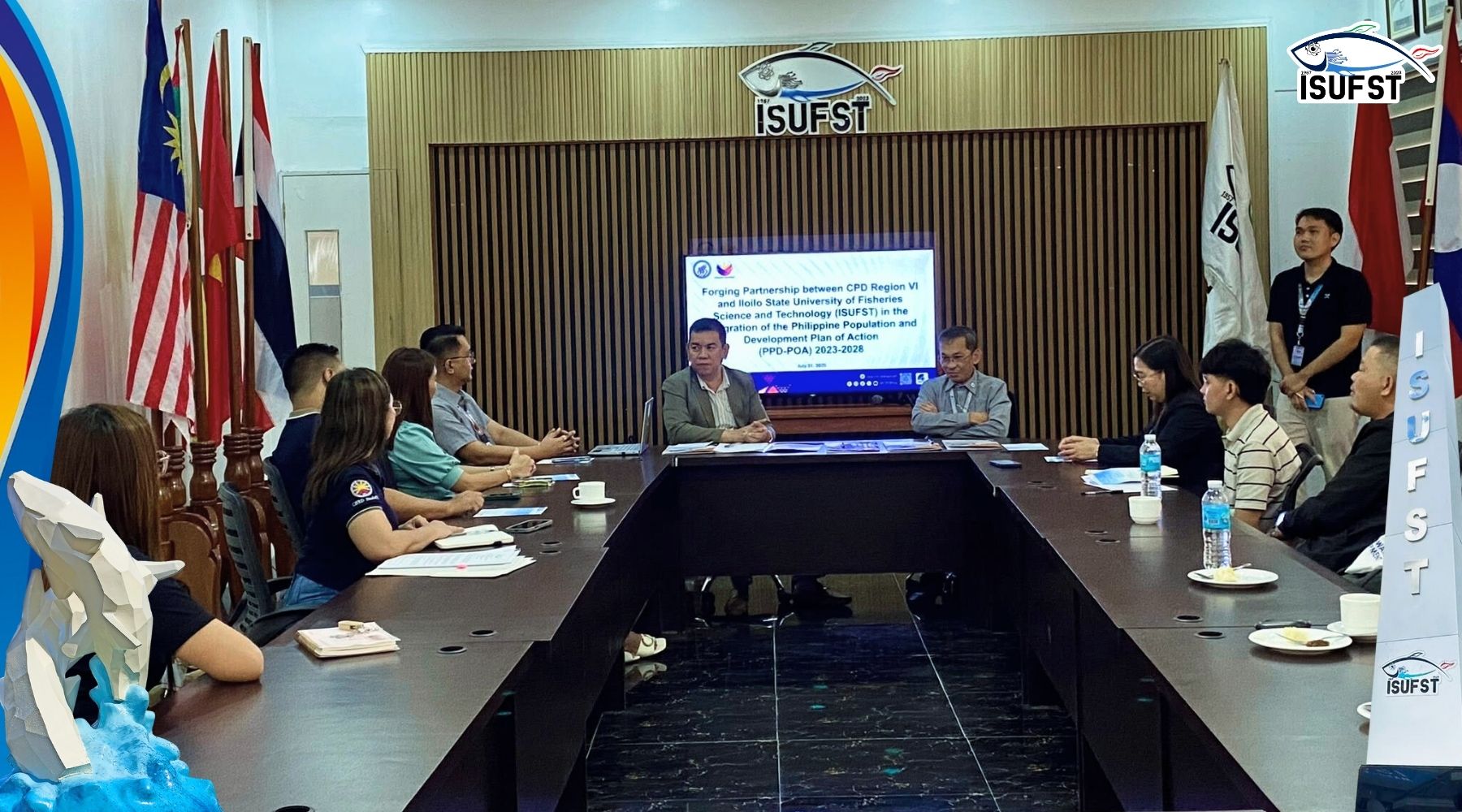
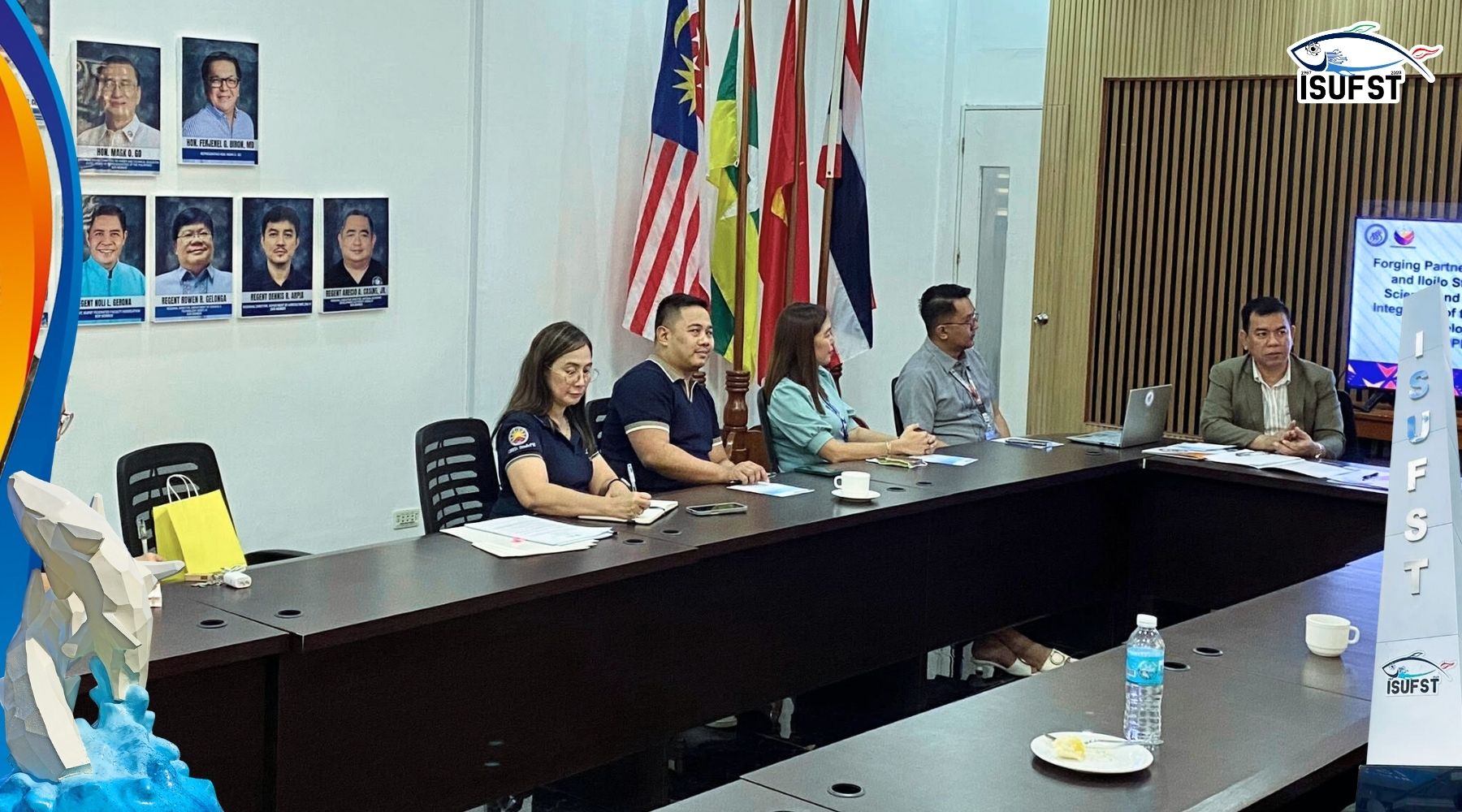
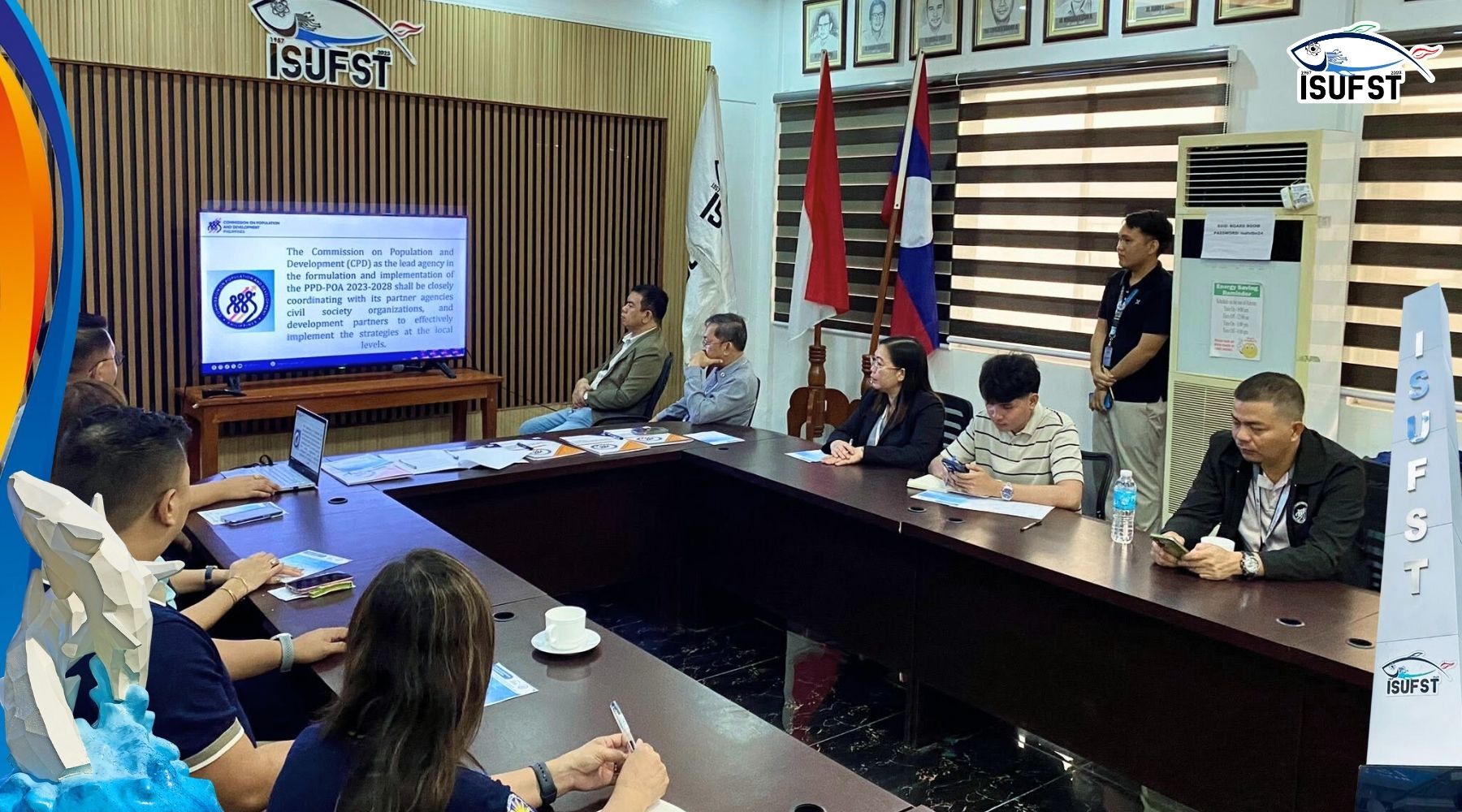
Forging Partnerships, Empowering Communities: ISUFST and CPD Region VI Seal MOU
Three Organizations, One Goal: ISUFST, SAO Philippines, and Rivers Global Unite to Protect Banate Bay
CHED Official Sees Strong Potential in ISUFST’s Proposed BS Nursing Program
The Commission on Higher Education (CHED) visited the Iloilo State University of Fisheries Science and Technology (ISUFST) on Monday, July 28, 2025, to conduct a preliminary evaluation for the proposed Bachelor of Science in Nursing (BSN) program, targeted to launch in the first semester of Academic Year 2026–2027 at the ISUFST Main Campus–Poblacion Site, Barotac Nuevo, Iloilo.
Dr. Arnold John Anceno, Education Supervisor II of CHED Regional Office VI, did the technical assistance visit held at the CICT Conference Room. The assessment reviewed ISUFST’s program proposal and initial compliance with CHED’s Certificate of Program Compliance (COPC) requirements.
With strong planning and clear alignment with CHED’s guidelines, ISUFST is in a promising spot, Dr. Anceno, a medical doctor himself, shared. He is hopeful the BS Nursing program will gain approval by next year.
During the visit, Dr. Anceno examined key documents and toured proposed facilities like amphitheaters and mock hospitals, essential for future nurses’ training. To make this possible, ISUFST intends to retrofit its College of Education (CoEd) and College of Industrial Technology (CIT) buildings at the Poblacion site to serve as the future home of the College of Nursing. Meanwhile, current CoEd and CIT students will be relocated to the Tiwi Site of the Main Campus in AY 2026-2027 to accommodate the transition.
The visit was in response to a formal request made by ISUFST President Dr. Nordy Siason, Jr., following a previously postponed schedule due to work suspension caused by bad weather conditions. In the request, Dr. Siason emphasized the importance of CHED’s guidance during the university’s preliminary evaluation for COPC application.
“This is more than an institutional expansion—it’s a mission to provide community-responsive, accessible nursing education in northern Iloilo,” Dr. Siason said during the consultation. “We want to produce future nurses who are deeply grounded in service and competence.”
The proposed BSN program is the first of its kind to be offered outside Iloilo City in the northern part of the province. ISUFST had earlier conducted a consultation with Philippine Nurses Association (PNA) National President Dr. Rosana Grace Belo-Delariarte, who expressed strong support for the initiative, noting the urgent need for localized nursing education in underserved areas.
To ensure program quality, ISUFST is pursuing partnerships with several hospitals in the region, including the Don Jose S. Monfort Medical Center, Iloilo Provincial Hospital, Ramon D. Duremdes District Hospital, and Asia Pacific Medical Center–Iloilo, for clinical training and Related Learning Experiences (RLE).
The university also held a stakeholder consultation on July 15 to define the BSN program’s Vision, Goals, Mission, and Objectives (VGMO), engaging local government units, barangay health workers, alumni, students, and parents. According to ISUFST Vice President for Academic Affairs Dr. Joan Belga, the university is now coordinating benchmarking visits and faculty recruitment to meet program and compliance requirements.
“We are aligning every step with CHED standards, but we are also staying true to ISUFST’s brand of quality education—rooted in local context and driven by global relevance,” Dr. Belga noted.
With the COPC application process underway, ISUFST is optimistic about its chances, bolstered by its ISO 9001:2015 certification, AACCUP accreditations, and recent CHED awards for excellence in community extension, internationalization, and Indigenous Peoples education.
Founded in 1957, ISUFST is the country’s first and only state university for fisheries. It now offers 27 undergraduate and 16 graduate programs across five campuses, serving over 8,500 students. The planned BSN is part of the university’s expansion into high-demand sectors identified in the Philippine Development Plan and the Sustainable Development Goals (SDGs).
Admission to the BSN program is expected to open by the latter part of AY 2025–2026, pending CHED approval. Updates will be released through ISUFST’s official platforms. (Photos by Ricky Ramos/Text by Herman Lagon/ PAMMCO)
One Legacy, One Home: The 2025 Grand Alumni Homecoming
From DHS, DAIS, DATEC, ISCOF to ISUFST — generations of proud alumni gathered on July 26, 2025, to celebrate a legacy built through time. The event was graced by University President Dr. Nordy Siason Jr., with an inspiring keynote message from Mr. Wilson Batislaon.
The day began with a colorful parade of batches, each joyfully led by their muses and escorts — a wonderful display of the unity and pride shared by all who have been part of these halls.
More than just a reunion, the Grand Alumni Homecoming was a heartfelt reminder that no matter where life leads us, this will always be one legacy, one home.
– Edeline Joy Brito / PAMMCO
📸 Sir Ricky Ramos
#ISUFST #ISUFSTisDaFirst #ISUFSTCommunity
Celebrating 78 Years of Excellence, Service, and Transformative Education
The 78th Founding Anniversary of ISUFST Dingle Campus, held on July 25, 2025, was a joyful tribute to its rich history and lasting legacy. We were honored to have Dr. Reginal Clavel as our inspirational speaker, whose words stirred pride and purpose in the ISUFST community.
Vice President for Academic Affairs Dr. Joan M. Belga also graced the event, joining in the recognition of our loyal faculty and staff through the Service Awards, as well as our Outstanding Alumni who continue to shine in their respective fields.
Our heartfelt thanks to Dr. Dingras Balbona, OIC Campus Administrator, for the warm welcome extended to our guests and alumni.
Here’s to more years of commitment, growth, and impact.
– Edeline Joy Brito / PAMMCO
📸 Sir Ricky Ramos
📸 ISUFST Dingle Campus FB Page
#ISUFST #ISUFSTisDaFirst #ISUFSTCommunity
Text content
ISUFST Empowers Non-Teaching Staff Through G.R.I.T. for Service Training-Retreat
The Iloilo State University of Fisheries Science and Technology (ISUFST) successfully concluded its three-day training and reorientation program titled “GRIT for Service 2025: A Training-Retreat Toward an Ethical, Resilient, and People-Centered Work Culture” held July 16-18, 2025. at Almadria Highland Resort in Talisay City, Negros Occidental. The retreat gathered 237 non-teaching staff, directors, faculty with administrative functions, and top administrators from ISUFST’s five campuses for a shared moment of pause—to reflect, realign, and renew their commitment to public service.
Organized by the Human Resource Management Office with the GAD Office, the training-retreat became more than just a professional reset. At the values-laden integration workshop, ISUFST faculty and staff explored how the university’s vision, mission, mandate, and guiding principles could be lived out through daily care and service. The sessions were framed around SDG 4 (Quality Education), SDG 5 (Gender Equality), SDG 8 (Decent Work), and SDG 16 (Strong Institutions), helping participants anchor their actions in the GRIT values—Growth, Resilience, Integrity, and Teamwork—that define the university.
“This retreat reflects what ISUFST truly stands for,” said University President Dr. Nordy Siason, Jr. “We don’t just aim to deliver quality service—we build a community that serves with humility, passion, integrity, and purpose. And our non-teaching staff are at the heart of that mission.”
Day 1 began with an inspiring talk from Fr. Joel Rojo-Eslabra, chaplain of WVSU Medical Center, who invited participants to reconnect with their “why” through ikigai, the Japanese concept of purpose. “Service begins when we rediscover our reason for showing up each day,” he said. His talk continued after lunch, blending stories, clips, and quiet moments that invited participants to look inward. Fr. Eslabra reminded everyone that true service begins not with titles, but with the simple decision to care, to listen, and to lead with heart.
By mid-afternoon, energy and laughter filled the room as Mr. Al Ian Barcelona, CEO-President of AIB Training and Consultancy Corporation, challenged the group to reframe their roles with joy and passion during his WAVE session: Works Acceleration and Value Empowerment. Later that evening, new staff members introduced themselves to the wider community through lively talent presentations—an icebreaker that quickly turned into a celebration of shared joy, creativity, and campus pride.
Mr. Barcelona continued his session in Day 2, weaving in themes of personal passion, institutional alignment, and values-driven performance.
Also on that same day, July 17, Dr. Kharlie Joehn Hautea, the university physician, emphasized the importance of health, wellness, and safety in the workplace, reminding staff that good service begins with well-being.
Later in the day, ISUFST Legal Officer Atty. Joey Mondero revisited Republic Act No. 6713, the Code of Conduct and Ethical Standards for Public Officials and Employees. His session, and the engaging Q&A thereafter, reinforced that integrity, transparency, and accountability are not just legal mandates—they are daily practices that sustain public trust.
The second night brought moments of joy and unity during the Search for Mr. and Miss Non-Teaching Staff 2025. Mary Floren Arguez and Eli Gene Tisuela, both from the Tiwi Campus, were crowned titleholders. The event, though lighthearted, echoed the retreat’s spirit of confidence, inclusivity, and campus pride. Participants described it as “a celebration of the quiet strength behind every desk and department.”
The final day, July 18, featured CHMSU’s Director of Student Affairs and Services, Dr. Ma. Victoria Violanda, who ended the training retreat on a powerful note about working with purpose. She talked about the courage it takes to stay committed, the strength in collaboration, and the wisdom in being a lifelong learner.
Meanwhile, program lead Supervising Administrative Officer (SAO) Alma P. Betito also noted that: “For us, this retreat is a heart-check, it is a reminder of why we do what we do.” She added: “Our non-teaching staff are vital to the university’s heartbeat. Empowering them means enriching our entire system of service.”
Dr. Lenirose Mondero, GAD Director, affirmed the deeper purpose behind the activity: “When we build an inclusive, reflective workplace, we don’t just boost morale—we strengthen the very foundation of the service we give to students and communities. It’s about making each person feel seen, valued, and driven by purpose.”
With its blend of knowledge sessions, honest reflections, and shared celebrations, GRIT for Service 2025 reaffirms ISUFST’s mission to nurture kind, ethical, and resilient public servants. It also supports the university’s goal to align human resource development with institutional performance and to recognize excellence through the PRAISE incentive system.
As the country’s first and only state university dedicated to fisheries science and technology, ISUFST continues to lead with heart—cultivating a workplace where compassion, purpose, and public service grow hand in hand. (Herman Lagon / Ricky Ramos / Edeline Joy Brito / PAMMCO)