Forging Partnerships, Empowering Communities: ISUFST and CPD Region VI Seal MOU
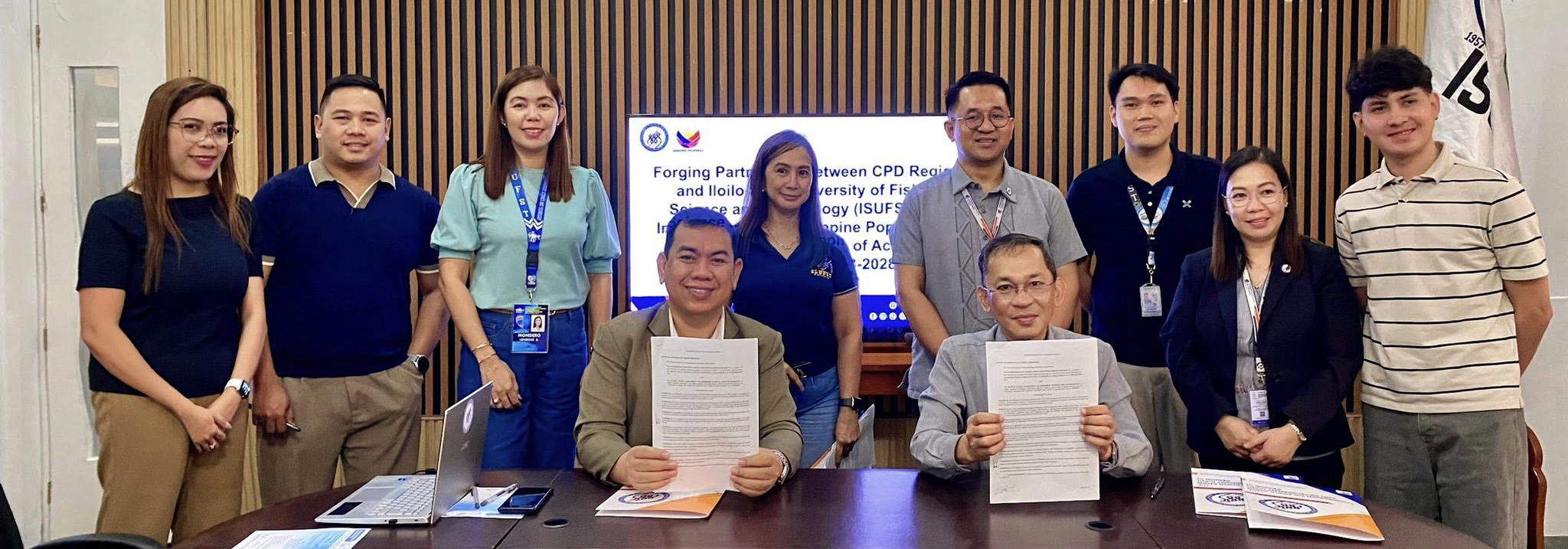
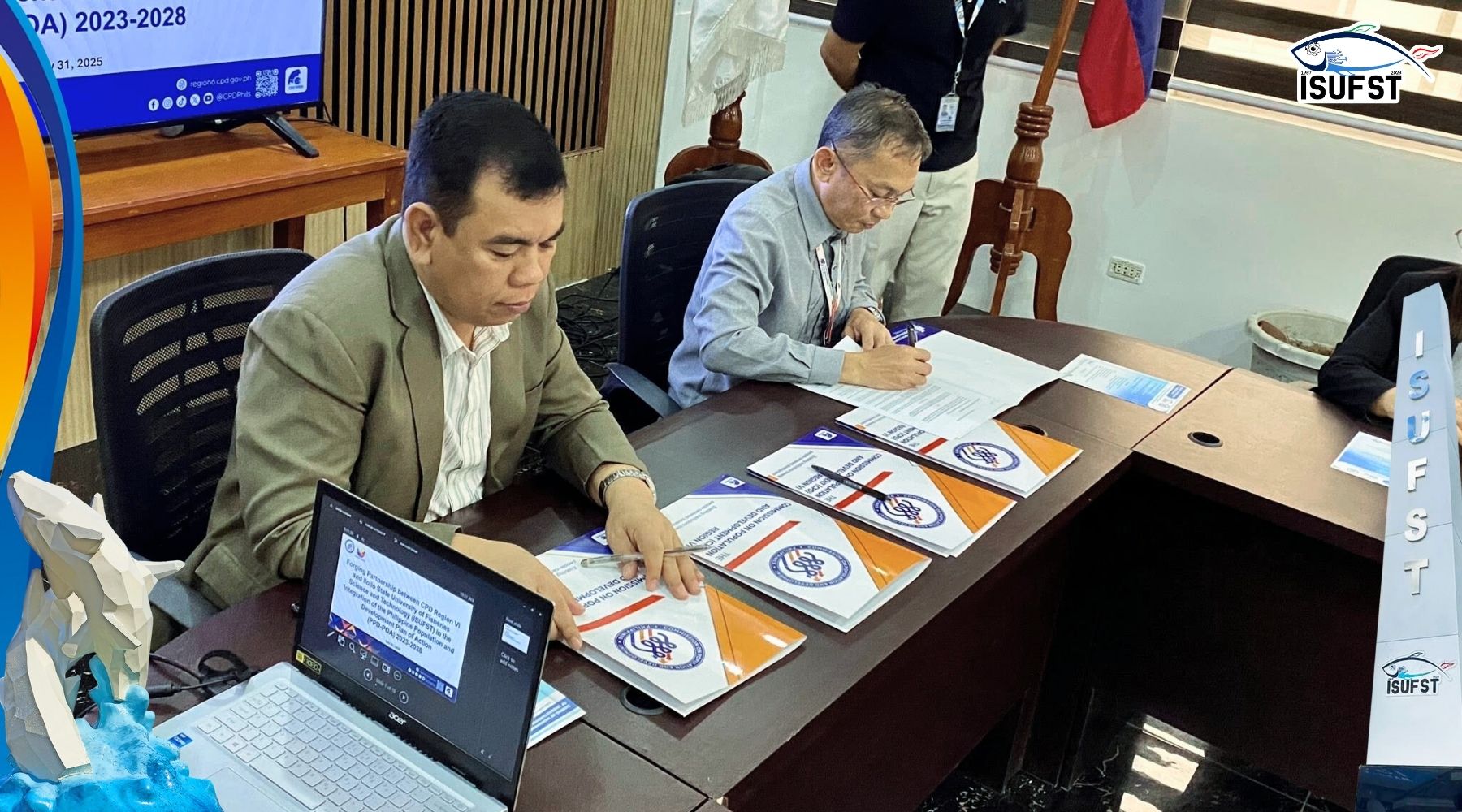
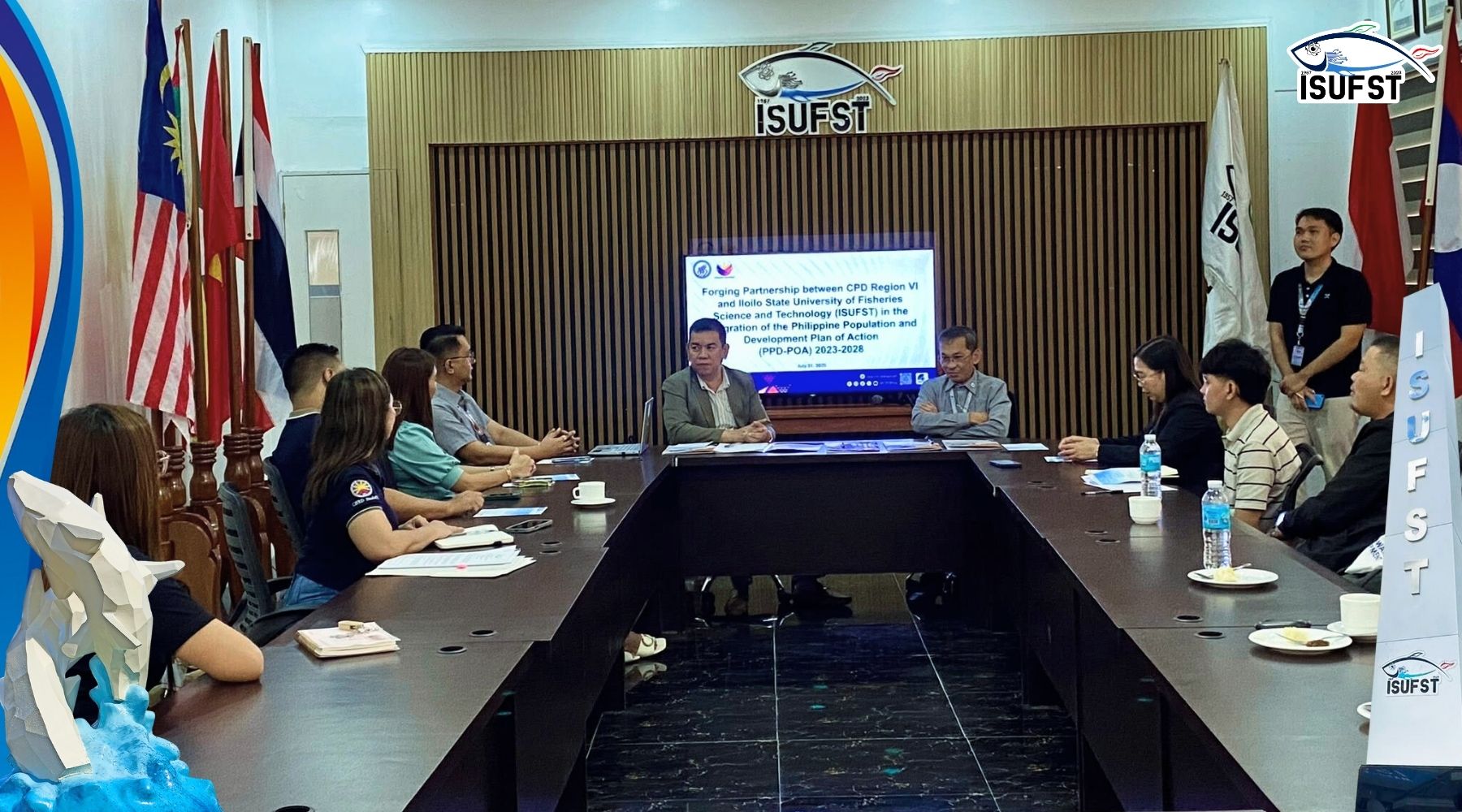
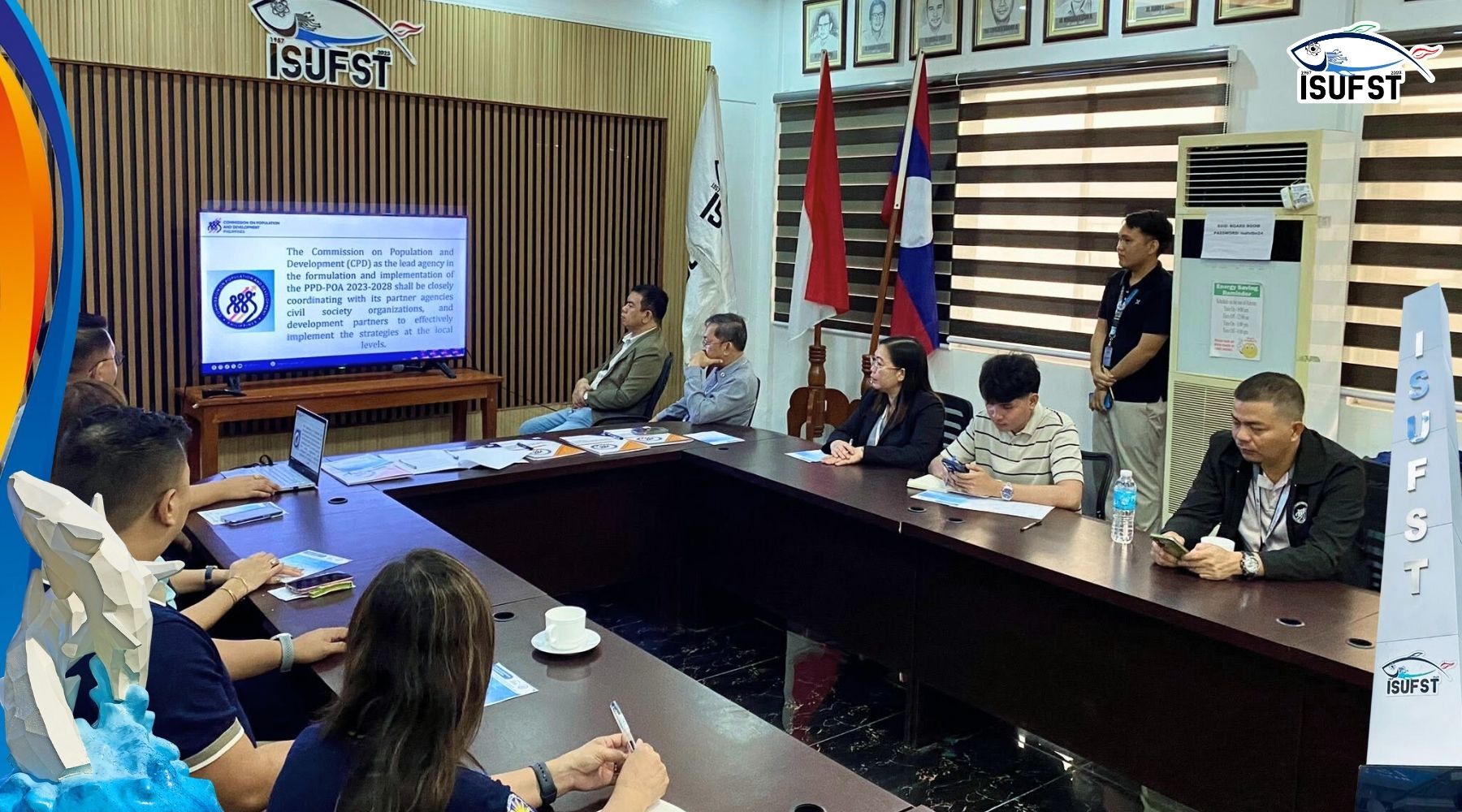
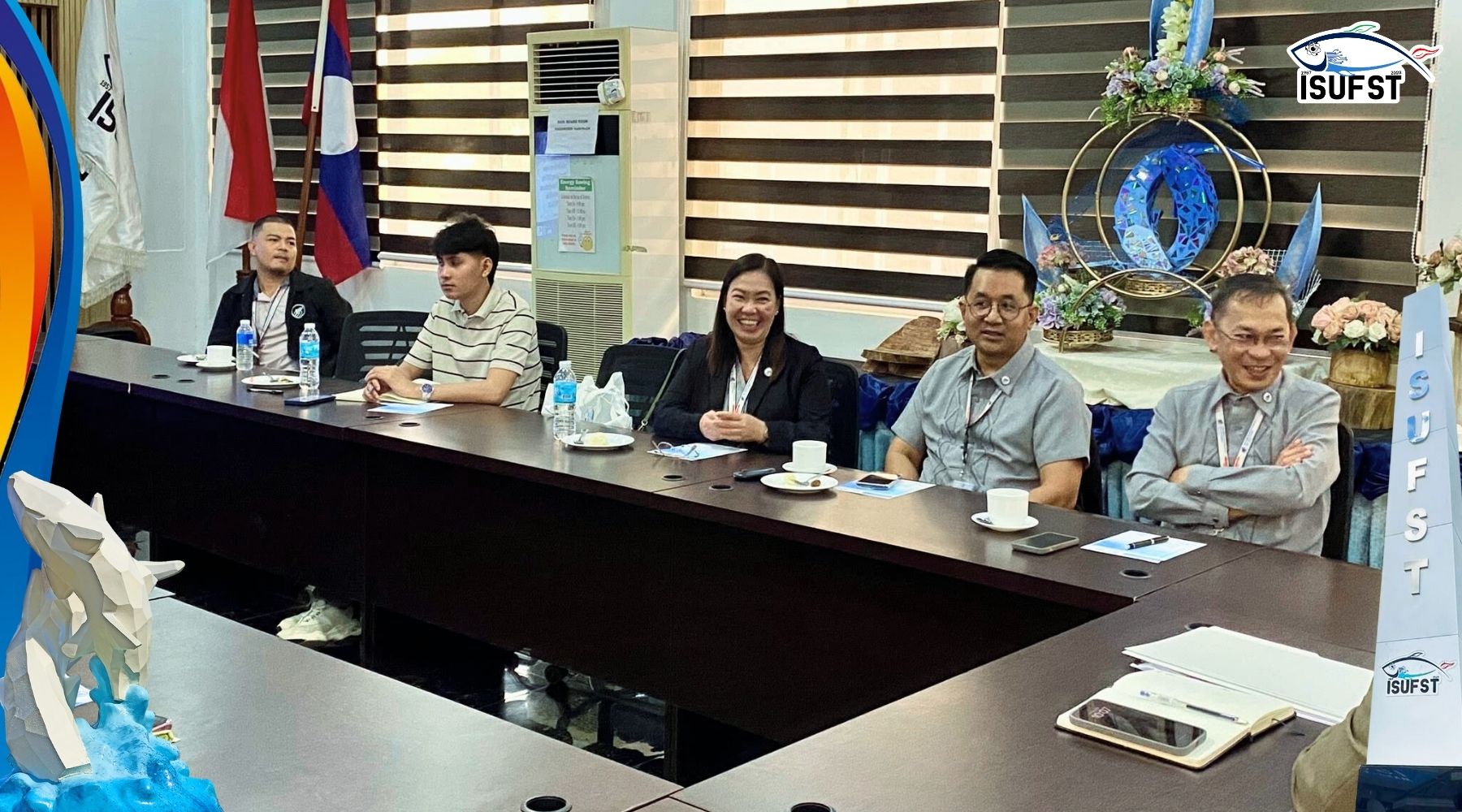
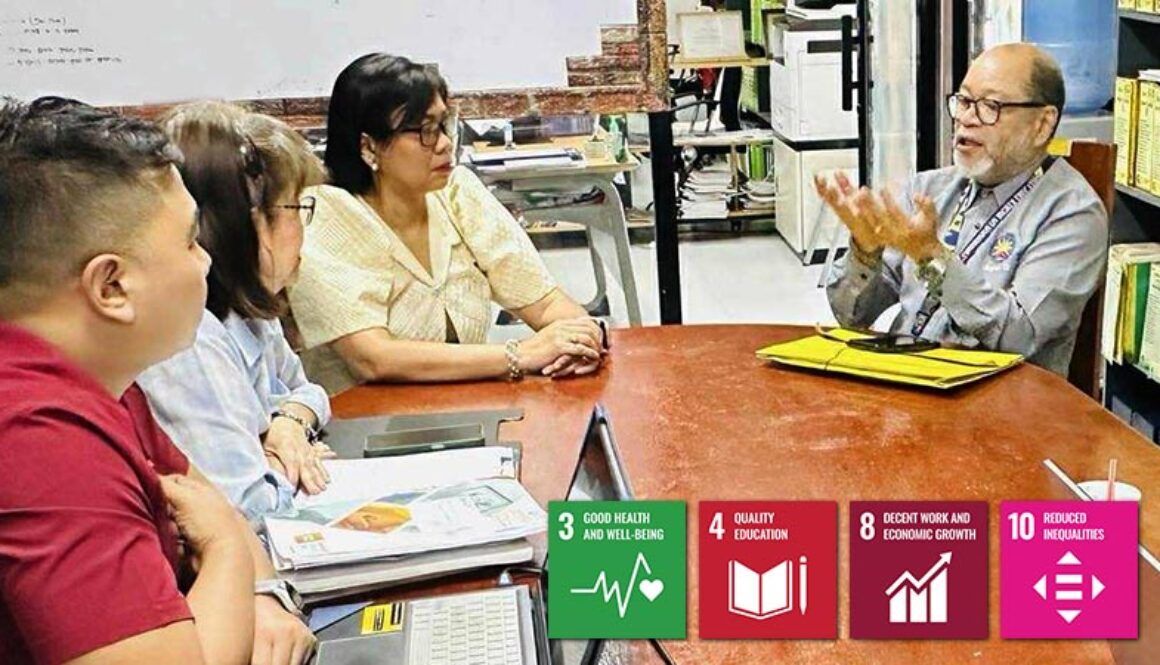
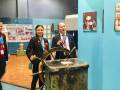
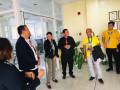
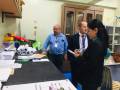
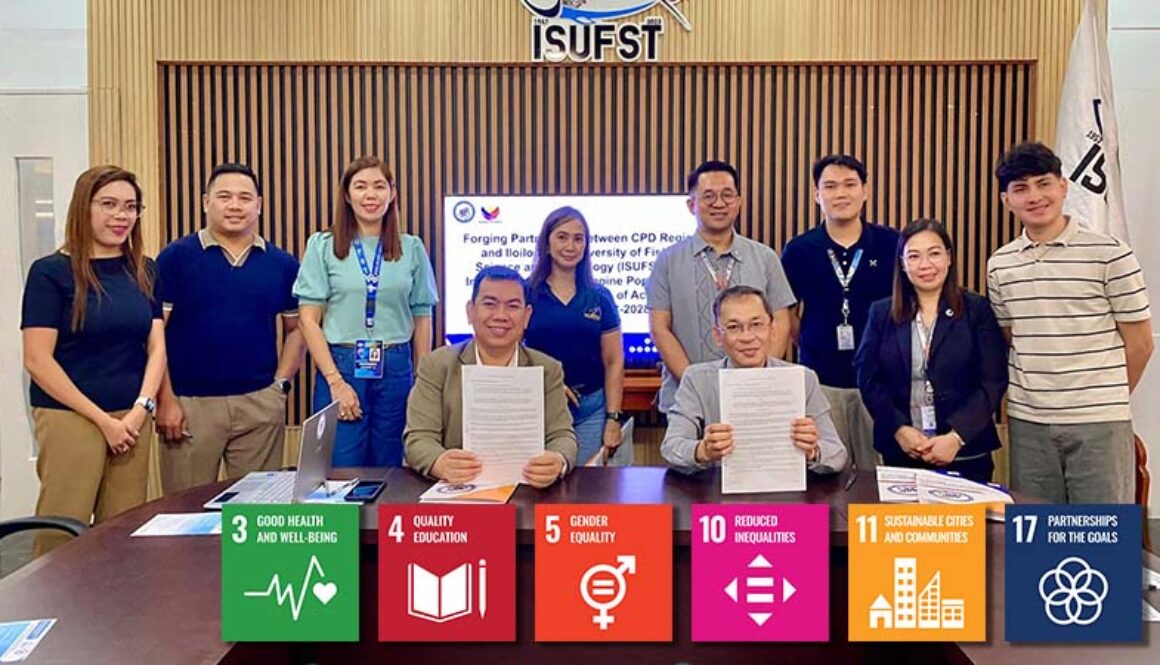
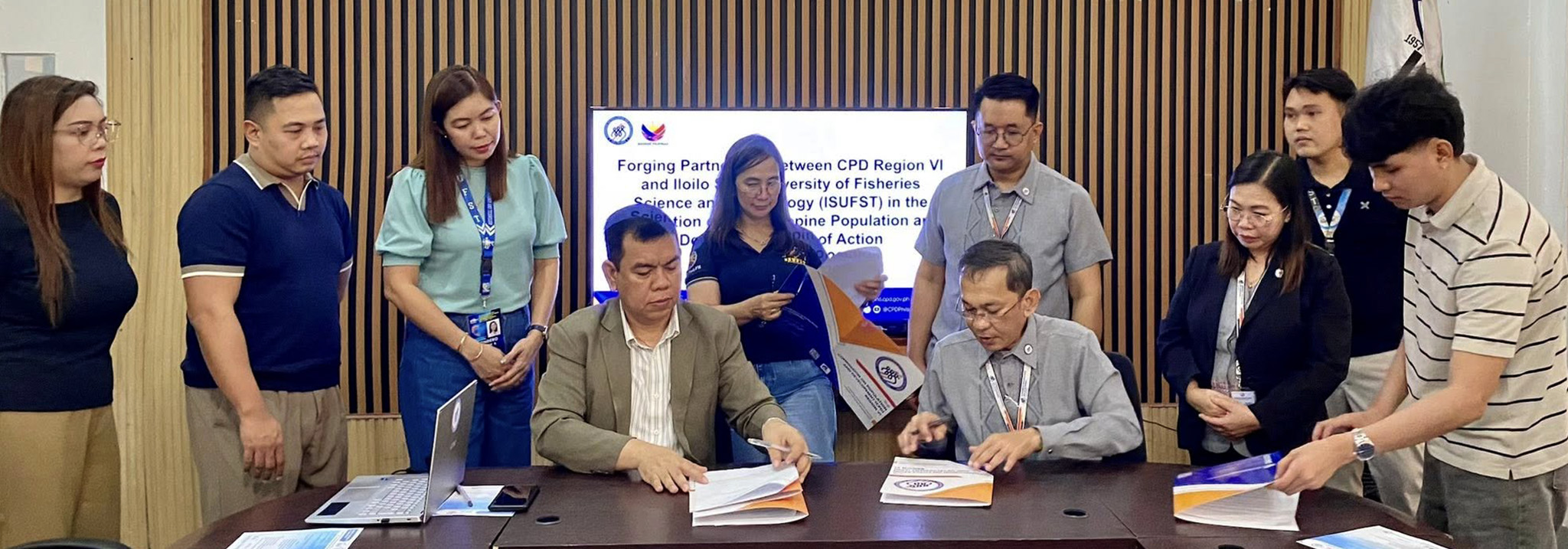
In a sincere effort to create stronger and more inclusive communities, the Iloilo State University of Fisheries Science and Technology (ISUFST) has formally partnered with the Commission on Population and Development (CPD) Region VI via a Memorandum of Understanding (MOU) signed on July 31, 2025, at the ISUFST Board Room, Main Campus – Poblacion Site.
But this partnership goes beyond paperwork. It’s a shared commitment—a genuine pledge to work together in promoting population and development programs that uplift lives and create meaningful change across Western Visayas.
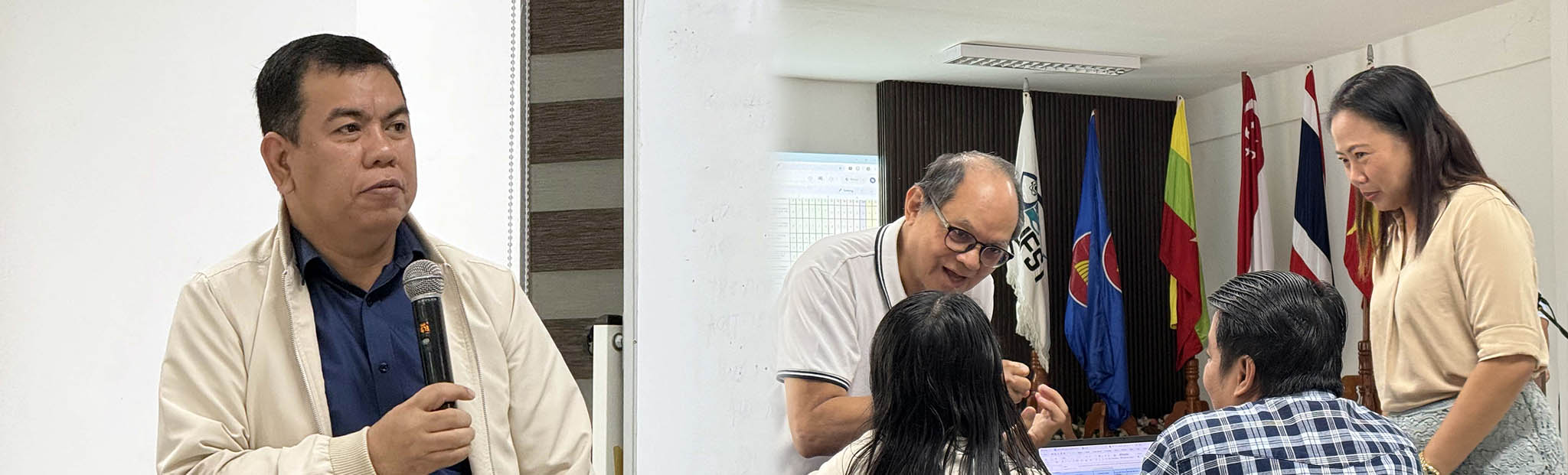
Mr. Julius Rugger Hermano from the International Affairs and Linkages Office graciously greeted everyone, setting the day’s tone. He genuinely and proudly recognized the presence of the attendees and participants, showing the university’s enthusiasm for this new phase of partnership and community influence.
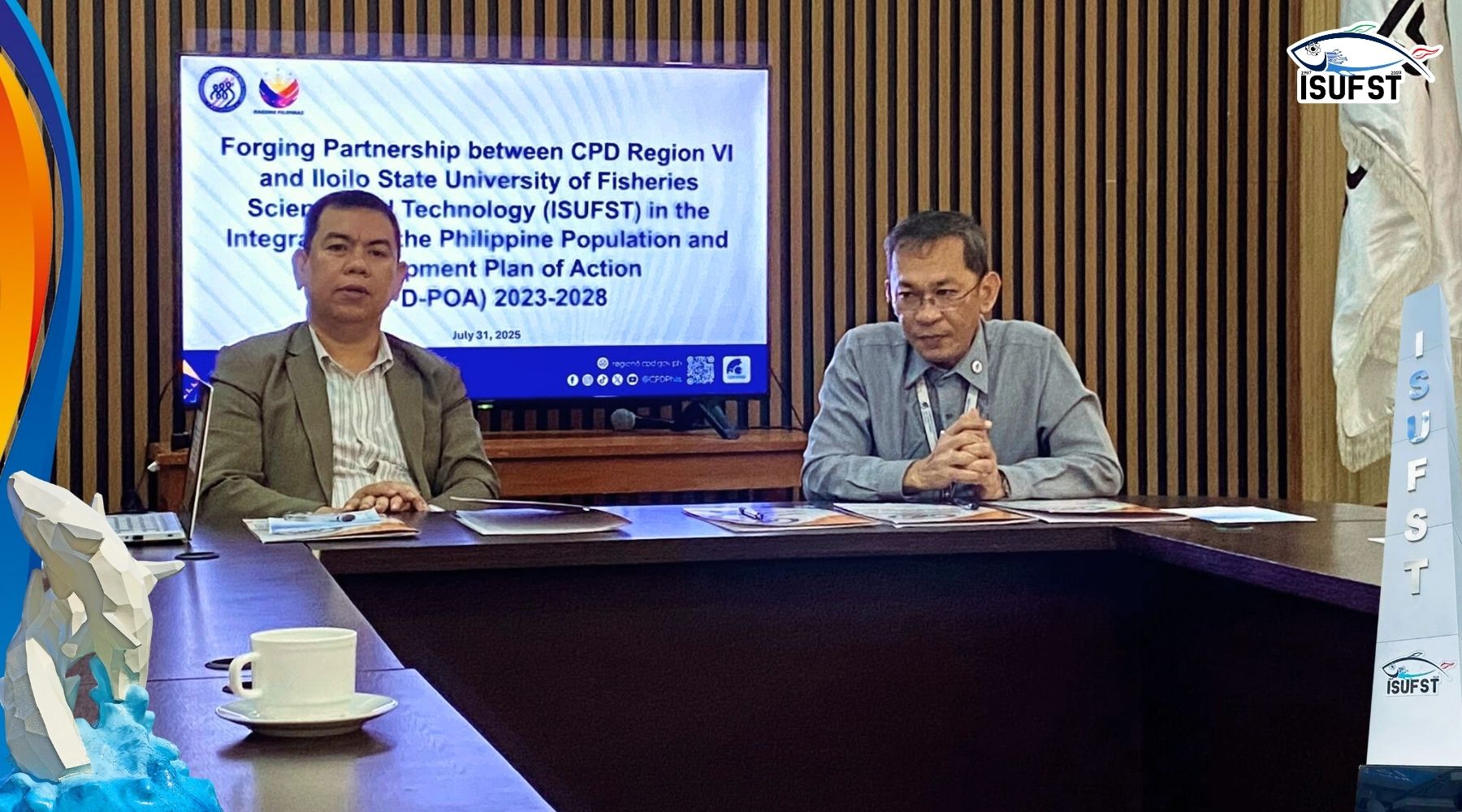
Mr. Roilo Vincent G. Laguna, Population Program Officer III/OIC PPO IV of CPD Region VI, established the focus by outlining the partnership’s objectives, highlighting the significance of community-oriented strategies in addressing population challenges and fostering inclusive development.
ISUFST President Dr. Nordy D. Siason Jr., in his message of support, emphasized how collaborations like this help turn academic institutions into active players in nation-building.
CPD Region VI Regional Director Harold Alfred P. Marshall echoed this sentiment, highlighting the value of strategic partnerships in bringing about real change on the ground.
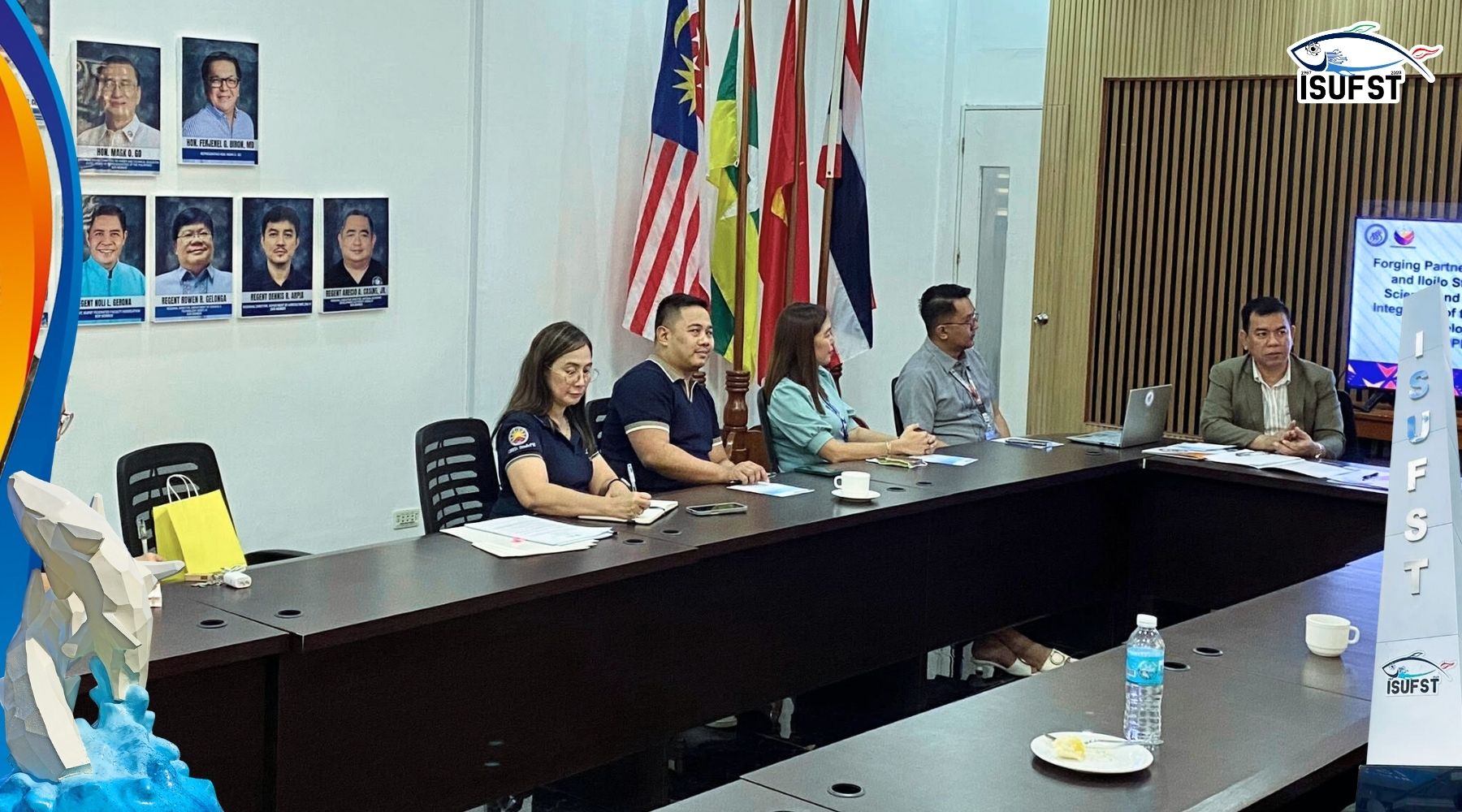
The CPD Region VI team was also represented by Mr. Jarryd Roy Diotay, Community Development Facilitator Officer, and Ms. Rachelle E. Labordo, Admin Officer V—both expressing their optimism for the initiatives that lie ahead.
Also present during the event were ISUFST’s key officials:
Dr. Lenirose B. Mondero – Director, Gender and Development (GAD) Office
Dr. Jeanette G. Bayona – Director, International Affairs and Linkages Office
Dr. Kharlle John Huatea – University Physician
Ms. Edeline Joy A. Brito – Information Officer 1 on behalf of Dr. Herman M. Lagon – Director, Public Affairs, Marketing, and Media Communications Office (PAMMCO).
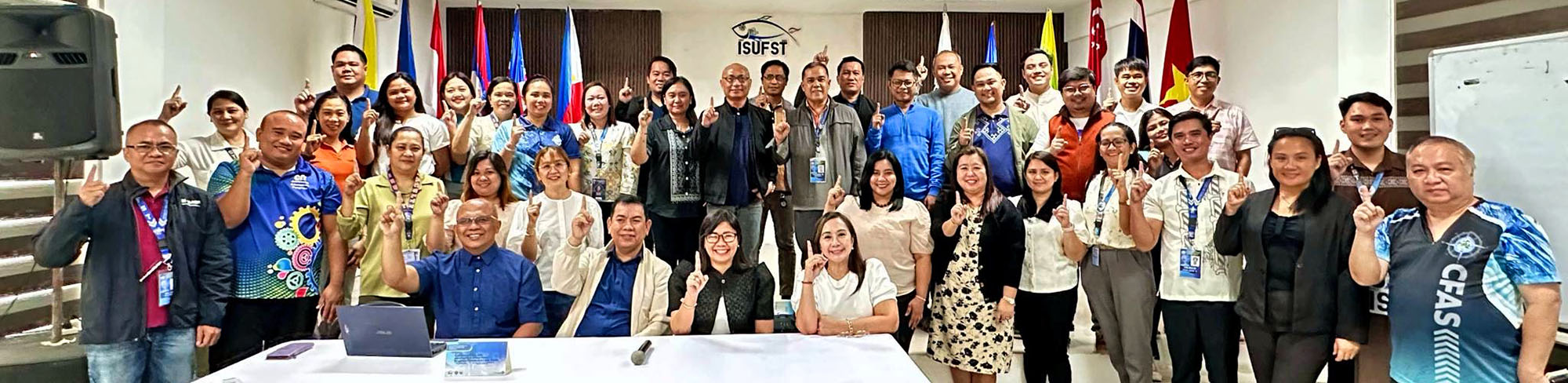
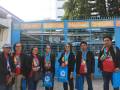
The ceremony concluded on an emotional note with the signing of the MOU—marked by handshakes, exchanged smiles, and a group photograph that reflected not just external expressions but also a feeling of hope and common purpose. It was more than a ceremony; it symbolized the start of something significant for the people and communities this collaboration aims to assist.
With this partnership, ISUFST and CPD Region VI are opting to advance collectively—not only in documentation but also through tangible actions. Their common goal: to initiate actions that extend past mere awareness and promote genuine, enduring change. It seeks to cultivate communities that are not only knowledgeable but also resilient, healthier, and capable of directing their own destinies.
At its essence, this collaboration highlights the strength of connection—showcasing the results when organizations go beyond their limits and engage with communities in their own environments. True growth occurs not alone, but alongside the individuals we support.(𝙀𝙙𝙚𝙡𝙞𝙣𝙚 𝙅𝙤𝙮 𝘽𝙧𝙞𝙩𝙤/𝙋𝘼𝙈𝙈𝘾𝙊)