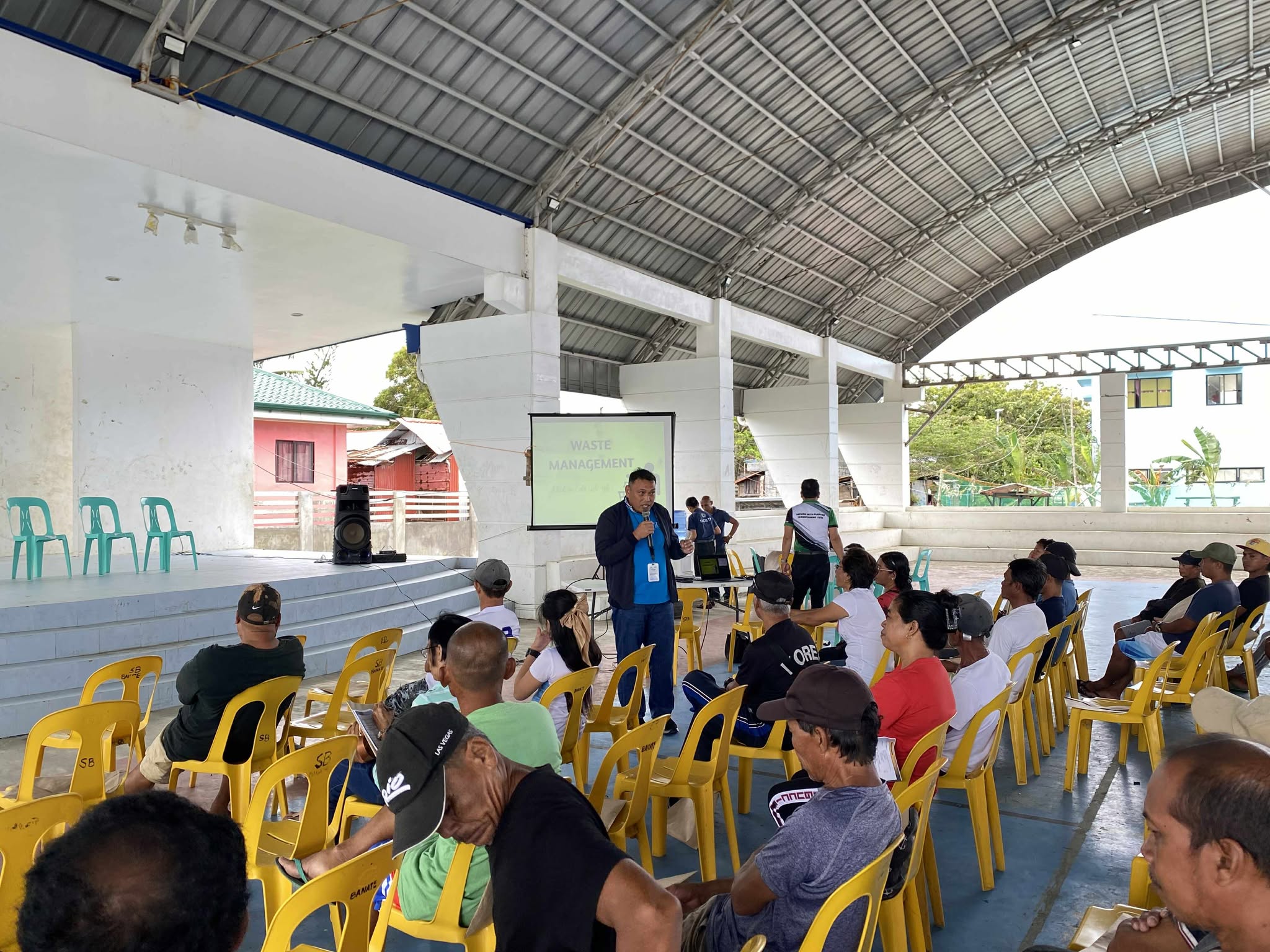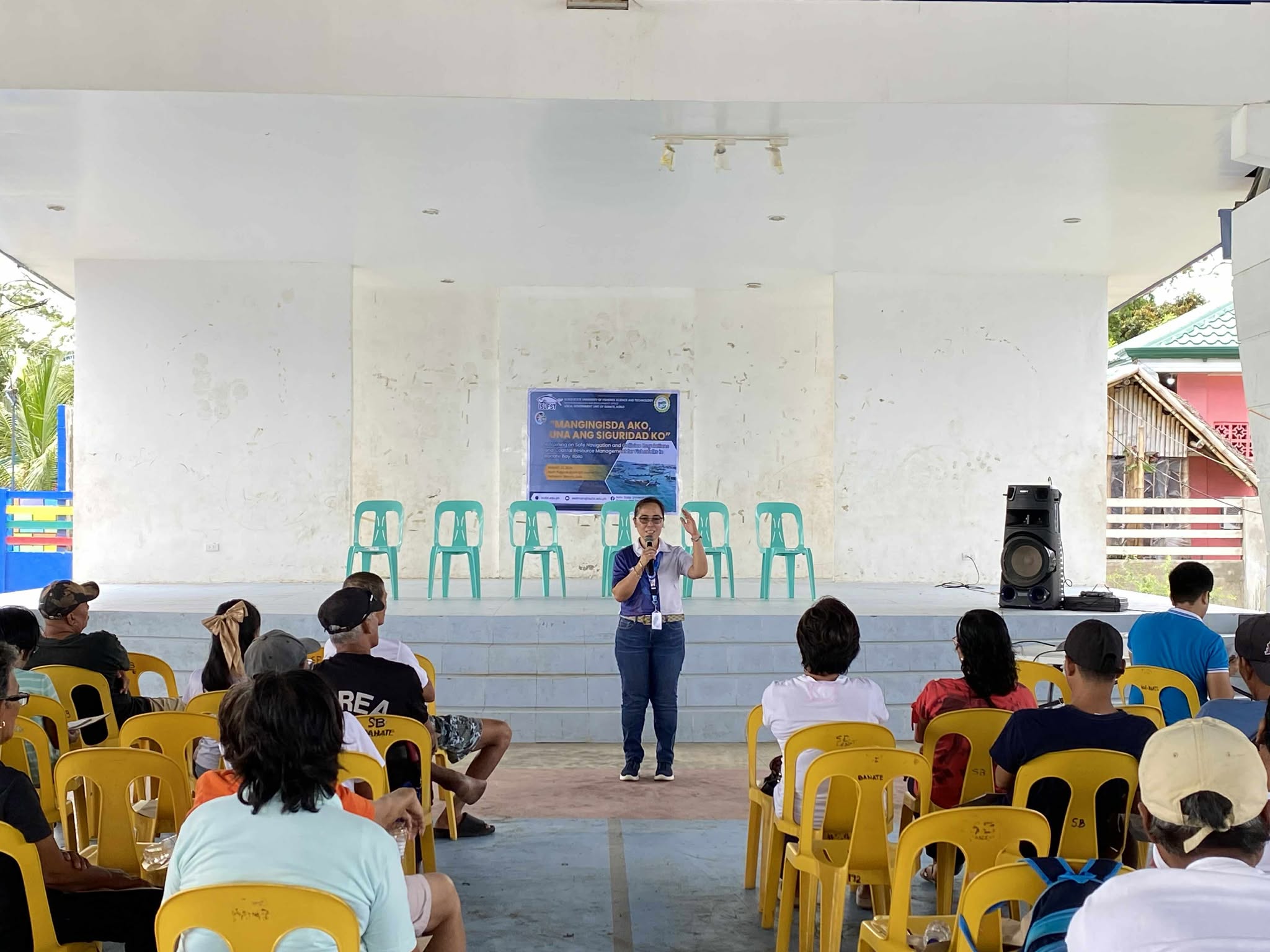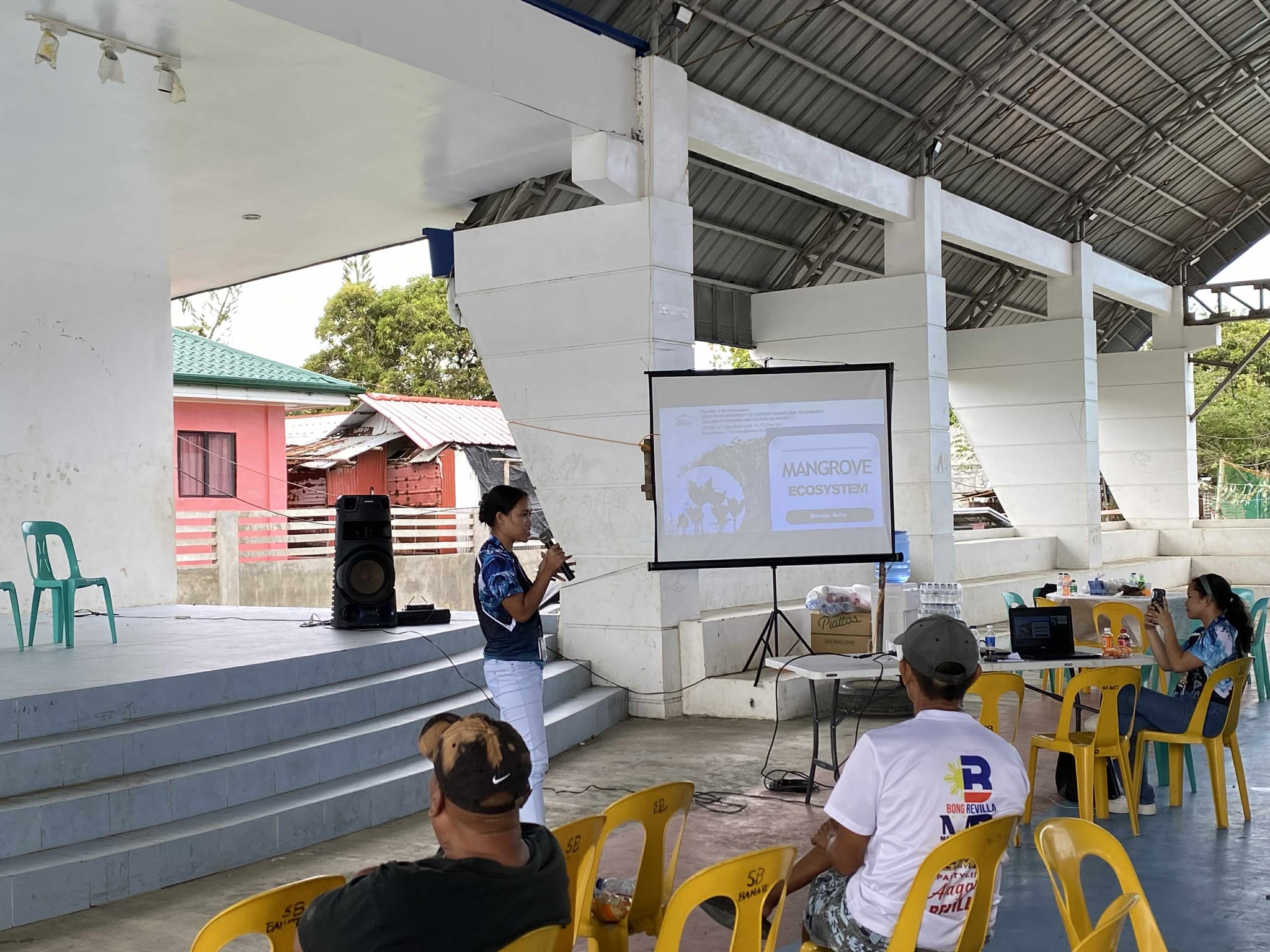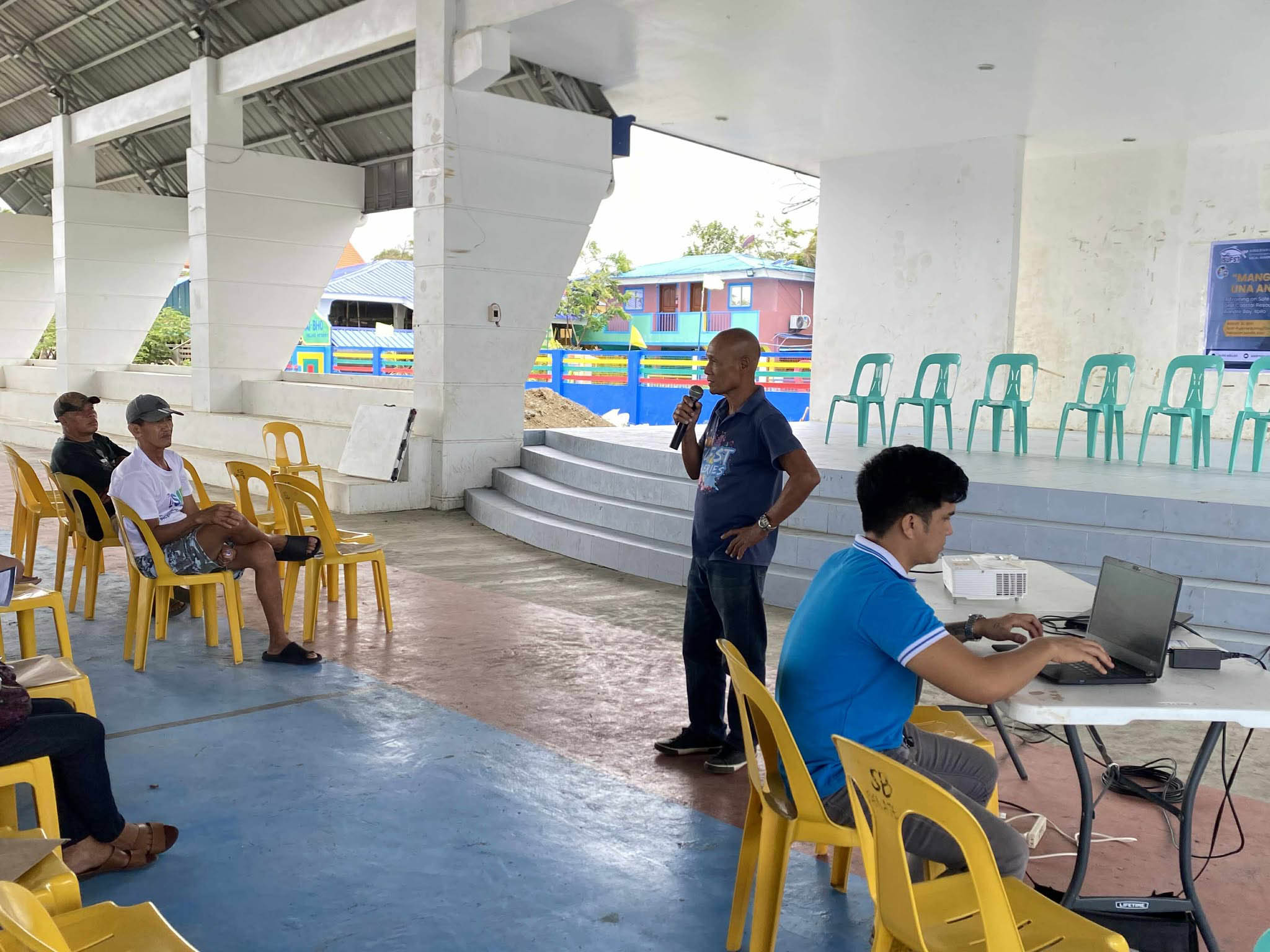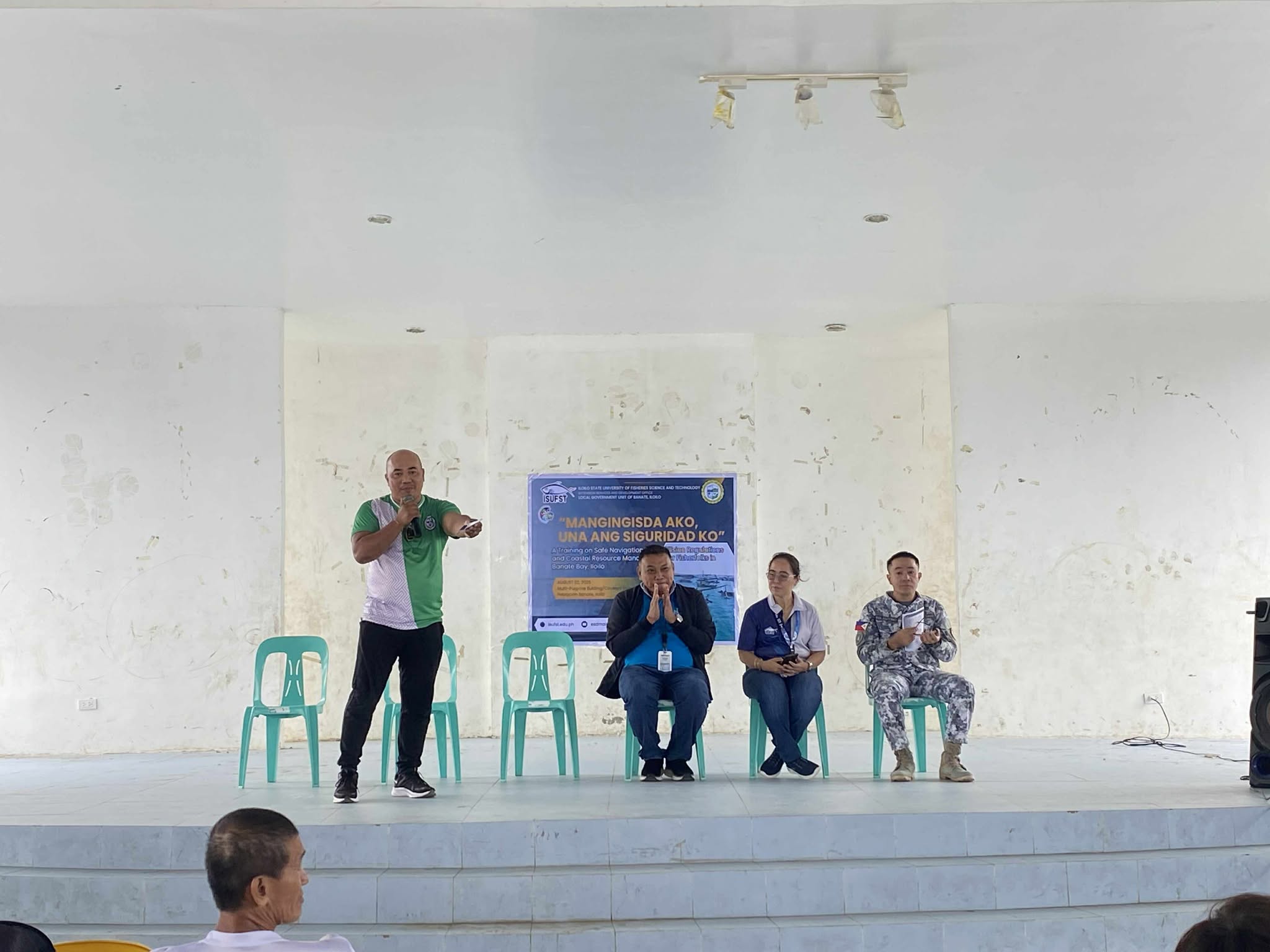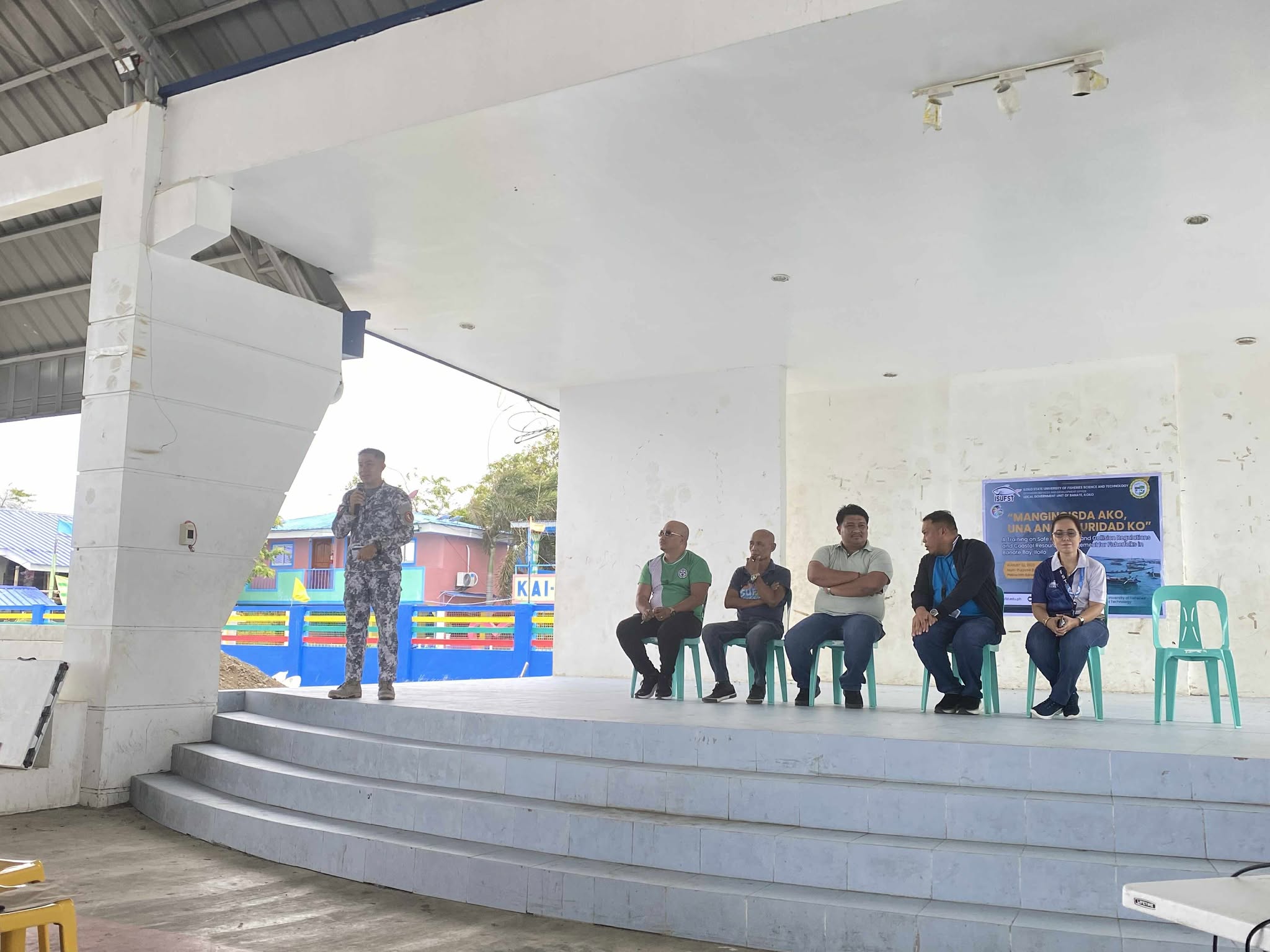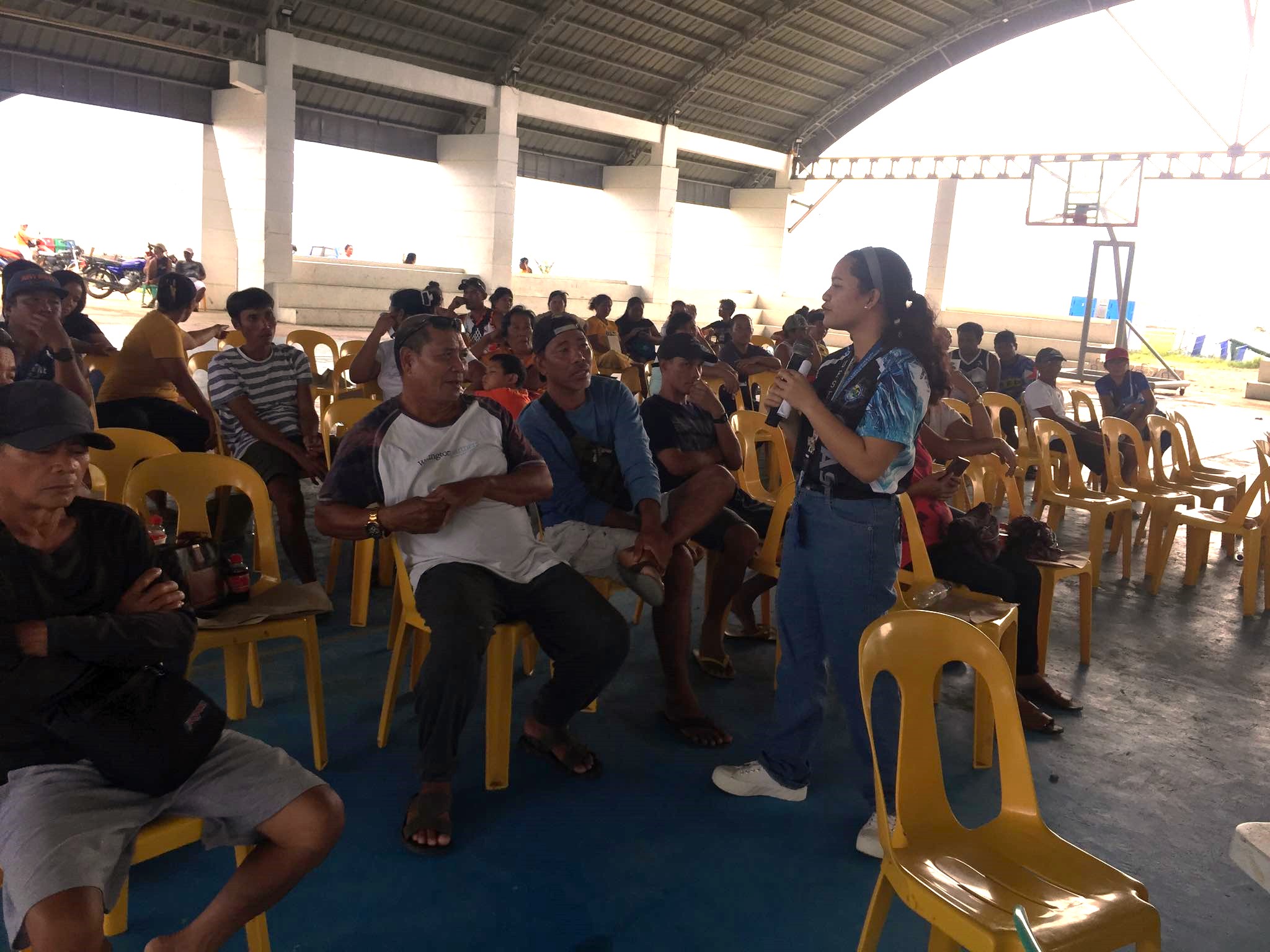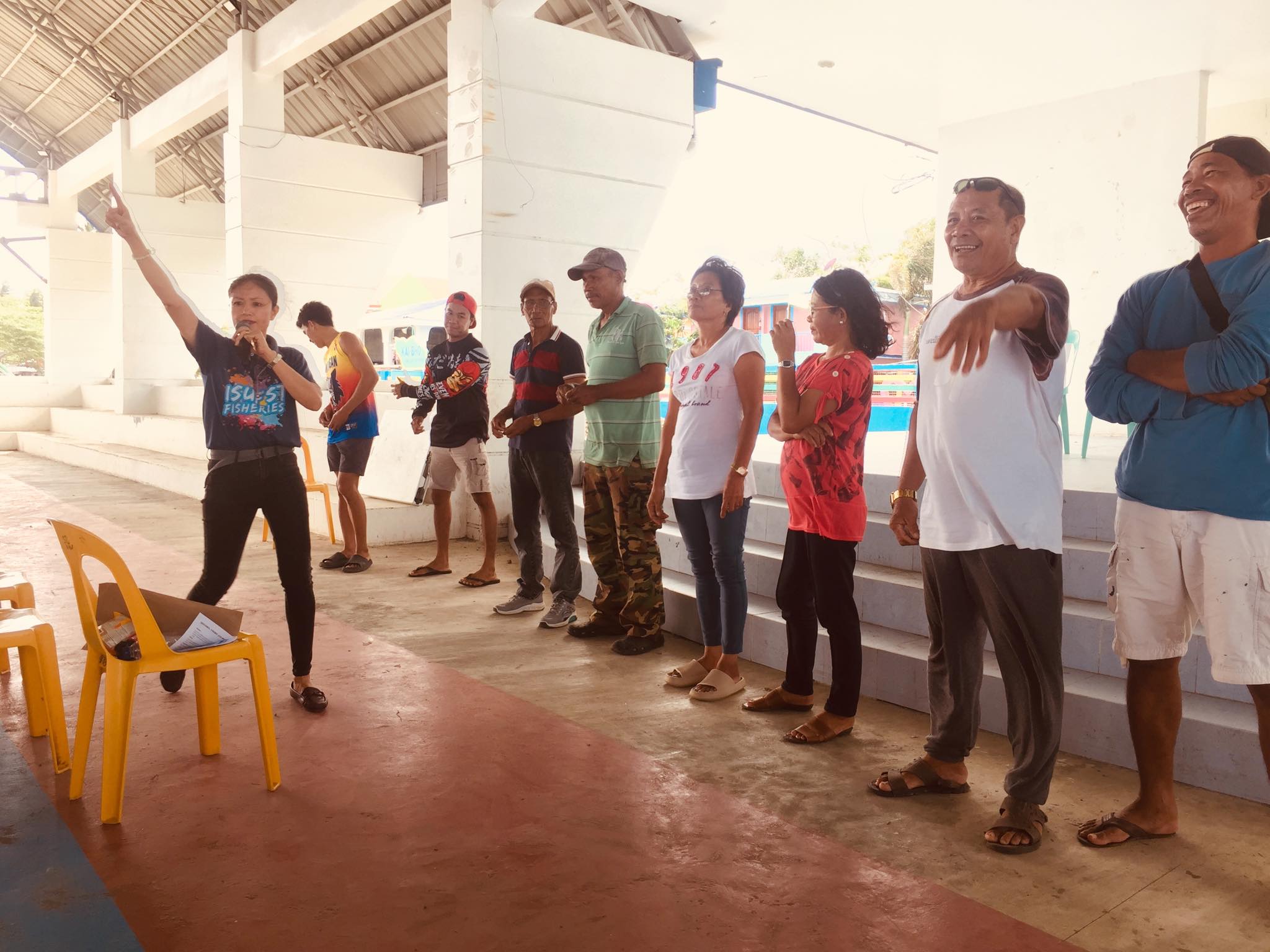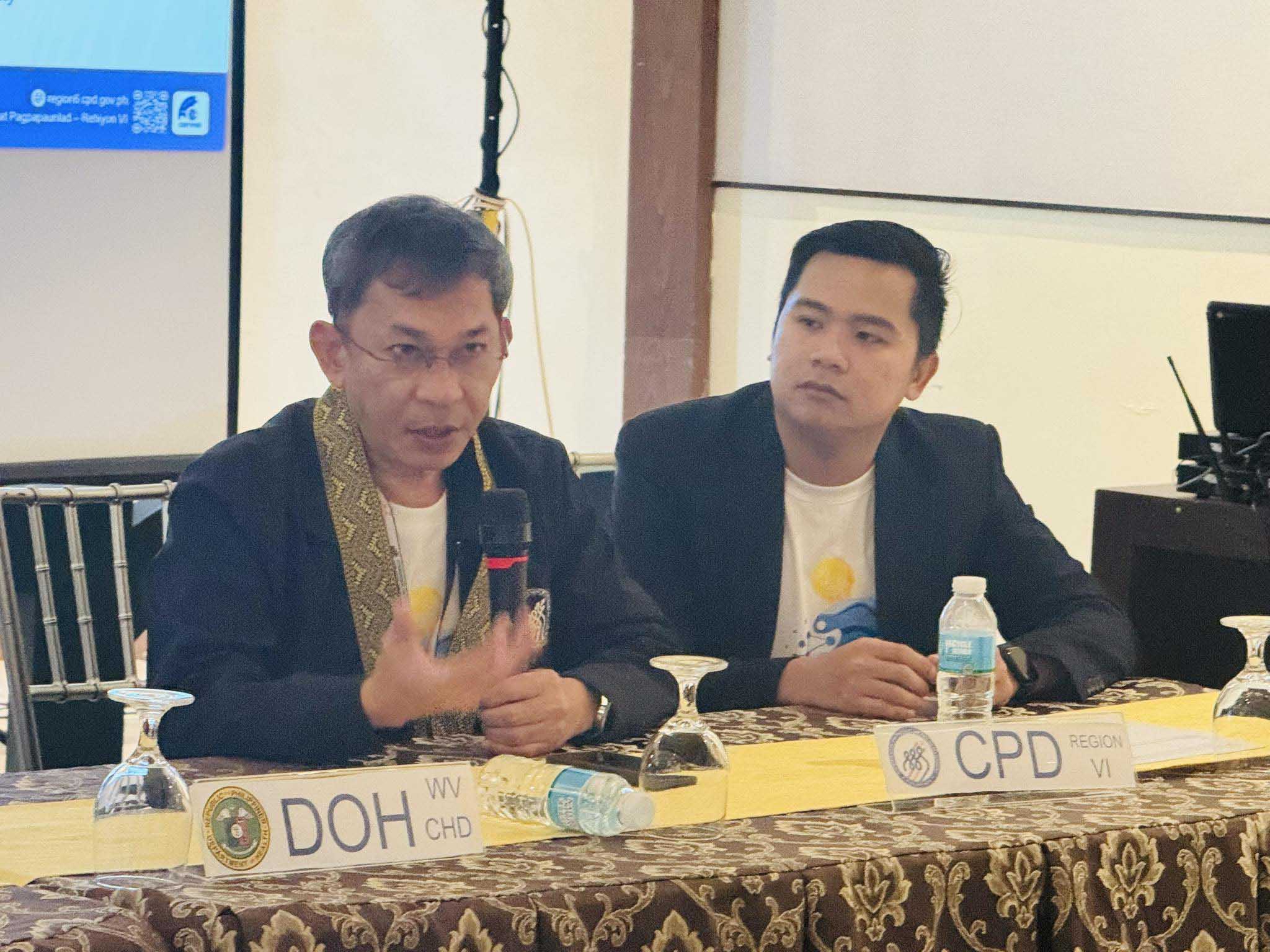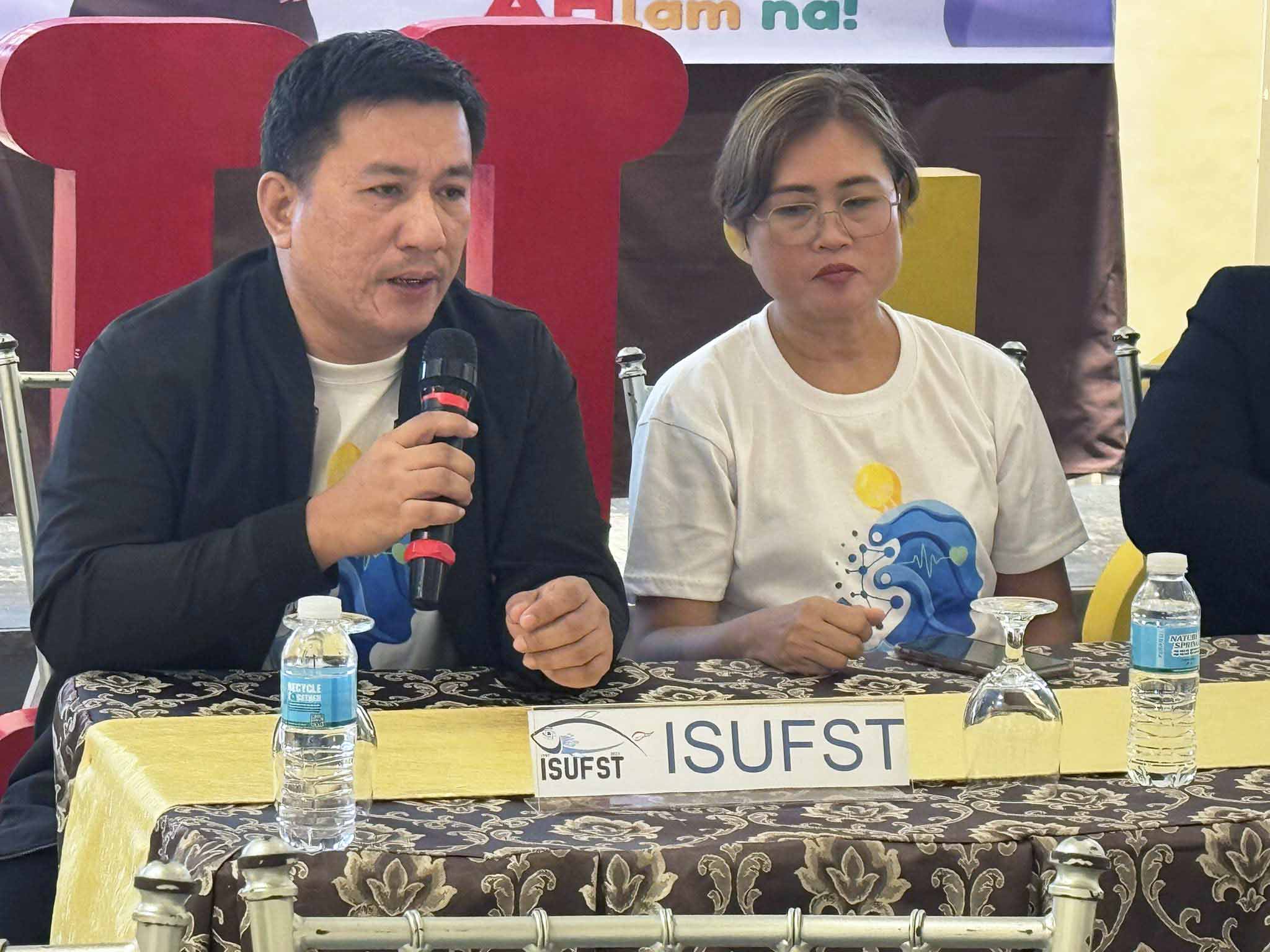
Three Organizations, One Goal: ISUFST, SAO Philippines, and Rivers Global Unite to Protect Banate Bay
From DHS, DAIS, DATEC, ISCOF to ISUFST — generations of proud alumni gathered on July 26, 2025, to celebrate a legacy built through time. The event was graced by University President Dr. Nordy Siason Jr., with an inspiring keynote message from Mr. Wilson Batislaon.
The day began with a colorful parade of batches, each joyfully led by their muses and escorts — a wonderful display of the unity and pride shared by all who have been part of these halls.
More than just a reunion, the Grand Alumni Homecoming was a heartfelt reminder that no matter where life leads us, this will always be one legacy, one home.
– Edeline Joy Brito / PAMMCO
📸 Sir Ricky Ramos
#ISUFST #ISUFSTisDaFirst #ISUFSTCommunity
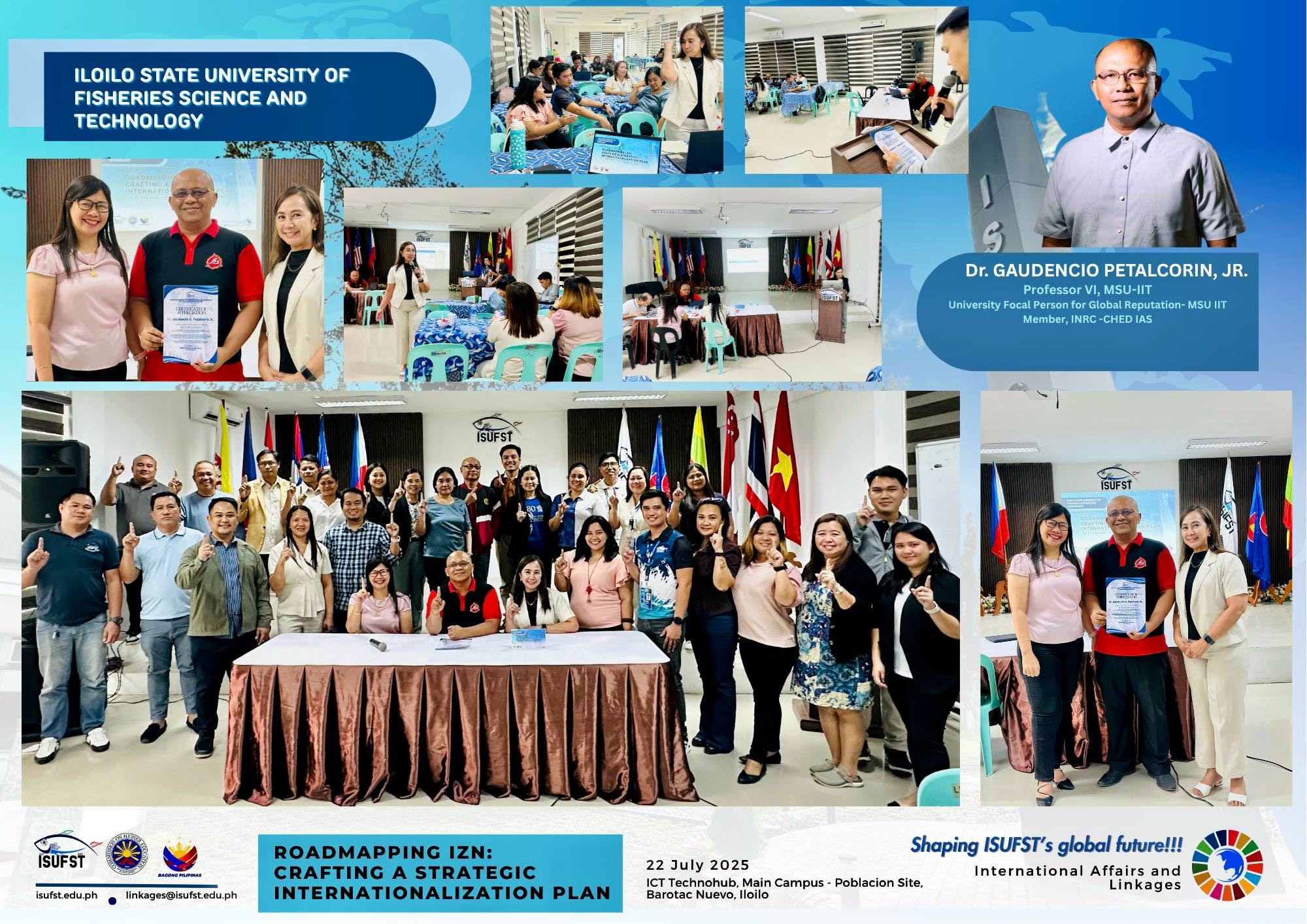
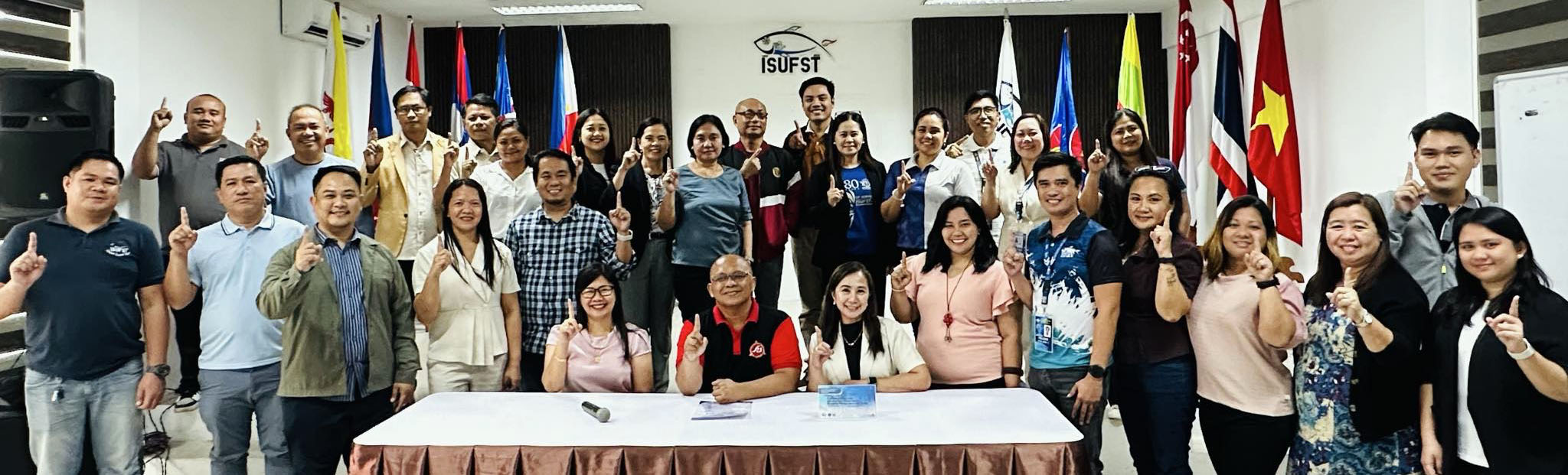
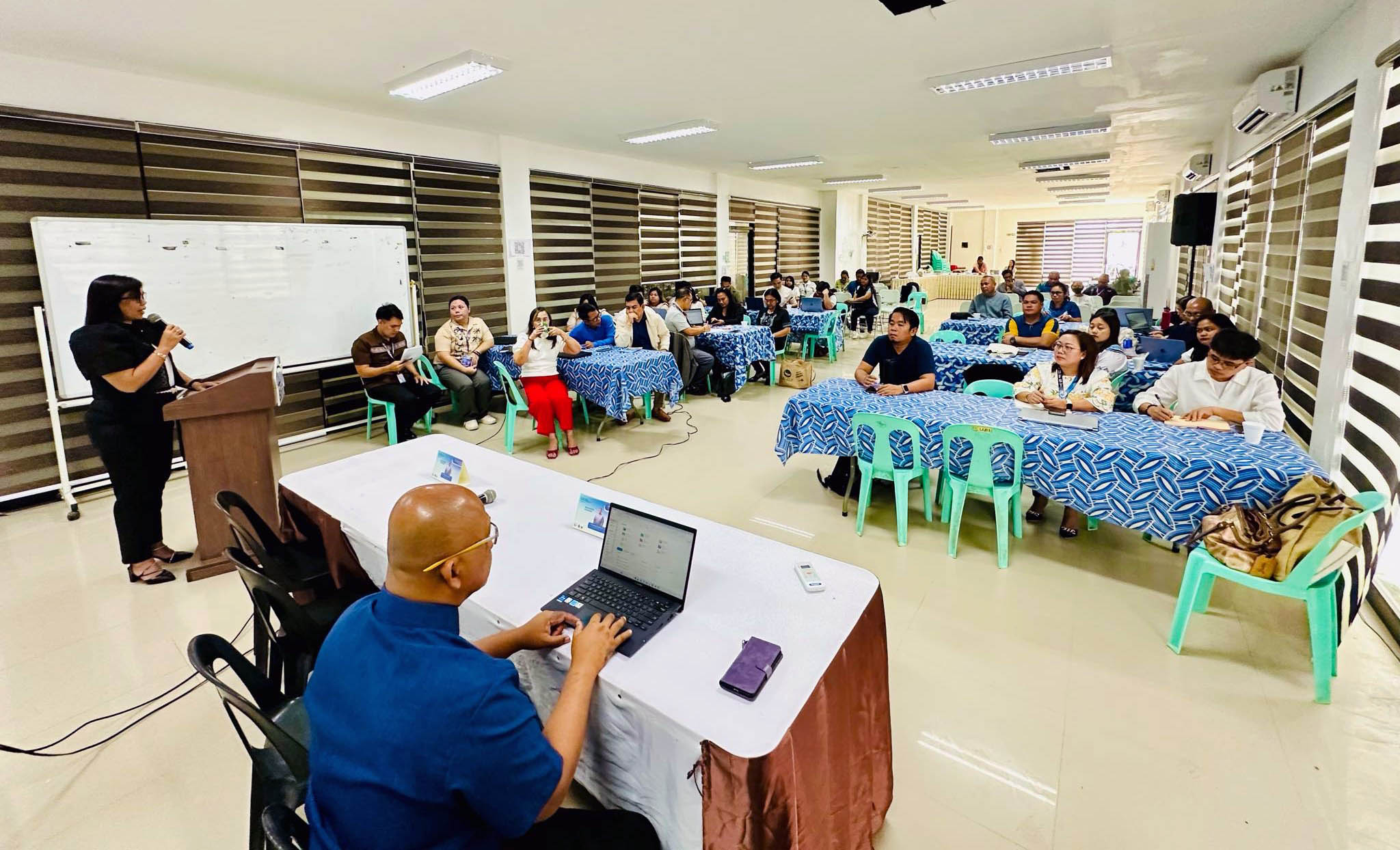
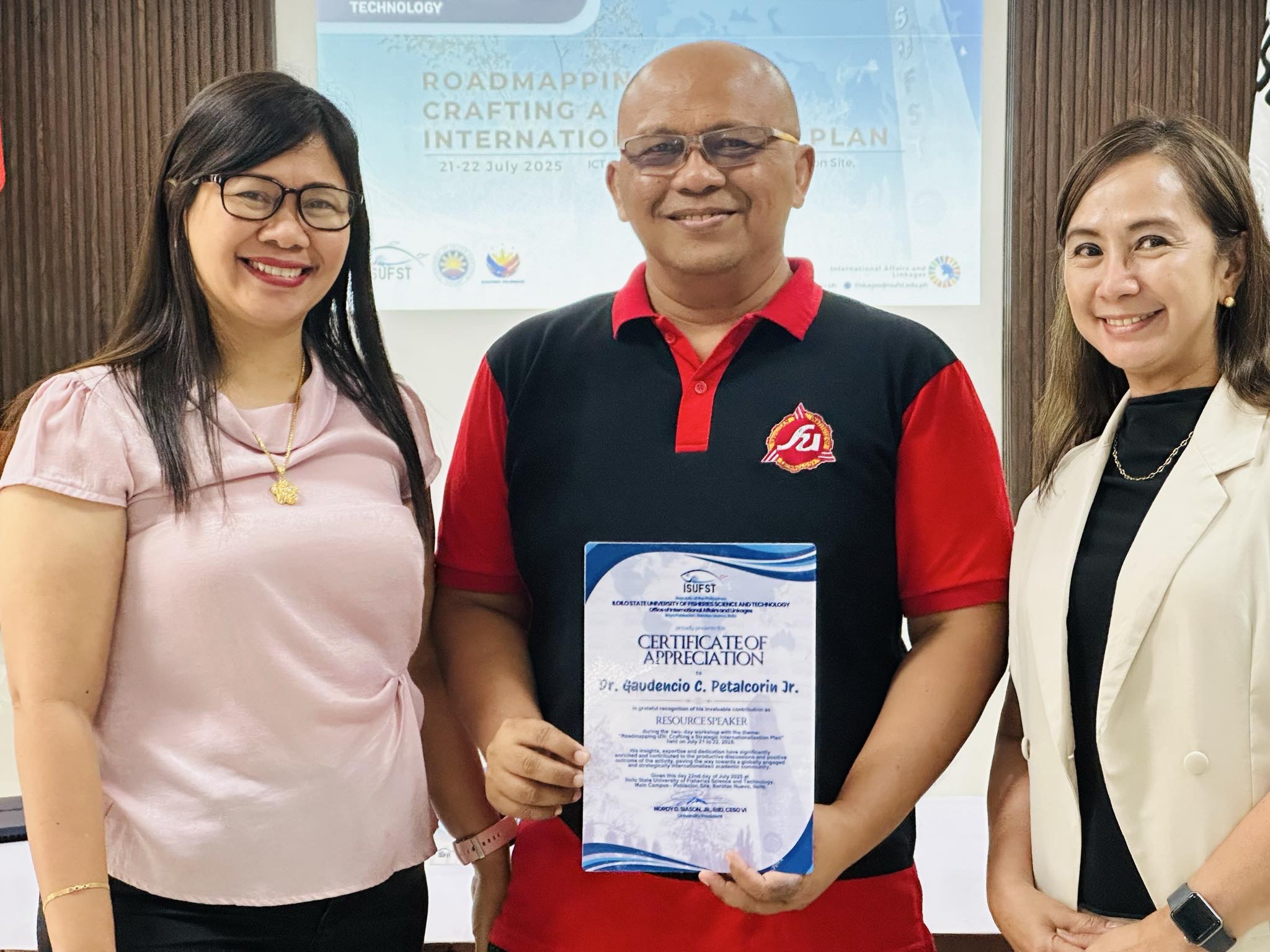
With bold aspirations and grounded hearts, the Iloilo State University of Fisheries Science and Technology (ISUFST) opened a two-day Strategic Planning Workshop on Internationalization on July 21, 2025, at the ICT TechnoHub in ISUFST Main Campus-Poblacion Site, Barotac Nuevo, Iloilo. The initiative aims to craft a five-year roadmap to guide the university’s global engagements—while staying true to its mission to serve the people of Iloilo, especially those at the margins.
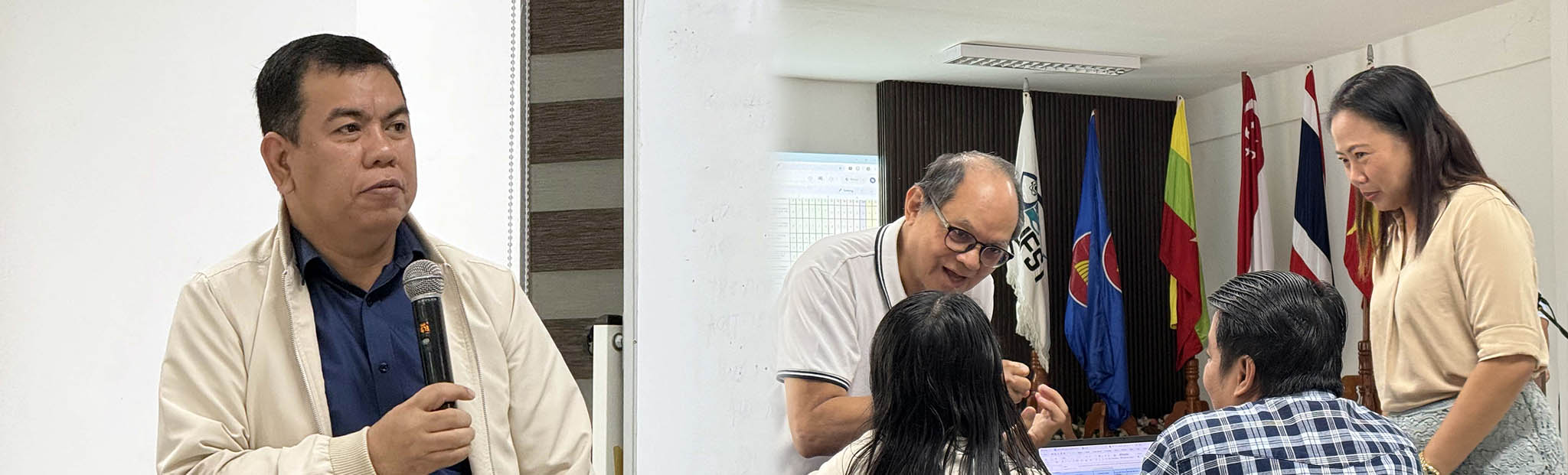
Bringing together deans, program heads, faculty, internationalization staff, directors, and university administrators, the workshop is led by Dr. Gaudencio C. Petalcorin Jr., Professor VI and Global Reputation Focal Person of Mindanao State University–Iligan Institute of Technology (MSU-IIT). A seasoned academic leader and CHED Internationalization Committee member, Petalcorin brings years of experience in integrating global standards into local institutions.
“We already have what it takes to go global,” Petalcorin said. “But for the plan to work—not just on paper but in people’s lives—our hearts must be in it. Good ideas need effective packaging to make an impact.”
The first day featured aspiration-setting and hands-on workshops per academic program. Each team identified its strategic goals, action points, and success indicators for the next five years. The following morning, Petalcorin and special guest Prof. Eddie Nuque from De La Salle University presented the outputs.
Nuque emphasized the importance of staying mission-focused amid the university’s expanding international reach. “Yes, we must engage the world. But we should never forget that our core mission is to serve the people of Iloilo—especially the marginalized communities who rely on education for opportunity,” he said. “Internationalization should be a tool to deepen—not distract from—our local impact.”
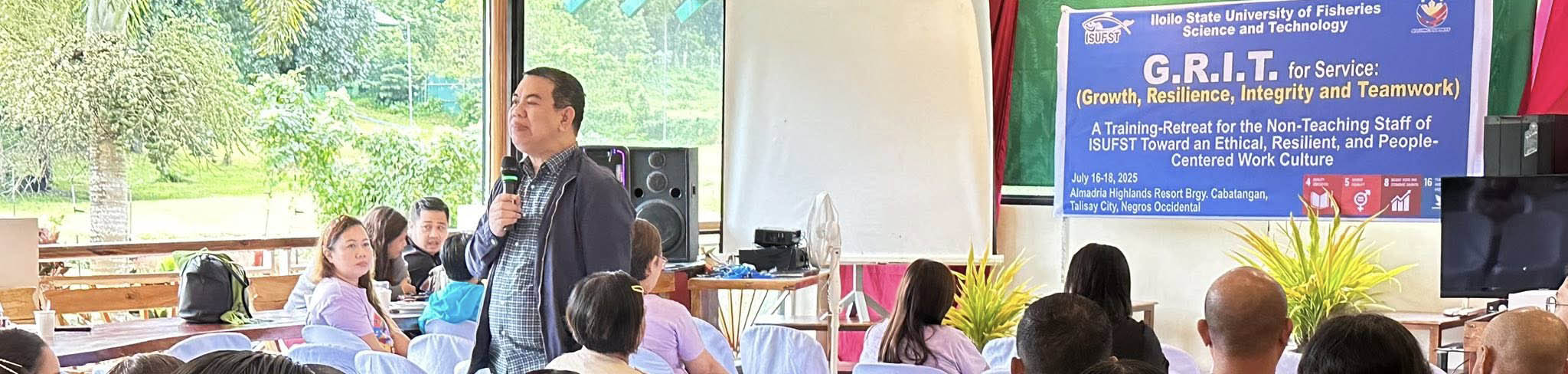
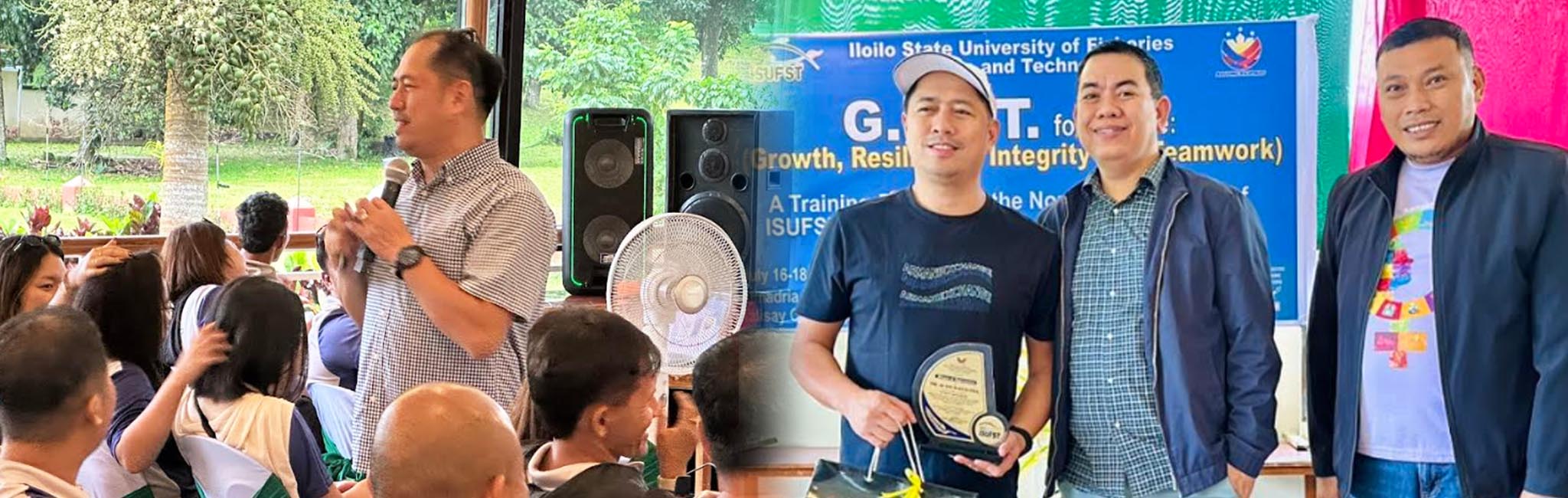
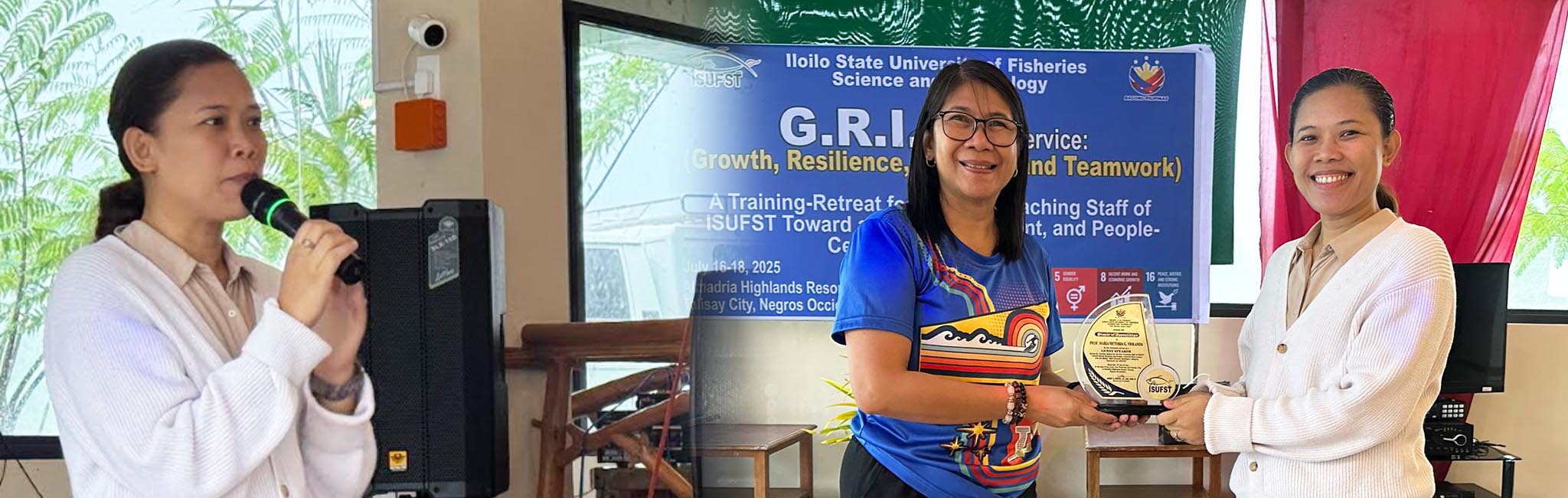
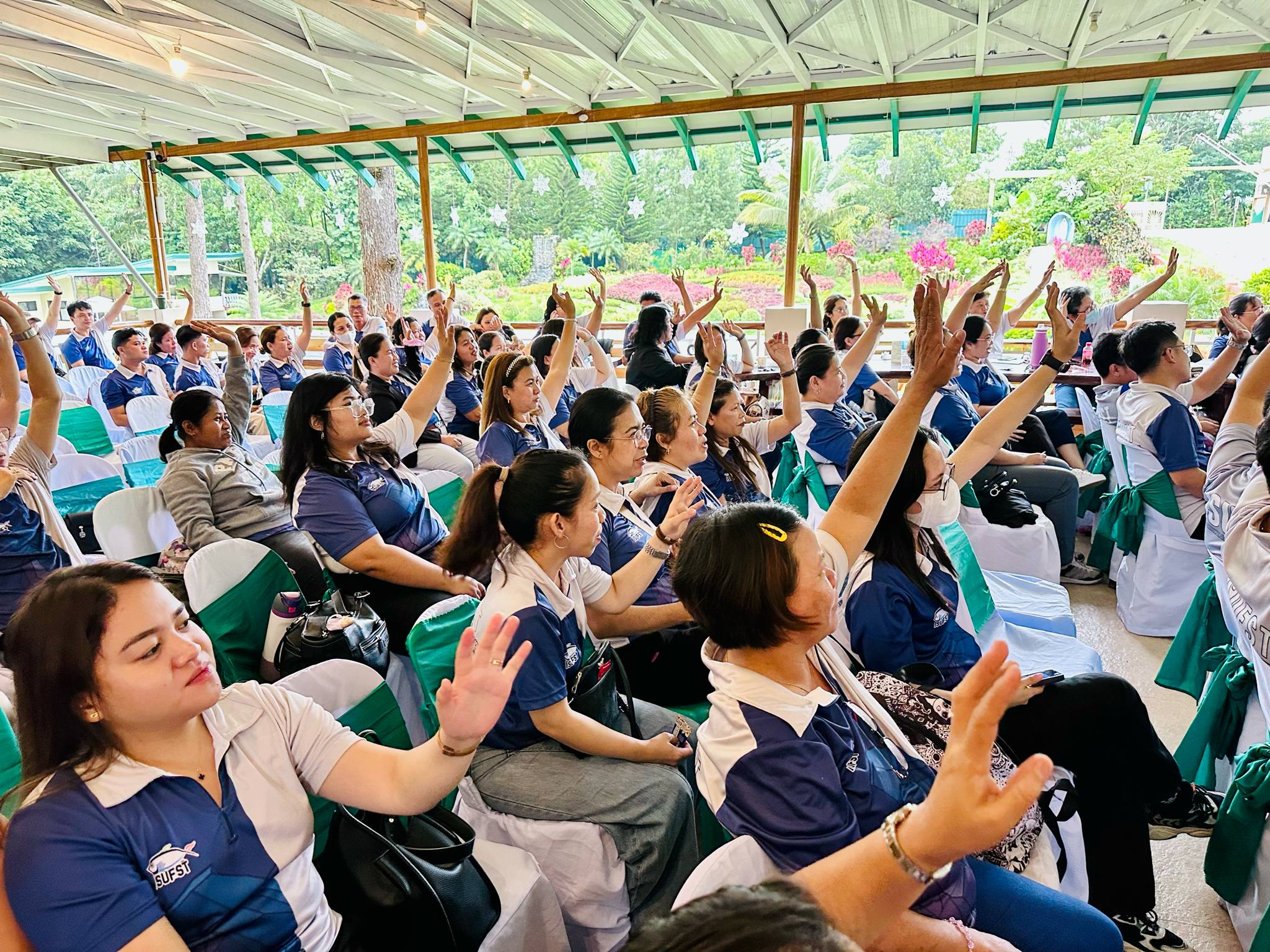
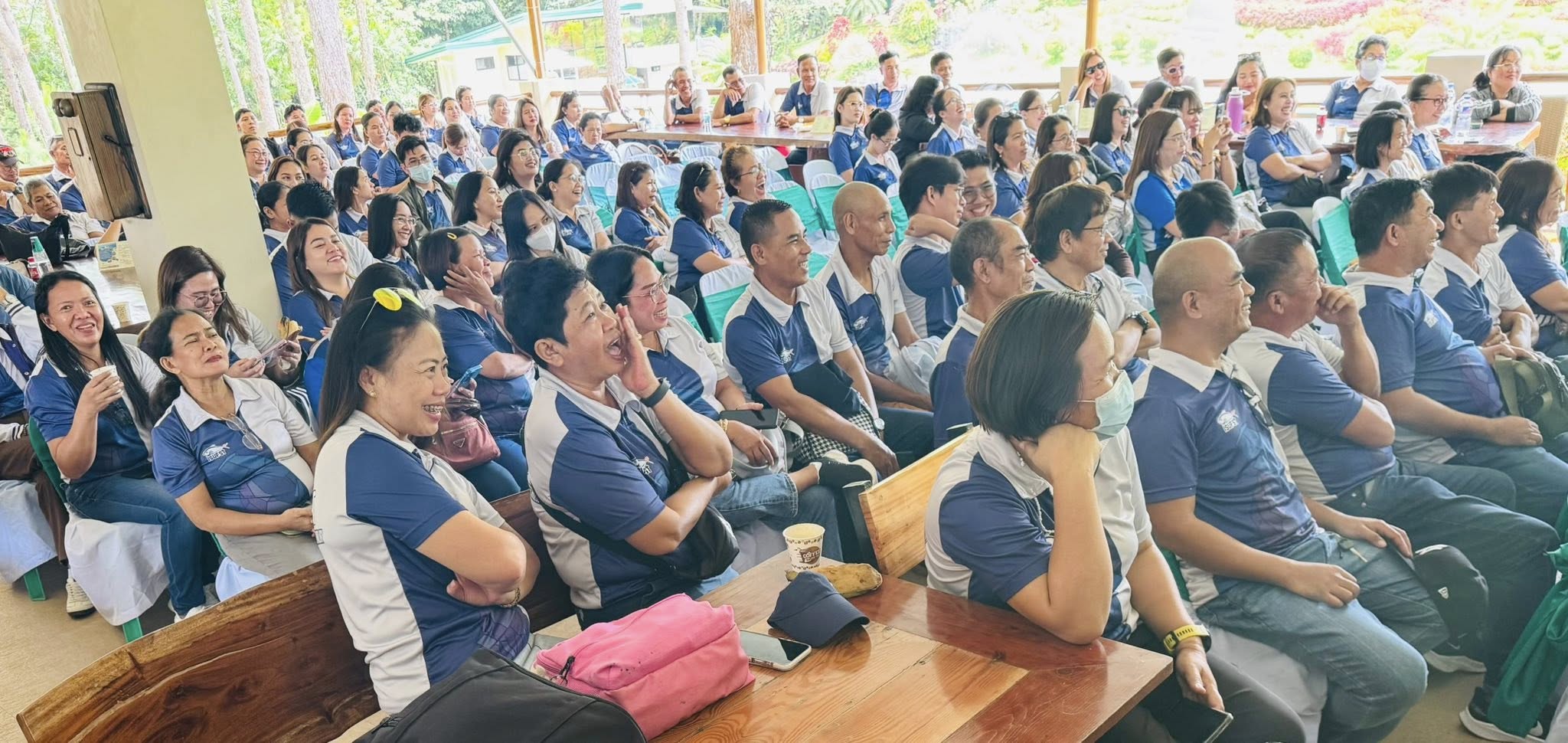
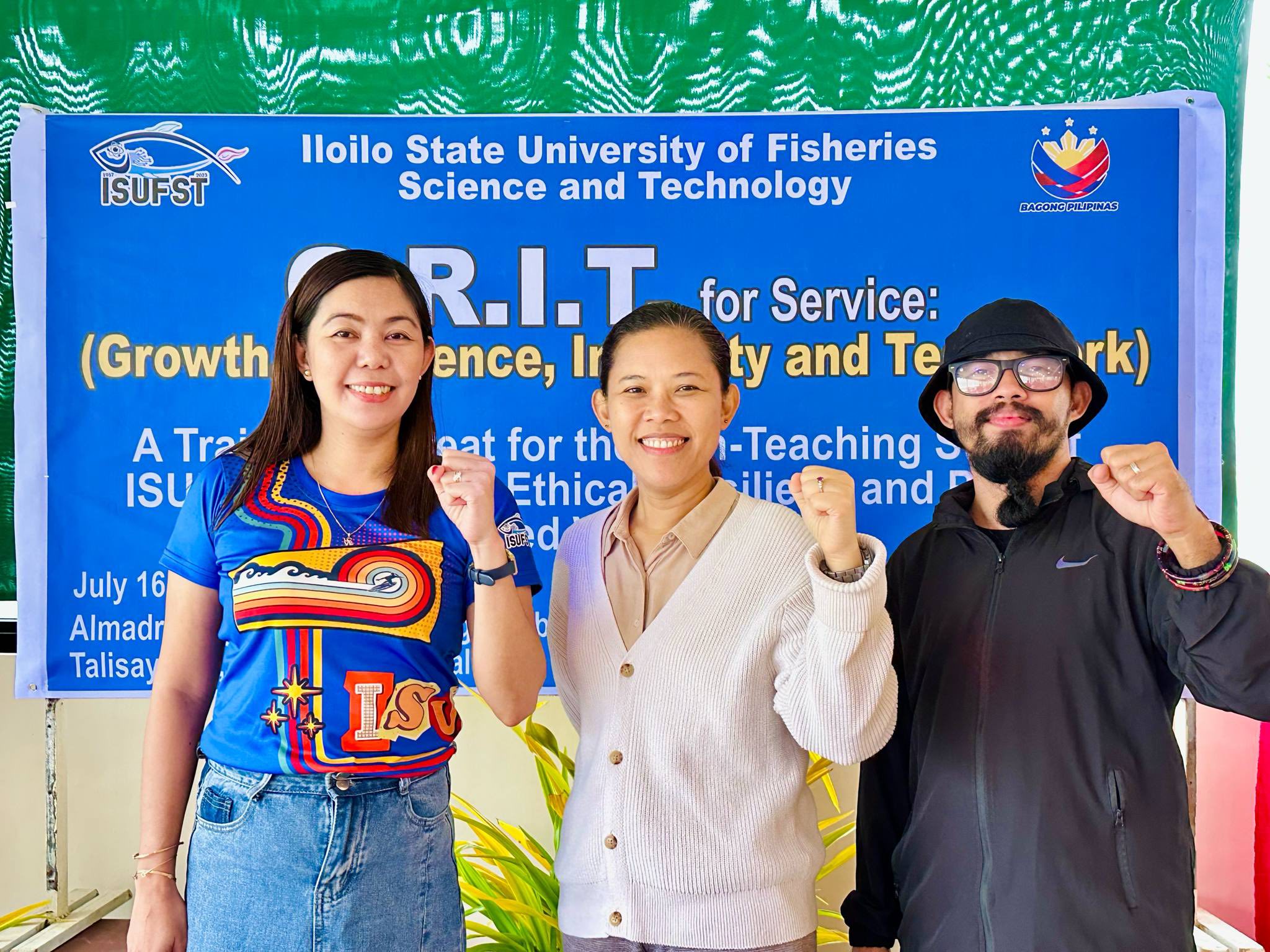
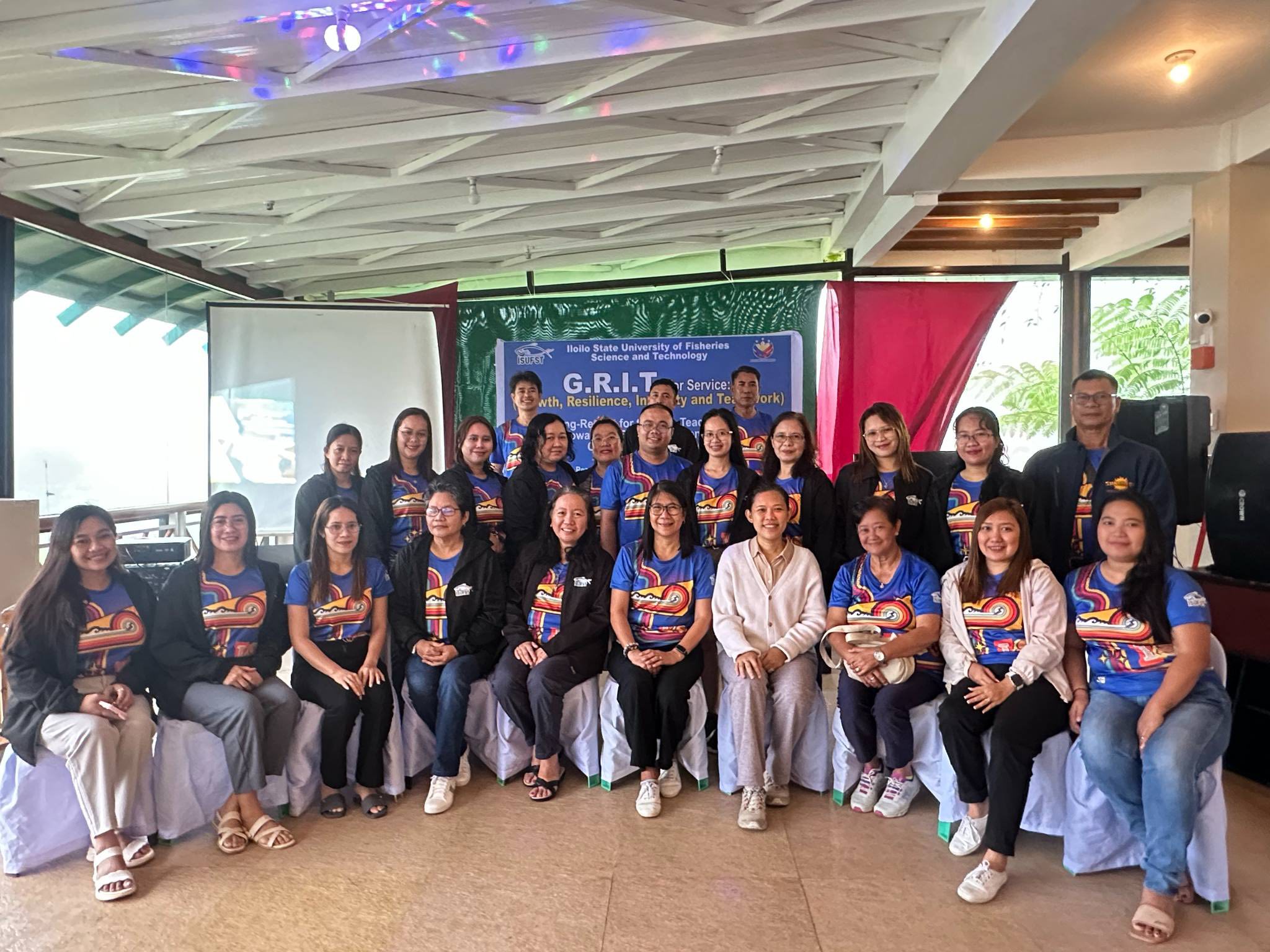
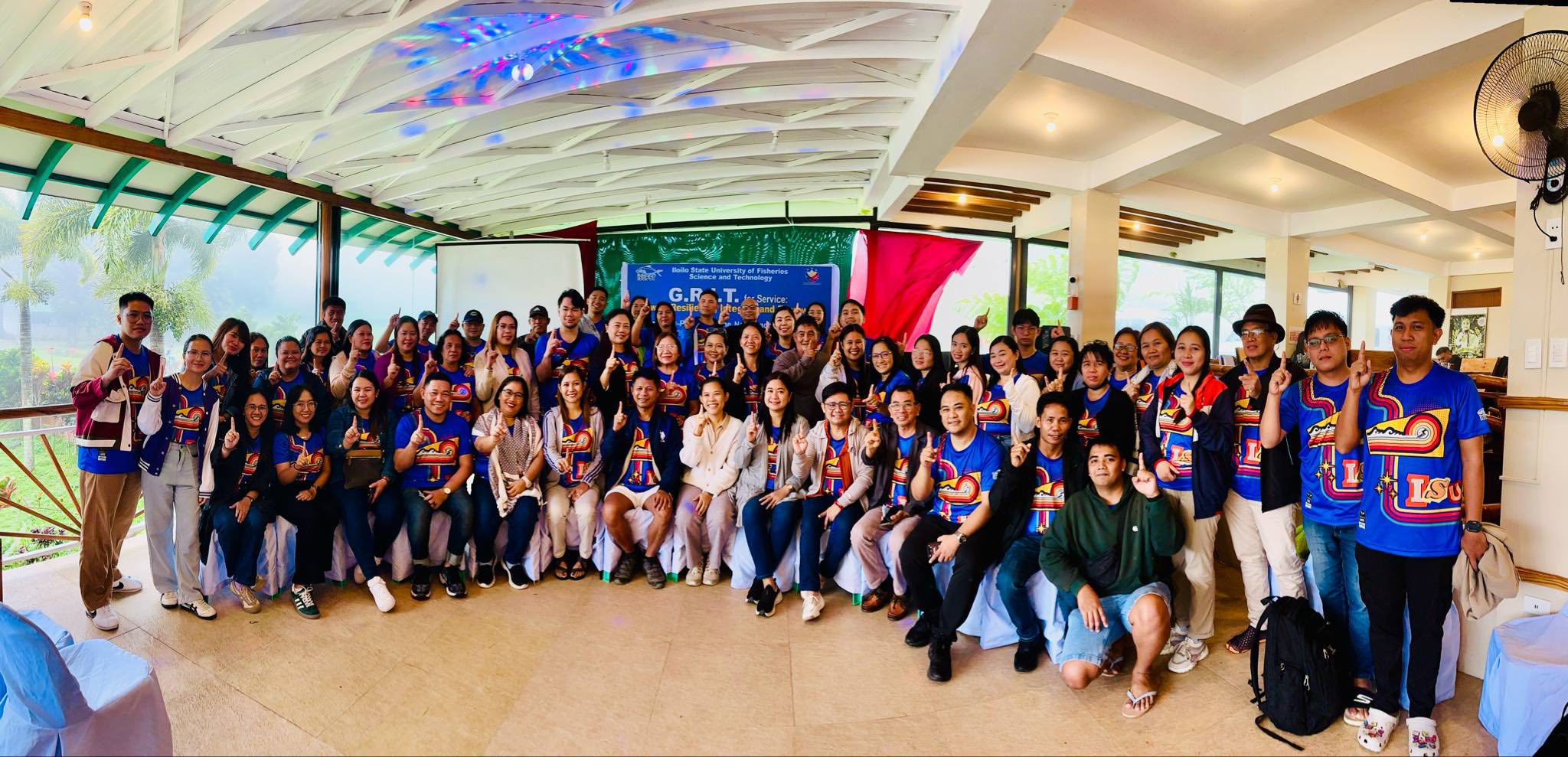
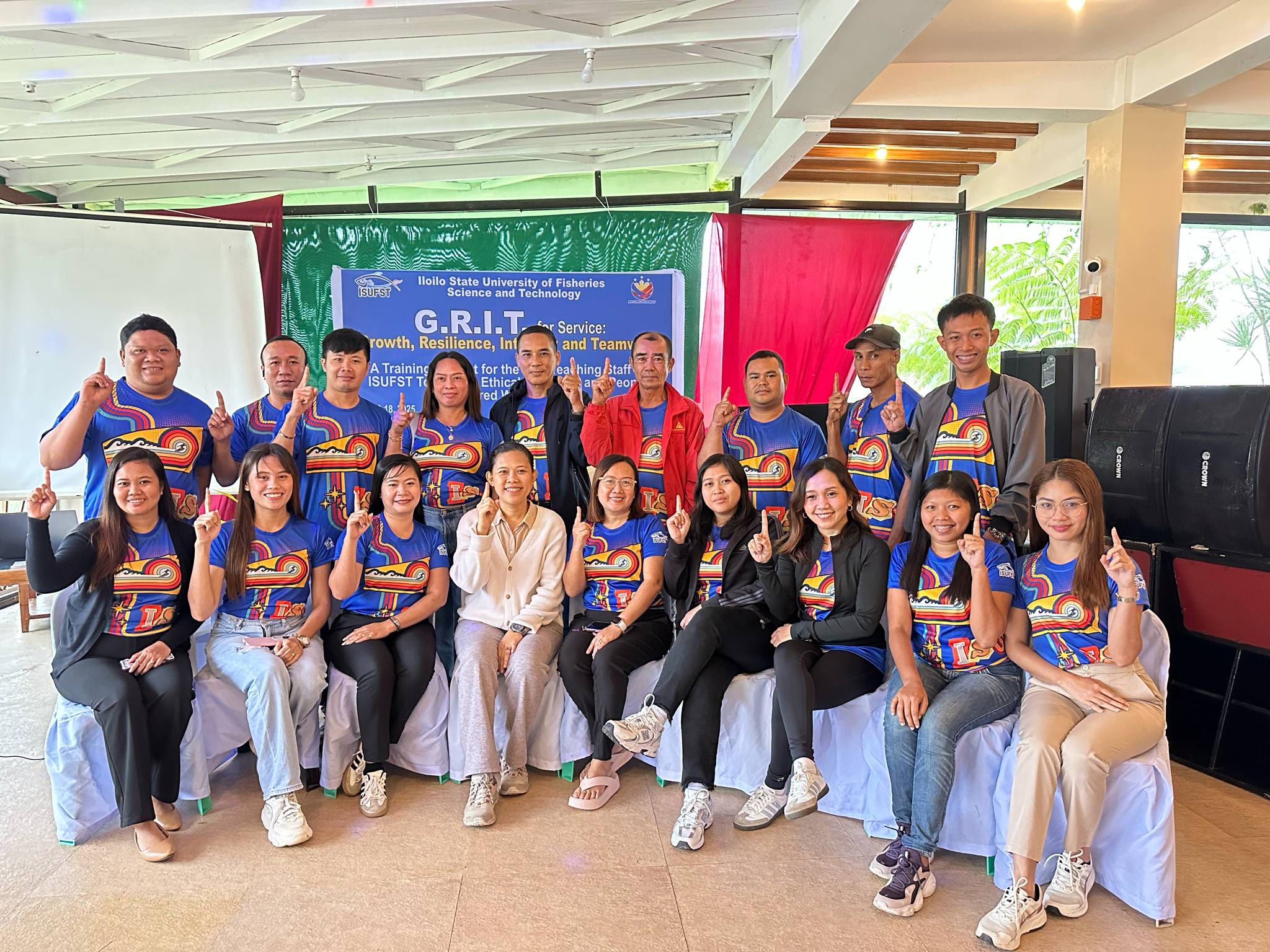
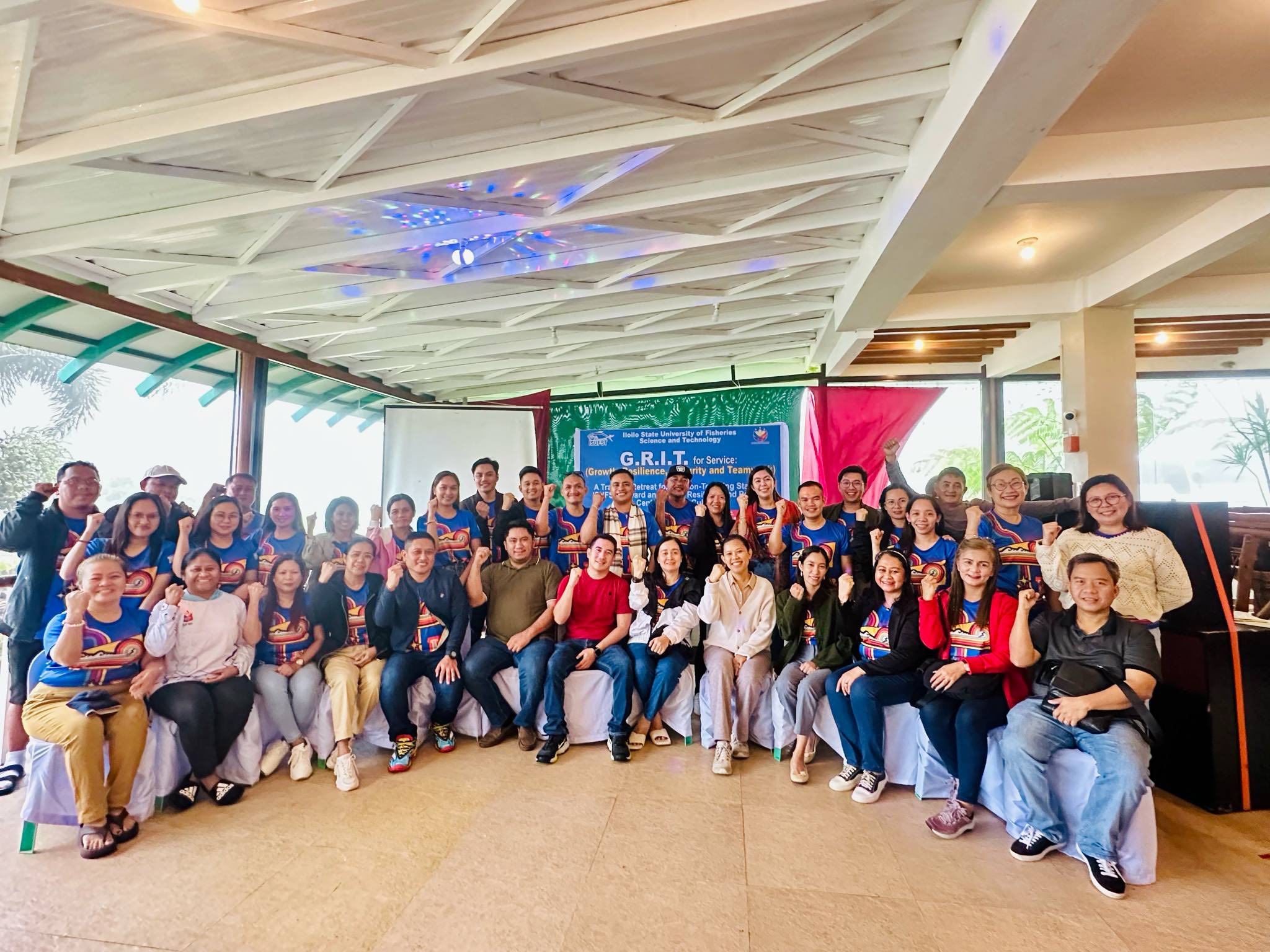
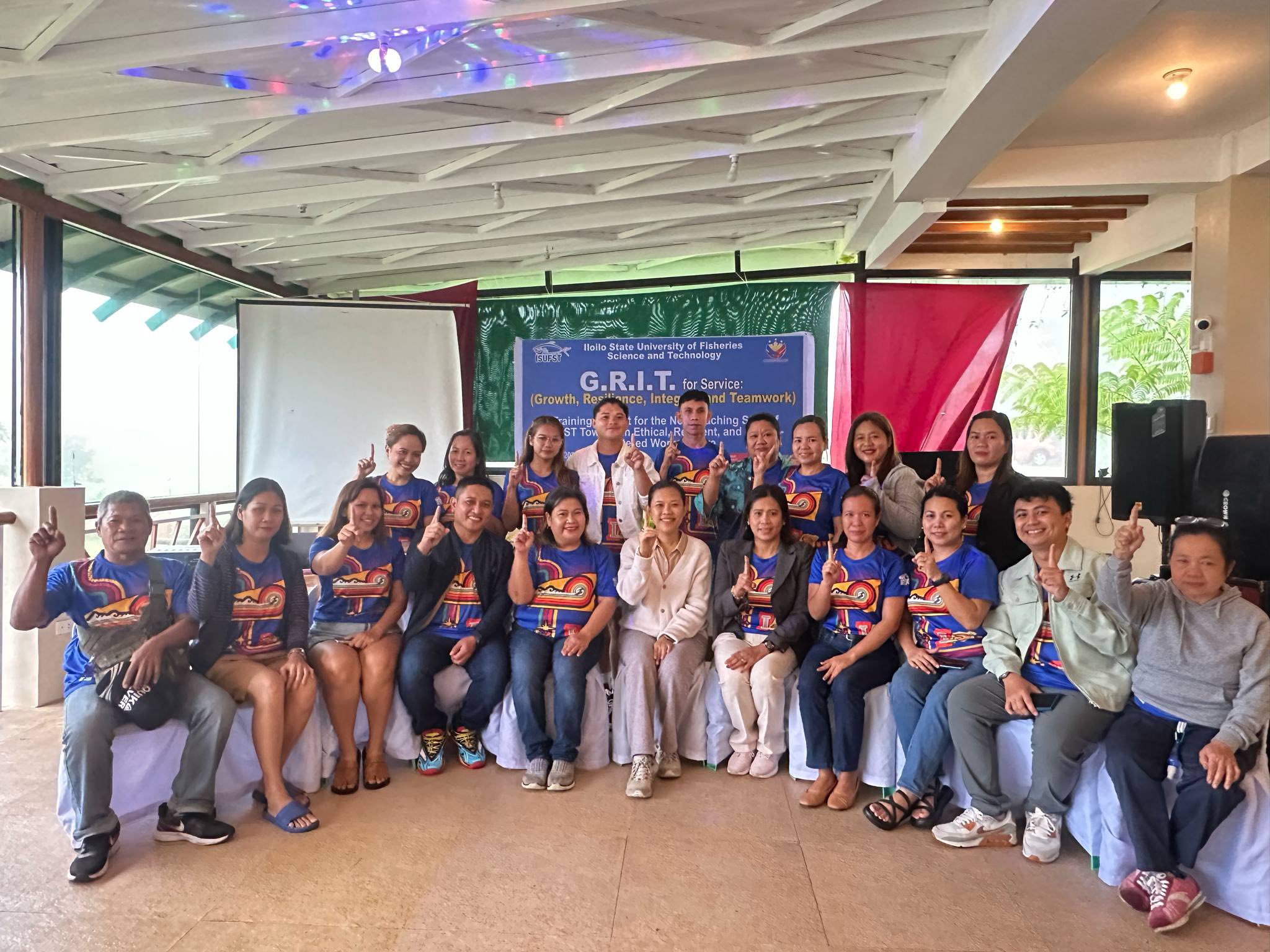
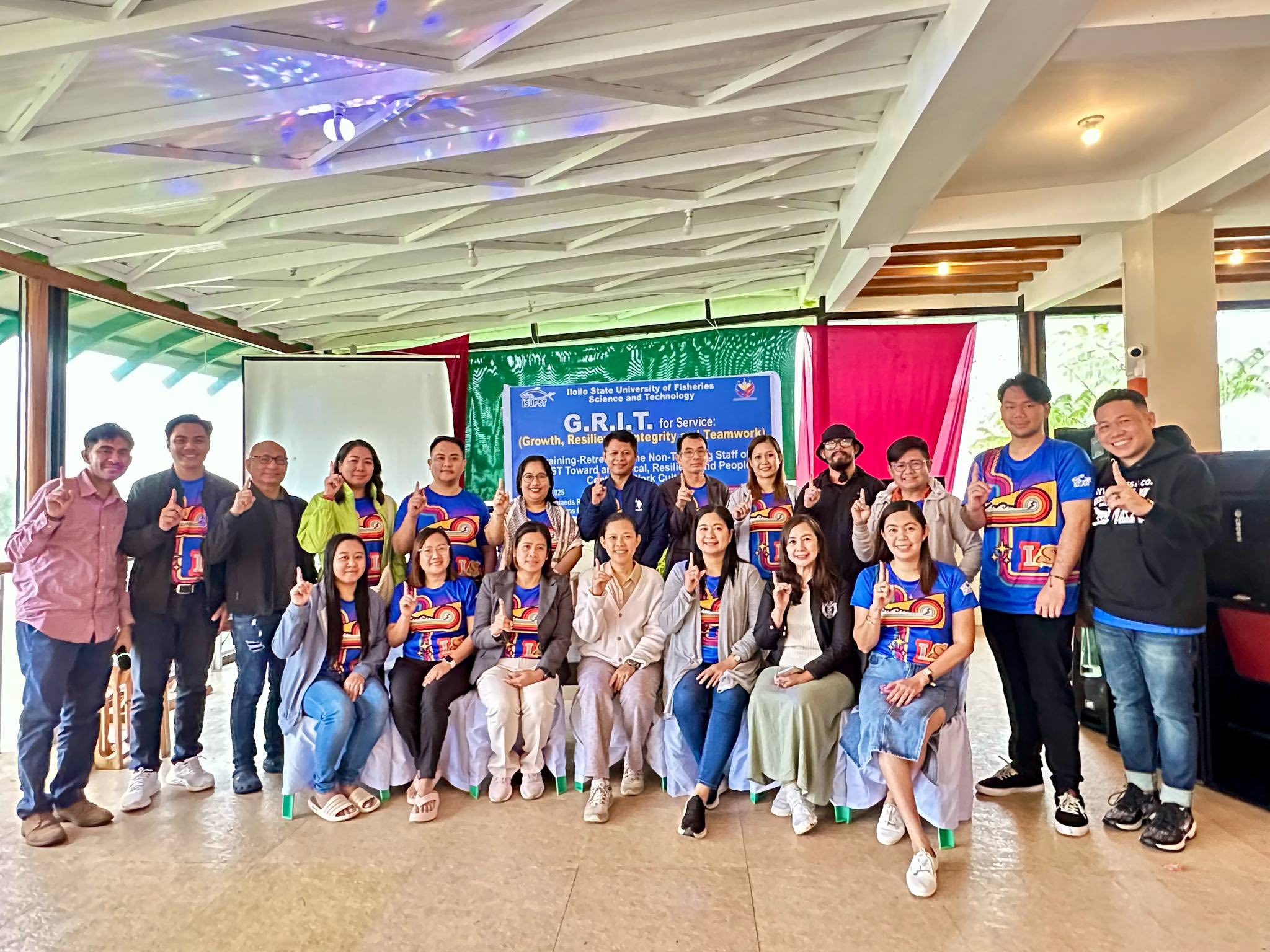
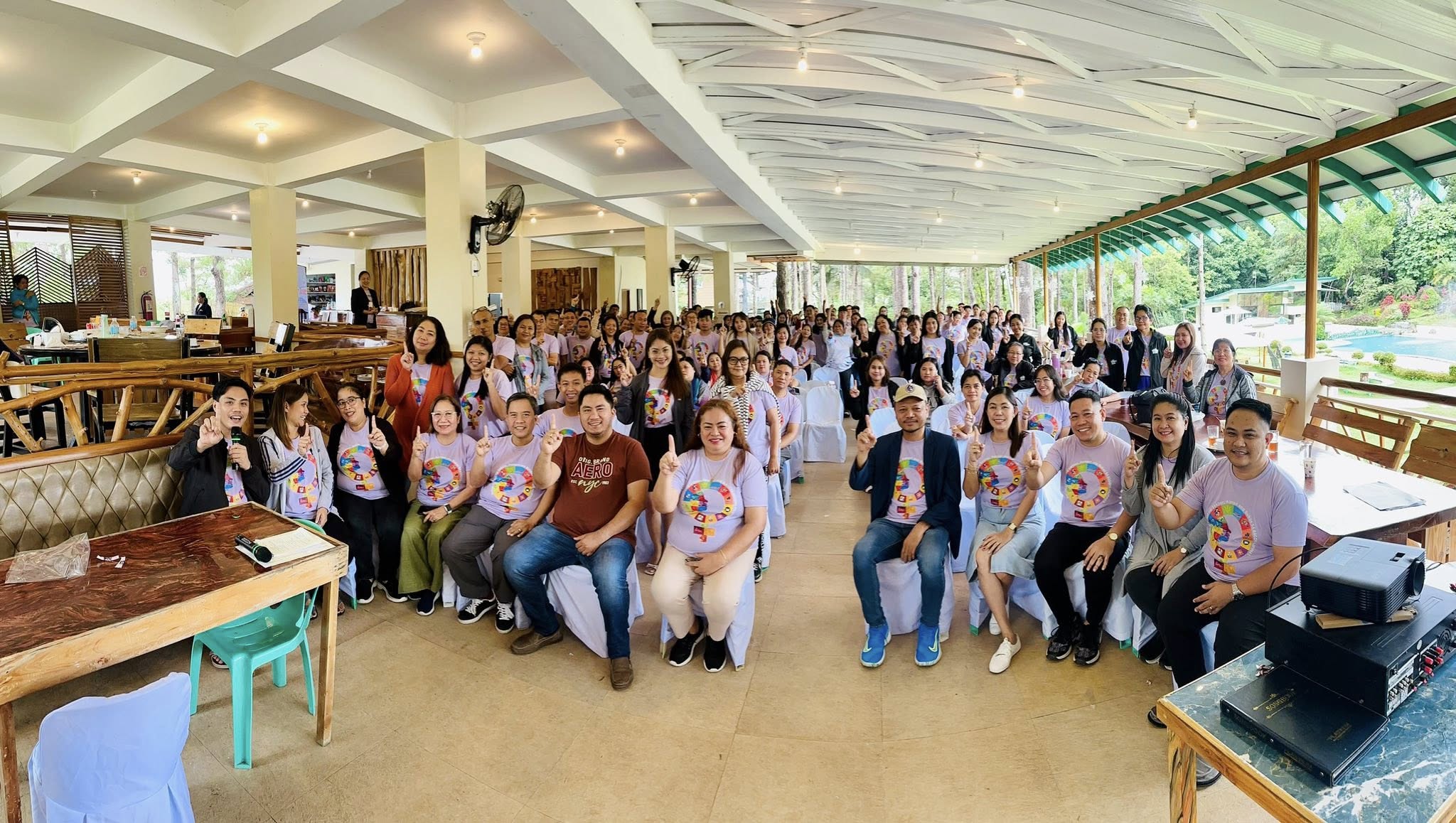
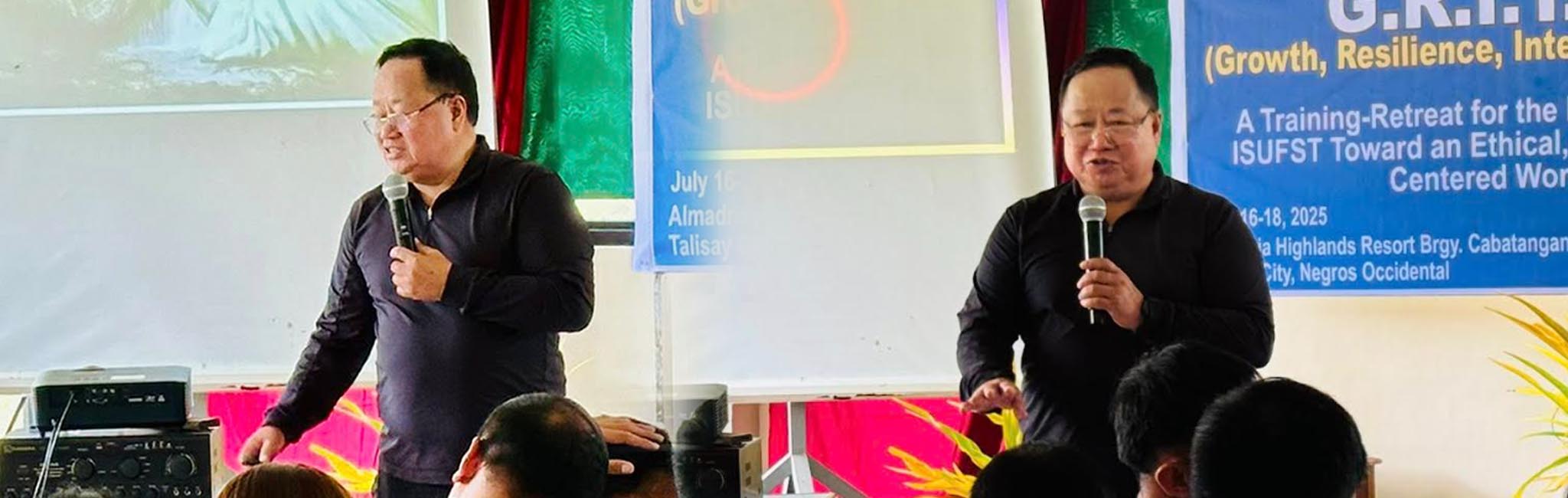
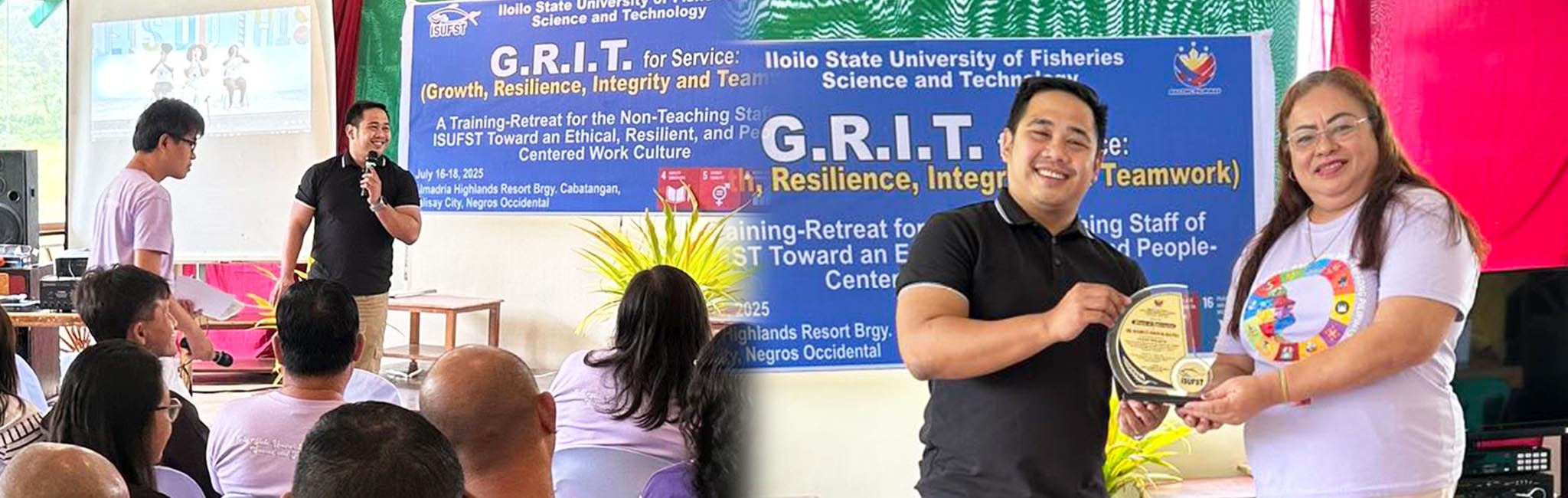
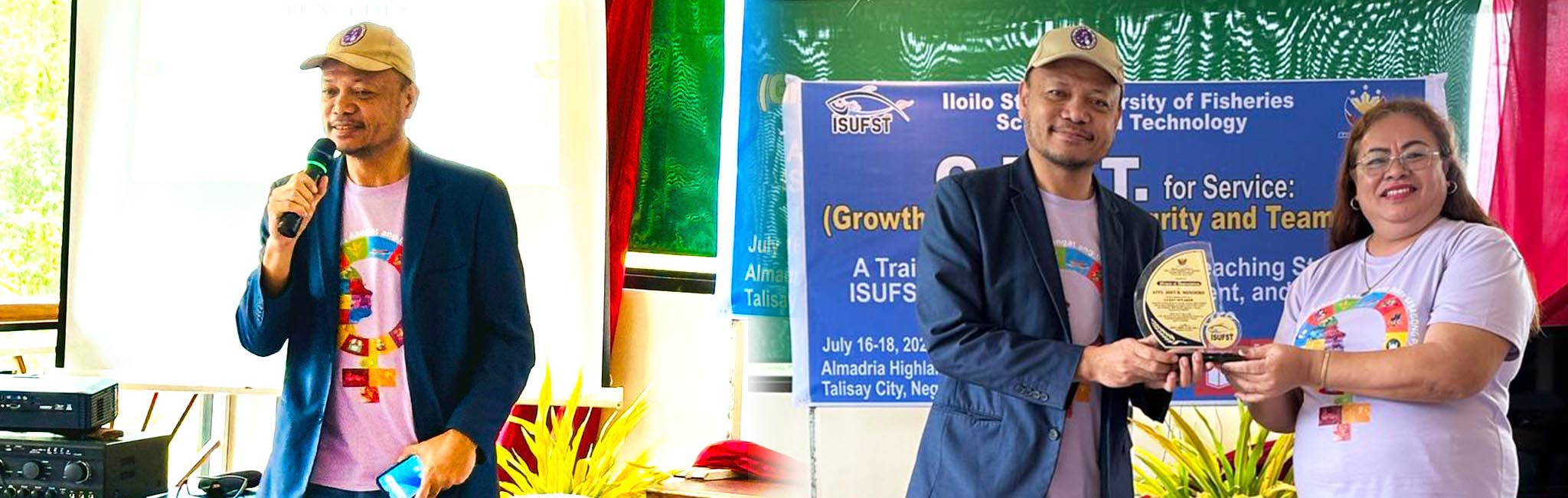
The Iloilo State University of Fisheries Science and Technology (ISUFST) successfully concluded its three-day training and reorientation program titled “GRIT for Service 2025: A Training-Retreat Toward an Ethical, Resilient, and People-Centered Work Culture” held July 16-18, 2025. at Almadria Highland Resort in Talisay City, Negros Occidental. The retreat gathered 237 non-teaching staff, directors, faculty with administrative functions, and top administrators from ISUFST’s five campuses for a shared moment of pause—to reflect, realign, and renew their commitment to public service.
Organized by the Human Resource Management Office with the GAD Office, the training-retreat became more than just a professional reset. At the values-laden integration workshop, ISUFST faculty and staff explored how the university’s vision, mission, mandate, and guiding principles could be lived out through daily care and service. The sessions were framed around SDG 4 (Quality Education), SDG 5 (Gender Equality), SDG 8 (Decent Work), and SDG 16 (Strong Institutions), helping participants anchor their actions in the GRIT values—Growth, Resilience, Integrity, and Teamwork—that define the university.
“This retreat reflects what ISUFST truly stands for,” said University President Dr. Nordy Siason, Jr. “We don’t just aim to deliver quality service—we build a community that serves with humility, passion, integrity, and purpose. And our non-teaching staff are at the heart of that mission.”
Day 1 began with an inspiring talk from Fr. Joel Rojo-Eslabra, chaplain of WVSU Medical Center, who invited participants to reconnect with their “why” through ikigai, the Japanese concept of purpose. “Service begins when we rediscover our reason for showing up each day,” he said. His talk continued after lunch, blending stories, clips, and quiet moments that invited participants to look inward. Fr. Eslabra reminded everyone that true service begins not with titles, but with the simple decision to care, to listen, and to lead with heart.
By mid-afternoon, energy and laughter filled the room as Mr. Al Ian Barcelona, CEO-President of AIB Training and Consultancy Corporation, challenged the group to reframe their roles with joy and passion during his WAVE session: Works Acceleration and Value Empowerment. Later that evening, new staff members introduced themselves to the wider community through lively talent presentations—an icebreaker that quickly turned into a celebration of shared joy, creativity, and campus pride.
Mr. Barcelona continued his session in Day 2, weaving in themes of personal passion, institutional alignment, and values-driven performance.
Also on that same day, July 17, Dr. Kharlie Joehn Hautea, the university physician, emphasized the importance of health, wellness, and safety in the workplace, reminding staff that good service begins with well-being.
Later in the day, ISUFST Legal Officer Atty. Joey Mondero revisited Republic Act No. 6713, the Code of Conduct and Ethical Standards for Public Officials and Employees. His session, and the engaging Q&A thereafter, reinforced that integrity, transparency, and accountability are not just legal mandates—they are daily practices that sustain public trust.
The second night brought moments of joy and unity during the Search for Mr. and Miss Non-Teaching Staff 2025. Mary Floren Arguez and Eli Gene Tisuela, both from the Tiwi Campus, were crowned titleholders. The event, though lighthearted, echoed the retreat’s spirit of confidence, inclusivity, and campus pride. Participants described it as “a celebration of the quiet strength behind every desk and department.”
The final day, July 18, featured CHMSU’s Director of Student Affairs and Services, Dr. Ma. Victoria Violanda, who ended the training retreat on a powerful note about working with purpose. She talked about the courage it takes to stay committed, the strength in collaboration, and the wisdom in being a lifelong learner.
Meanwhile, program lead Supervising Administrative Officer (SAO) Alma P. Betito also noted that: “For us, this retreat is a heart-check, it is a reminder of why we do what we do.” She added: “Our non-teaching staff are vital to the university’s heartbeat. Empowering them means enriching our entire system of service.”
Dr. Lenirose Mondero, GAD Director, affirmed the deeper purpose behind the activity: “When we build an inclusive, reflective workplace, we don’t just boost morale—we strengthen the very foundation of the service we give to students and communities. It’s about making each person feel seen, valued, and driven by purpose.”
With its blend of knowledge sessions, honest reflections, and shared celebrations, GRIT for Service 2025 reaffirms ISUFST’s mission to nurture kind, ethical, and resilient public servants. It also supports the university’s goal to align human resource development with institutional performance and to recognize excellence through the PRAISE incentive system.
As the country’s first and only state university dedicated to fisheries science and technology, ISUFST continues to lead with heart—cultivating a workplace where compassion, purpose, and public service grow hand in hand. (Herman Lagon / Ricky Ramos / Edeline Joy Brito / PAMMCO)
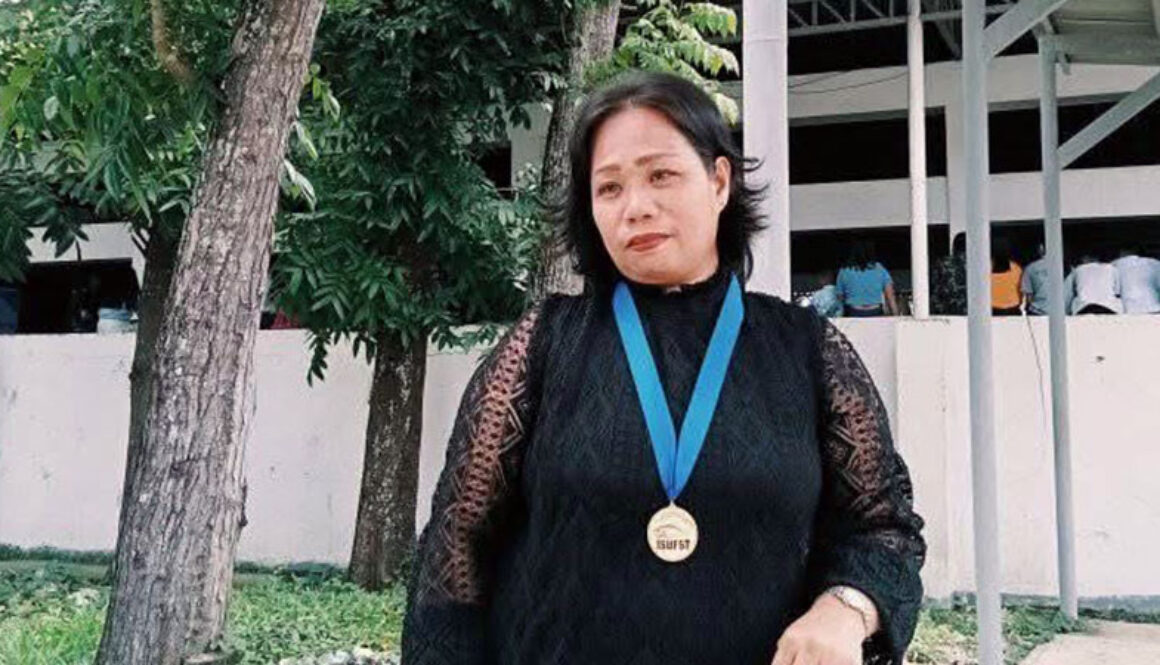
Barotac Nuevo, Iloilo — While others count miles by speedometer, Regina Tumolin-Planto measures hers in sacrifices. A 43-year-old mother of seven from Sitio Pabulayan, Brgy. Managupaya, Banate, she walks an hour over landslide-prone terrain just to reach the first tricycle headed toward her dreams. What follows is a 30-minute ride to Banate town proper, then another 38-minute Ceres bus trip to Iloilo State University of Fisheries Science and Technology (ISUFST). And yet, when she finally enters the gates of ISUFST Main Campus, she carries herself with quiet grace—like someone who never had to sweat it out, her hair tied back neatly, her smile unwavering, her tote filled not just with notebooks but years of hope finally scribbled into goals.
Regina is part of ISUFST’s 2025 graduating class—an academic milestone she shares with classmates half her age. At first glance, she blends in like any other education student, except she is called “Mommy” or “Manang” by peers. Her grit, however, stands out. Before ISUFST, she started her college journey at Janiuay Polytechnic College, now WVSU-Janiuay. She took up Education with a major in Home Economics but had to drop out because no one could help shoulder her tuition, daily transportation, and other basics in school. Instead, she worked as a house help and later as a daycare teacher before getting married in 2004. Yet, even then, the dream to wear a toga never left.
In the middle of the pandemic, she found herself outside the gate of the Iloilo State College of Fisheries or ISCOF (now ISUFST). She whispered a prayer—“If this is really for me, Lord, make it easy.” It was. Her husband Joevanie, a habal-habal driver and barangay tanod, helped her process the papers. Everything fell into place. She took it as a sign and enrolled in the Bachelor of Elementary Education program. Her first choice was social work, but teaching children, she later realized, was the calling that had been quietly waiting.
Studying at ISUFST did not come without its share of chaos. Regina was not just a student. She was a mother to seven: Jerene, a Dean’s Lister in BEED; Jaztine, a first-year Religious Education student at Doanne Baptist Bible Institute; Joy, a Grade 11 student; and four younger children (Jee Ann, Jero, Jimz, and Jana) enrolled in different levels of basic education. While classmates were catching up on Netflix, she was catching up on family chores, laundry and talipapa runs. She sold dried fish, offered mani-pedi services, did salon work, and tutored kids just to contribute to household expenses and pay for academic requirements. During the pandemic, with online classes in full swing, she climbed uphill and down to relatives’ houses just to get a decent Wi-Fi signal.
There were tough days. Post-pandemic adjustments stirred minor misunderstandings with her other half. “You focus on supporting the kids, I’ll handle my school expenses,” she once said. That line became their household mantra. She would hustle, and hustle hard. Every test paper, every feasibility study, every academic requirement was paved with stories of dried fish sold, nails polished, and rice measured sparingly. But what she lacked in time and resources, she made up for in sheer tenacity and unshakable grace.
Her children are her quiet strength. “We made do with what we had,” she said. Despite the tight finances, her three eldest kids are consistent honor students. They understood. They never questioned why some days had less food or why their mother was too tired to join family binge-watching via cellphone time. They understood that their mother was building something—for them.
At ISUFST, Regina found a second home. She never felt judged for being older. “People are respectful. My age may show, but maybe so does the wisdom,” she quipped. The university’s inclusion of Equity Target Groups (ETG) was not lip service. It was tangible. She experienced first-hand how ISUFST’s mission to “teach minds, touch hearts, and transform lives” was not just framed on a hallway wall but lived out—in gestures of support, in inclusive spaces, and in the grace extended to learners of all walks. Free tuition helped a lot. But what helped deeper was an environment that made room for her reality.
President Dr. Nordy Siason, Jr. reflects, “Stories like Regina’s remind us why ISUFST exists—not just to produce degrees, but to change lives. It is a university where progress is measured not by prestige alone, but by the people it uplifts.” This aligns with ISUFST’s guiding principles—Integrity, Social Justice, Discipline, and Academic Excellence—which Regina embodies quietly but fiercely.
She was a Dean’s Lister in her second year. “I’m not the best in class,” she admits, “but I try.” Her learning style was not cramming, but commitment. She sits in front row during seminars, listens intently, and asks when confused. “I always believed that learning is not about speed, but about depth.” Her voice does not preach; it reassures.
Regina has no illusions of grandeur. After graduation, she plans to work while preparing for the Licensure Examination for Teachers. A job at a private school or a role under DSWD appeals to her practical sensibilities. As a 4Ps grantee, her heart is with the underserved. She has lived the statistics, and she hopes to change them from within. “My proudest moment will be when I can finally say: I have work. I am helping.”
To mothers who feel behind, Regina says it plainly, “It is not too late. This is not a race.” Her advice is not drawn from books but from experience—seasoned with humility, wrapped in grace. She encourages young ISUFST students not to rush the process. “Savor the learning. The diploma is not just a goal—it is proof that you chose not to give up.”
On Thursday, June 5, as she walks across the stage at Tamasak Arena, Barotac Nuevo, wearing her dress and toga, there will be no orchestras or fireworks. Just a quiet woman from Sitio Pabulayan who walked literal mountains and hills—with grace and grit—to become a teacher. She will be greeted not just by applause, but by seven proud children and a husband who has always been at the finish line, waiting.
And that is more than enough.
(Herman Lagon, Jose Eugene Salazar, and Joana Paula Biñas/PAMMCO)