A Dynasty Forged in Grit


By Herman M. Lagon
In every state university, team names and colors are more than just labels—they reflect the school’s heart and soul. As the Western Visayas Regional State Colleges and Universities Athletic Association (RSCUAA) Sports Festival and Conference 2024 approaches, schools from across the region will unite in Iloilo to compete from December 15 to 20. Each one proudly carries its unique team name and colors, representing its core values and dreams.
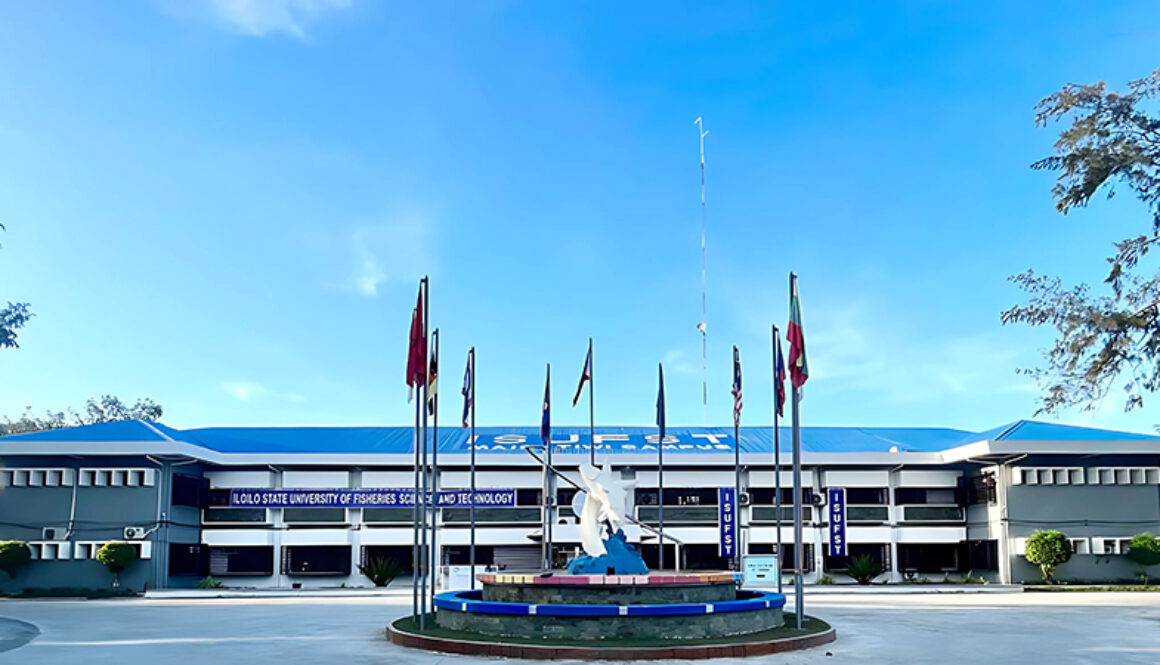
For example Iloilo State University of Fisheries Science and Technology, ISUFST‘s “ISDA Blue Thunders” symbolize the school’s legacy in fisheries and agriculture. Aqua blue represents trust and unity, while the thunder echoes a call for change—challenging the status quo and advocating for social justice. ISUFST’s commitment to excellence and sustainability is captured in the “Blue Thunders,” who are more than athletes; they are agents of social transformation.

Aklan State University (ASU) is represented by the “Anwangs,” named after the national animal carabao, which is believed to possess strength and resilience. Their dark green color speaks to ASU’s dedication to sustainable agriculture and environmental stewardship. The “Anwangs” are a fitting symbol of a university committed to building future leaders in agriculture who value harmony, teamwork, and responsible living.

Capiz State University CAPSU’s “Stingrays” in navy blue and gold reflect the school’s strong ties to the ocean and its focus on sustainability. The navy blue represents stability and focus, while the gold highlights the university’s commitment to excellence. As “Stingrays,” CAPSU students embody grace and adaptability, navigating the complexities of agriculture, fisheries, and environmental studies, focusing on research and development that benefits local and global communities.

Carlos Hilado Memorial State University (CHMSU) is home to the “Visayan Spotted Deers” in royal blue and tangerine. The spotted deer represents agility, grace, and environmental awareness, qualities CHMSU instills in its students. Their commitment to producing environmentally conscious leaders is mirrored in their team name and colors, reflecting the university’s focus on sustainability, compassion, and good governance.

Central Philippine State University CPSU’s “Mighty Hornbills” in green and lemon yellow represent tenacity, courage, and vibrant energy. The hornbill symbolizes resilience and strength, aligning with CPSU’s mission of empowering students for a technology-driven world. The green represents sustainability, while the yellow embodies knowledge and growth. The “Mighty Hornbills” are ready to lead with integrity and excellence.

Meanwhile, Guimaras State University (GSU) stands proud with its “Sea Dragons” in sea green—a color that reflects the boundless potential of the ocean and the opportunities it offers. The sea dragon, a symbol of resilience and agility, perfectly captures the spirit of GSU students who are dedicated to excelling in sustainable agriculture, fisheries, and tourism while striving for academic greatness. Their team name and colors indicate their focus on educational and environmental challenges.

With their gold and royal blue, the WV RSCUAA 2023 overall champion “TechnoBees” of Iloilo Science and Technology University (ISAT-U) perfectly represents innovation and vibrant energy. Like bees who tirelessly work and collaborate, ISATU embodies a school that thrives on excellence in technology and sustainability. The gold stands for the wealth of knowledge, while royal blue speaks to the trust and dependability the school inspires in its students, faculty, and community.

Down south, the “Blue Marlins” of Northern Iloilo State University (NISU) wear sky blue, representing speed, agility, and academic prowess. Known for producing graduates equipped to tackle modern challenges, the marlin’s swift movements reflect the university’s commitment to shaping students who excel in communication, innovation, and environmental sustainability.

Philippine Normal University PNUV‘s “Blue Whales” in white, blue, and yellow represent calm strength and wisdom. The whale, the largest animal on earth, symbolizes intelligence and gentleness, values that PNUV fosters in its students. Their team colors evoke trust, intelligence, and an unwavering commitment to academic leadership, social development, and environmental stewardship.

State University of Northern Negros SUNN‘s “Rays” in amber-yellow represent hope, resilience, and optimism. The yellow symbolizes energy and brightness, while the “Rays” remind everyone of SUNN’s commitment to producing adaptable and innovative graduates who will lead change on a global scale. Their team name captures what SUNN stands for—radiating strength and positivity in facing challenges.

The University of the Philippines Visayas (UPV) “Fighting Maroons,” clad in maroon and forest green, symbolizes pride, honor, and excellence. But they’re more than just athletes—social justice champions and national progress advocates. Their school colors are a constant reminder of their commitment to educational excellence and their role in shaping the nation’s future.

The “Red Ants” of the University of Antique (UA), clad in red and gold, symbolize hard work, determination, and community. Red represents their passion, while gold signifies excellence. The “Red Ants” are not just athletes; they are a living testament to the power of collaboration, striving to uplift the people of Antique through education and sustainable development.

West Visayas State University WVSU‘s “West Marals” take their name from the maral deer, a symbol of resilience, endurance, and pride. The Pantone Blue they wear signals trust and stability, qualities that WVSU has upheld for over 120 years as a leader in education and social transformation. Known for producing top professionals in various fields, the “West Marals” are more than athletes—they are part of a long tradition of contributing to nation-building through education.
At RSCUAA 2024, these schools aren’t just playing for medals—they’re competing to honor their identity, values, and the communities they represent. Like national flags, their team names and colors are a powerful reminder of who they are and what they stand for. Each team carries the hopes and dreams of their school, united in purpose and proud of their legacy.
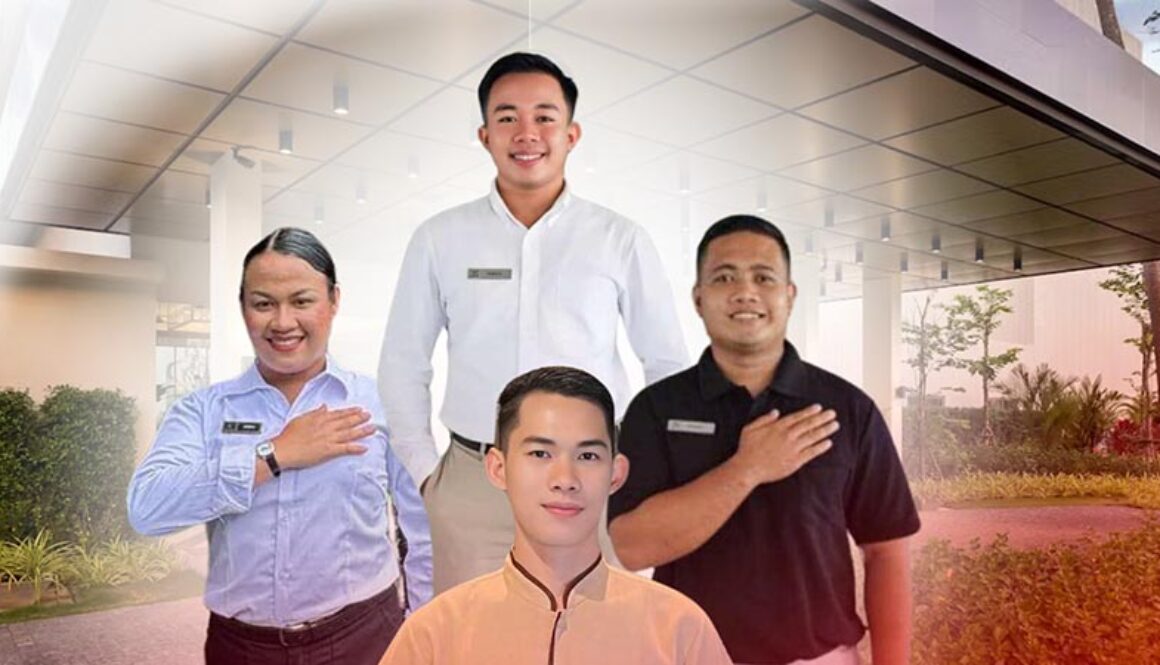
Dr. Christine Diocos, Director of the Quality Assurance and Management Center (QAMC), also shared her excitement, emphasizing the achievement’s more profound meaning. “Earning this Level IV re-accreditation isn’t just about checking off a box. It’s a testament to our continuous efforts to raise academic standards and ensure students get the quality education they deserve. It’s about growth, progress, and a constant pursuit of excellence.” We’re dedicated to meeting the evolving needs of our students and the hospitality industry,” she remarked.
For her part, Vice President for Academic Affairs (VPAA) Dr. Joan Belga also took a moment to celebrate the dedication of the faculty and staff. “This milestone is a testament to our university’s mission to provide excellent education. We are incredibly proud of everyone’s hard work, and this achievement inspires us to reach even greater heights,” she noted.
The AACCUP Technical Review and Board Action, received just yesterday, December 2, 2024, affirms the program’s quality and commitment to excellence in hospitality education, which is aligned with the leadership thrust of President Dr. Nordy Siason, Jr., of bringing ISUFST to be the leading and empowering research university. This re-accreditation highlights the program’s strengths and reinforces ISUFST’s reputation as a leading institution for hospitality management in the region, making it a proud moment for the entire community. (Photos by Judith Cordero/Text by Herman Lagon/PAMMCO/Published by: Patrick Lance Nacion/MIS-PAMMCO)


The Schools Division Office (SDO) of Passi City successfully conducted a training workshop titled “Respect, Responsibility, and Boundaries: A GAD Approach to Professional Success” on November 29, 2024, at the Nine Suite Business Hotel in Poblacion, Passi City. The event, attended by 120 division personnel, school heads, supervisors, and wellness advocates, was led by faculty members from the Iloilo State University of Fisheries Science and Technology (ISUFST) as part of their ongoing collaboration with DepEd SDO Passi City.
Dr. Herman Lagon, a registered guidance counselor and Director of Public Affairs, Marketing, and Media Communications (PAMMCO) at ISUFST, led the session on “Effective Tools and Methods for Setting and Maintaining Boundaries.” His presentation focused on practical strategies for professional development, emotional resilience, and boundary-setting within educational environments. “This initiative reflects ISUFST’s commitment to equipping educators with the necessary skills to manage their wellness while addressing students’ emotional needs,” Dr. Lagon remarked.
In addition, Dr. Lenirose Mondero, Director of Gender and Development (GAD) at ISUFST, conducted a session on “Gender Roles and Boundaries.” She emphasized the critical importance of understanding and respecting boundaries in professional settings, especially concerning gender dynamics. “Recognizing and respecting gender-related boundaries in professional relationships is crucial to creating a safe and supportive environment for educators and students,” Dr. Mondero stressed.
The four-hour workshop featured group case studies, data-driven inputs, and interactive sharing sessions, during which participants discussed real-field challenges faced by students and teachers. These discussions centered on how boundaries impact current educational and personal issues, including managing stress, supporting students’ emotional needs, and preventing burnout.
This workshop is part of a five-year partnership between ISUFST and SDO Passi City, launched last year. This collaboration, dubbed “Resilience In Schools through Empowerment (RISE),” has already included a series of talks on school guidance, parenting, wellness, psychological first aid, and suicide prevention, all aimed at enhancing the psycho-emotional health of all teachers and learners in the component city.
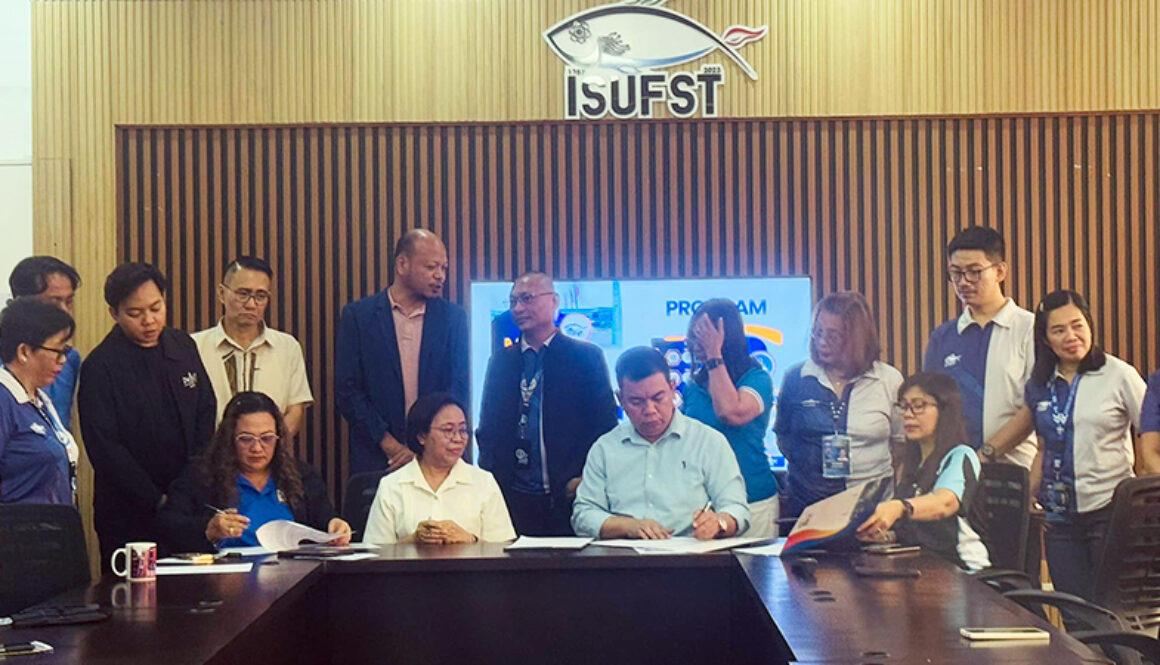
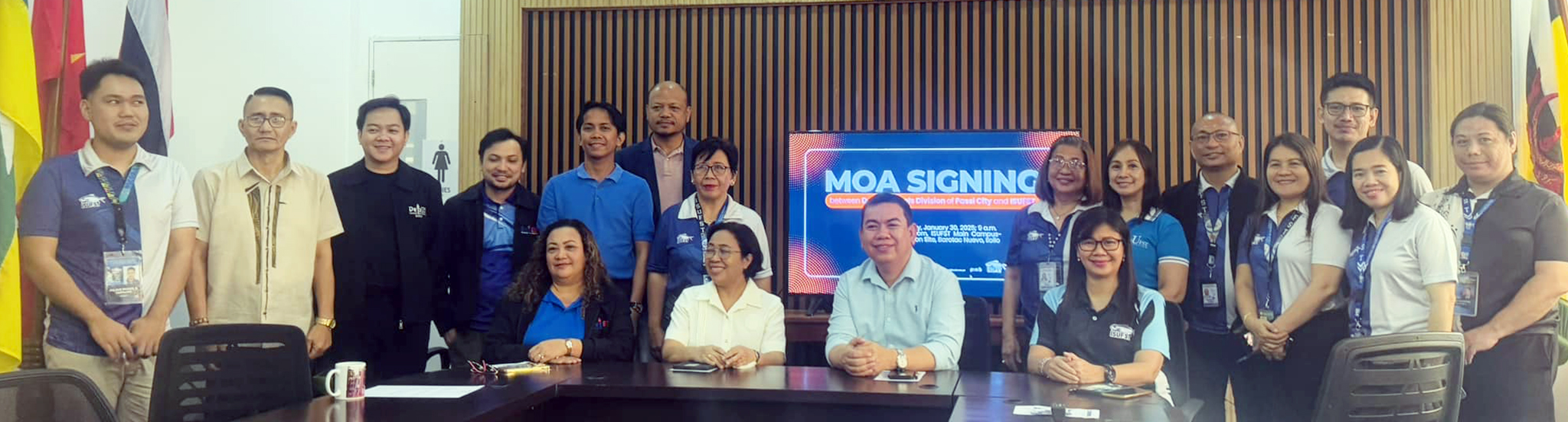
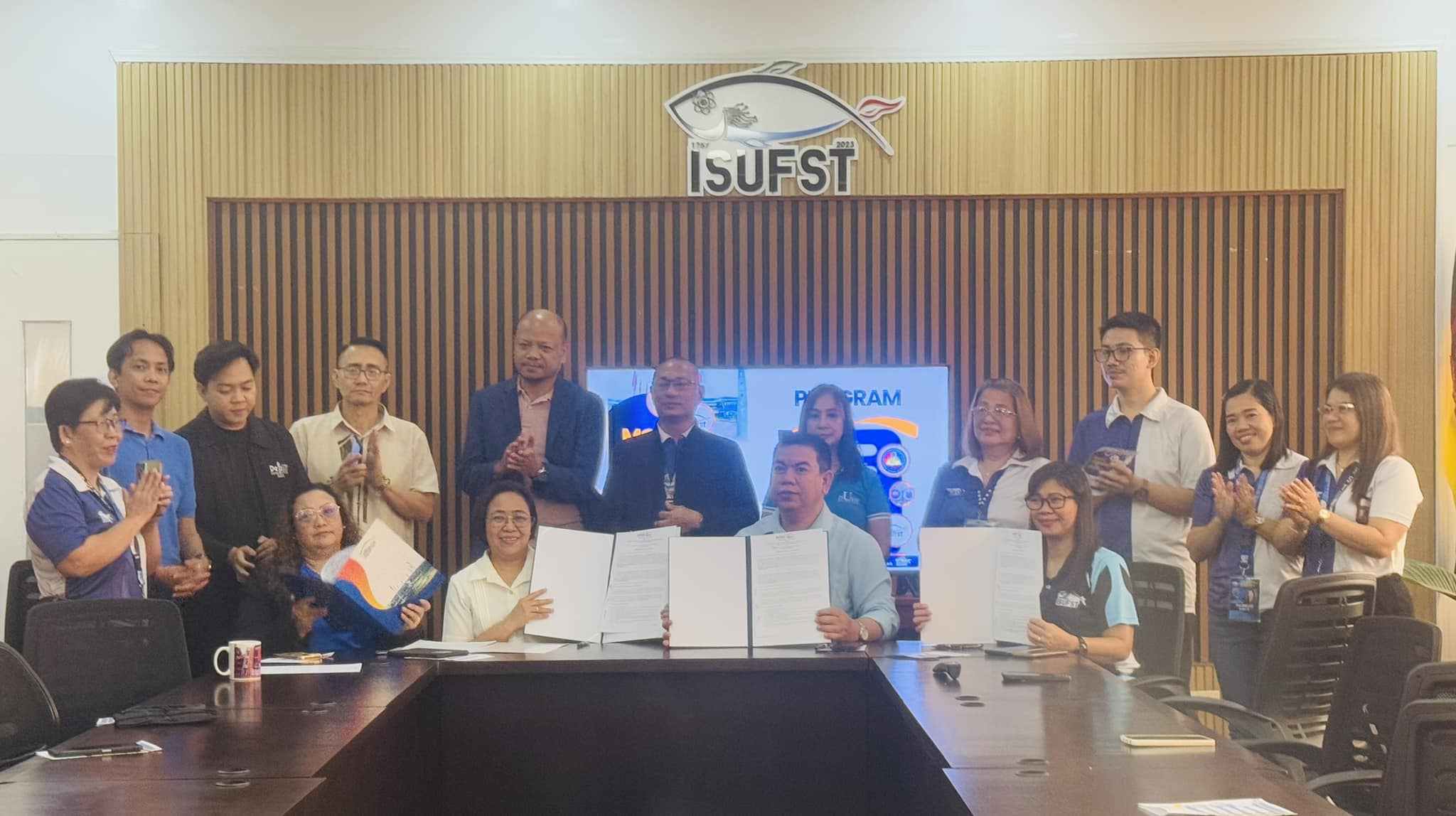
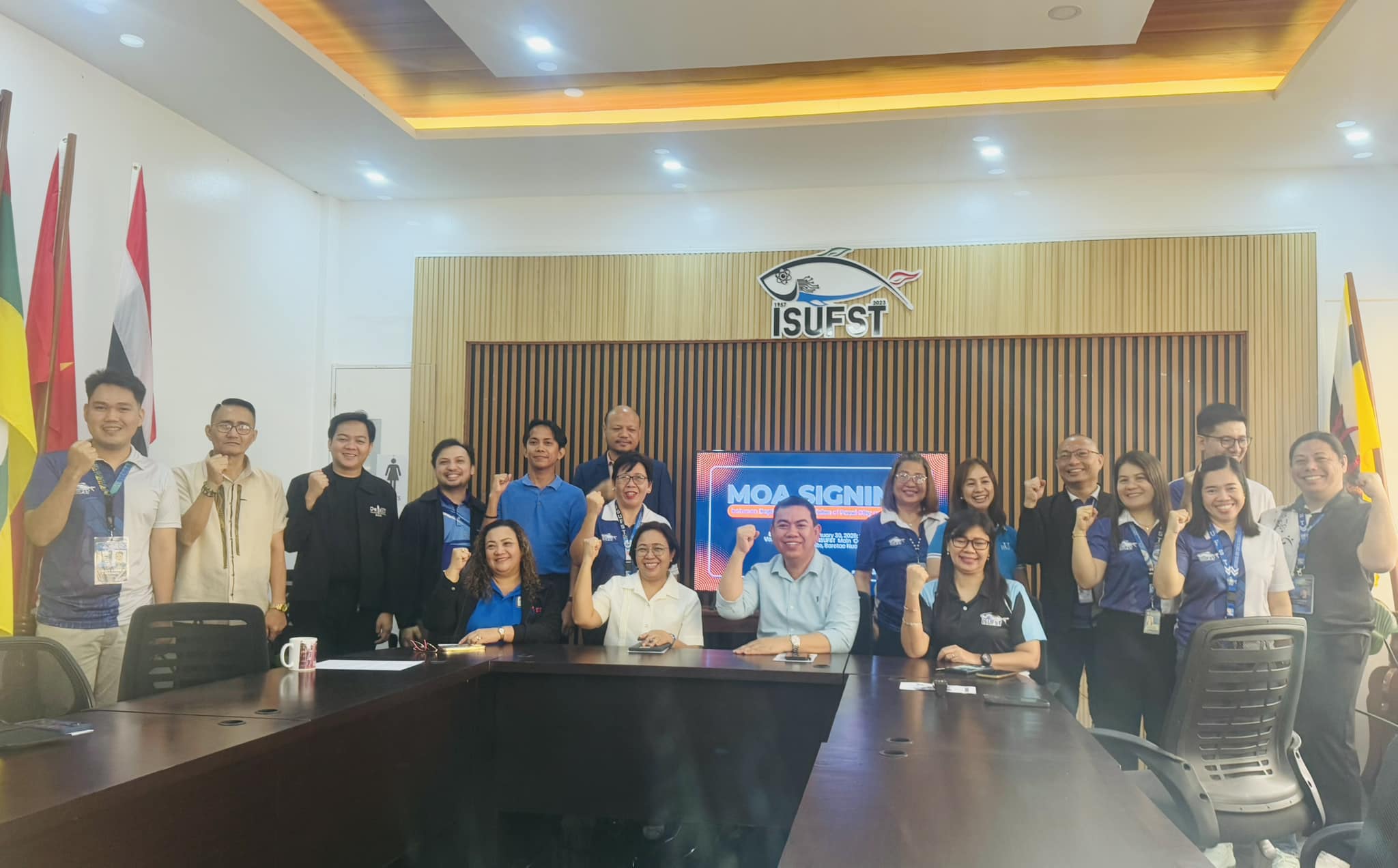
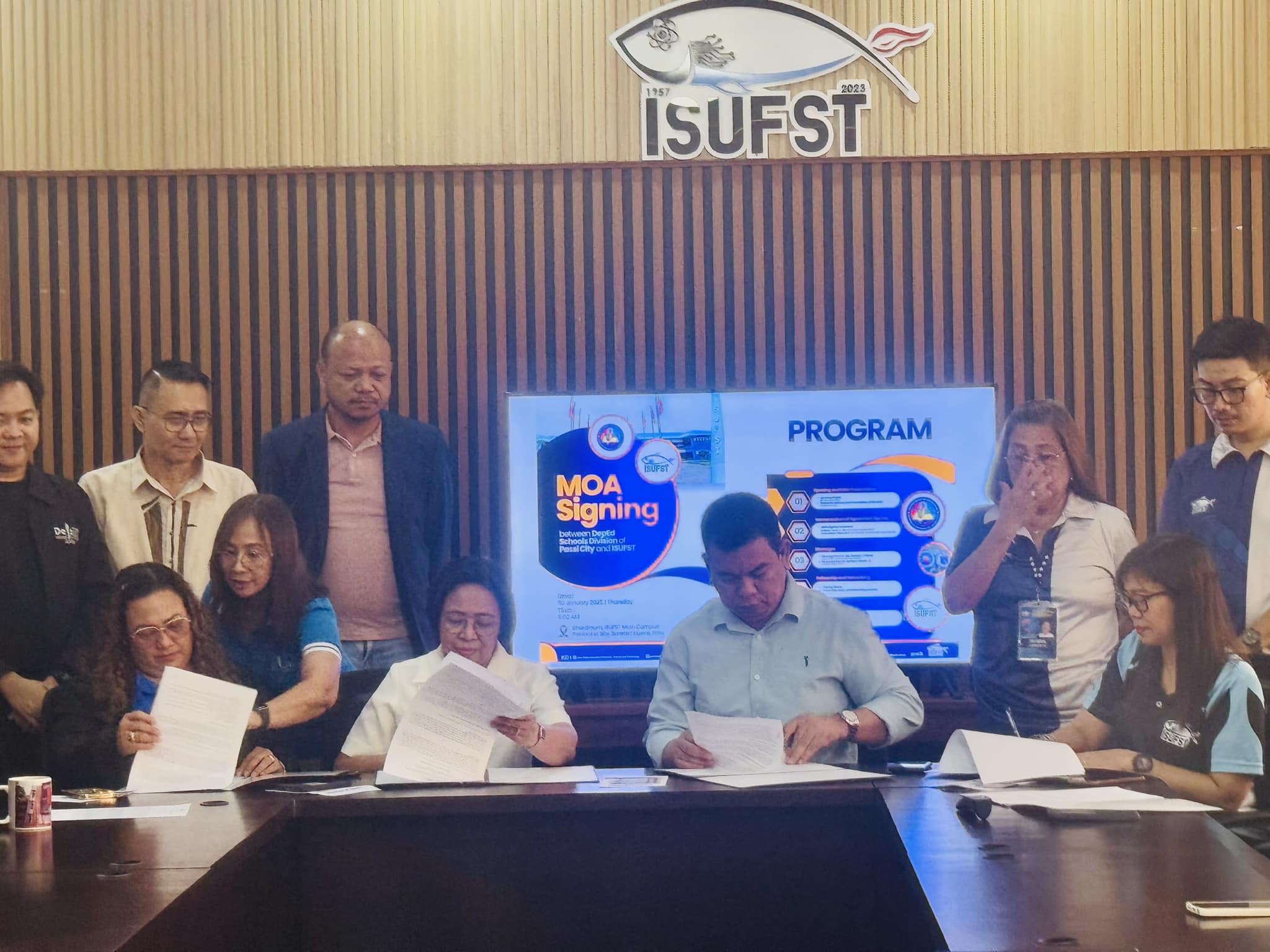
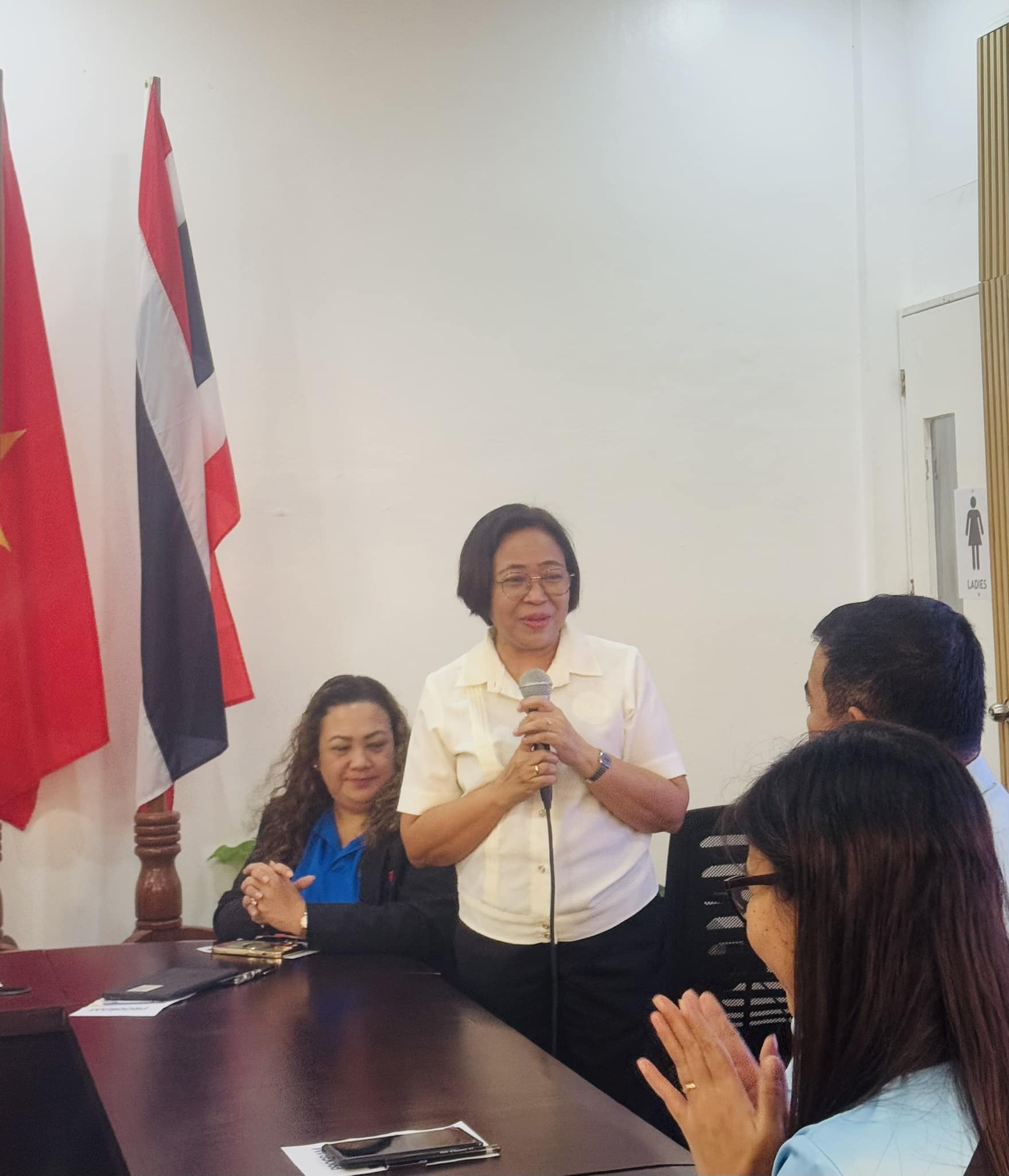
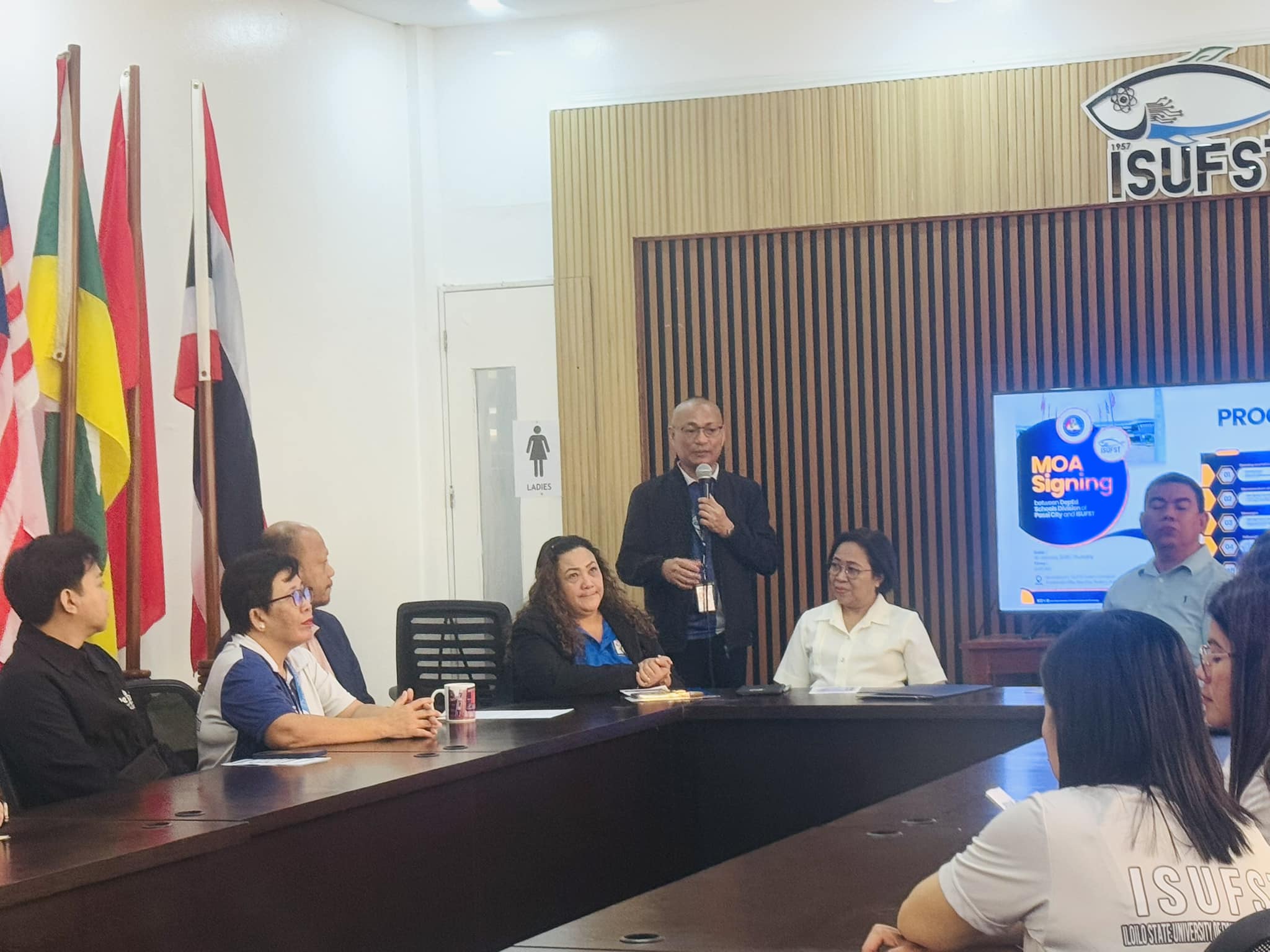
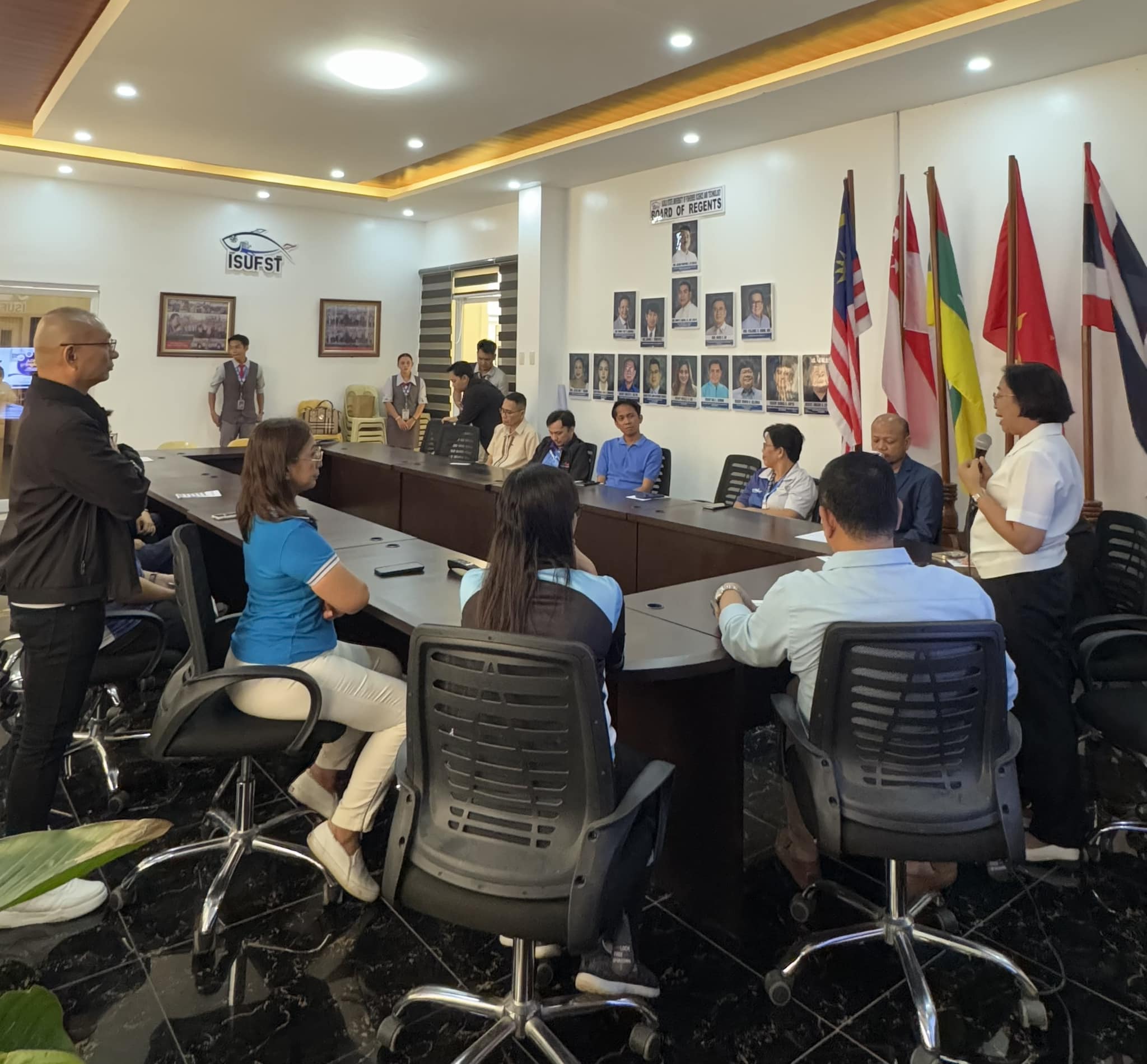
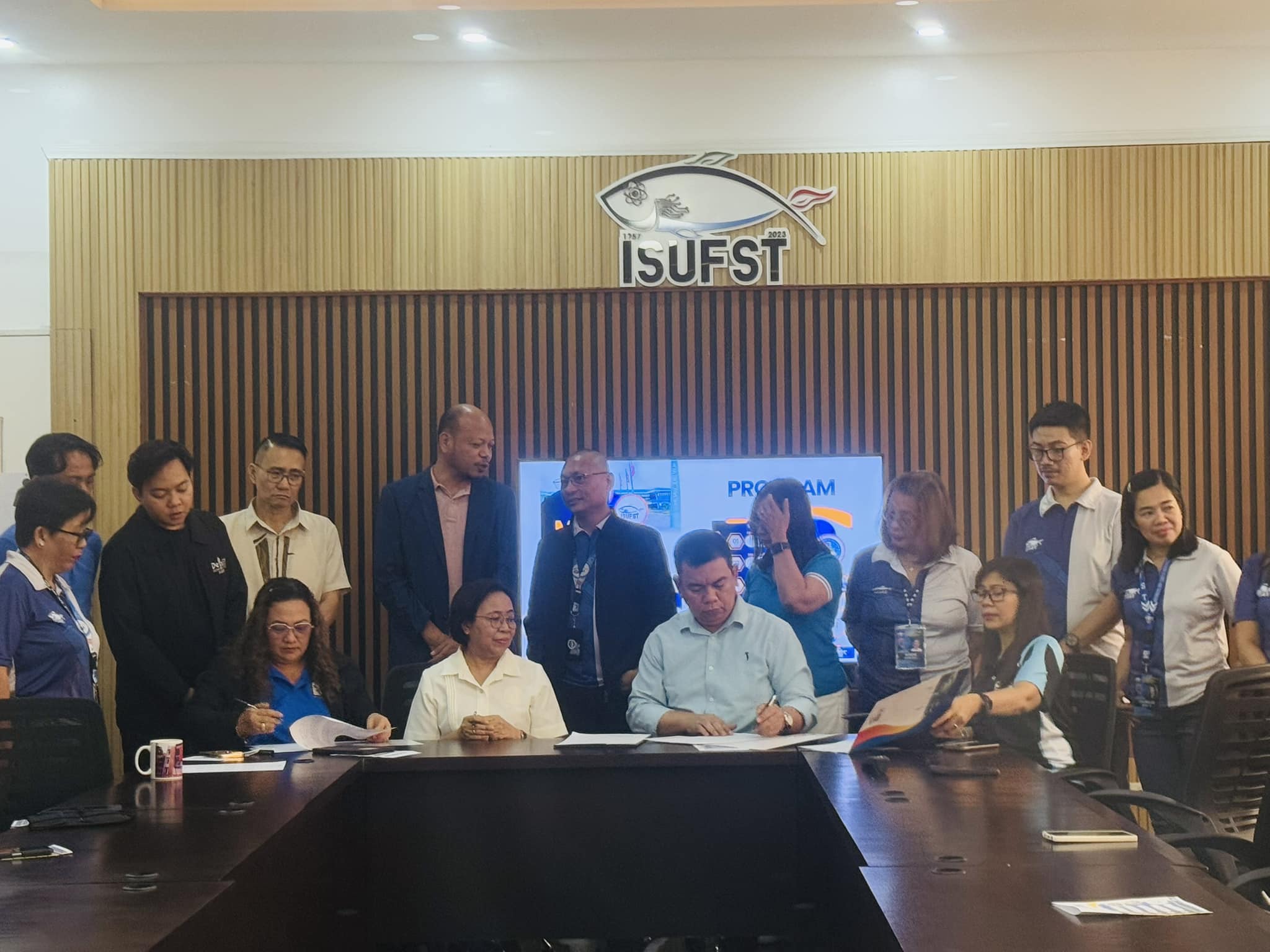
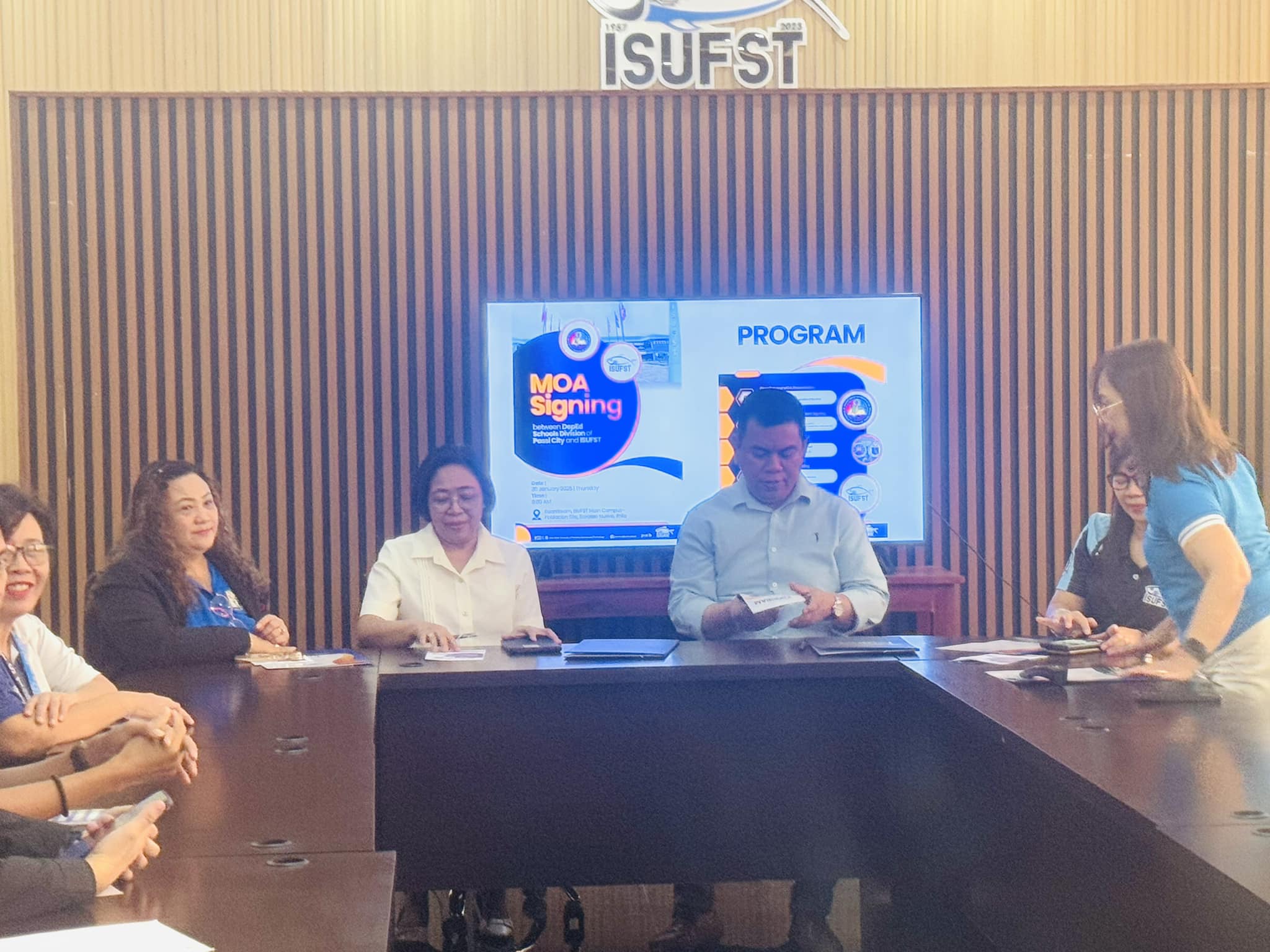
The collaboration between ISUFST and SDO Passi City is formalized through a Memorandum of Agreement (MOA) signed by ISUFST President Dr. Nordy Siason, Jr. and DepEd Passi City Superintendent Dr. Ma. Roselyn Palcat. The agreement ensures continuous partnership and future professional development initiatives, particularly in the areas of mental health and emotional support.
This partnership also plays a vital role in the broader Katatagan “Cuarto Distrito Mental Health and Resiliency” Program, initiated by Cong. Ferjenel Biron. This initiative aims to promote psychological wellness across the 4th District of Iloilo, integrating the Natasha Goulburn Foundation’s Katatagan ng Kalooban Tungo sa Pagsulong ng Kabataang Filipino modules into homeroom guidance for Grades 4-12, thus providing essential support for the region’s youth.
“The success of this workshop reinforces our shared commitment to the well-being of both our educators and students,” Dr. Siason said, emphasizing the ongoing importance of professional development support in the region.
With this landmark training, ISUFST and SDO Passi City are poised to continue strengthening their collaboration, empowering educators with the tools and resources to foster emotional resilience and cultivate a positive learning environment. (PAMMCO)

The Iloilo State University of Fisheries Science and Technology (ISUFST), through its Office of International Affairs and Linkages (OIAL), successfully hosted a five-day Fisheries Management Modeling Training from November 25 to 29, 2024, at the ISUFST Board Room, Main Campus – Tiwi Site. The training mentored 30 participants, including Fisheries and IT students, to utilize advanced tools like the GAMA platform for fisheries management simulations. This initiative supports SDG 14: Life Below Water and teaches students computer modeling to address environmental issues.
Dr. Bayona, Director of OIAL, said, “This training is not only an opportunity for our students to deepen their technical skills, but also reinforces our commitment to addressing global environmental challenges through innovation and research.”
Sylvain Lamouret, Co-Operation Attaché at the Embassy of France, congratulated the participants online, stating, “I’d like to congratulate the students and student organizations of the State University of Fisheries Science and Technology for completing the Fisheries Management Modeling training of the Institut de Recherche pour le Développement. This training program aims to support civil society and young Filipinos to become advocates for ocean protection. We are delighted to have linked the Institut de Recherche pour le Développement and ISUFST, and we hope it will lead to further collaboration.”
The training supported ISUFST’s mission to become a leading research university in Southeast Asia’s fisheries, agriculture, education, and technology by 2030. The program primarily focused on Agent-Based Modeling (ABM), where students learned how to create bio-economic fisheries models using the GAMA platform. French experts Arnaud Grignard and Tri Nguyen-Huu from the UMMISCO Lab, National Research Institute for Sustainable Development, and Julius Millano Bangate from the French National Geographical Institute led the sessions.
Each training day focused on a specific aspect of fisheries management and modeling. On Day 1, students were introduced to ABM, learning about agent behaviors and essential model development using the GAMA platform. Day 2 covered spatial modeling, GIS, and global fisheries management concepts, including sustainability metrics and policies. Day 3 focused on marine protected areas and fish aggregation devices and began the students’ design of their fisheries models.
In the final two days, participants worked on developing their models, designing simulations, and analyzing different scenarios. On Day 5, students presented their completed models during a culminating activity. Five groups shared their innovative solutions. Four groups from the College of Fisheries and Aquatic Sciences simulated real-world issues such as overfishing and natural disasters using 3D modeling in GAMA. The fifth group, from the College of Information and Communications Technology, created a website to showcase and consolidate the models into a centralized platform.
The students impressed the speakers and organizers with their creativity and technical expertise. Faculty mentors and international trainers praised the participants’ ability to apply complex concepts to real-world problems, demonstrating a deep understanding of the subject matter.
The Embassy of France to the Philippines and Micronesia supported the training under the Youth and Ocean Funds initiative in collaboration with the National Research Institute for Sustainable Development (IRD). Key ISUFST faculty members, including OIAL Director Dr. Jeanette Bayona, Research and Development Office Director Dr. Jescel Bito-onon, College of Fisheries and Aquatic Sciences Dean Dr. Rolindo Demo-os, and College of Information and Communications Technology Dean Dr. Renante Diamante, delivered the closing remarks.
Participants expressed excitement about applying their new skills to their academic research, especially in their thesis projects. The speakers also expressed interest in hosting similar training sessions further to enhance ISUFST’s efforts in internationalization and innovation.
Speakers and attendees received certificates to conclude the event this Friday, November 29. This ended a transformative learning experience that improved students’ skills and broadened their perspectives on sustainable fisheries management. (Julius Ruger Hermano/OIAL/PAMMCO/Published by: Patrick Lance Nacion/MIS-PAMMCO)
Two faculty members from Iloilo State University of Fisheries Science and Technology (ISUFST) presented their innovative research on November 21–23 at the International Conference on STEM Education (ICSTEM), hosted by the University of the Philippines National Institute for Science and Mathematics Education Development (UP NISMED). “Advancing STEM Education through Emerging Technologies, Innovative Pedagogies, and Responsive Curricula” was the focus of this international conference of researchers and teachers.
Attracting hundreds of participants in person and virtually, the hybrid international conference held in UP Diliman featured concurrent and plenary sessions, including speakers from four continents. From Australia, New Zealand, Austria, Japan, Thailand, Singapore, Malaysia, the US, and the Philippines, distinguished teachers, researchers, and edtech specialists from each country examined transforming leadership, new technologies, and curriculum changes impacting STEM education.
Presented by ISUFST’s College of Education’s Dr. Herman Lagon was his study entitled, “Integrating ChatGPT in Math Education: A Narrative Inquiry into Mathematical Investigation, Mathematical Modeling, and Mathematical Discovery.” His study examined how ChatGPT and other artificial intelligence tools might improve student involvement and problem-solving ability. “AI-driven tools offer dynamic and interactive learning experiences, equipping students with critical thinking skills and a strong sense of agency essential for today’s digital world. At the same time, these tools free up teachers to focus on providing personalized and individualized instruction,” Dr. Lagon said, adding, “This chance to speak internationally draws attention to ISUFST’s commitment to innovative education. With this, we truly appreciate the university’s consistent support of faculty research.”
Joining Lagon was Mr. John Mark Burila, a College of Education chemistry teacher who presented his paper “Musichemistry: Effects on Learners’ Motivation, Engagement, and Proficiency in Chemistry.” His study explored how integrating music into chemistry lessons can make complex concepts more relatable and engaging for students, improving their motivation and understanding. “Musichemistry transforms abstract ideas into relatable and enjoyable lessons,” Burila noted. ” As a physical science teacher, it’s incredibly fulfilling to see students become genuinely engaged and motivated, especially when they connect challenging concepts to real-life applications and approach learning with curiosity and enthusiasm.”
ISUFST President Dr. Nordy Siason, Jr. appreciated the faculty’s achievements, upholding the institution’s vision of becoming “a leading and empowering research university in fisheries, agriculture, education, and technology in Southeast Asia by 2030.” Dr. Siason remarked, “Our faculty’s participation in ICSTEM in UP Diliman exemplifies our dedication to excellence and commitment to contributing to the global conversation on advancing STEM education.”
ICSTEM 2024 celebrated the 60th anniversary of UP NISMED and emphasized collaborative efforts in addressing global challenges in STEM education, from curriculum reform to sustainability. The three-day convention, which included a daylong pre-conference, provided a platform for sharing innovative practices and fostering partnerships among participants worldwide.
Dr. Lagon and Mr. Burila’s participation highlighted ISUFST’s commitment to research and underscored the institution’s role in driving educational innovation. Their work serves as an inspiration for educators striving to create transformative learning experiences for students worldwide. (Arniel Clarite/TST/PAMMCO/Published by: Patrick Lance Nacion/MIS-PAMMCO)