
SAN ENRIQUE, ILOILO—Thirty-two guidance designates, teachers, and community wellness advocates of San Enrique capped the two-day STEP UP Phase 2–Module 3: Emotional Support & Psychological First Aid (PFA) seminar-workshop with a collective oath of commitment on February 27 at the Tourism Hall, Poblacion.

“I commit to recognize early signs of emotional distress and crisis in learners responding with calmness, sensitivity, and discernment.” The line, drawn from The STEP UP San Enrique Pledge 2, set the tone for the two-day training that would move participants from awareness to structured action.
The activity, conducted under the ISUFST–WVSU–LGU San Enrique partnership, trained participants to recognize emotional distress and crisis indicators, apply the WHO-aligned Look–Listen–Link model, provide immediate non-clinical support, and strengthen school referral systems, documentation, and confidentiality practices.
The two-year, 6-phase, 9-module STEP UP extension program, led by Iloilo State University of Fisheries Science and Technology (ISUFST), is made possible through the strong institutional backing of ISUFST President Dr. Nordy Siason Jr., West Visayas State University (WVSU) President Dr. Joselito Villaruz, and San Enrique Mayor Gian Carlo Niño Fernandez. The initiative is financed by the LGU of San Enrique through a municipal resolution enacted by the Sangguniang Bayan, affirming the town’s long-term investment in learner well-being. On behalf of Mayor Fernandez, the program is closely overseen by Dr. JJ Patubo with the assistance of DepEd wellness advocate Charmagne Paniza, who help ensure that the training translates into sustained school-level action.
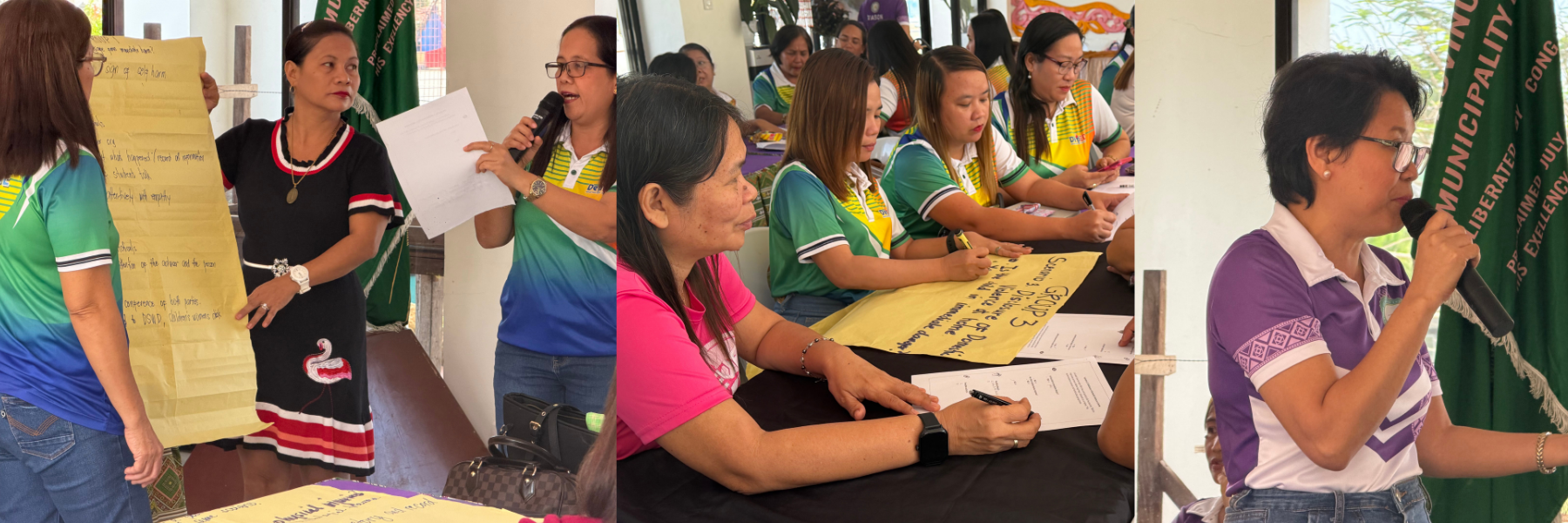
Day 1 (Feb. 26) focused on first-response readiness. After an opening prayer and Phase 1 recap led by Mrs. Edeline Joy Acosta, participants began with an interactive “Signals of Stress” energizer facilitated by Dr. Herman Lagon, RGC, the STEP UP Extension Program Leader. The morning then moved to “Understanding Distress and Crisis Indicators,” delivered by Mrs. Junna Mari Pacardo, RGC, with case vignettes, helping participants name red flags and distinguish ordinary stress from warning signs that require immediate support or referral.
Dr. Lagon later delivered the Introduction to Psychological First Aid (Look–Listen–Link) through a guided lecture and demonstration, then led the PFA Skills Lab on “Look and Listen” using role-play scenarios that allowed participants to practice calming presence, active listening, and initial stabilization in school-based situations.
In the afternoon, Mrs. Pacardo facilitated a working-break workshop on Ethical Boundaries and Confidentiality, using case analysis to help guidance advocates clarify scope, privacy, and responsible decision-making. The day ended with a synthesis circle, “What Does Help Look Like?” led by Dr. Lagon, integrating lessons into practical first-response mindsets.
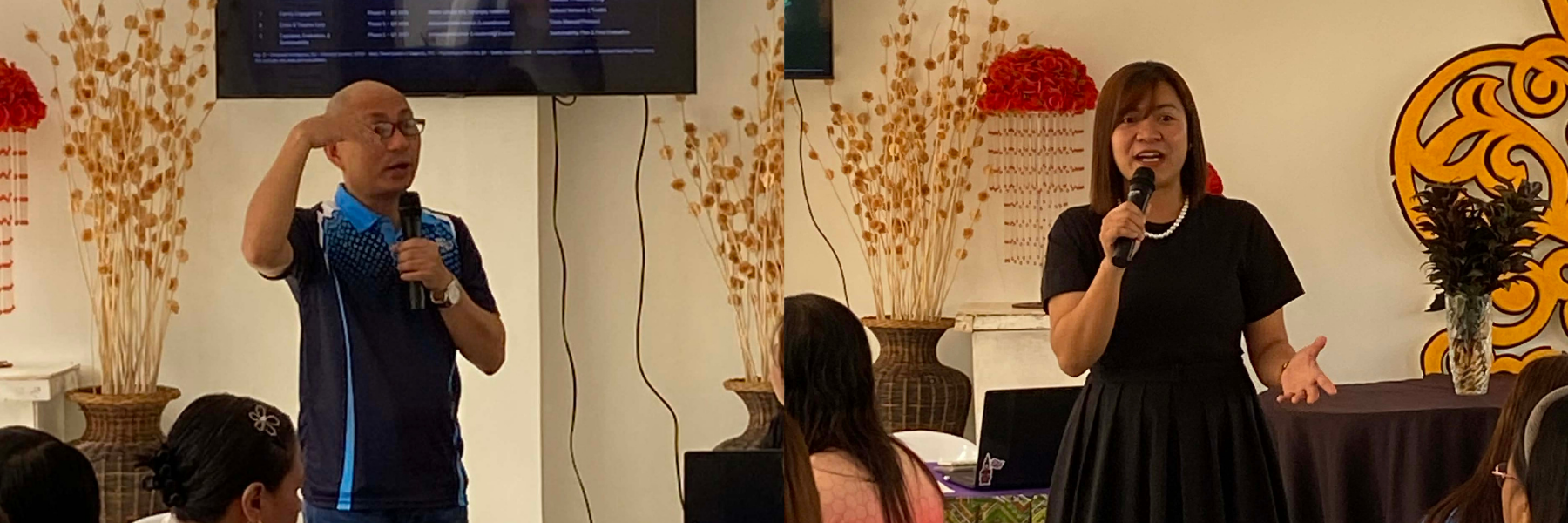
Day 2 (Feb. 27) shifted from skills to systems. Participant volunteers led the day’s prayer and recap, followed by a quick drill energizer, “Look–Listen–Link in Action,” facilitated by Dr. Lagon, to refresh coordination before referral planning.
WVSU speakers facilitated the core mid-morning sessions. Dr. Hilda Montaño, RGC, led the PFA Skills Lab on “Link” (Referral Pathways) through scenario-based group work that guided participants in choosing correct next steps for different levels of risk. Mrs. Gift Tragico, RGC, then handled Safety Planning Basics, walking participants through a template exercise that translated concern into concrete safety steps. Such was discussed further after lunch.
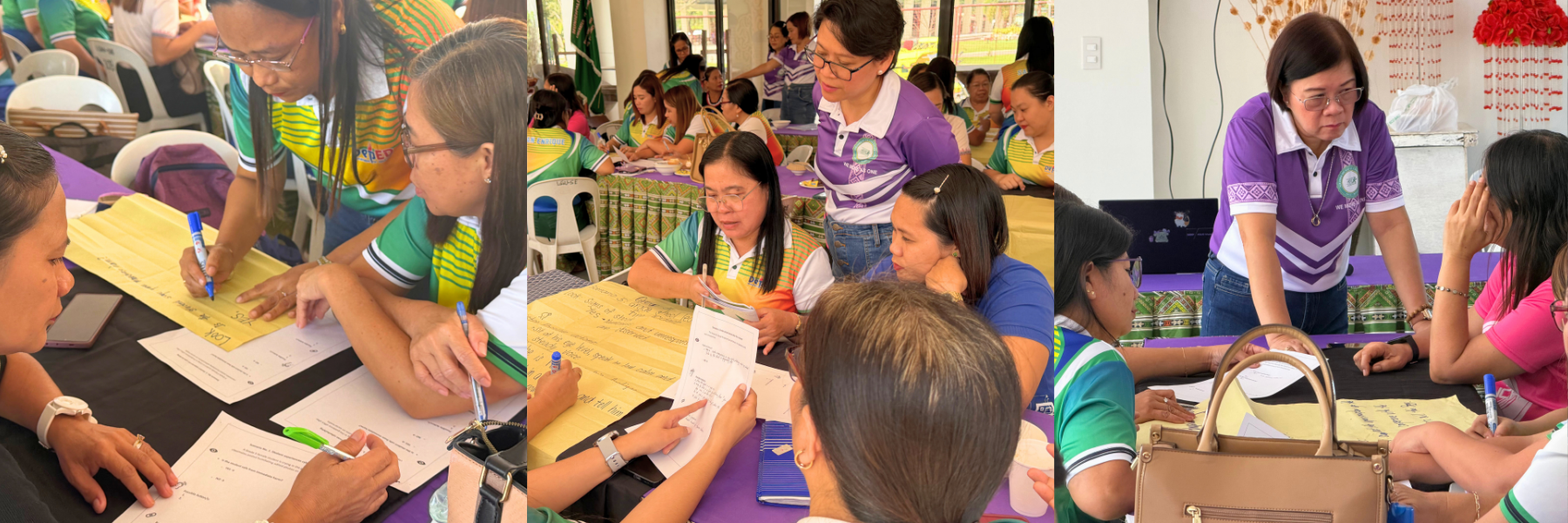
Later in the afternoon, the training then proceeded to Mapping the Local Referral Network, where participants drafted their localized referral directory anchored on existing municipal services and school protocols. Ms. Jennet Pajura, RGC, later led Documentation and Incident Reporting through hands-on form completion, emphasizing proper incident logs and responsible reporting. WVSU’s Prof. Jan Iris Fae Basbas, RGC, also served as one of the facilitators in the process.
All volunteer guidance counselors from ISUFST and WVSU then guided the working-break workshop on School-Based PFA Action Planning, followed by group presentations and peer feedback—ensuring outputs were school-ready, realistic, and aligned with ethics and confidentiality.
The two-day, phase 2, module 3 training concluded with the recitation and signing of “The STEP UP San Enrique Pledge 2,” where participants committed to early recognition of distress, faithful practice of Look–Listen–Link, ethical documentation, proper referral, advocacy for safer guidance spaces, continued learning, and self-care as helpers.
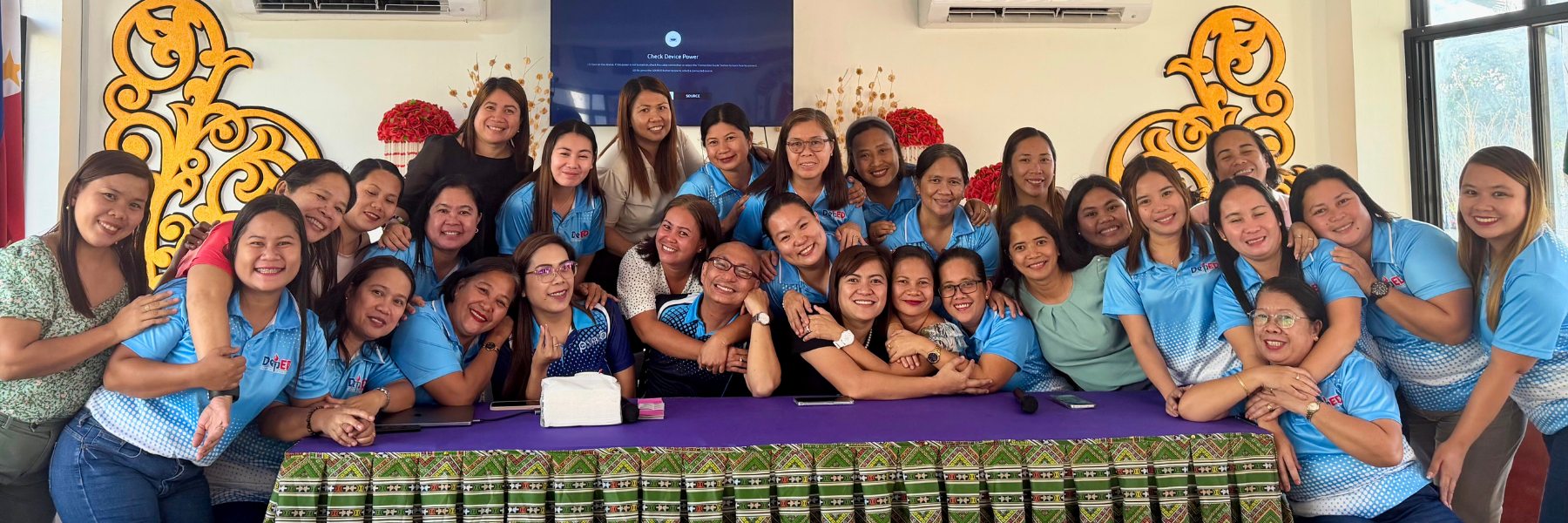
“I pledge to step up with empathy. I pledge to step up with integrity. I pledge to step up with courage and care,” the participants affirmed—marking the transition from training to shared responsibility for learner well-being in San Enrique schools.
With Phase 2 completed, ISUFST’S STEP UP initiative moves forward to Phase 3 on June 25–26, 2026, at the Tourism Hall in San Enrique. The next module will focus on Career Planning and Bullying Prevention—continuing the shared mission of helping learners find direction while protecting their dignity in safer school spaces. (PAMMCO)